
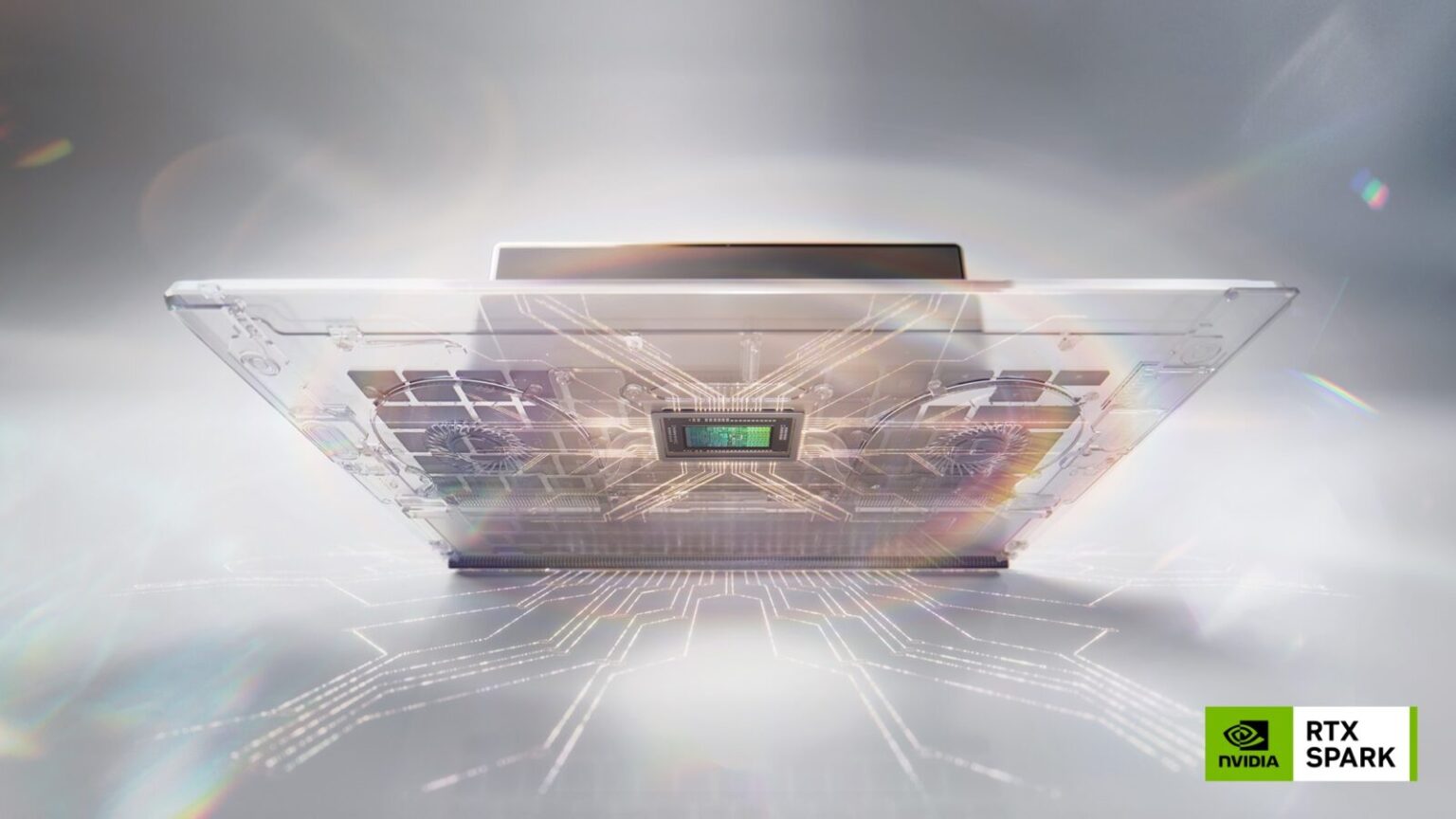
NVIDIA and Microsoft have jointly introduced the RTX Spark, a new superchip designed to advance Windows-based personal computers toward greater integration with AI agents. Announced at NVIDIA GTC Taipei, the platform combines a Blackwell RTX GPU with a custom 20-core Grace CPU, delivering around 1 petaflop of AI performance and support for up to 128GB of unified memory. Built in collaboration with MediaTek for improved power efficiency, it targets slim laptops with extended battery life and compact desktops, positioning it as a response to the growing interest in running AI tasks locally rather than relying solely on cloud services.
The initiative reflects a broader shift in personal computing, where devices move beyond traditional apps toward more interactive, agent-driven experiences. Users can potentially handle demanding workloads such as rendering large 3D scenes, editing high-resolution video, or operating large language models with extensive context windows directly on the device. For gaming, it supports 1440p resolution at over 100 frames per second in AAA titles with ray tracing enabled. Adobe is adapting Photoshop and Premiere for this hardware, aiming for faster AI-assisted editing and 3D workflows, though the extent of real gains will depend on optimization and user workflows.
Central to the announcement is support for personal AI agents. NVIDIA and Microsoft are introducing new Windows security features alongside NVIDIA OpenShell to enable safer on-device execution. These tools allow agents to perform tasks across applications, search local files, and generate content while respecting user-defined privacy boundaries. Developers like those behind OpenClaw and Hermes Agent have expressed interest, highlighting potential for private, context-aware assistance. However, history shows that similar promises of seamless AI integration, from early voice assistants to current edge computing efforts, often face hurdles in reliability, battery impact, and actual user adoption. Claims of transforming the PC into a “teammate” warrant scrutiny, as past transitions from command-line interfaces to graphical user interfaces took years to mature fully.
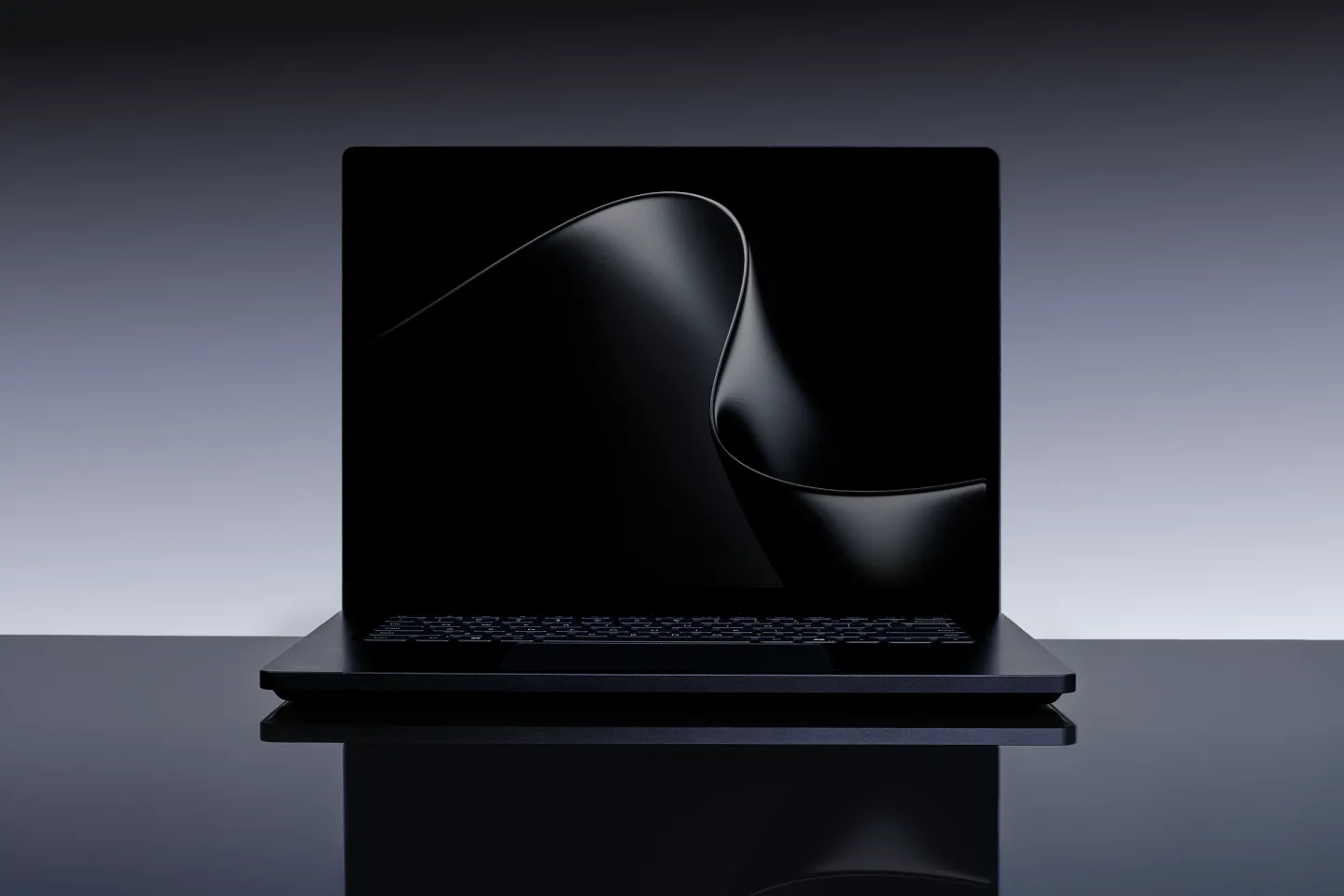
The hardware comes in thin laptop designs around 14 millimeters thick with tandem OLED displays, as well as efficient desktop variants. Major manufacturers including ASUS, Dell, HP, Lenovo, Microsoft Surface, and MSI plan releases this fall. Performance highlights include enhanced neural rendering and video generation capabilities, building on NVIDIA’s established ecosystem of CUDA, TensorRT, and DLSS technologies. Yet questions remain about thermal management in portable formats and whether the unified memory advantage truly outweighs trade-offs in cost and accessibility for average users.
This collaboration extends NVIDIA’s influence in AI hardware while leveraging Microsoft’s Windows platform dominance. It arrives amid rising competition from ARM-based architectures and specialized AI chips from other firms. While RTX Spark strengthens local processing options, its success will hinge on software ecosystem growth and whether developers and consumers embrace on-device agents over simpler cloud alternatives. For creators and developers handling complex tasks, it offers a consolidated option, but broader market impact may prove more incremental than transformative, consistent with the steady evolution of PC technology over recent decades.