
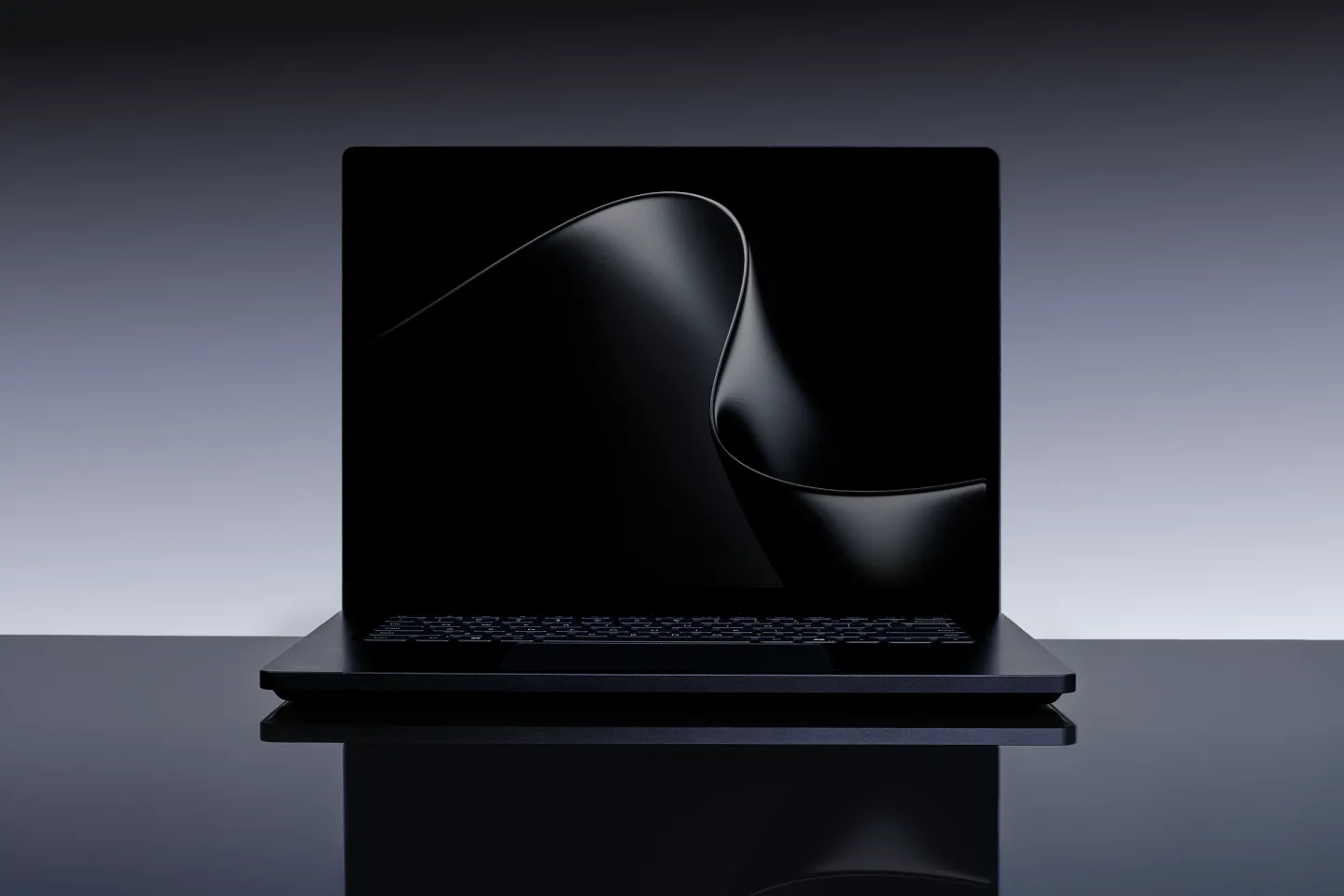
Microsoft has unveiled the Surface Laptop Ultra, its latest high-end portable featuring an Arm-based Nvidia RTX Spark processor at its core. This marks another attempt by the company to integrate advanced Nvidia silicon into its flagship Windows devices, following a notable financial write-off years ago on an earlier Arm-Nvidia effort with the original Surface line.
The 15-inch model arrives amid growing interest in Arm architecture for laptops, promising efficiency gains while addressing compatibility hurdles that have long plagued Windows on Arm platforms. Details remain limited, including exact pricing and full specifications, but the hardware centers on Nvidia’s RTX Spark superchip. This processor offers configurations with up to 20 CPU cores, 6,144 GPU cores, and up to 128GB of unified memory, though entry-level variants may ship with just 16GB. Performance targets include graphics capabilities comparable to an RTX 5070 laptop GPU and around one petaflop of AI processing power, alongside claims of all-day battery life.
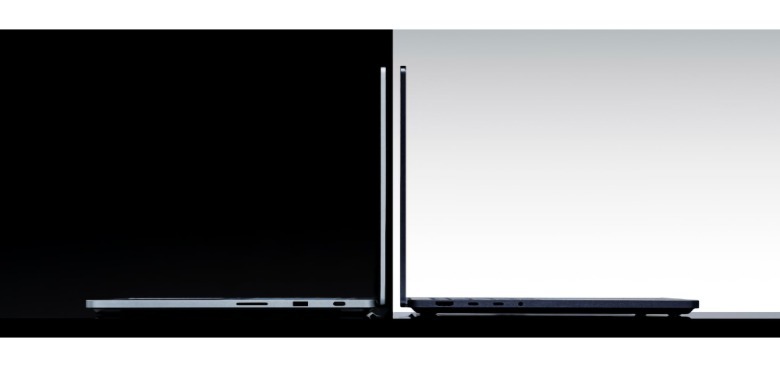
The display is a 15-inch mini-LED touchscreen with 262 pixels per inch and peak HDR brightness reaching 2,000 nits, which Microsoft positions as its brightest yet. It also includes the company’s largest haptic trackpad on a Surface device. Weighing under 4.5 pounds and available in dark grey or silver finishes, the chassis provides a practical selection of ports: USB-C, USB-A, HDMI, full-size SD card reader, and headphone jack. Exact port specifications and speeds have not been disclosed.
This hardware choice reflects broader industry shifts toward Arm-based computing, where Apple has demonstrated strong performance and efficiency with its M-series chips. Microsoft and Nvidia have collaborated for years to optimize Windows 11 for such architectures, including specific tweaks for the RTX Spark. The chip itself builds on technology Nvidia previously used in its DGX Spark mini-PCs for AI developers, now adapted for mainstream Windows use. Additional software optimizations aim to improve app compatibility, an area where Windows on Arm has historically faced criticism for emulation overhead and limited native support.
Yet the announcement leans heavily on aspirational language rather than concrete benchmarks or comparisons. Phrases emphasizing deliberate design and pushing boundaries feel familiar from past product launches, where marketing often outpaces verifiable real-world advantages. The Surface Laptop Ultra will not launch in isolation; other RTX Spark-equipped laptops and mini-PCs are expected this fall, suggesting Microsoft’s deep involvement in promoting the ecosystem.
For users considering high-performance Windows portables, the combination of strong graphics, substantial memory options, and a premium display could appeal to creators and developers working with AI tools or demanding workloads. However, success will depend on how well the Arm transition delivers on battery life and software compatibility compared to traditional x86 systems or Apple’s alternatives. Pricing will likely play a decisive role in determining its reach beyond enthusiasts.
Overall, the Surface Laptop Ultra represents a calculated step in Microsoft’s ongoing efforts to refresh its hardware lineup with cutting-edge components, though questions about value and everyday performance remain until full reviews and availability provide clearer answers.