
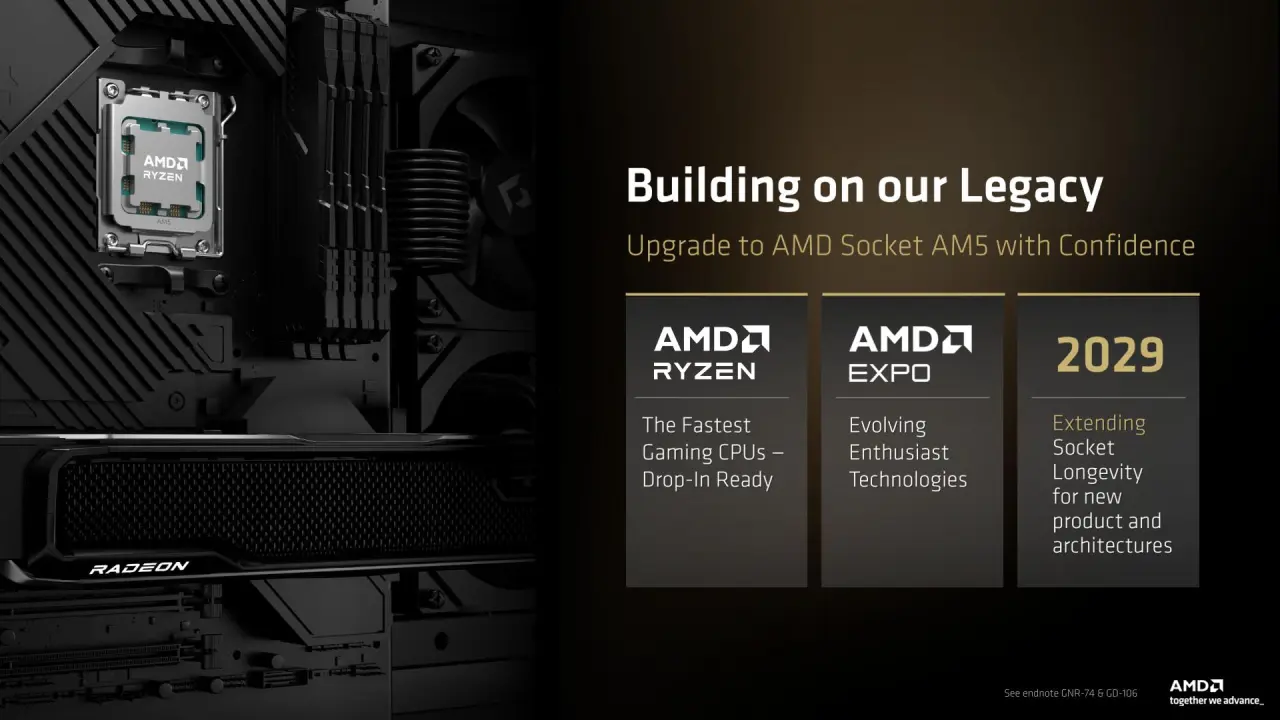
AMD continues to extend the life of its older platforms with the release of two new X3D processors at Computex 2026: the Ryzen 7 7700X3D for the AM5 socket and the Ryzen 7 5800X3D 10th Anniversary Edition for AM4. These octa-core chips with large 3D V-Cache target gamers seeking strong performance without jumping to the latest generation hardware.
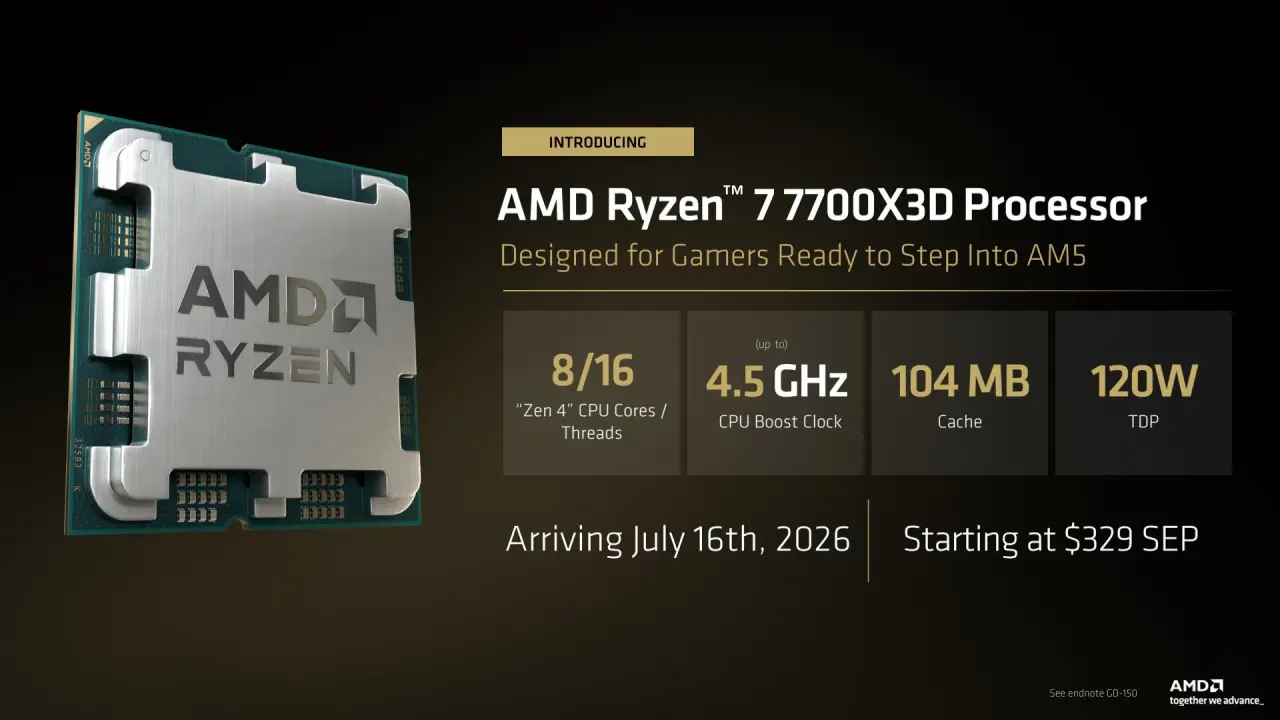
The Ryzen 7 7700X3D sits in the Ryzen 7000 series based on Zen 4 architecture. It offers 8 cores, 16 threads, a 4.0 GHz base clock, and a 4.5 GHz boost clock, paired with 96MB of L3 cache and a 120W TDP. Compared to the popular Ryzen 7 7800X3D, the new model runs at slightly lower clocks, which in practice may produce modest differences in frame rates depending on the game and resolution. Both support DDR5 memory, though the massive cache in X3D variants reduces the need for ultra-fast RAM kits in many scenarios.
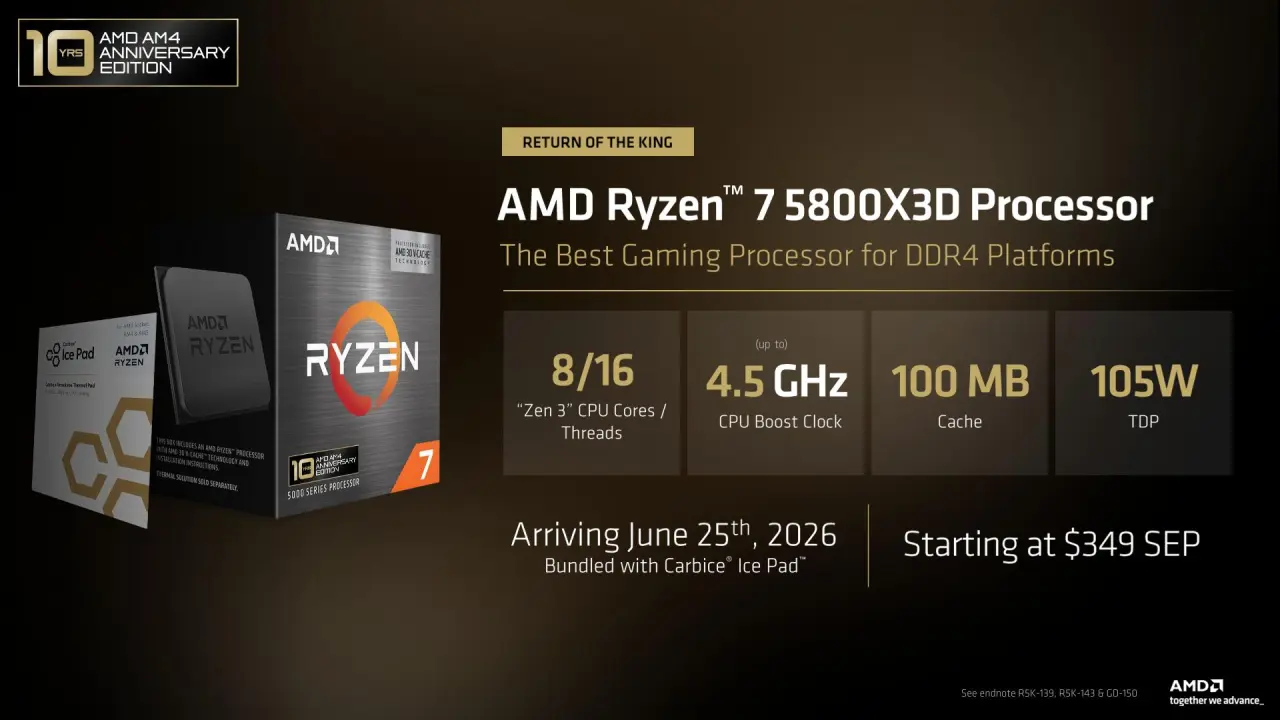
On the AM4 side, the Ryzen 7 5800X3D Anniversary Edition maintains identical specifications to the original 2022 model. While not a significant upgrade in raw performance, it serves as a symbolic nod to AMD’s decade-long support for the AM4 platform. This longevity stands in contrast to Intel’s more frequent socket changes, typically lasting only a couple of generations. AMD has periodically refreshed AM4 with chips like the 5700X3D and 5500X3D, allowing users with older motherboards to access improved gaming performance through cache-focused designs without a full system overhaul.
Pricing positions the newer AM5 Ryzen 7 7700X3D at $329, notably lower than the $349 asked for the AM4 5800X3D. The older platform part becomes available June 25, 2026, followed by the AM5 model on July 16. This unusual pricing, where the fresher chip costs less, reflects AMD’s strategy to drive adoption of its current platform while still extracting value from legacy users.
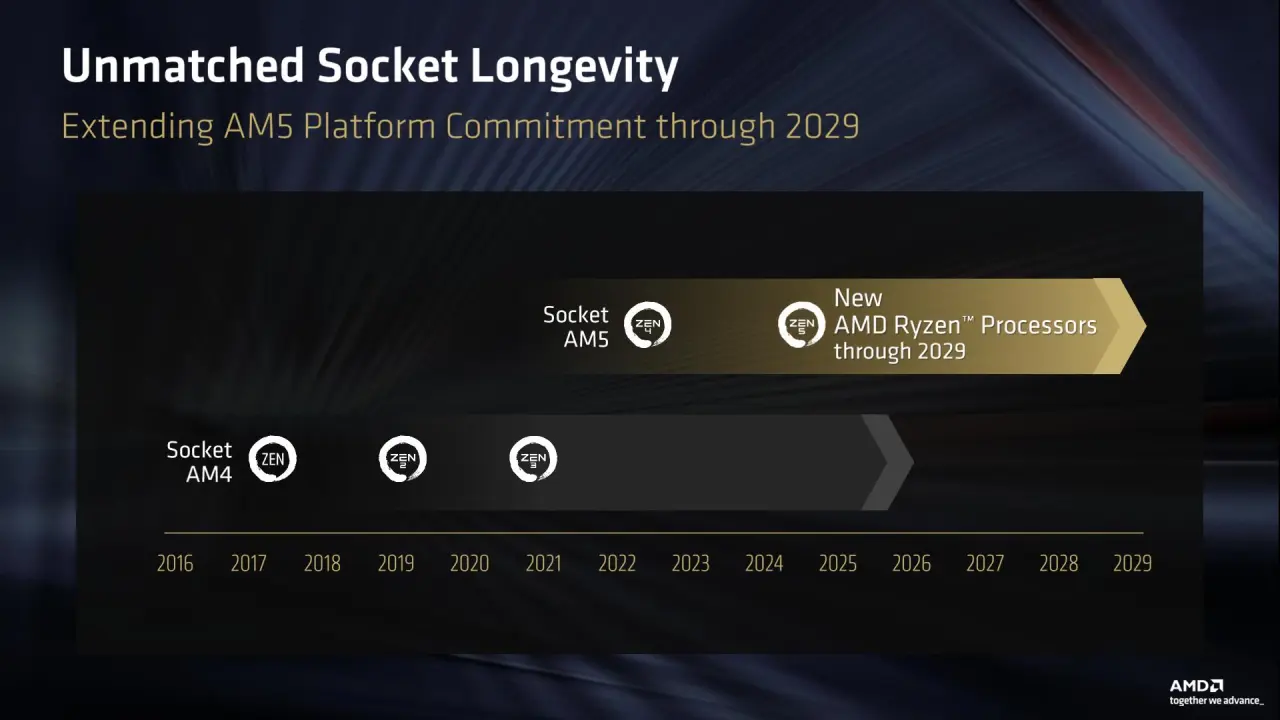
The move highlights broader trends in the CPU market. While 3D V-Cache technology has proven effective for gaming by reducing latency in cache-sensitive titles, the incremental nature of these releases raises questions about value in a segment increasingly dominated by higher core counts and AI-focused features. Enthusiasts on tight budgets or with existing AM4 builds may appreciate the option, yet the lack of meaningful specification changes in the 5800X3D suggests this is more about market maintenance than breakthrough innovation.
Overall, AMD’s latest X3D announcements demonstrate a pragmatic approach to platform support and segmentation. They provide accessible upgrades for different user groups but also underscore how the rapid pace of hardware development can leave even recent products feeling dated. Gamers evaluating these options should weigh platform longevity, upgrade paths, and real-world performance needs against the steady arrival of newer architectures.