
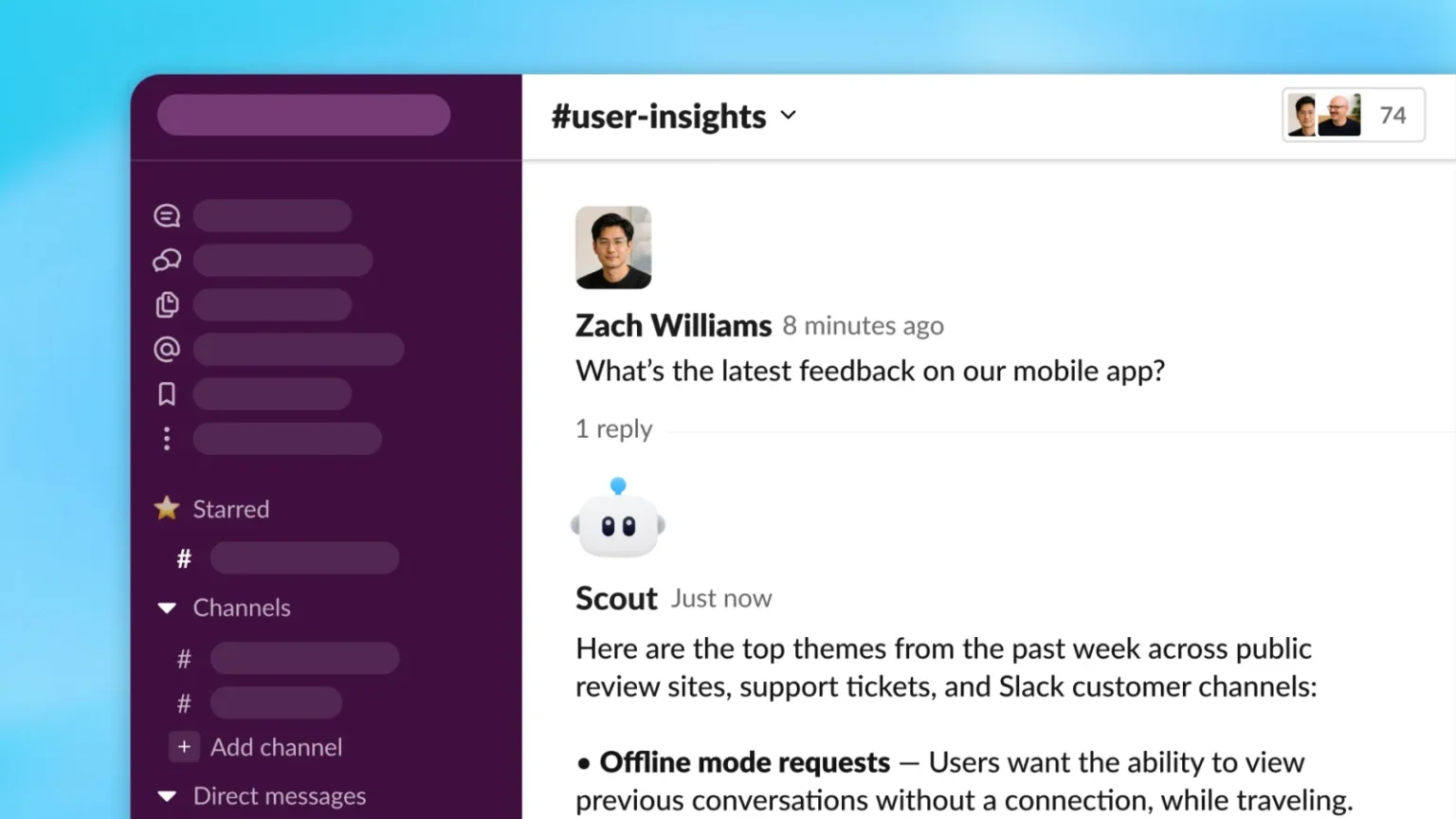
OpenAI has introduced workspace agents, a new cloud-based capability designed to automate multi-step team workflows inside ChatGPT for Business, Enterprise, Edu, and Teachers plans. Powered by Codex, these agents can run long-running tasks in the background, pull context from various company systems, follow internal processes, request approvals when needed, and take actions directly in tools such as Slack and Gmail. The rollout marks a shift from single-user assistants toward shared, persistent automation that organizations can build once and deploy across teams.
Announced on April 22, 2026, workspace agents are positioned as an evolution of custom GPTs. Existing GPTs can be converted into these agents, allowing teams to upgrade previous creations without starting from scratch. The feature is currently available as a research preview and will remain free until May 6, 2026, after which OpenAI plans to shift to a credit-based pricing model. Alongside the main rollout, the company updated its Agents SDK with new sandboxing options and an in-distribution harness intended to help enterprises test and contain agent behavior more safely before wider deployment.
At a technical level, the agents operate entirely in the cloud, maintaining state across handoffs and respecting organizational permission boundaries. They support context gathering from files, notes, and connected tools, while configurable approval flows aim to prevent unchecked actions. The guided creation experience inside ChatGPT lets teams describe recurring workflows in plain language and quickly turn them into functional agents. For developers and platform teams, the updated SDK provides controlled environments where agents can execute code or interact with files without risking broader system exposure.
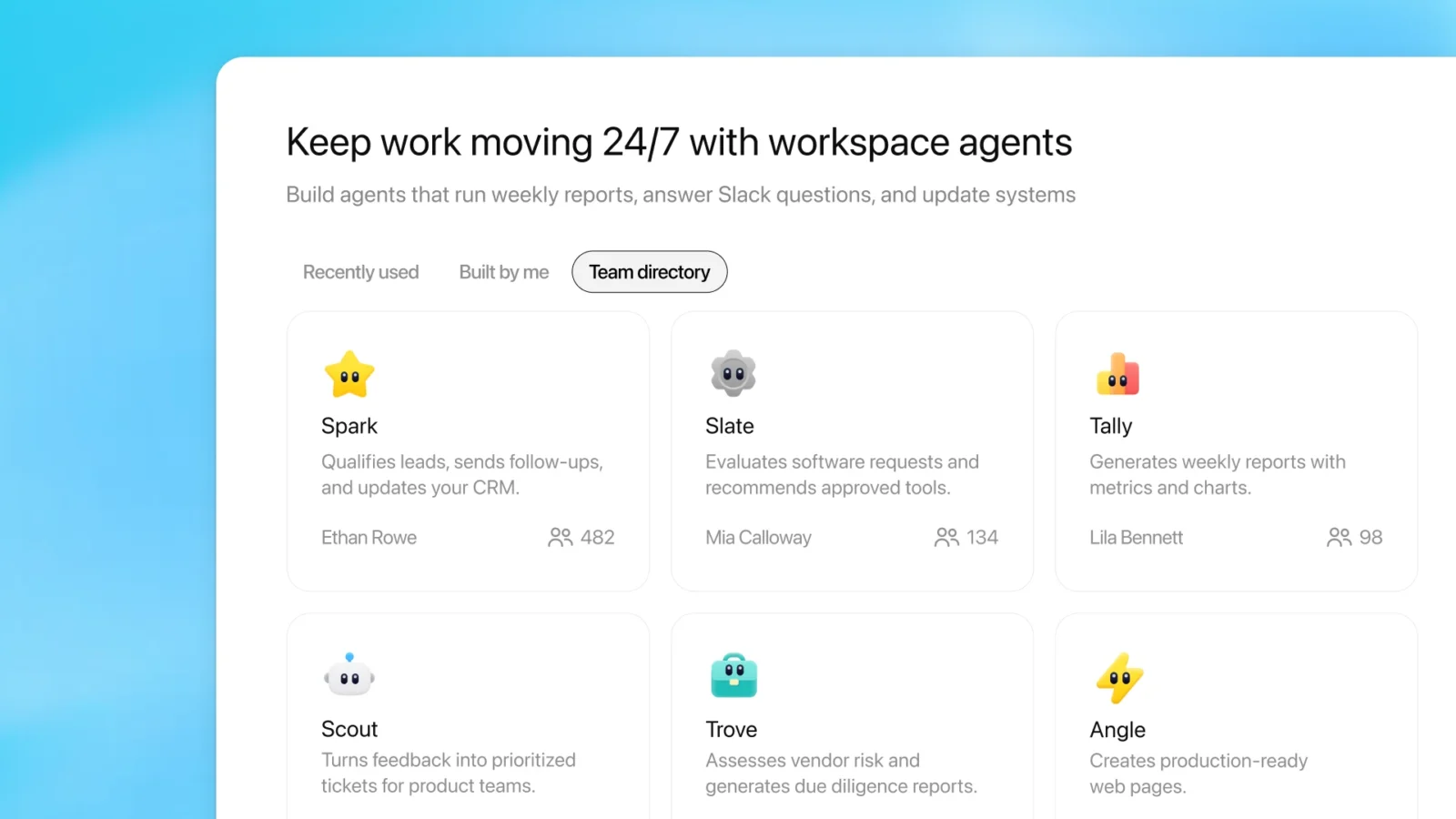
This development reflects the broader industry push toward agentic AI, where systems move beyond answering questions to actually performing work across applications. Several competitors, including startups and established players like Anthropic, have also emphasized agents that execute tasks rather than merely assist. For enterprises, the combination of persistent workflow automation and improved safety tooling addresses two persistent challenges: bridging disconnected tools and reducing the unpredictability that often accompanies autonomous actions.
Yet practical hurdles remain. Successful adoption will likely depend on robust governance, including clear role-based permissions, connector whitelisting, and reliable audit trails. Teams that have already invested time building custom GPTs will need smooth migration paths and oversight mechanisms to avoid disruption. The limited free preview period offers a window for piloting, but organizations should carefully assess integration complexity and long-term costs once credit-based billing begins.
In many ways, workspace agents represent OpenAI’s attempt to consolidate its product surface. Custom GPTs, once promoted as flexible building blocks, now appear to be transitional tools on the way to more capable, team-oriented agents. The addition of sandboxing and testing harnesses in the SDK shows awareness of enterprise concerns around safety and control, though real-world reliability will only become clear after extended use in production environments.
Overall, the launch provides a pragmatic step toward operational automation for teams handling repetitive cross-tool processes. Companies evaluating the feature should focus on well-defined workflows where the benefits of reduced manual coordination outweigh the added layers of governance and monitoring. As with any early agent system, the gap between promising capabilities and dependable daily execution will be determined by how effectively organizations implement safeguards and iterate based on actual performance.