

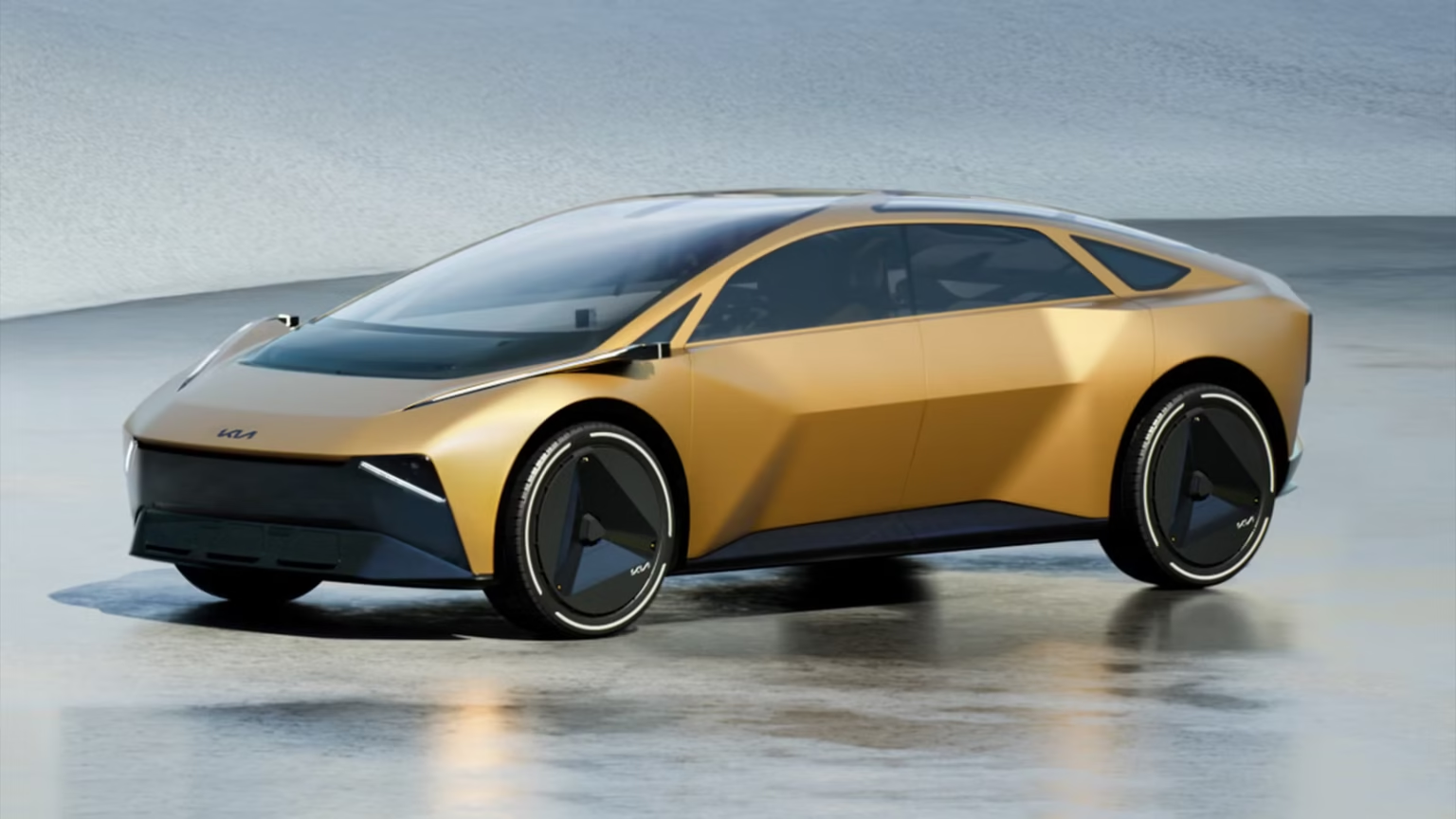
Kia’s Vision Meta Turismo concept offers a glimpse into how the company envisions future performance electric vehicles, blending sleek fastback styling with an interior that prioritizes both driving engagement and stationary comfort. Revealed in fuller detail at Milan Design Week after an initial teaser in December 2025, the angular design draws from Kia’s established “Opposites United” language seen in models like the EV6, yet it leans into 1960s grand touring influences with a lounge-like cabin and a panoramic glass roof.
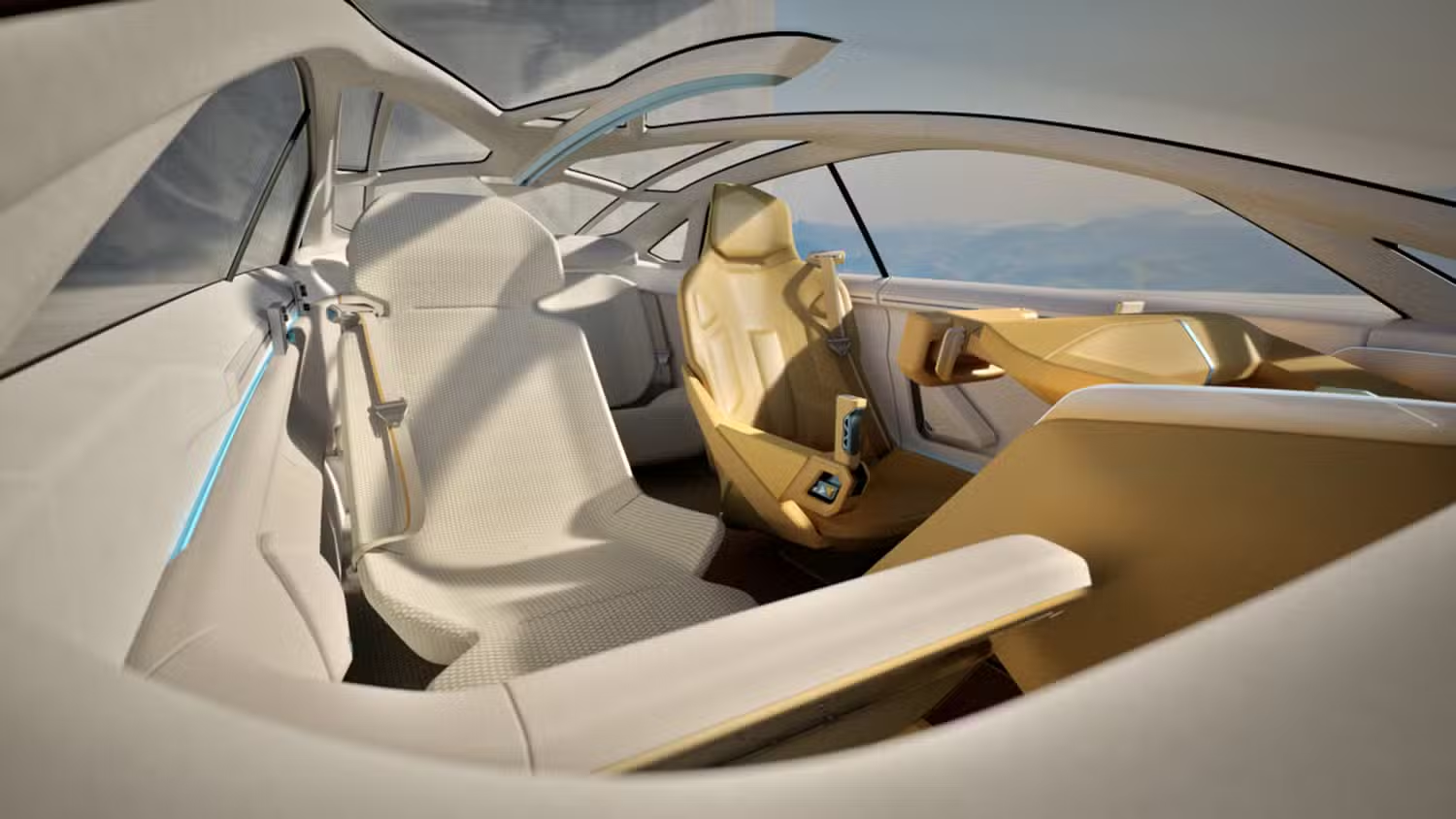
One of the more distinctive features is the front passenger seat that can rotate 180 degrees to face rearward when the car is parked, encouraging social interaction during stops. The driving position includes an ultra-slim instrument cluster, lightweight breathable seats, and a rectangular steering wheel inspired by video game controllers. Kia has incorporated analog controls and optional add-ons to maintain a tactile feel that many enthusiasts still value in an increasingly digital era.
On the performance side, the concept borrows ideas from Hyundai’s Ioniq N lineup to appeal to traditional sports car drivers. A joystick-style virtual stick shift simulates manual gear changes, while dedicated buttons activate launch control for drag-strip starts and a “GT Boost” mode that delivers a momentary surge reminiscent of Formula 1-style acceleration. Drivers can also adjust suspension sensitivity, overall driving character, and even synthetic engine sounds to match their preferences. As with most concepts, Kia has not released specific power figures or technical specifications, keeping the focus on experiential rather than numerical claims.
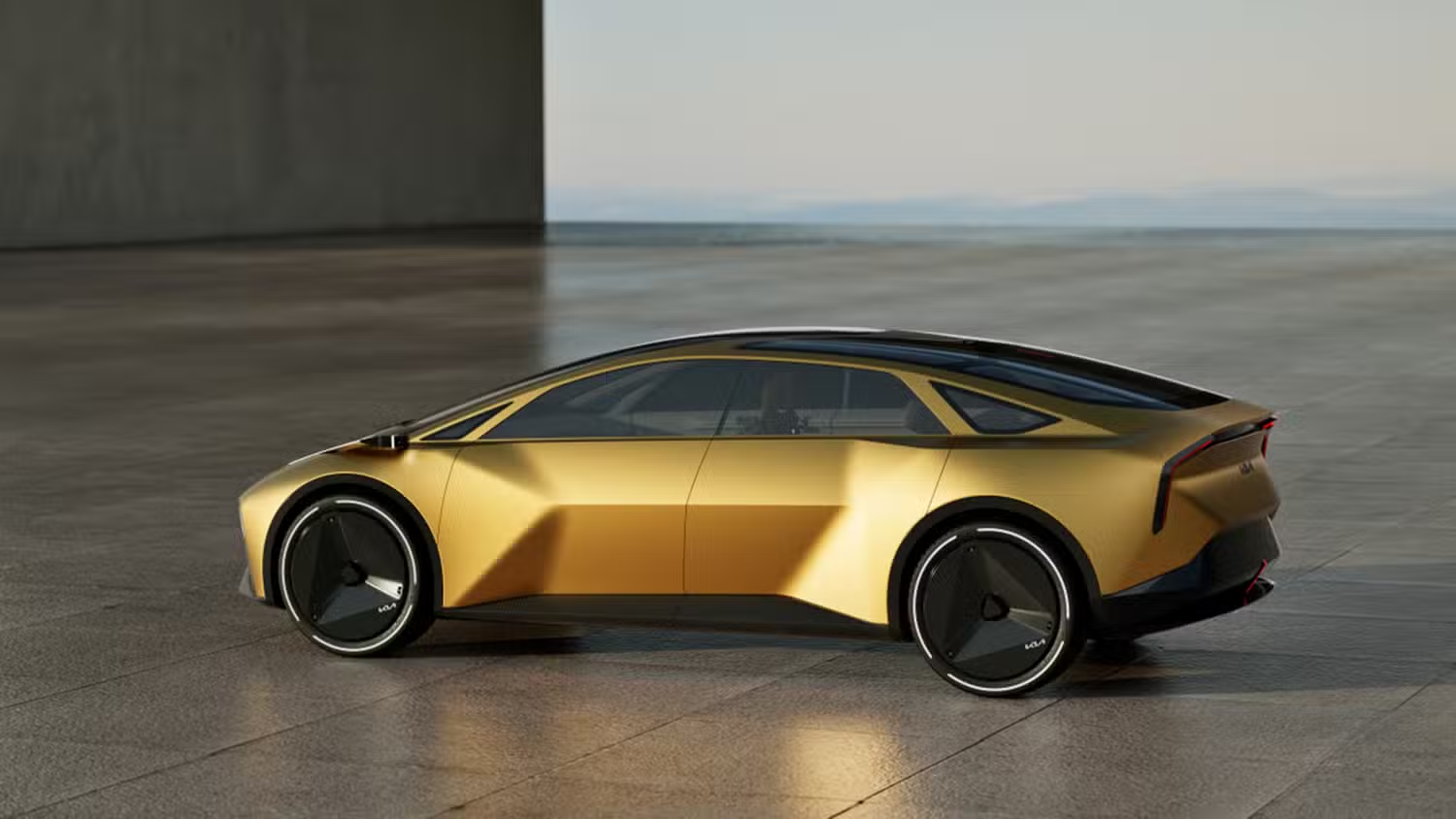
The Vision Meta Turismo places significant emphasis on augmented reality and in-car entertainment, especially for passengers. In addition to a driver-focused Speedster mode, it includes Dreamer and Gamer settings. The latter turns the vehicle into a stationary gaming setup using the wide-angle AR heads-up display and steering wheel, similar to features already seen in some Tesla models. An exterior projector can even create a group gaming hub in parking lots, allowing friends to join in after a drive. The passenger seat is specifically contoured to optimize viewing of AR content through the heads-up display, aiming for a more relaxed, immersive experience when the car is not in motion.
While the Vision Meta Turismo remains a pure design exercise rather than a production prototype, certain elements could influence future Kia vehicles. Features like the virtual gearshift, tunable driving modes, and AR integration feel more feasible for near-term adoption than extreme styling choices such as oversized wheels or an almost entirely glass roof. Kia describes the car as a “futuristic vision” of evolving mobility, signaling the brand’s intent to adapt electric vehicles to changing expectations around both performance and lifestyle use.
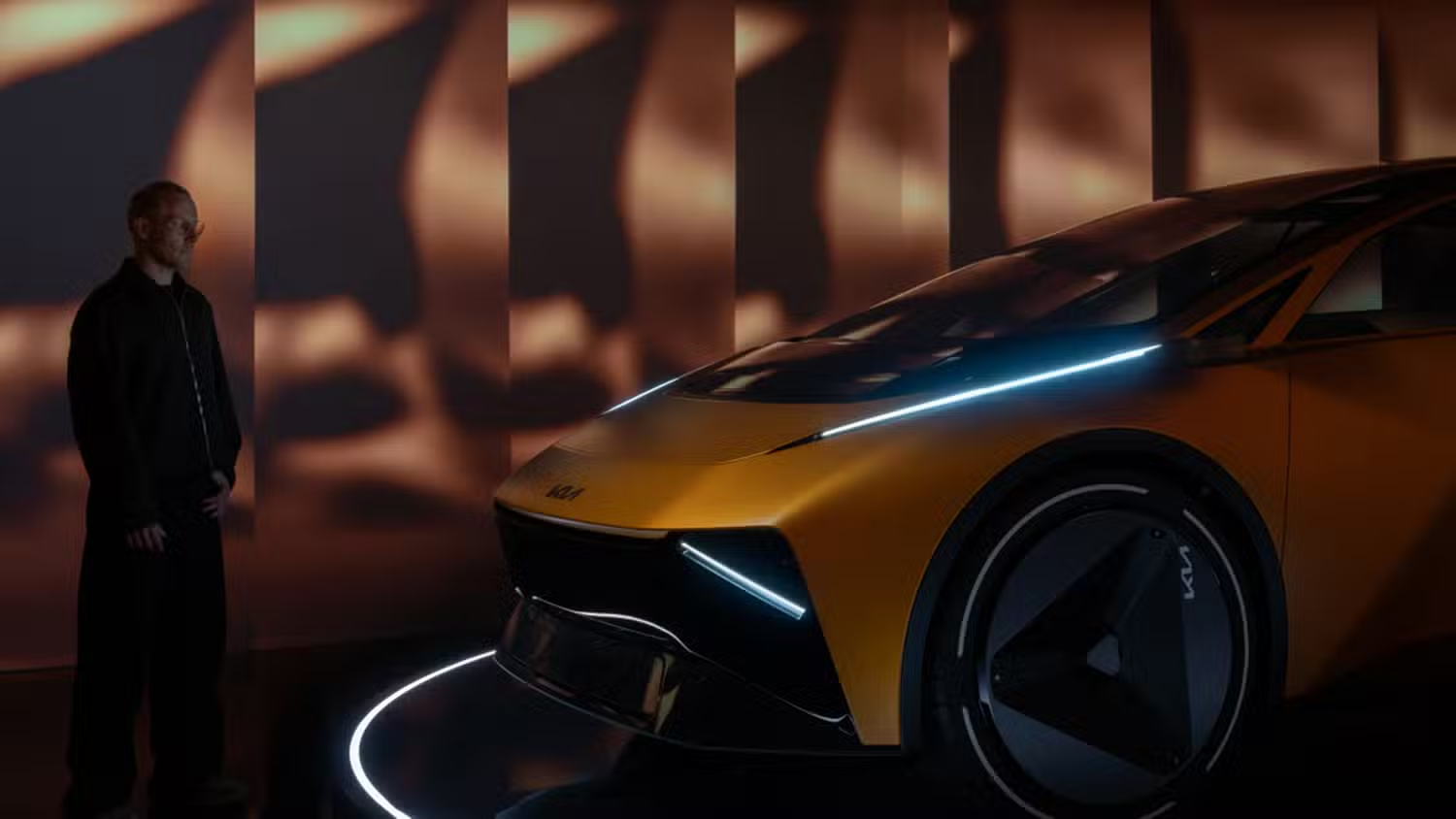
In the broader context of the EV market, concepts like this highlight an ongoing tension: manufacturers must deliver the instant torque and efficiency that define electric powertrains while preserving the emotional connection that enthusiasts associate with traditional sports cars. Kia’s approach—combining simulated manual controls, boost functions, and extensive stationary entertainment—reflects an attempt to bridge that gap without pretending the driving experience will remain unchanged. Whether these ideas translate into tangible improvements in upcoming production models will become clearer in the coming years, as the industry continues to experiment with how performance EVs can remain engaging both on the road and when parked.