

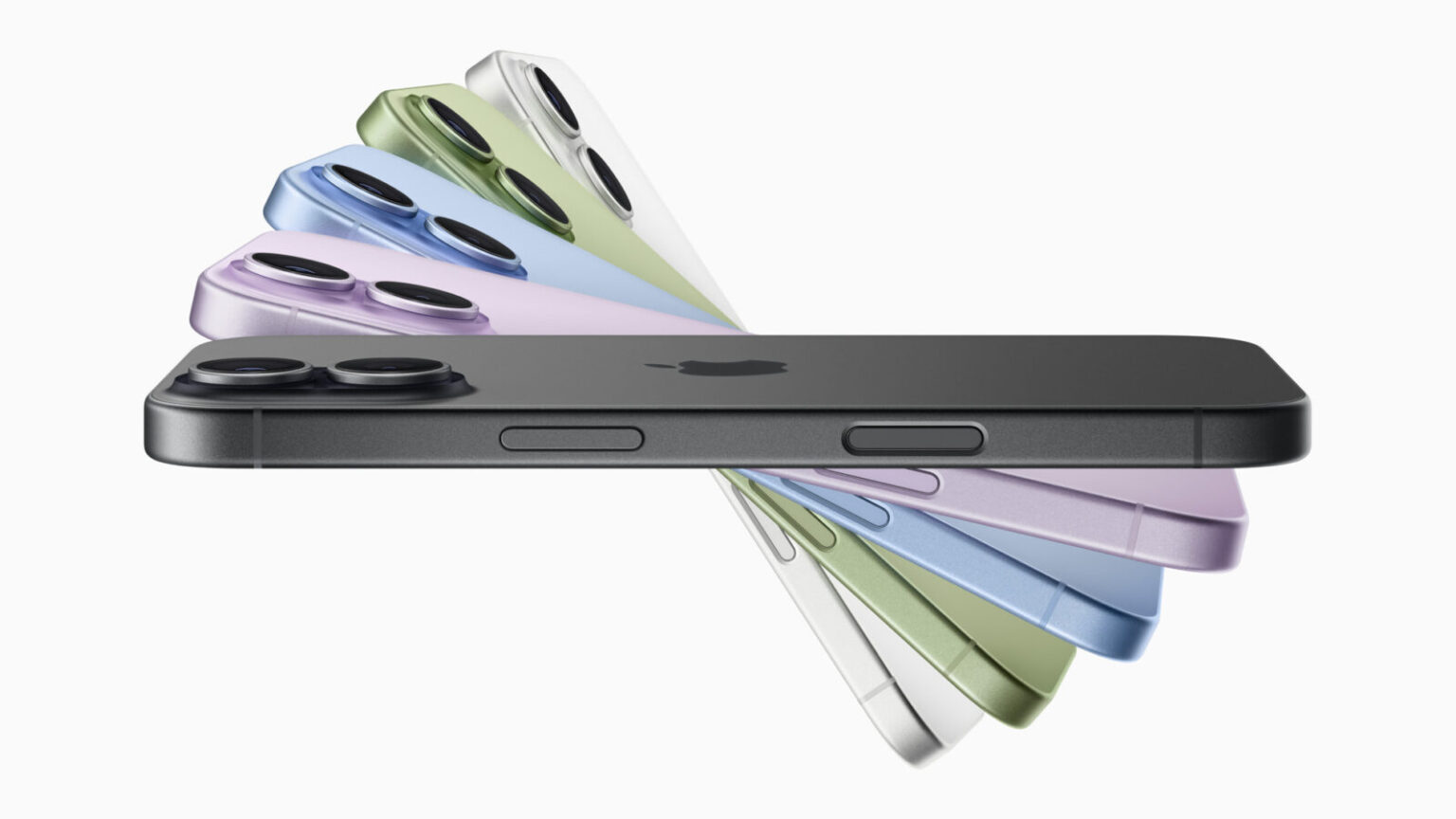
Reports suggest that the iPhone 17e is poised to continue Apple’s recent approach to its lower-priced smartphone lineup: modest but meaningful upgrades without a corresponding price increase. According to Bloomberg’s Mark Gurman, writing in the latest Power On newsletter, the device is expected to arrive soon and retain a starting price of $599, matching its predecessor and keeping the entry point to the iPhone ecosystem unchanged.
The timing aligns with Apple’s recent cadence for its “e” models. With roughly a year having passed since the introduction of the iPhone 16e, a refresh fits the company’s pattern of annual updates aimed at cost-conscious buyers. Gurman reports that the new model will incorporate MagSafe charging, a feature that had been absent from some earlier budget-oriented iPhones and one that brings the 17e closer in daily usability to Apple’s higher-end devices.
Under the hood, the iPhone 17e is expected to use the A19 chip, the same processor found in the base iPhone 17. This marks a notable step up for the lower-tier model, which has historically relied on either older silicon or cut-down versions of current chips. If accurate, this change would narrow the performance gap between Apple’s flagship phones and its more affordable options, particularly for users focused on longevity and software support rather than cutting-edge camera systems.
The report also indicates that Apple plans to include its latest in-house cellular and wireless chips. While these components are less visible to consumers, they play a significant role in connectivity, power efficiency, and long-term cost control for the company. Apple’s ongoing shift toward internally designed modems and wireless hardware reflects a broader strategy to reduce reliance on third-party suppliers while tailoring performance more tightly to its devices.
The iPhone 16e received mixed reactions at launch, with criticism often centered on its limited camera setup, especially when compared with higher-end models released shortly afterward. At the same $599 price point, the iPhone 17e’s upgrades appear focused on core functionality rather than photography, suggesting Apple is comfortable leaving advanced camera features as a key differentiator for its more expensive phones.
From a market perspective, Gurman notes that Apple is expected to position the iPhone 17e toward emerging economies and enterprise buyers. In those segments, consistent pricing, dependable performance, and long-term software updates often outweigh premium design or advanced imaging. The device is also likely to face direct competition from Google’s Pixel 10a, which traditionally emphasizes camera quality and clean software at a similar price.
While Apple continues to encounter intense competition in international markets, recent signs point to a rebound in iPhone sales in China, and the company is reportedly forecasting strong overall demand. If the iPhone 17e delivers the rumored upgrades without a price increase, it could strengthen Apple’s position in the midrange segment by offering a longer-lasting, more capable device without moving upmarket.