

Google has released the Fitbit Air, a screenless fitness tracker priced at $99.99 that aims to deliver core health and activity monitoring in a minimal, lightweight package. Announced on May 7, 2026, the device weighs just 12 grams with its band and is designed for continuous wear, including overnight sleep tracking. It ships on May 26, with preorders already available alongside a limited Stephen Curry special edition at $129.99.
The Fitbit Air enters a crowded market of wearable fitness devices that range from basic bands to advanced smart rings and full-featured watches. By keeping things simple—no display, no complex interface—it positions itself as an accessible option for users who want straightforward data without the distraction or bulk of a screen. Battery life is rated for up to seven days on a single charge, with a full recharge taking about 90 minutes or a five-minute top-up providing roughly another day of use. That endurance stands out against many competitors that require more frequent charging, though real-world performance will vary based on usage and features enabled.
Standard tracking includes automatic workout detection, 24/7 heart rate monitoring, sleep stage analysis, heart rate variability, SpO2 levels, and irregular rhythm notifications that can flag potential atrial fibrillation. The tracker is water resistant to 50 meters, making it suitable for swimming. Over time, Google says the automatic workout recognition should improve as it learns individual routines. These capabilities mirror what users expect from mid-tier fitness bands, though the absence of a screen means all detailed review and interaction happens through the companion smartphone app.
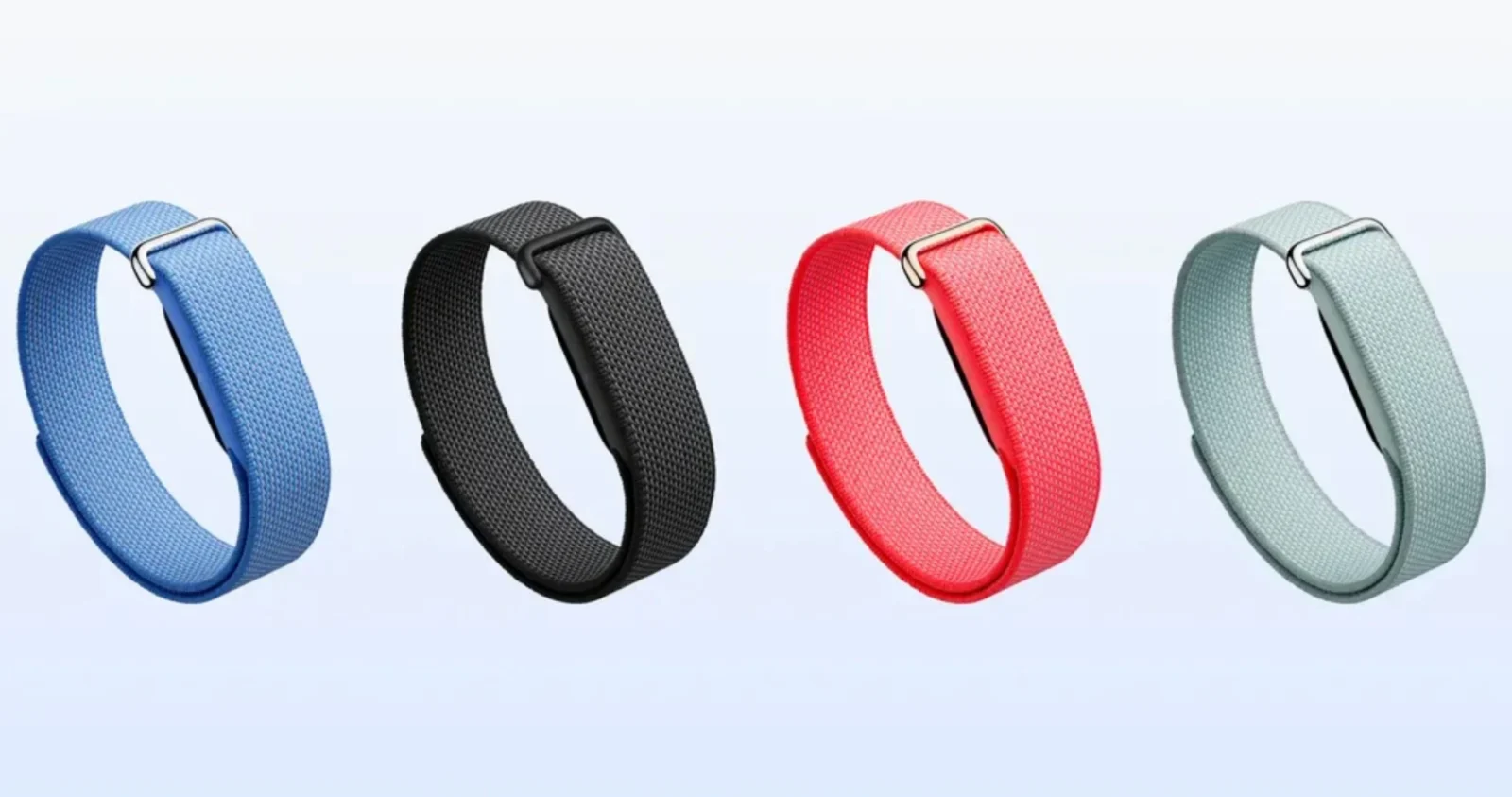
The special edition developed with NBA player Stephen Curry features a performance-oriented loop band with raised texture for better airflow and water resistance. While celebrity collaborations can help generate interest, they also add $30 to the price without changing the core hardware. Accessory bands start at $34.99, and preorders currently include a $35 Google Store credit as an incentive.
In a broader sense, the Fitbit Air reflects ongoing efforts by Google to evolve its wearable lineup after acquiring Fitbit several years ago. Screenless designs have gained traction—seen in products like Whoop bands—because they prioritize comfort and long battery life over on-device visuals. This approach appeals to athletes or everyday users who prefer not to glance at their wrist constantly, yet it also means relying more heavily on the app for insights. Critics of the category often point out that while these devices collect plenty of metrics, the actionable value of the data depends on consistent user engagement and the quality of the algorithms behind it. Over-reliance on heart-rate variability or sleep scores, for instance, can sometimes create unnecessary anxiety rather than genuine health awareness.
At under $100, the Fitbit Air lowers the entry point for decent fitness tracking, especially compared with premium options that can cost several hundred dollars. Whether it delivers lasting appeal will depend on software support, data accuracy over months of use, and how well it integrates with Google’s broader health ecosystem, including features potentially powered by Gemini. For now, it offers a practical, no-frills alternative for those seeking basic monitoring without the full smartwatch experience.