
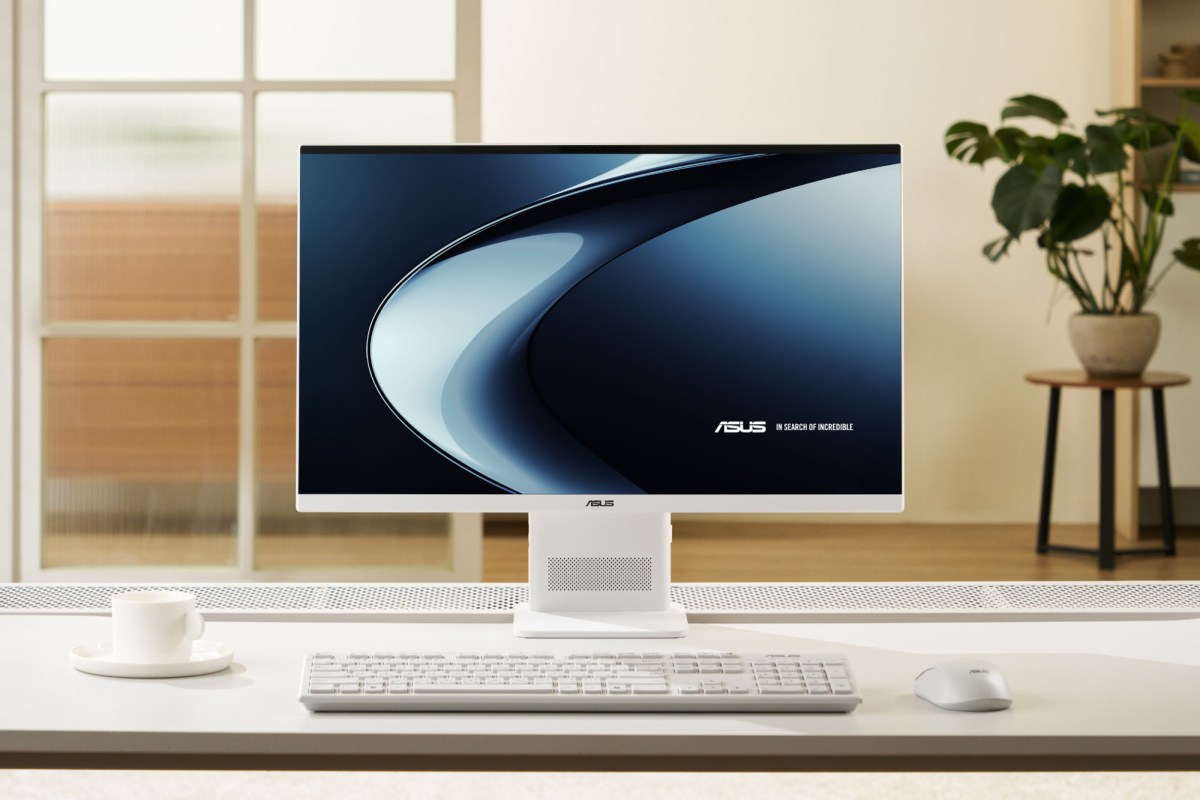
Asus has launched the VM441QA, an all-in-one desktop PC that stands out as one of the first models to use Qualcomm’s Snapdragon X processor in this category. Announced for the Indian market, the device reflects the industry’s gradual shift toward Arm-based architectures in personal computing, an area where Qualcomm has invested heavily to challenge traditional x86 dominance from Intel and AMD.
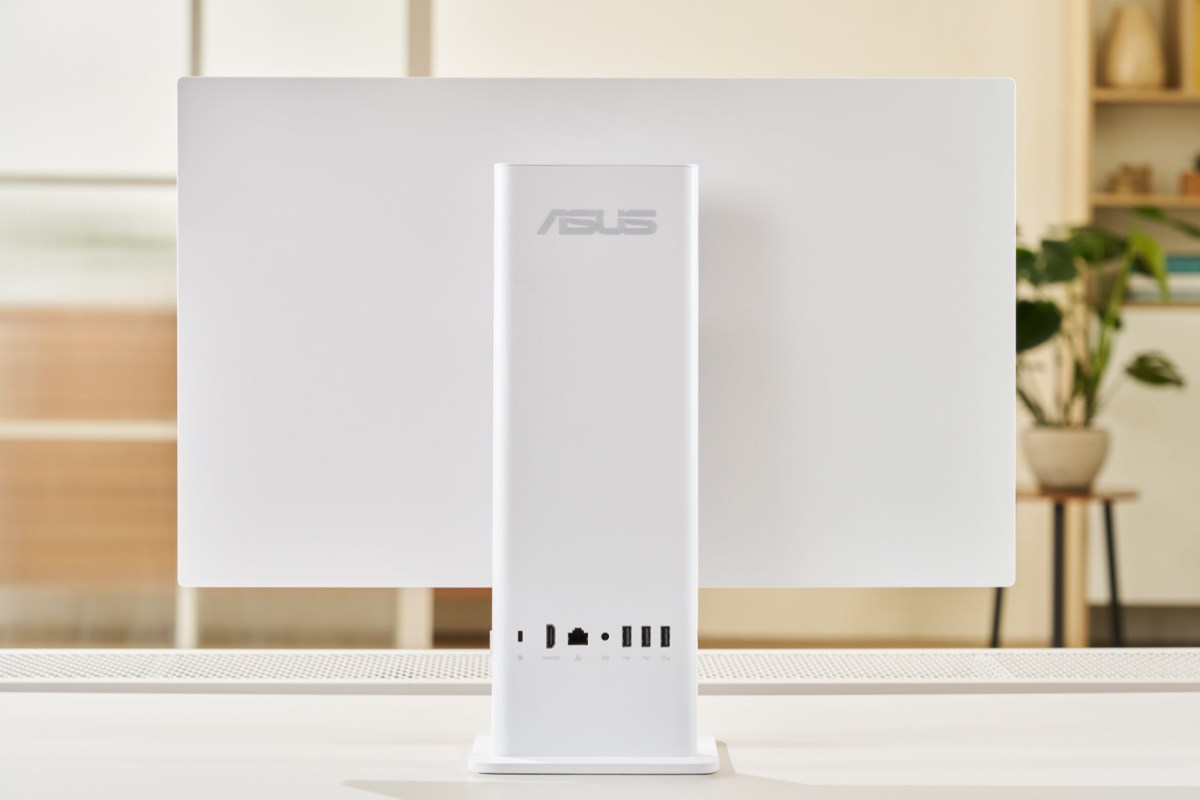
The VM441QA presents a clean, minimalist design dominated by a 23.8-inch 1080p display running at 60Hz with anti-glare coating and touch functionality. From the front, it resembles a standard office monitor, which may appeal to users seeking understated aesthetics rather than flashy gaming-oriented looks. Inside, it relies on a first-generation Snapdragon X chipset—likely the entry-level variant—with eight cores, an Adreno GPU, and a 45 TOPS neural processing unit aimed at basic AI tasks. It comes equipped with 16GB of LPDDR5X memory and storage options of 512GB or 1TB SSD. Connectivity includes a mix of USB ports, HDMI output, Gigabit Ethernet, Wi-Fi 6E, and Bluetooth 5.3, along with a 5MP webcam featuring a privacy shutter.
Pricing starts at around $1,070 for the base configuration and rises to $1,175 for the 1TB version. These figures position the VM441QA as a mid-range option in the all-in-one segment, where buyers often compare it against similar offerings from HP, Lenovo, or Apple’s iMac lineup. The inclusion of Snapdragon X marks another step in Qualcomm’s effort to expand beyond mobile chips, following the initial wave of Snapdragon-powered Windows laptops. However, earlier Arm-based Windows devices have faced compatibility hurdles with certain software, particularly legacy applications not optimized for the platform, which could limit broader appeal despite improvements in recent years.
This launch arrives amid a broader transition in personal computing. For years, Windows on Arm struggled with performance and app support, but Qualcomm’s Snapdragon X series has shown progress in efficiency and battery life for portables. Applying that to a desktop all-in-one is logical, given the form factor’s focus on everyday productivity rather than heavy gaming or content creation. Still, the 60Hz display and modest specifications suggest Asus is targeting office users, students, or home setups rather than power users who might prefer higher refresh rates or stronger discrete graphics. The built-in speakers and microphone round out the package for video calls, but expectations should remain measured—dedicated peripherals often deliver better results.
Critics might note that while being “first” carries marketing weight, true success depends on real-world performance, software optimization, and long-term reliability. Qualcomm’s chips excel in power efficiency, which could benefit always-on desktop scenarios, yet they still trail behind in raw compatibility compared to established x86 systems. Asus’s decision to bring this configuration to India first may reflect targeted demand in price-sensitive emerging markets, where Arm-based efficiency could help control costs and heat output.
Overall, the VM441QA represents an incremental rather than transformative entry in the crowded all-in-one market. It offers a practical blend of modern connectivity and Arm architecture at a reasonable price point, but its impact will hinge on how well it handles everyday tasks without the ecosystem friction that has historically plagued Windows on Arm devices. As more manufacturers experiment with these processors, the VM441QA serves as a useful test case for whether this approach can move beyond niche appeal into mainstream acceptance.