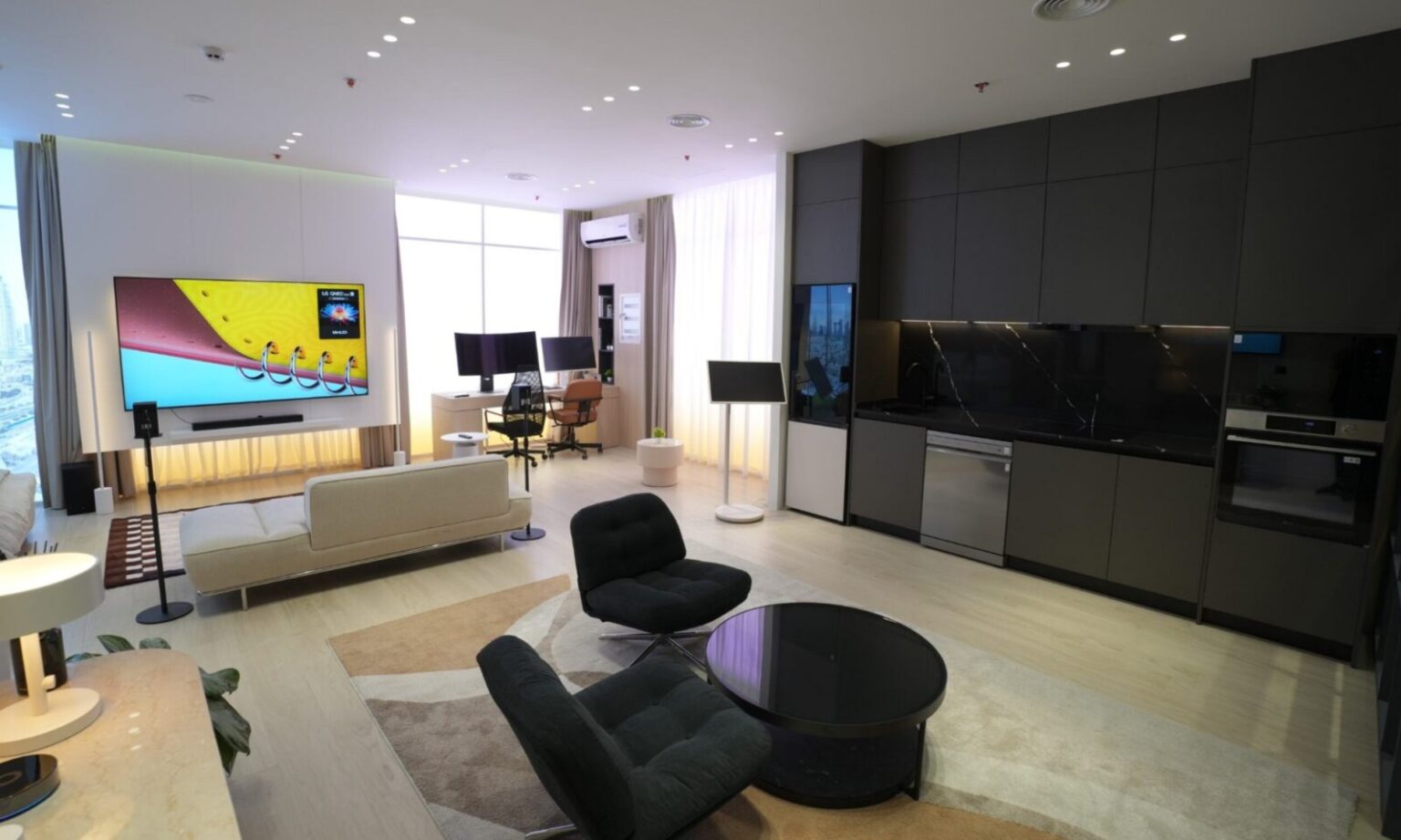
In the Gulf property market, smart homes are transitioning from optional upgrades to an expected standard. Buyers in places like Dubai and Abu Dhabi now look for more than luxury finishes. They want homes that integrate climate control, energy management, and connected appliances into cohesive systems that respond to daily needs. This shift reflects the region’s extreme temperatures, high energy costs, and a population increasingly comfortable with technology.
Earlier waves of smart home adoption focused on standalone gadgets such as voice assistants or individual lights. Today’s expectations have moved toward unified platforms where devices work together. In a climate where air conditioning can account for a large portion of household energy use, the appeal of systems that optimize temperature, humidity, and consumption is clear. Yet this evolution also brings questions about long-term reliability, data privacy, and whether the added complexity truly delivers lasting convenience or simply creates new dependencies.
LG Electronics has positioned itself within this trend through its ThinQ platform. The system connects a range of the company’s appliances, including air conditioners, refrigerators, washing machines, and televisions, allowing control via smartphone or voice commands. Its “Affectionate Intelligence” feature uses AI to learn user habits and environmental conditions, adjusting settings proactively. For example, certain air conditioners analyze room layout and external weather to maintain comfort levels, while refrigerators can detect potential maintenance issues and send alerts. Washing machines adapt cycles based on fabric types and past usage patterns.
These capabilities align with broader regional priorities around sustainability and efficiency. In the UAE, where summer heat pushes cooling demands to extremes, automated energy management can reduce utility bills and lower environmental impact. Similar systems from other manufacturers have shown modest but measurable savings in real-world tests, though results depend heavily on proper setup and consistent use. Historical parallels exist in earlier home automation efforts from the 2010s, which often promised seamless integration but frequently suffered from compatibility problems and short product lifecycles.
LG ThinQ also emphasizes openness, aiming for compatibility with various third-party devices. This approach addresses a common frustration in smart homes: fragmented ecosystems that require multiple apps. Still, full interoperability remains an industry-wide challenge, and buyers should weigh the benefits against potential future obsolescence as standards evolve.
For property developers and buyers in the Gulf, integrated smart systems represent a practical response to modern living conditions. They can simplify routines, such as preparing a home for waking hours by adjusting lights and temperature automatically. At the same time, the technology raises valid concerns about cybersecurity and over-reliance on connected infrastructure in an already digital-heavy society. As the market matures, success will likely depend less on flashy features and more on dependable performance and transparent data practices.
The push toward smarter living forms part of Dubai and the wider region’s strategy to blend technology with quality of life. While not revolutionary, these developments mark a steady progression toward homes that feel more responsive. Prospective buyers would do well to evaluate options based on actual needs rather than marketing claims, ensuring the technology serves them rather than the other way around.