
As GameExpo 2026 approaches, the event stands as a significant fixture in Dubai’s growing calendar of gaming and entertainment gatherings. Scheduled for 5 to 7 June at the Dubai World Trade Centre, it forms the central public-facing element of the broader Dubai Esports & Games Festival, which runs from late May into early June. Now in its fifth year, the expo occupies multiple halls and aims to draw a wide mix of attendees, from dedicated esports followers to families and casual players.
Tickets start at AED 29, with holders automatically entered into a draw for a Jetour T2 Luxury Plus vehicle. The setup spans exhibition halls 5 through 8, offering more space than previous editions. Organisers have arranged over 300 gaming devices and simulators across various zones, alongside live competitions, cosplay events, and retail areas. While this scale reflects the steady expansion of gaming events in the region, it also raises familiar questions about whether larger formats can maintain genuine community intimacy amid increasing commercial elements.
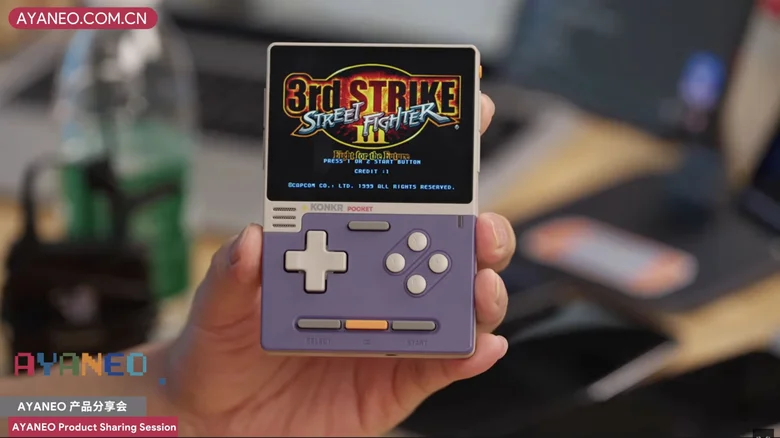
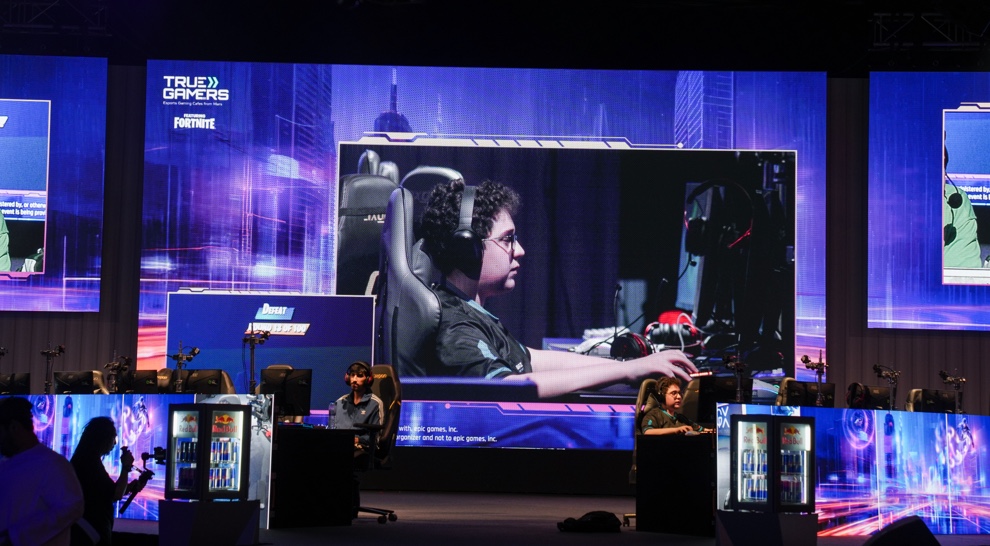
Visitors can expect several defined areas. The Neo Tokyo District draws on cyberpunk and anime aesthetics for photo opportunities and themed installations. An indoor laser tag arena provides structured team gameplay, while a motorsport zone includes racing simulators and vehicle displays. Returning features include a main stage for tournaments and showcases, a sizable gaming district with PC and console stations, a family-oriented section with activities for younger attendees, a retro arcade featuring classics like Pac-Man and Tetris, and food zones with multiple vendors. The cosplay championship returns with a prize pool of AED 50,000, and a creative marketplace highlights local artists and merchandise.
Dubai has positioned itself as a regional hub for esports and interactive entertainment since the festival launched in 2022. This aligns with broader trends: global gaming continues to evolve from niche hobby to mainstream cultural force, with the Middle East investing heavily in infrastructure and events to attract both talent and tourism. GameExpo 2026 benefits from this momentum but faces the same challenges seen in similar large-scale gatherings elsewhere—balancing spectacle with substance. Expanded zones and brand activations bring energy, yet the reliance on sponsorships and prize draws can sometimes overshadow the core appeal of simply playing and connecting.
The event reflects Dubai’s long-term strategy to diversify beyond traditional tourism, using festivals to create year-round appeal. In a crowded global events landscape, its success will depend on execution rather than size alone. Those planning to attend should consider the full weekend format, as crowds are likely to build quickly around tournaments and special activities.
GameExpo 2026 takes place at a time when the industry itself is maturing. What began as enthusiast meet-ups have become polished productions that blend competition, nostalgia, and consumer culture. This edition appears set to continue that trajectory, offering accessible entry points for newcomers while catering to more experienced fans.