
Apple is reportedly preparing to open its CarPlay platform to third-party AI assistants, a move that could significantly broaden how drivers interact with in-car software. According to people familiar with the matter who spoke to Bloomberg, Apple is working on a framework that would allow AI apps such as ChatGPT, Google Gemini, and Claude to function directly within the CarPlay environment.
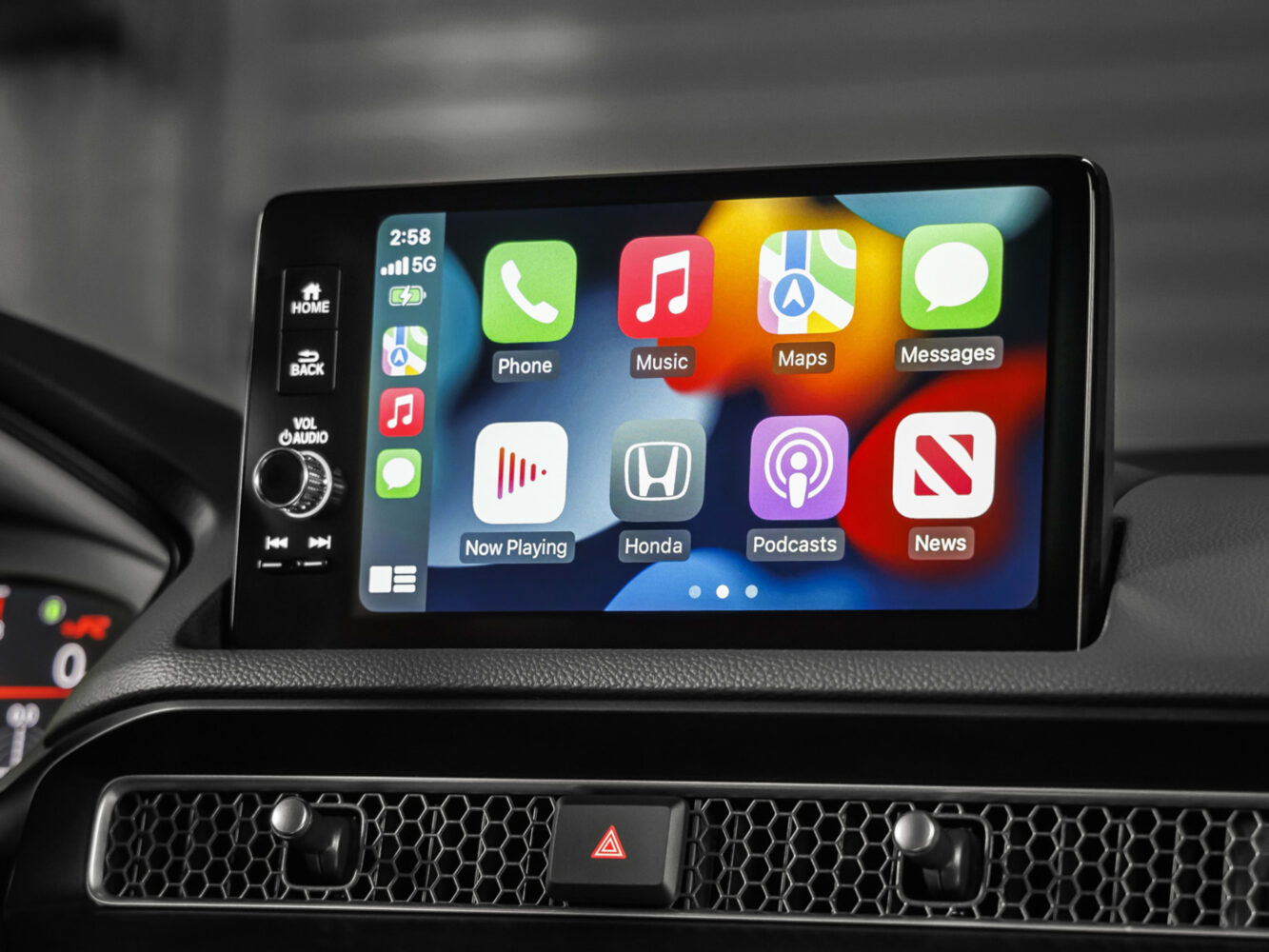
At present, CarPlay supports a limited and tightly controlled set of apps, primarily focused on navigation, audio, messaging, and calls. Apple’s own voice assistant, Siri, acts as the primary interface for hands-free interaction. While users can technically access other AI tools through their phones, doing so typically requires leaving CarPlay or relying on awkward workarounds. Native support for third-party AI apps would remove much of that friction, allowing drivers to request information, recommendations, or summaries without breaking the CarPlay experience.
The potential appeal is straightforward. Drivers dissatisfied with Siri’s responses could turn to alternative assistants for tasks like finding nearby restaurants, planning stops on a road trip, or answering general questions while on the move. Importantly, this would all happen within Apple’s existing CarPlay design language, rather than through mirrored phone screens or separate apps running in the background.
That said, the reported integration comes with notable constraints. According to Bloomberg’s Apple-focused reporter Mark Gurman, Apple does not plan to let users replace Siri as the default voice assistant in CarPlay. The physical or on-screen Siri button and the wake phrase that activates it would remain unchanged. Instead, users would need to manually open third-party AI apps within CarPlay before issuing voice commands, preserving Apple’s control over the core interface.
This development would arrive alongside other changes to Apple’s in-car strategy. Bloomberg has also reported on the gradual rollout of CarPlay Ultra, a more expansive version of the platform that extends beyond infotainment screens to instrument clusters and vehicle controls. CarPlay Ultra is already available in some models from Aston Martin and is expected to appear in at least one model from Kia or Hyundai in 2026.
The broader automotive landscape remains divided on Apple’s in-car software. Tesla, long resistant to CarPlay, is reportedly exploring support for the system, while others remain skeptical. Executives at Rivian have emphasized keeping software development in-house, and leadership at General Motors has previously raised concerns about driver distraction.
If Apple does move forward with third-party AI integration, it would represent a cautious but meaningful expansion of CarPlay’s capabilities. Rather than ceding control, Apple appears intent on offering more choice while maintaining strict boundaries—an approach consistent with how the company has historically balanced openness and oversight across its platforms.