
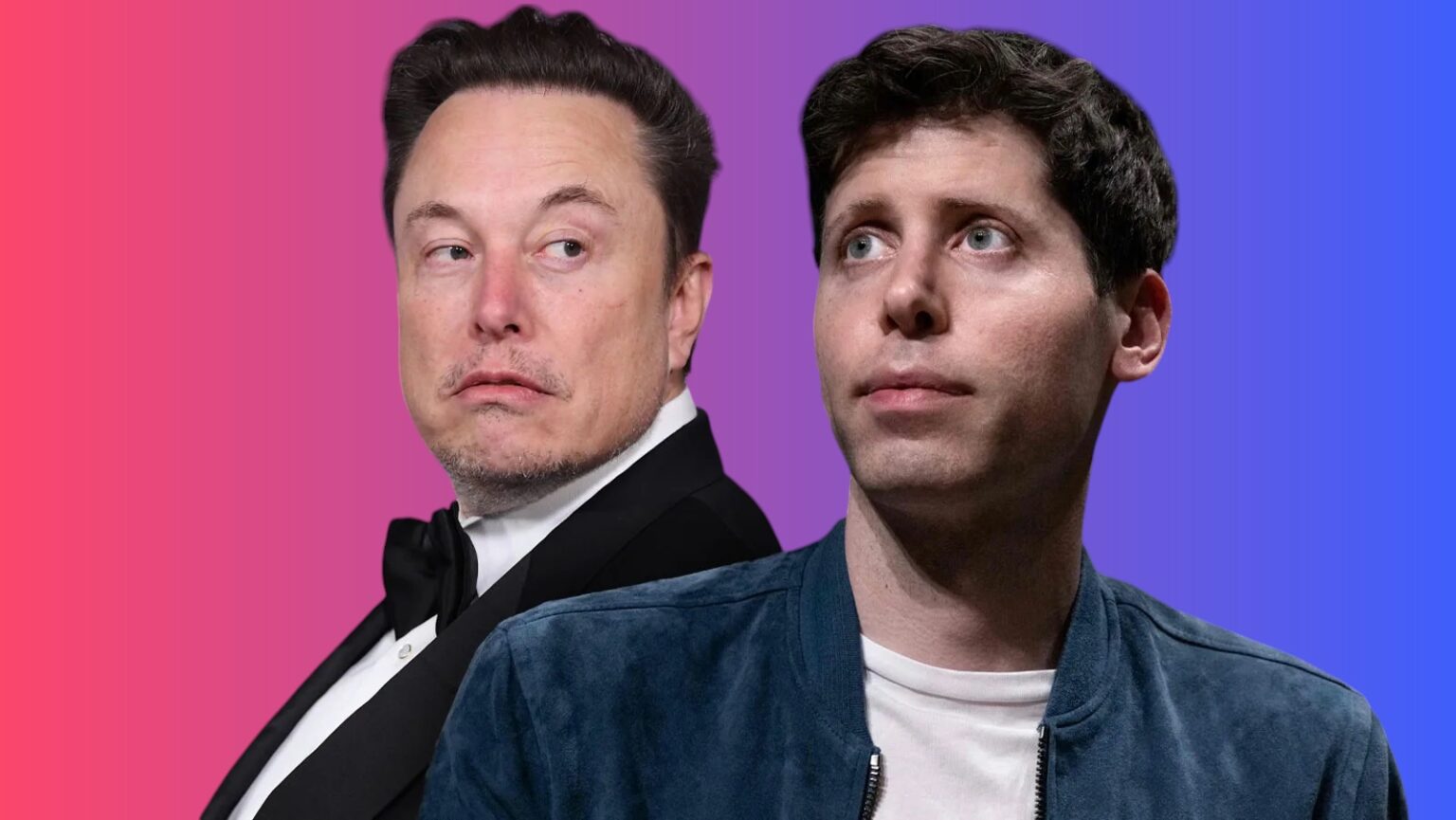
A high-stakes drama is unfolding in the world of artificial intelligence, as Elon Musk and a group of investors made a bold attempt to acquire OpenAI, the prominent AI research company. Their unsolicited bid of $97.4 billion, however, was swiftly rejected by OpenAI’s CEO, Sam Altman, setting the stage for a complex battle over the direction of AI development.
Musk’s stated intention behind the bid was to steer OpenAI back toward its original mission: to be an open-source, safety-focused organization dedicated to the betterment of humanity. This vision contrasts sharply with OpenAI’s recent transition towards a for-profit model, a move that has drawn criticism from Musk and others. Altman responded to Musk’s offer with a playful counter-offer on social media, suggesting that OpenAI might be interested in acquiring Twitter for a fraction of what Musk paid for it. This exchange highlights the tension and rivalry between the two tech leaders.
The substantial bid was reportedly backed by Musk’s own AI startup, xAI, with the possibility of a merger should the acquisition succeed.Other notable investors were said to be involved, including Valor Equity Partners, Baron Capital, Atreides Management, Vy Capital, Joe Lonsdale’s 8VC, and Ari Emanuel. However, confirming the participation of all these parties has proved challenging.
The motivations behind Musk’s bid are multifaceted and open to interpretation. Some speculate that it’s a genuine attempt to reshape OpenAI’s trajectory, while others suggest it’s a strategic move to raise awareness about the company’s shift to a for-profit structure. Regardless of the underlying reasons, Musk’s actions have undoubtedly thrown a wrench into OpenAI’s plans and ignited a broader discussion about the ethical and economic implications of AI development.
A key point of contention is OpenAI’s transition from a non-profit to a for-profit entity. Critics, including Musk, argue that this move compromises the company’s commitment to open-source principles and raises concerns about potential conflicts of interest. They assert that such a significant decision, with implications for the public good, should not be driven solely by internal negotiations. A more transparent and open process, they contend, is necessary to ensure that the public’s interests are protected.
The feud between Musk and Altman dates back to OpenAI’s early days. Musk has accused the company of abandoning its original charter and prioritizing profit over safety and openness. OpenAI, in turn, has dismissed these claims, suggesting that Musk’s criticisms stem from a failed attempt to bring OpenAI under the umbrella of his electric car company, Tesla.
OpenAI’s journey from a non-profit to a multi-billion dollar enterprise has involved significant investments from companies like Microsoft. Microsoft’s substantial financial stake has raised concerns about potential market dominance in the AI sector, prompting scrutiny from regulatory bodies like the Federal Trade Commission. Meanwhile, rumors of even larger investments, potentially from firms like SoftBank, continue to circulate, underscoring the intense competition and financial stakes involved in the rapidly evolving AI landscape.
The recent restructuring of Microsoft’s deal with OpenAI, allowing the AI company to utilize cloud services from competing providers, adds another layer of complexity to the situation. This move, coupled with announcements of joint ventures involving OpenAI, SoftBank, and Oracle to build massive data centers, signals a dynamic and competitive market with significant implications for the future of AI.
The battle for OpenAI is more than just a corporate squabble. It reflects fundamental disagreements about the direction of AI research and development, the balance between profit and public good, and the role of open-source principles in shaping the future of technology. As AI continues to transform industries and societies, these debates will only intensify, making the unfolding drama at OpenAI a crucial story to watch.