
TL;DR: The HONOR 600 is a surprisingly well-balanced smartphone that focuses on what actually matters: a genuinely impressive 200MP camera, ridiculously good battery life, and AI features that are actually fun to use instead of feeling like tech demos. It’s not the most powerful phone out there, but it nails the everyday experience so well that you probably won’t care.
HONOR 600
I went into the HONOR 600 expecting a trimmed-down version of the Pro—a classic mid-cycle compromise where you lose the fun stuff and keep the marketing buzzwords. What I didn’t expect was a phone that feels oddly confident about what it is. This isn’t trying to cosplay as an ultra-premium device. It’s more like that one character in a heist movie who doesn’t talk much but ends up being the most reliable person on the team.
And honestly, after spending time with it, I kind of respect that.
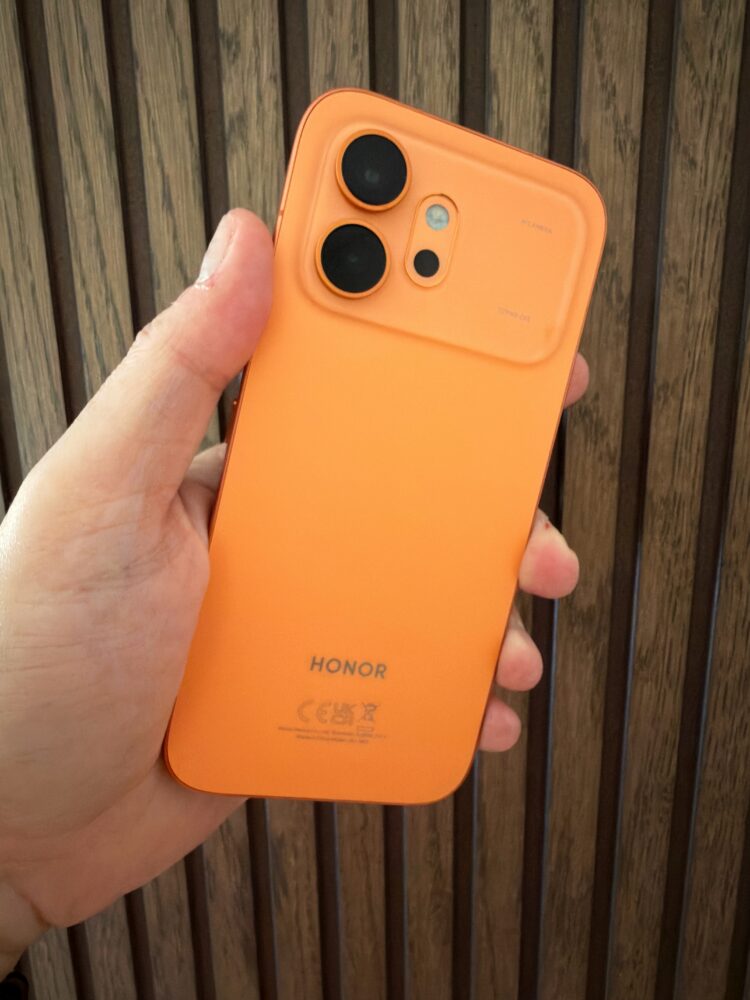
The HONOR 600 doesn’t scream for attention. It just… works. But once you dig in, especially into its camera system and AI features, you start realizing this thing has more personality than the spec sheet initially lets on.
Let’s break it down.
Design and display: curves, colors, and confidence
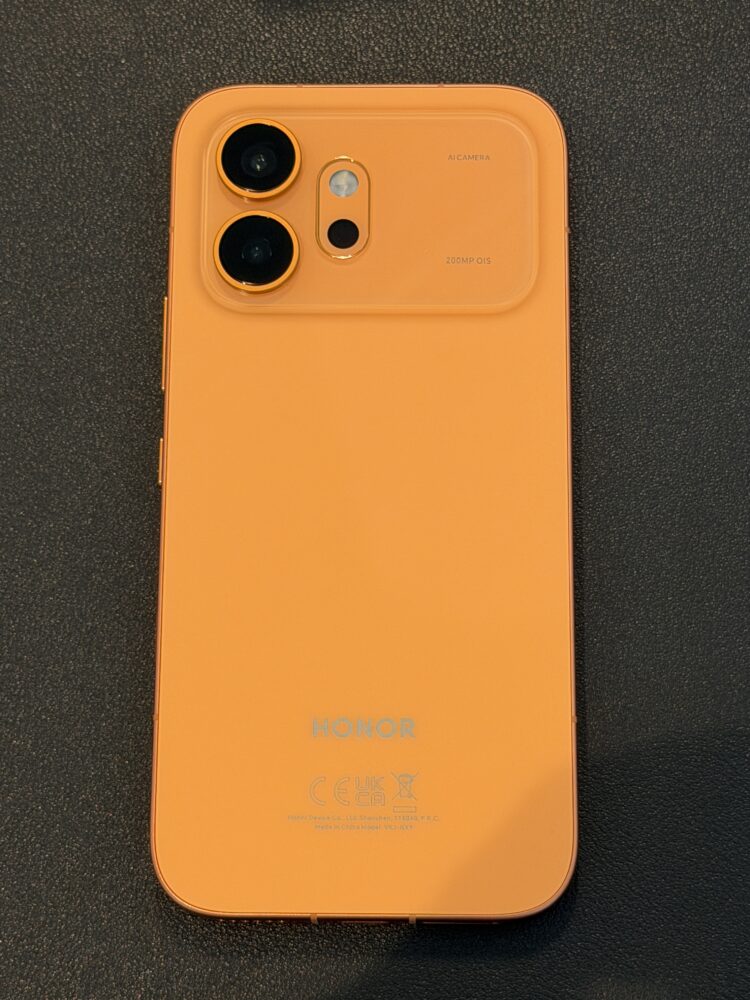
The first thing I noticed when I picked up the HONOR 600 is how unapologetically sleek it feels. The curved edges are aggressive in that “we want this to feel futuristic” kind of way, but thankfully not so extreme that accidental touches become your daily villain arc.
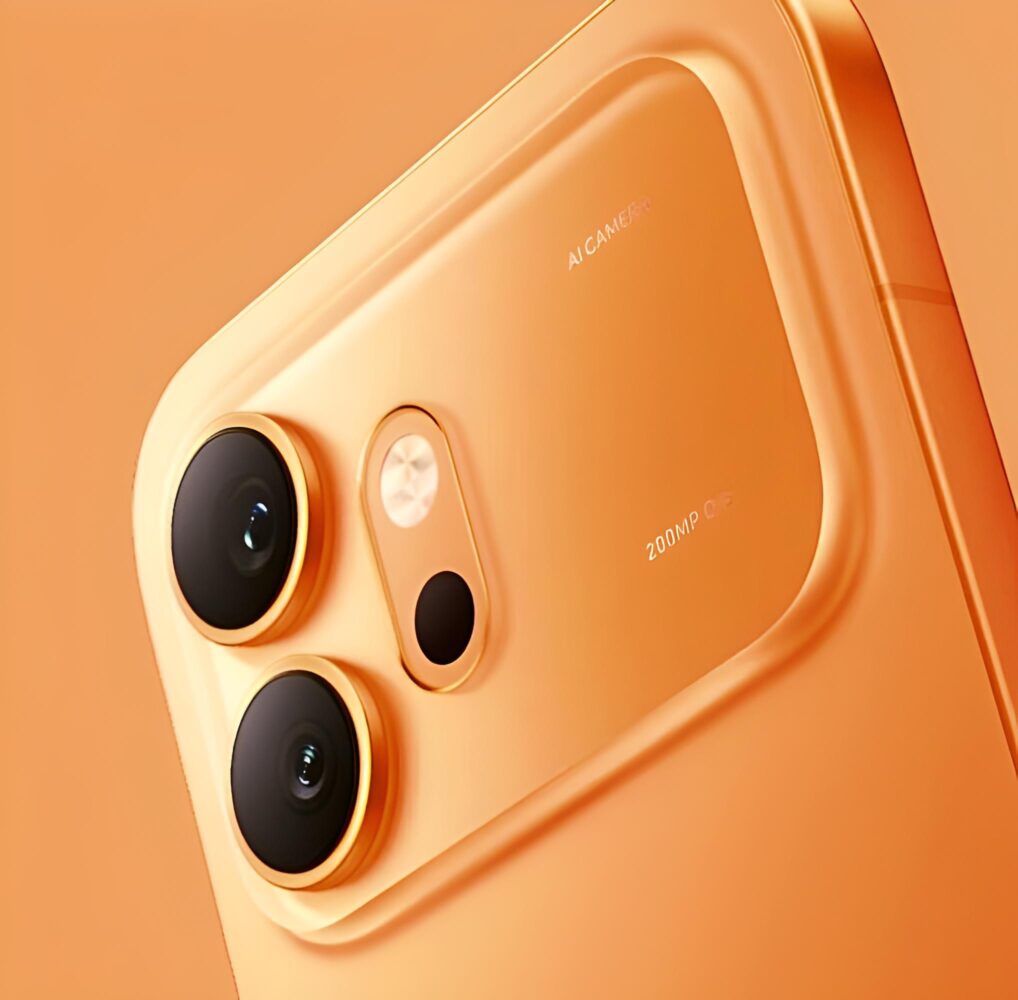
The color options—Black, Golden White, and Orange—are clearly designed to stand out in a sea of grayscale slabs. The Golden White variant in particular has this subtle shimmer that feels like someone tried to bottle sunlight and pour it into glass. It’s flashy without being obnoxious, which is a fine line most brands trip over.
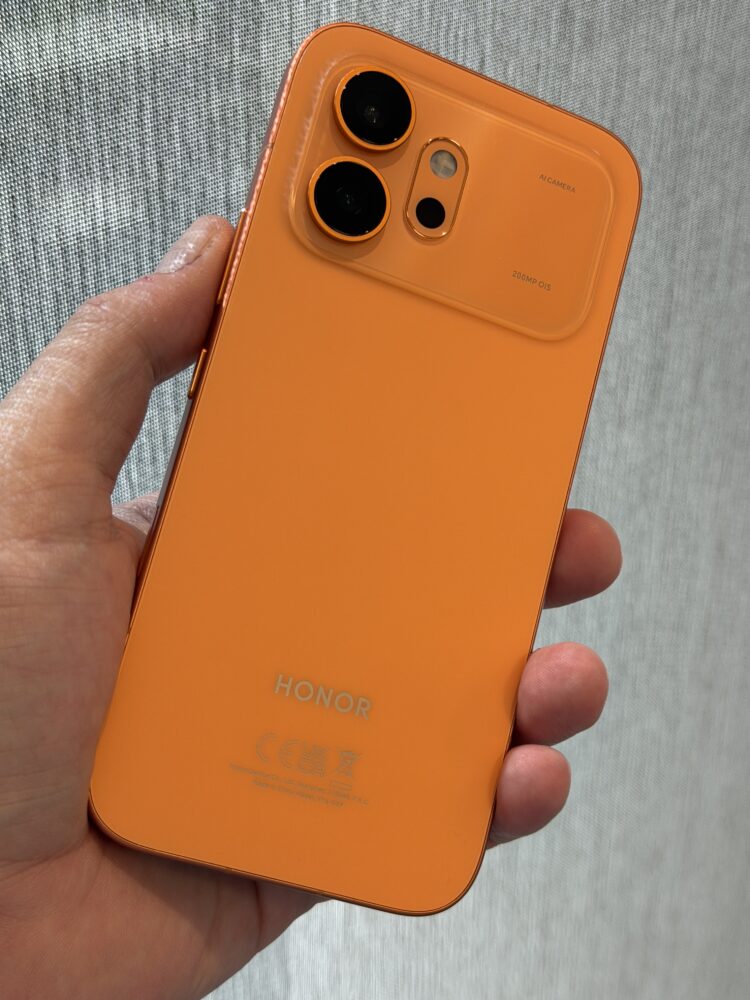
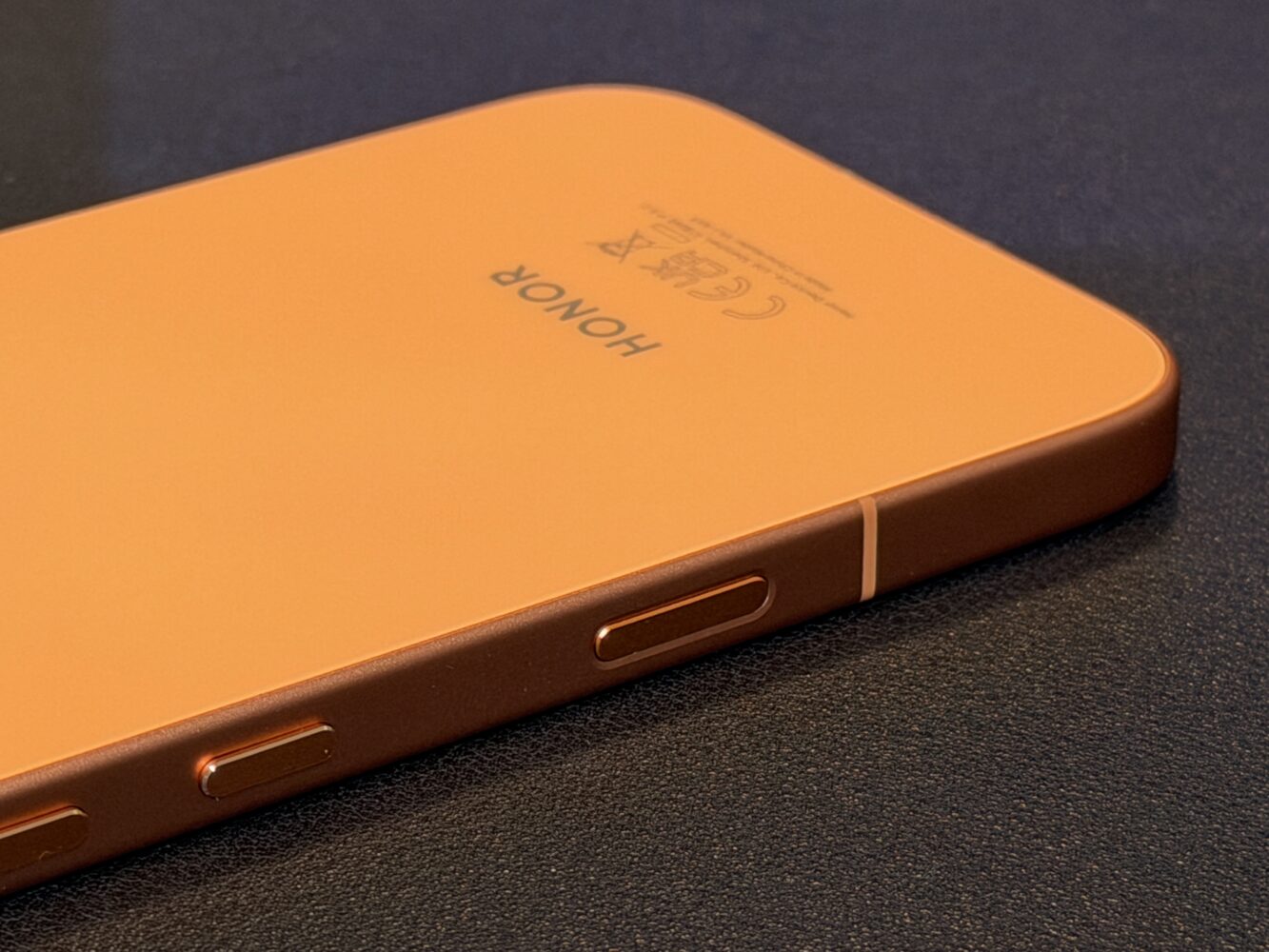
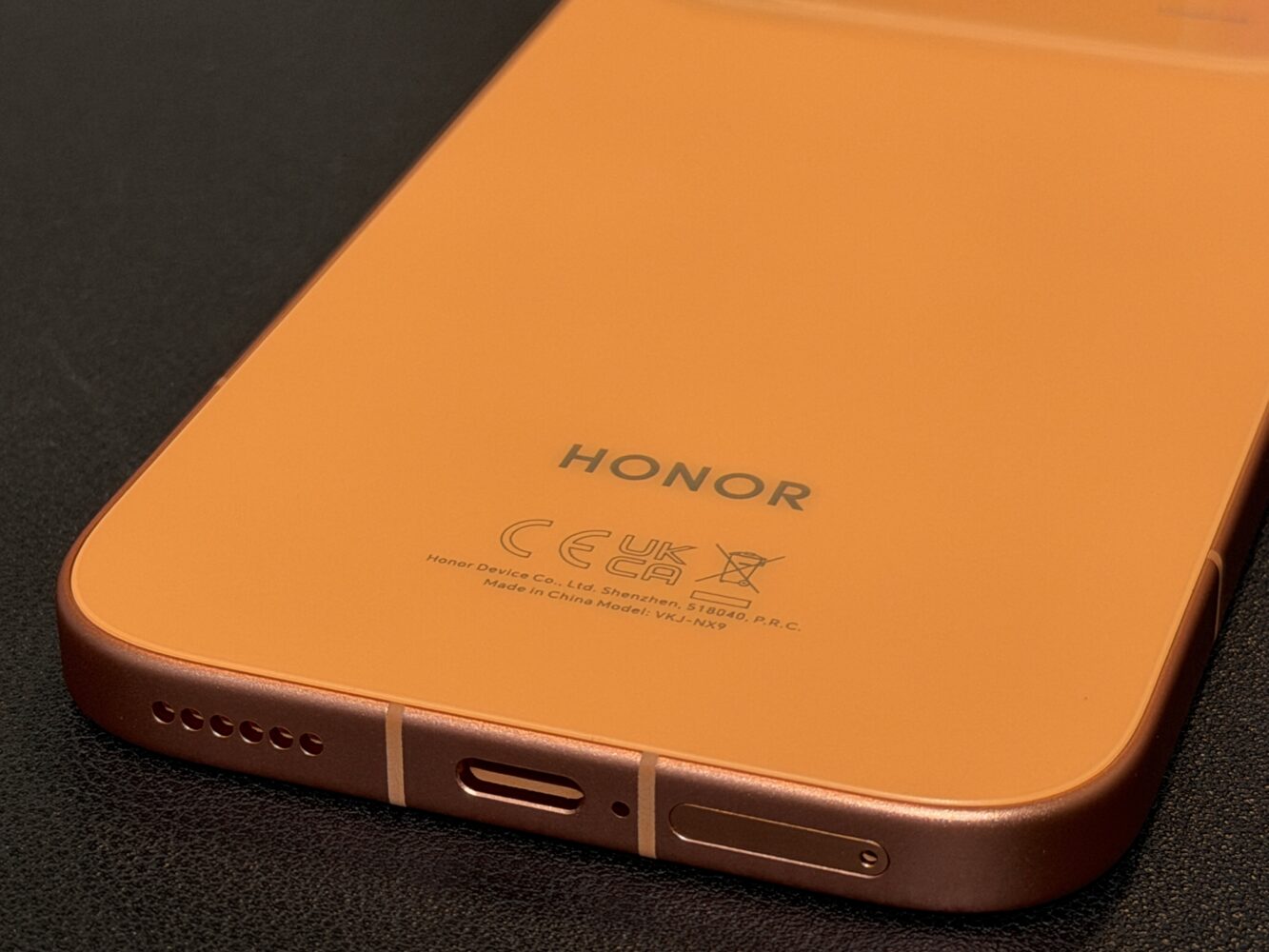
The display itself is where things get interesting. You’re looking at a 120Hz panel with ultra-narrow bezels and a resolution of 2728 x 1264. It’s bright, smooth, and sharp enough that you’ll forget pixel peeping is even a thing. HDR support makes Netflix sessions feel legitimately cinematic, and the curvature adds a sense of immersion—even if it’s mostly psychological.
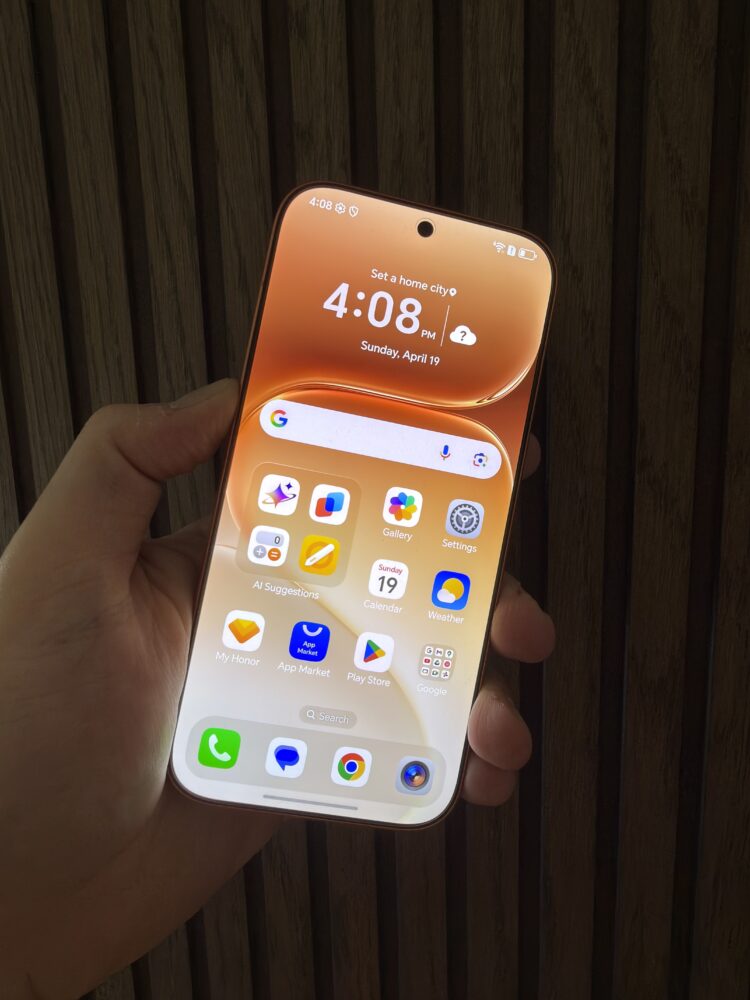
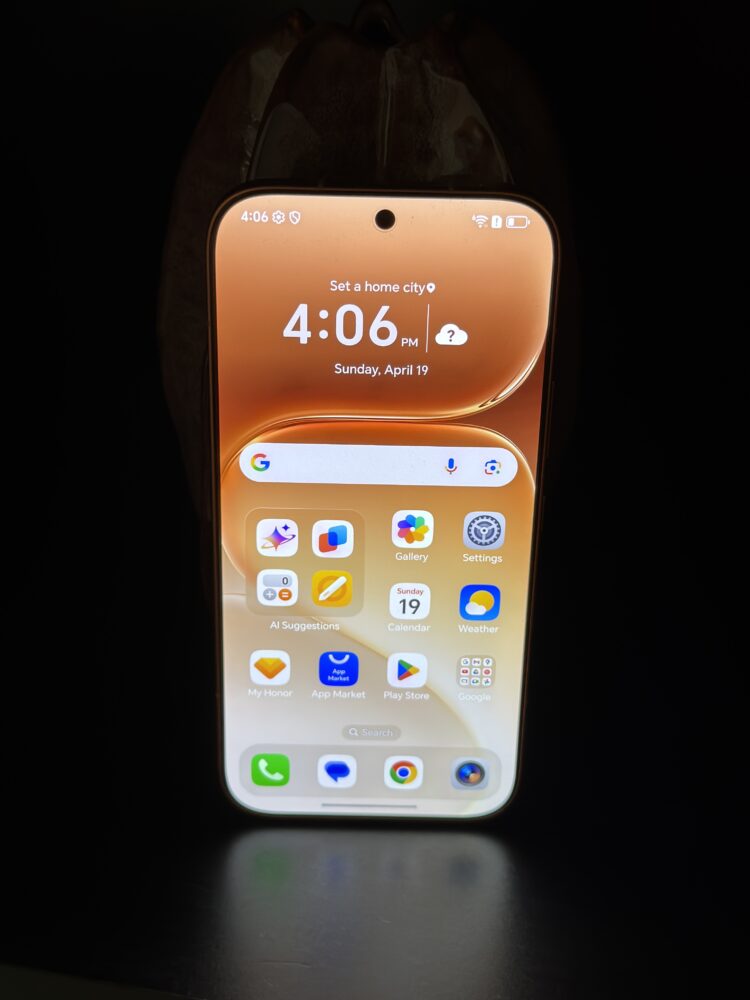
There’s also 3840Hz PWM dimming, which sounds like a spec sheet flex until you realize your eyes don’t feel like they’ve gone through a boss fight after long scrolling sessions. Subtle, but appreciated.
Performance: not a beast, but no slouch either
Let’s sit with this for a second, because this is where most people will make up their mind about the HONOR 600 before even touching it.
On paper, the Snapdragon 7 Gen 4 doesn’t exactly scream “flagship killer.” It’s not the kind of chip that gets tech Twitter arguing in threads or makes benchmark charts look like a mountain range. But here’s the reality after actually living with the phone: performance here is less about brute force and more about consistency, and that changes the conversation entirely.
Day-to-day use feels… stable. Not flashy, not over-the-top, just reliably fast in a way that fades into the background—which is honestly what you want. Apps launch quickly, animations are fluid, and switching between multiple apps doesn’t trigger that subtle panic where you’re waiting to see if something reloads or crashes.
I pushed it a bit harder than a normal user probably would. Split-screen multitasking, camera processing, social apps running in the background, and a couple of games bouncing between sessions. The phone handled it all without breaking character. It’s not trying to impress you with spikes of speed—it’s trying to avoid slowing down, and it succeeds.
Gaming is where things get interesting. You can run PUBG at high frame rates, and while you’re not hitting ultra-flagship performance ceilings, the experience is smooth enough that you don’t feel like you’re compromising. Thermal management is surprisingly controlled too. The phone warms up, sure, but it doesn’t hit that uncomfortable “why is my phone becoming a toaster?” phase that some midrange devices fall into.
Camera: the 200MP flex that actually matters
I’ll be honest—whenever I see “200MP” slapped onto a phone, my first instinct is skepticism. We’ve been burned before. Big numbers don’t always translate to better photos; sometimes they just translate to bigger file sizes and disappointment.
But the HONOR 600 surprised me.
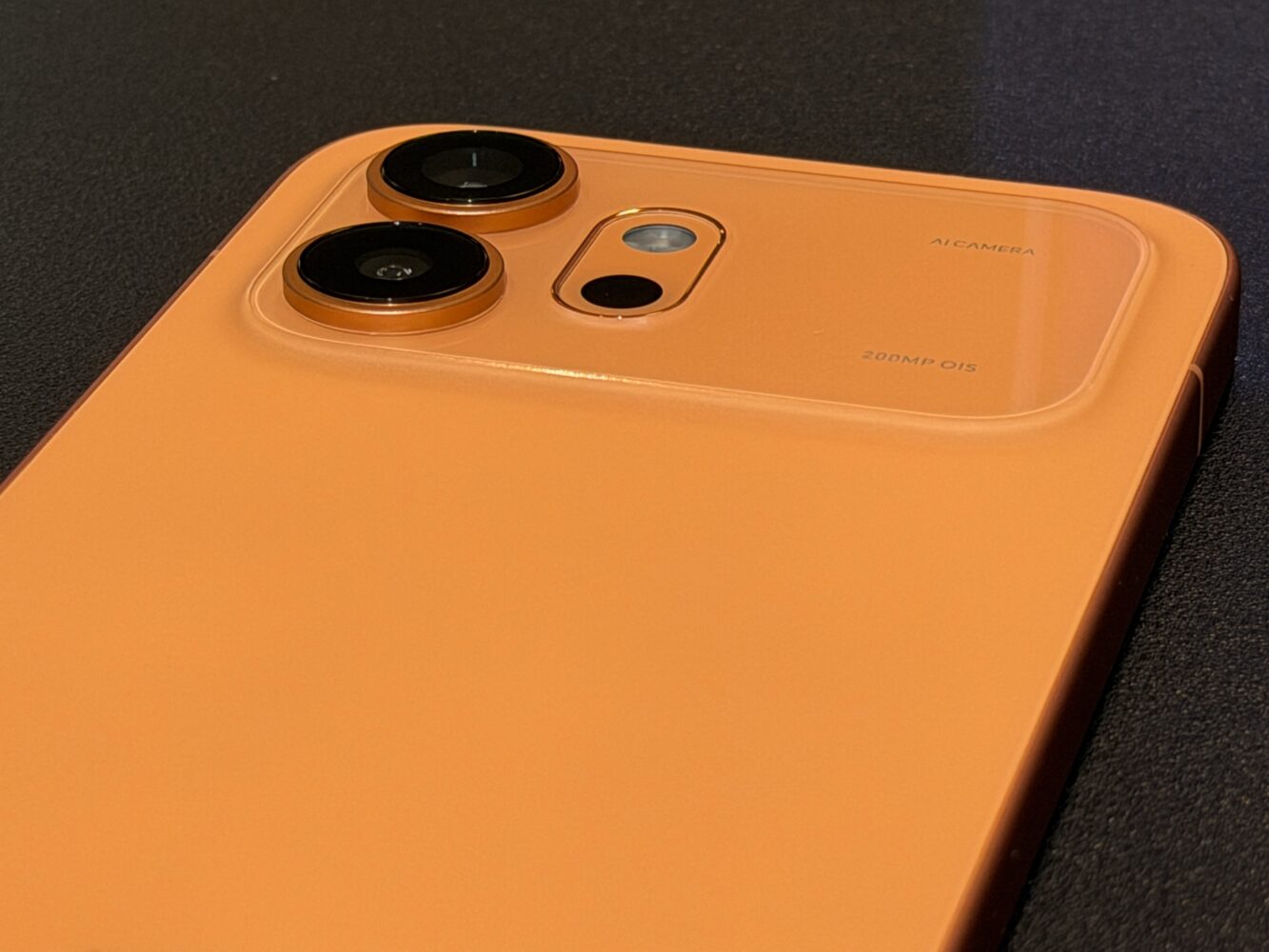
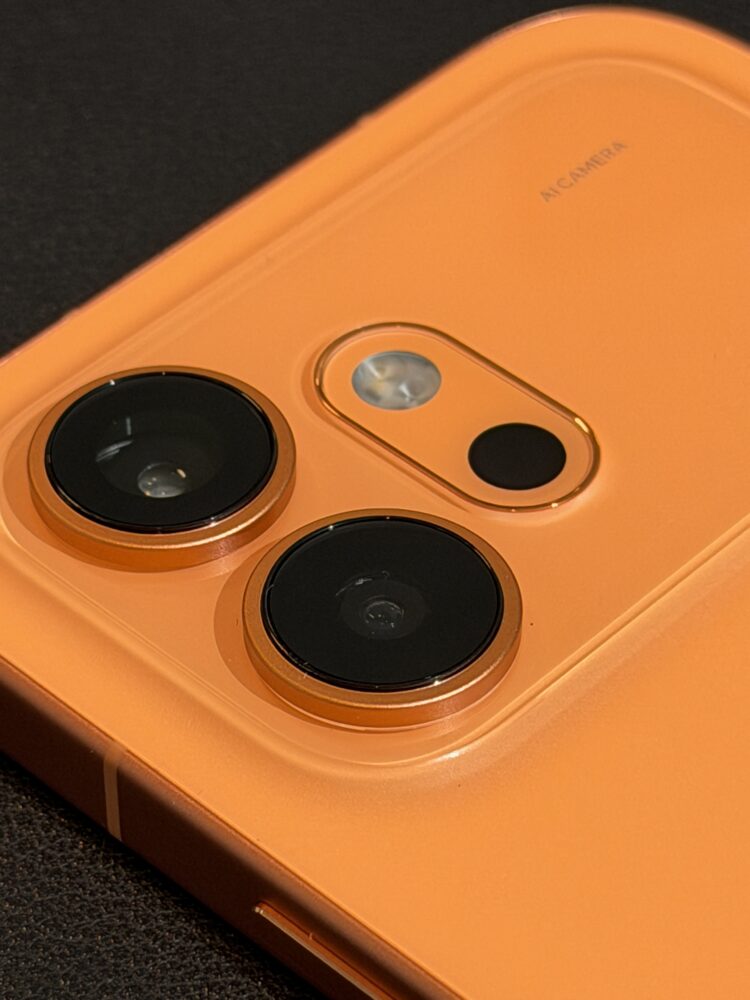
The 200MP sensor here isn’t just about resolution—it’s about flexibility. By default, you’re getting pixel-binned images that balance detail, dynamic range, and light sensitivity, and the results are consistently impressive. Photos come out sharp without looking artificially overprocessed, and there’s a natural balance that’s hard to fake.
Where things really click is in challenging conditions.
Low-light photography is where this camera starts flexing in a meaningful way. The larger 1/1.4-inch sensor combined with AI-driven processing pulls in more light than you’d expect at this price point. Night shots retain detail without turning into a noisy mess, and highlights—like streetlights or neon signs—don’t blow out into oblivion.
What I appreciate most is restraint. The AI doesn’t go overboard trying to “fix” everything. Skin tones stay natural, shadows aren’t aggressively lifted into that flat HDR look, and the overall image still feels like a photograph instead of a processed render.
AI-driven Night Shots








Portrait mode deserves a shout too. Edge detection is clean, background separation is believable, and there’s a depth to the images that doesn’t feel artificially layered. It’s not DSLR-level, obviously, but it’s good enough that you won’t feel the need to retake shots over and over.
Zoom is handled through AI-assisted digital processing, up to 30x. Now, let’s be realistic—you’re not getting periscope-level clarity here. But up to mid-range zoom levels, the results are usable, sometimes surprisingly so. The AI sharpening helps retain detail, though it can occasionally lean into that slightly processed look if you push it too far.
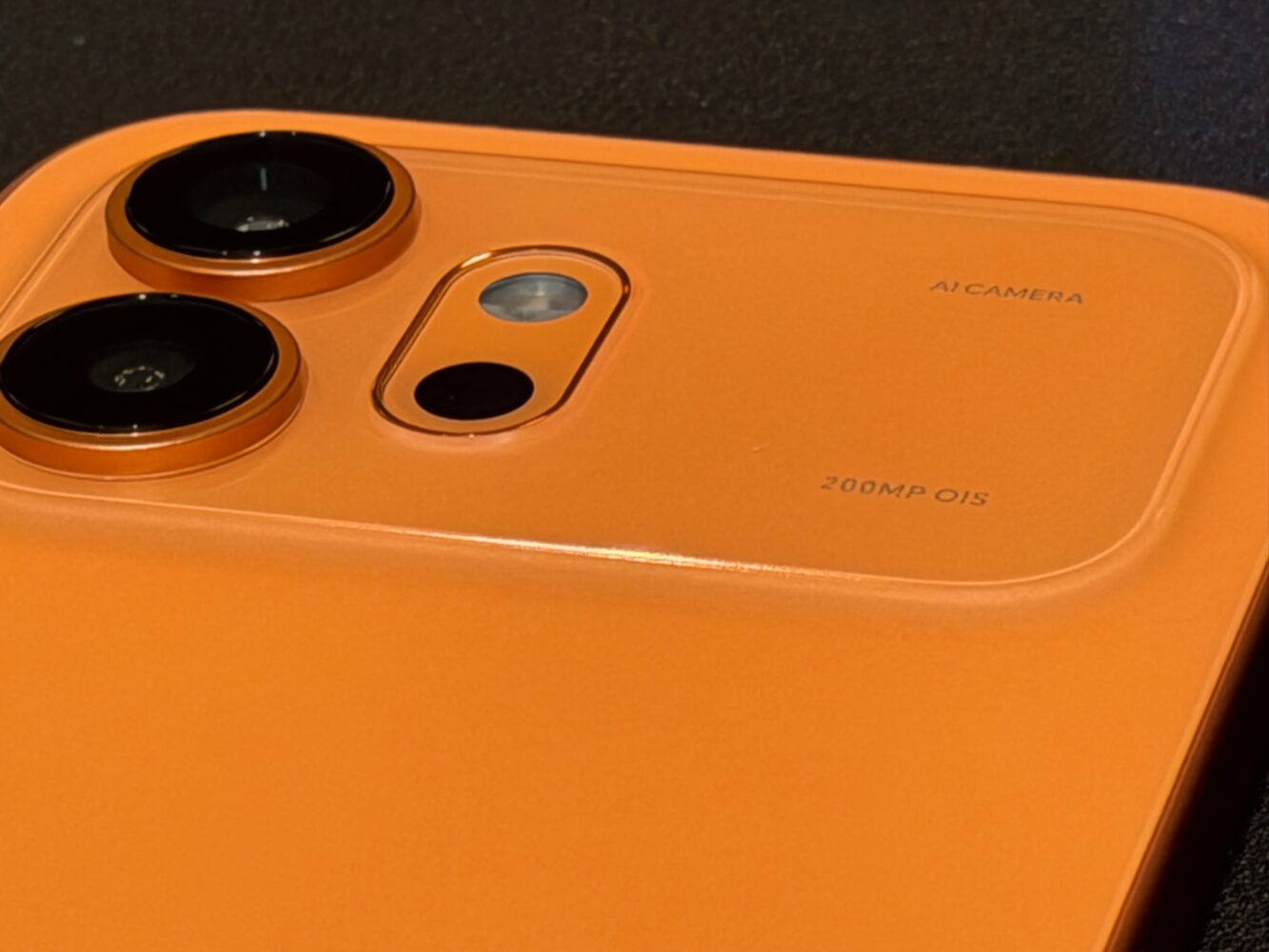
The ultra-wide camera is decent, doing its job without stealing the spotlight. It’s consistent in color with the main sensor, which is more important than people realize. Nothing kills a photo set faster than mismatched tones between lenses.
And then there’s the front camera. The 50MP shooter delivers crisp selfies with solid dynamic range. Even in tricky lighting—like a bright sky behind you—it manages to balance exposure well, which is something a lot of phones still struggle with.
Overall, the camera system feels intentional. It’s not just about throwing a massive sensor into the mix; it’s about making sure every shot you take looks good without requiring effort. And that’s exactly what most people want.
Photo Gallery














Software and AI creative editor 2.0: fun, weird, and surprisingly addictive
Software is usually where phones like this either shine or quietly sabotage themselves. Thankfully, the HONOR 600 lands on the right side of that equation.
MagicOS feels polished in a way that earlier versions didn’t. It’s not stock Android clean, but it’s far from cluttered. Navigation is straightforward, settings are easy to find, and nothing feels unnecessarily buried. You get a bit of visual flair, but it doesn’t come at the cost of usability.
Enter AI creative editor 2.0. This is where the HONOR 600 stops being “just another smartphone” and starts feeling like a creative gadget that accidentally happens to make calls.
I’ll admit, I went into AI Creative Editor 2.0 expecting the usual checkbox features. You know the type—overhyped tools that look great in a keynote but end up buried three menus deep, never to be touched again. But this… this actually stuck with me.
The headline feature, Image to Video 2.0, is the kind of thing that sounds ridiculous until you try it. You take a still image—or multiple images—feed in a prompt, and the phone generates a short video clip. That alone isn’t new in 2026, but the way HONOR executes it makes a difference.
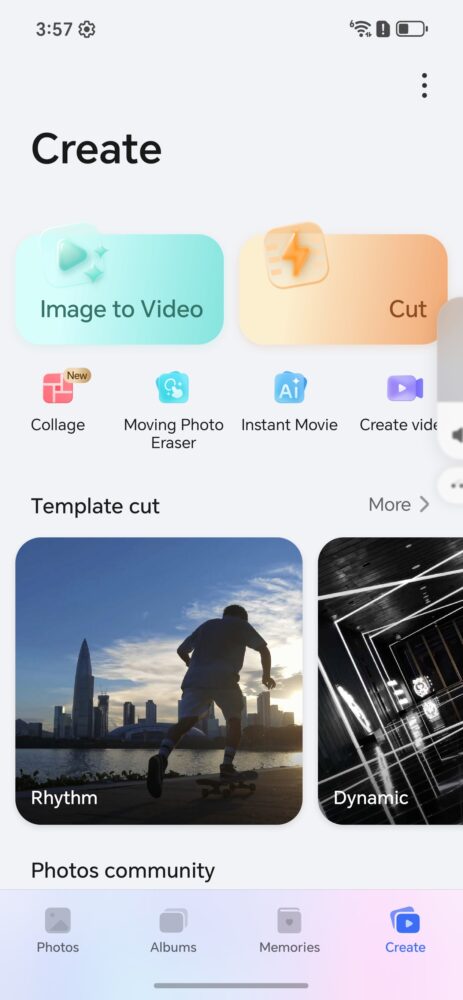

You’re not locked into rigid templates. You can go freestyle with prompts, which means you can get oddly specific with what you want. I tried everything from “cinematic drone-style reveal” to “dramatic facial transition between frames,” and while the results weren’t always perfect, they were consistently interesting. It feels less like using a feature and more like collaborating with a slightly chaotic AI editor that occasionally surprises you with something brilliant.

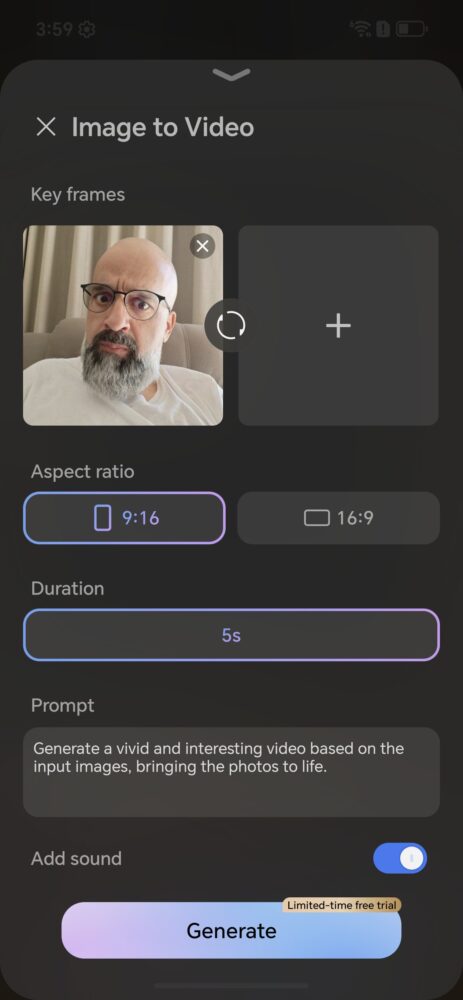


The fact that you can combine multiple images into a short narrative clip is where it really clicks. Suddenly, your random gallery shots start turning into mini storyboards. It’s not quite Pixar, but it’s far beyond the typical “add music and transitions” slideshow tools we’ve been stuck with for years.
Here’s the video outcome
Then there’s the quieter stuff—the features that don’t scream for attention but end up being used way more often.
The Moving Photo Eraser is one of those. It lets you clean up distractions in live photos, and while that sounds like a small thing, it’s incredibly satisfying. There’s something oddly therapeutic about removing a random passerby or background clutter without ruining the moment. It’s the kind of tool you don’t think you need until you start using it regularly.
Magic Color is another sleeper hit. One tap, and your image gets a noticeable boost in vibrancy and tone without tipping into that oversaturated, Instagram-filter nightmare. It walks a fine line between enhancement and exaggeration, and most of the time, it lands on the right side.
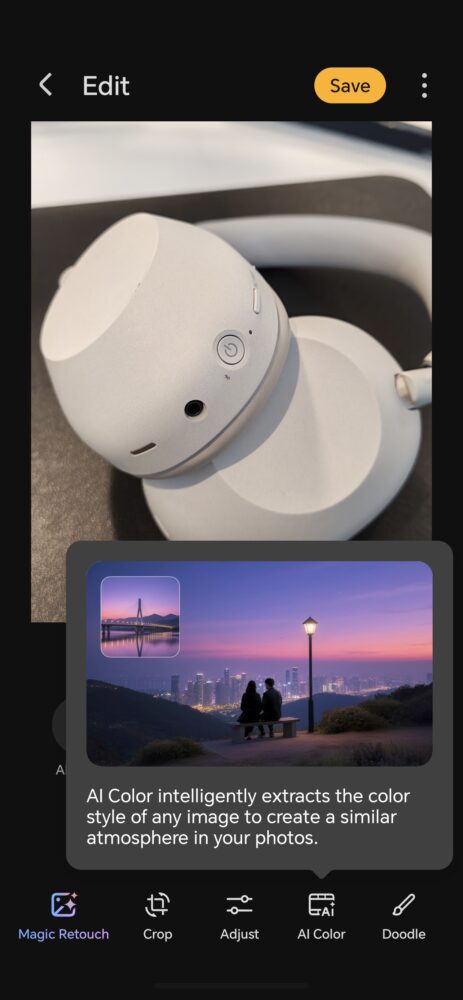
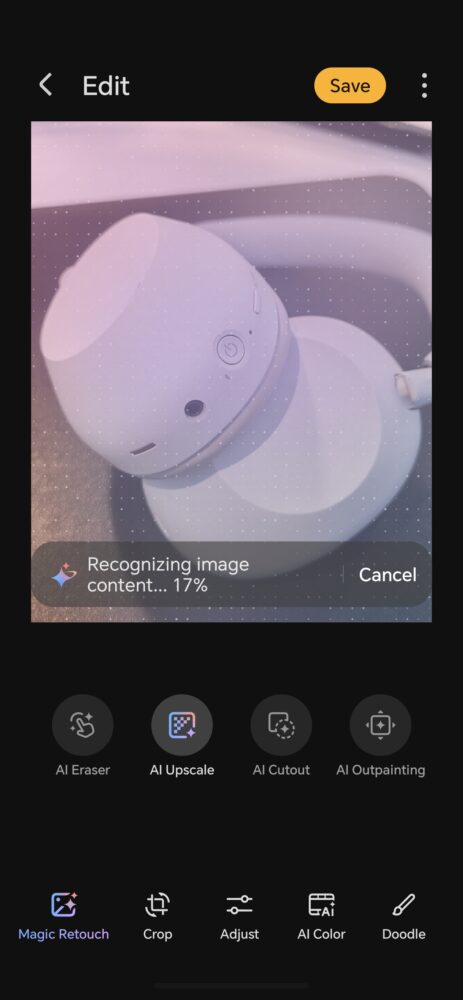
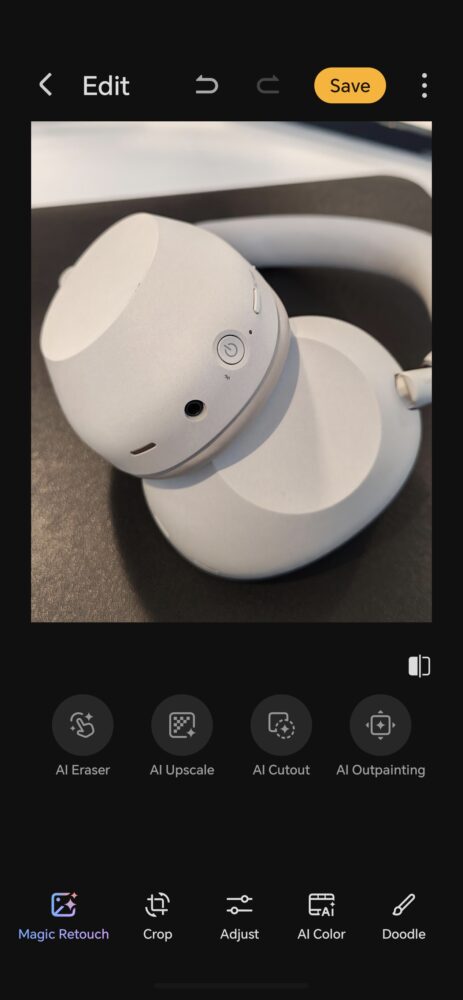
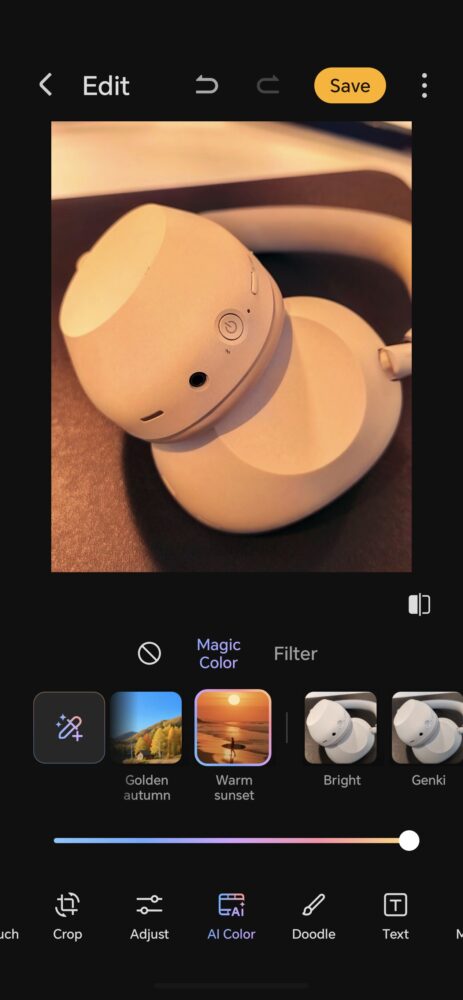
There’s also this broader sense that HONOR designed these tools for people who don’t want to learn editing—they just want results. You’re not adjusting curves or tweaking exposure sliders. You’re tapping, prompting, and letting the system do the heavy lifting.
And that’s the real win here.
AI Creative Editor 2.0 doesn’t try to replace professional tools, and it doesn’t pretend to. What it does is lower the barrier to creativity so much that you actually feel like experimenting. You start off testing a feature, and before you know it, you’re digging through your gallery looking for photos to transform just to see what happens.
Is it perfect? No. Sometimes the AI gets a bit too ambitious, and results can lean into that uncanny valley territory. But honestly, that unpredictability is part of the charm.
Battery life: the real MVP
Let’s talk about the 7000mAh battery. Yes, you read that right.
This thing is an absolute tank.
I consistently got through a full day and then some without even thinking about charging. Heavy use, camera sessions, gaming—it just keeps going. It’s the kind of battery life that makes you forget where your charger is, which is both liberating and mildly concerning.
Charging is fast enough with 80W support, so even when you do need to plug in, it doesn’t feel like a chore.
In a world where most phones barely survive a day, this feels like cheating.
The little things that add up
There are a bunch of smaller details that make the HONOR 600 feel more premium than it technically is.
The IP rating gives you peace of mind against splashes and dust. The build quality is solid. The display curves blend seamlessly into the frame. Even the haptics are decent enough that typing doesn’t feel like tapping on a hollow shell. It’s not perfect, but it’s cohesive. And that matters more than people think.
Final verdict: who is this for?
The HONOR 600 isn’t trying to beat ultra-flagships. It’s trying to be the smartest mid-premium phone in the room.
And it succeeds.
If you care about camera performance, battery life, and creative AI tools, this is an easy recommendation. If you’re chasing raw performance or flagship-level zoom, you might want to look elsewhere.
But for most people? This hits a sweet spot that’s hard to ignore.