
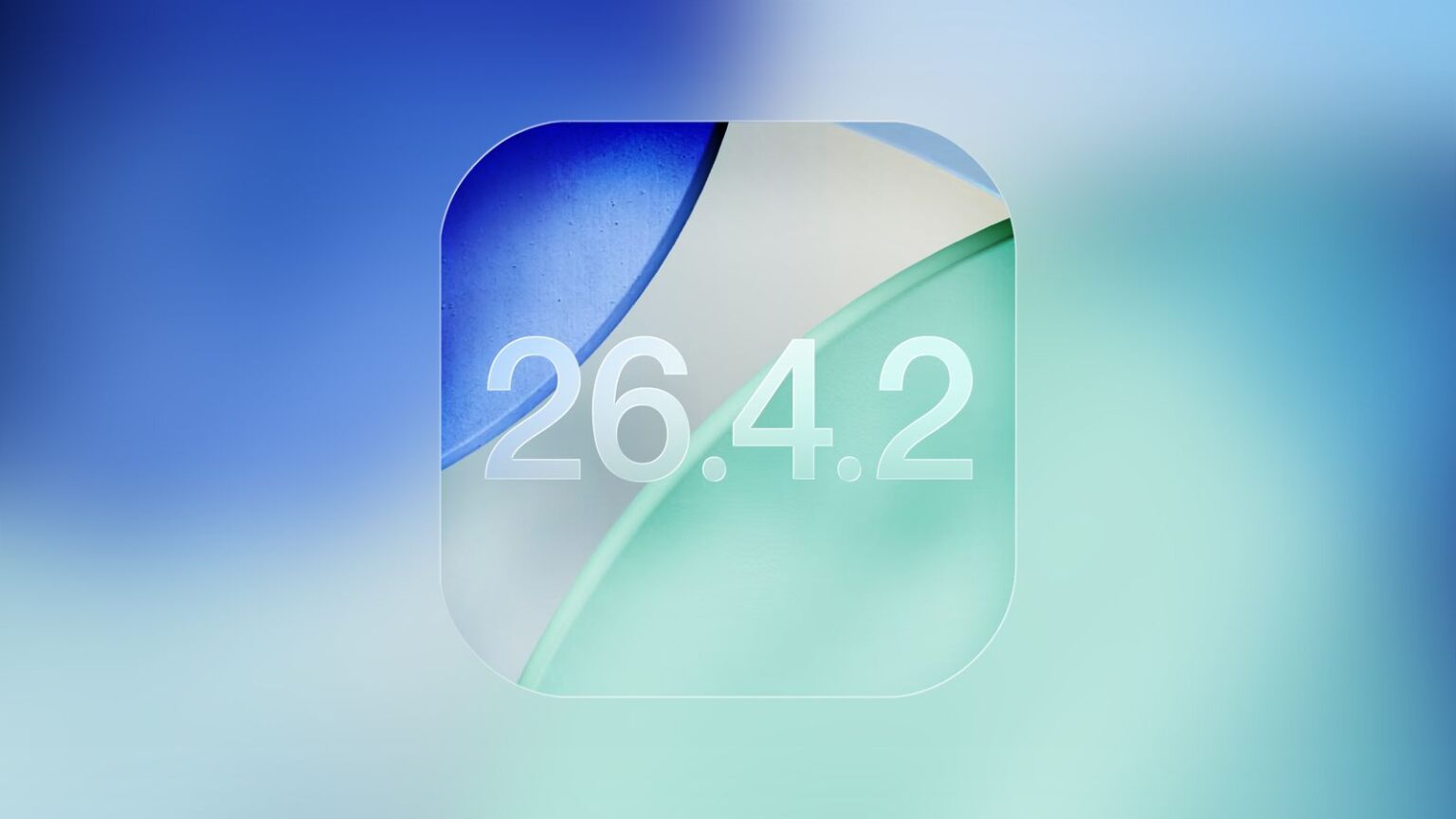
Apple has rolled out iOS 26.4.2 and the corresponding iPadOS 26.4.2 update, a modest point release that arrives amid a period of rapid platform evolution and ongoing security pressures. The build, numbered 23E261, arrives roughly a month after the more substantial iOS 26.4 launch in late March and follows the narrower iOS 26.4.1 fix that addressed lingering performance hiccups. As is typical for these incremental updates, Apple’s official notes remain sparse, mentioning only important bug fixes and security patches without disclosing specific vulnerabilities.
This kind of quiet maintenance release has become a familiar rhythm in Apple’s software cadence. While the company rarely details the exact threats being neutralized, the timing aligns with a broader pattern of addressing newly discovered issues, especially web-based attacks that have targeted iOS devices in recent months. Earlier this month, Apple issued an out-of-band security update for older firmware—iOS 18.7.7—highlighting the persistent challenges of keeping an aging device fleet protected in an environment where exploits can spread quickly.
For most users, the update delivers little visible change, which is precisely the point of these smaller builds: to quietly shore up stability and close potential gaps before they become problems. In an era when smartphones serve as primary gateways to banking, health data, and personal communication, such routine patches matter more than flashy new features. Yet they also underscore the growing complexity of maintaining software across dozens of device generations, each with its own hardware quirks and support timelines.
Users can install the software the usual way—through the Settings app under General > Software Update. Those preferring a manual approach can find IPSW files via trusted firmware archives or tools like the iClarified IPSW Wizard. Meanwhile, developers have already moved on to the next cycle, with the third beta of iOS 26.5 now in testing. That upcoming version is expected to bring further refinements, though early leaks suggest Apple may begin trimming support for older hardware, including the iPhone 11 and second-generation iPhone SE, in the iOS 27 cycle.
The steady drumbeat of these updates reflects both the strengths and the quiet strains of Apple’s ecosystem. On one hand, the company continues to deliver reliable security patches long after many competitors have moved on. On the other, the accelerating pace of major iOS releases—coupled with hardware transitions and leadership changes—places constant pressure on the engineering teams responsible for keeping everything running smoothly across hundreds of millions of active devices.
In the end, iOS 26.4.2 is unlikely to excite anyone, and that is exactly why it exists: a low-key but necessary step in a platform that powers daily life for a vast portion of the connected world. For users on the latest hardware, it is a straightforward recommendation. For those on older models still receiving support, it remains a prudent safeguard against evolving threats.