
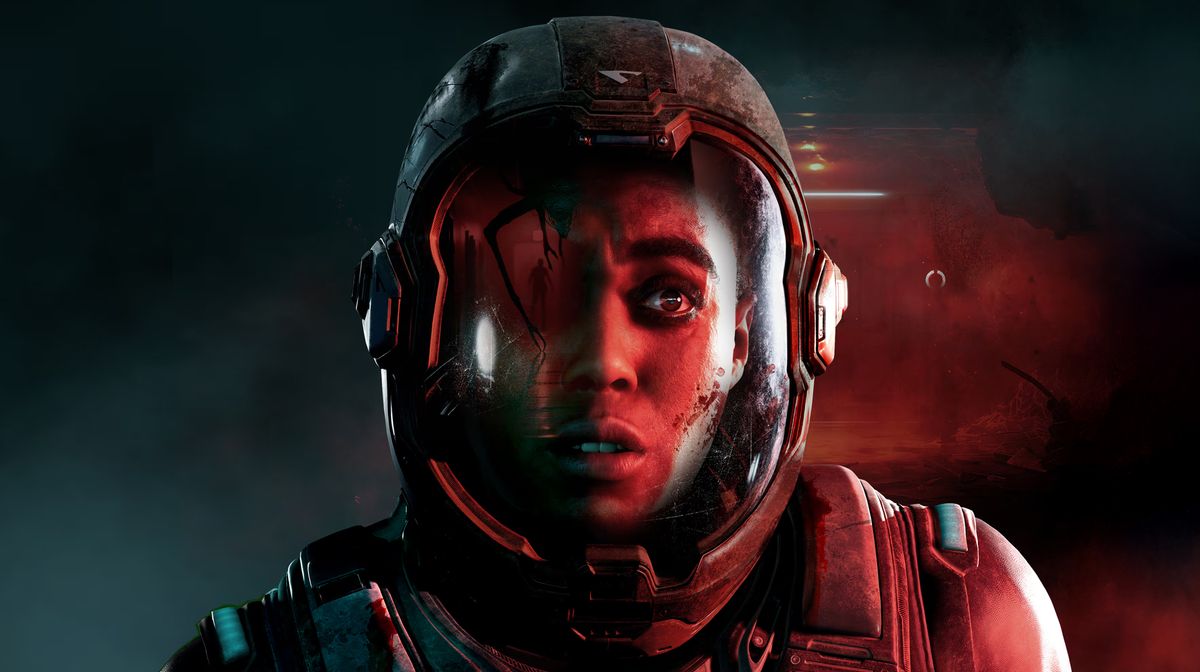
TL;DR: Enjoyable space body-horror with excellent timeline replay features, strong multiplayer paranoia, and creepy creature moments, held back by some repetitive gameplay, uneven acting, and dated tech. Definitely worth playing for fans — a step in the right direction.
Directive 8020
I still get that little rush every time a new Dark Pictures game pops up on my screen. There is something comforting about settling into my gaming chair with snacks nearby, ready to make terrible choices that will haunt a digital crew for the rest of their short lives. Directive 8020 promised to scratch that itch by blasting the formula into deep space with body-snatching aliens and heavy paranoia vibes. I went in excited, controller gripped tight, thinking this could be the one that recaptures the lightning I felt years ago staying up way too late with friends yelling at the TV. What I got was a mixed bag that left me torn between loving the concept and wishing the execution had more polish and soul. Yet the good parts kept pulling me back in, and by the end I realized this entry still has plenty of life left in it even if it is not perfect.
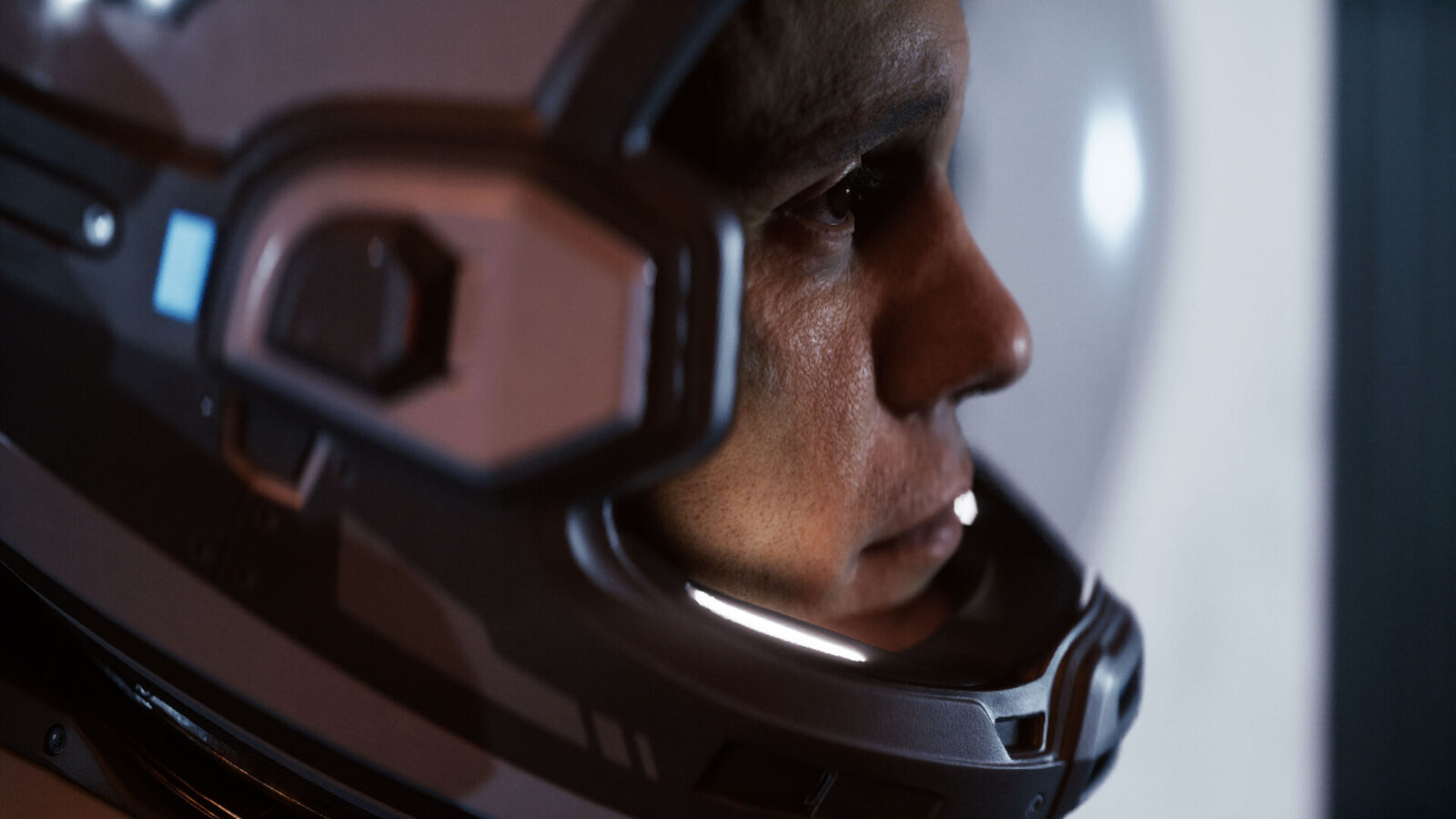
The setup hooked me right away and refused to let go for long stretches. Picture a group of hopeful explorers checking out a distant planet as humanity’s possible new home, only for an organism that can perfectly copy human faces and bodies to turn their mission into a nightmare. I have been a sci-fi horror junkie since I was a kid sneaking watches of old classics on rainy weekends. Those stories always messed with my head in the best way, making me question every shadow and every friendly face. Here, the isolation of space amplifies that fear beautifully at times.
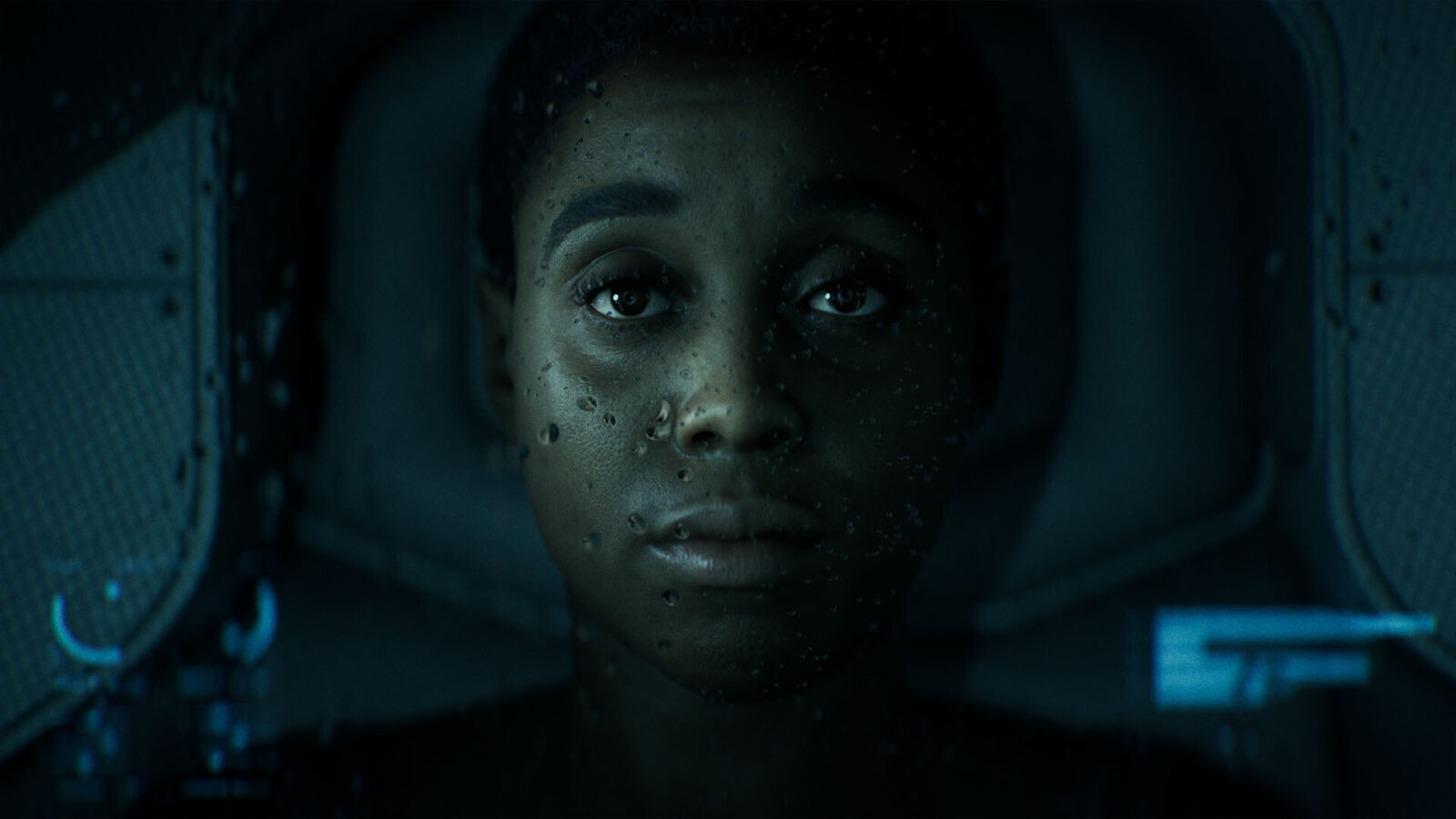
Multiplayer sessions especially shine when you are all controlling different crew members and suddenly doubting if your buddy is still themselves. I spent one long evening with friends passing the controller around, laughing nervously every time someone made a selfish choice to save their own character. Those moments felt electric and reminded me exactly why I keep coming back to these interactive horror tales. The central mystery builds nicely too, dropping little clues that had me theorizing between sessions like I was piecing together a real conspiracy with my Discord crew.
Losing the Movie Magic That Made These Games Feel Alive
One of the biggest changes in this entry is how the game handles its camera and overall flow. Gone is that deliberate, film-like framing that used to make every scene feel carefully composed like a blockbuster thriller. Now it is straight into familiar over-the-shoulder third-person territory, the same view you see in dozens of other action games. I understand the move. Old fixed angles sometimes fought against you during tense moments, making navigation feel clunky on purpose. But something special got lost in the transition. The dread does not build the same way when you are not watching events unfold through a director’s perfect lens. Instead of feeling like you are inside a living horror movie, it starts feeling like just another game going through its motions.
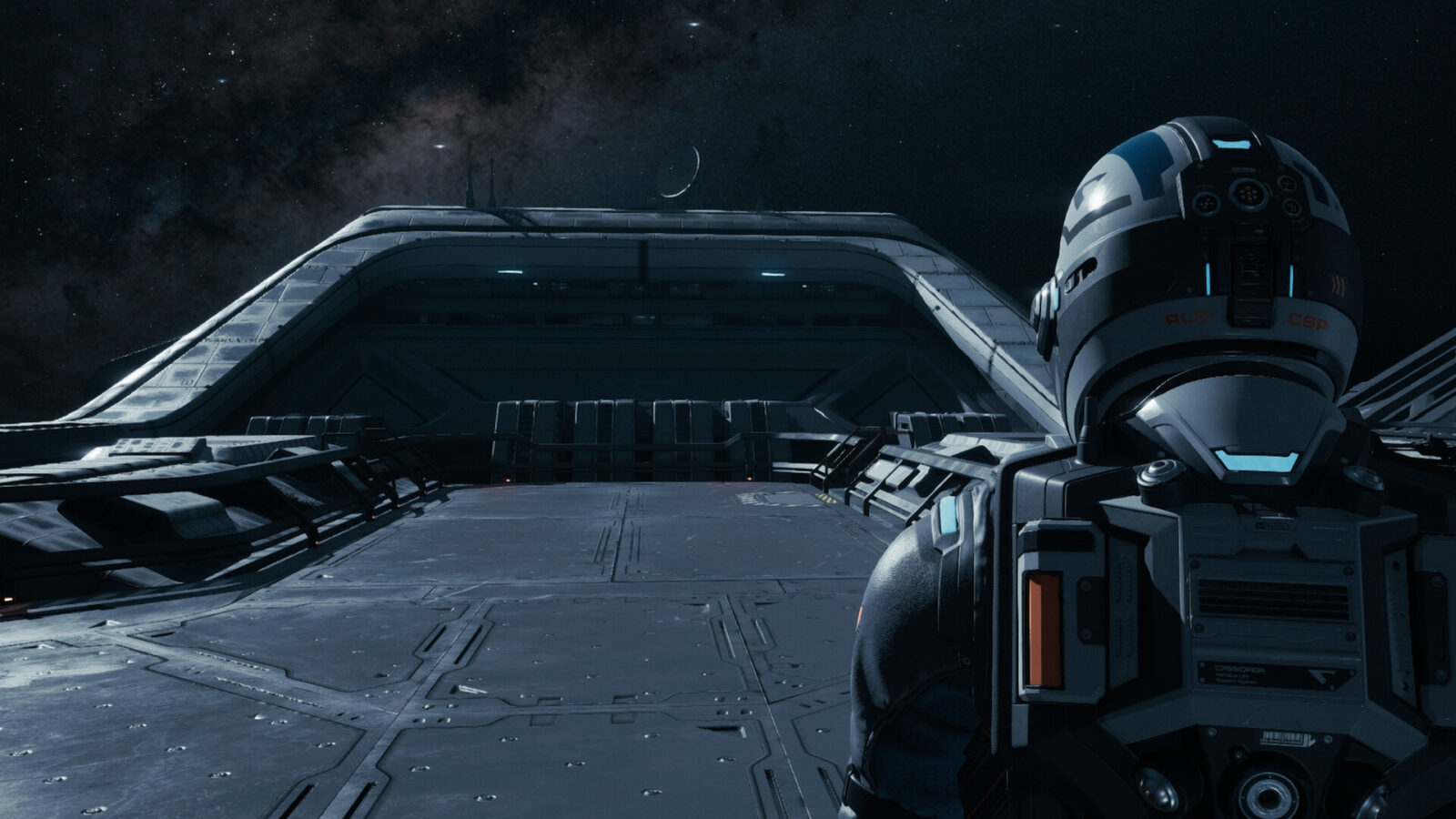
I spent a good portion of my time sneaking through dimly lit hallways, sliding behind cover, and fiddling with environmental puzzles while the creature hunted nearby. Some sections had me genuinely creeping along, heart rate up, listening for every distant sound. Others had me rolling my eyes as I backtracked for the tenth time because a solution was hidden in some obscure vent I missed. The pacing took the biggest hit for me. These games used to let quiet tension breathe between big dramatic beats, giving you time to get attached to characters before ripping them away. Here it often feels like busywork padding between story highlights.
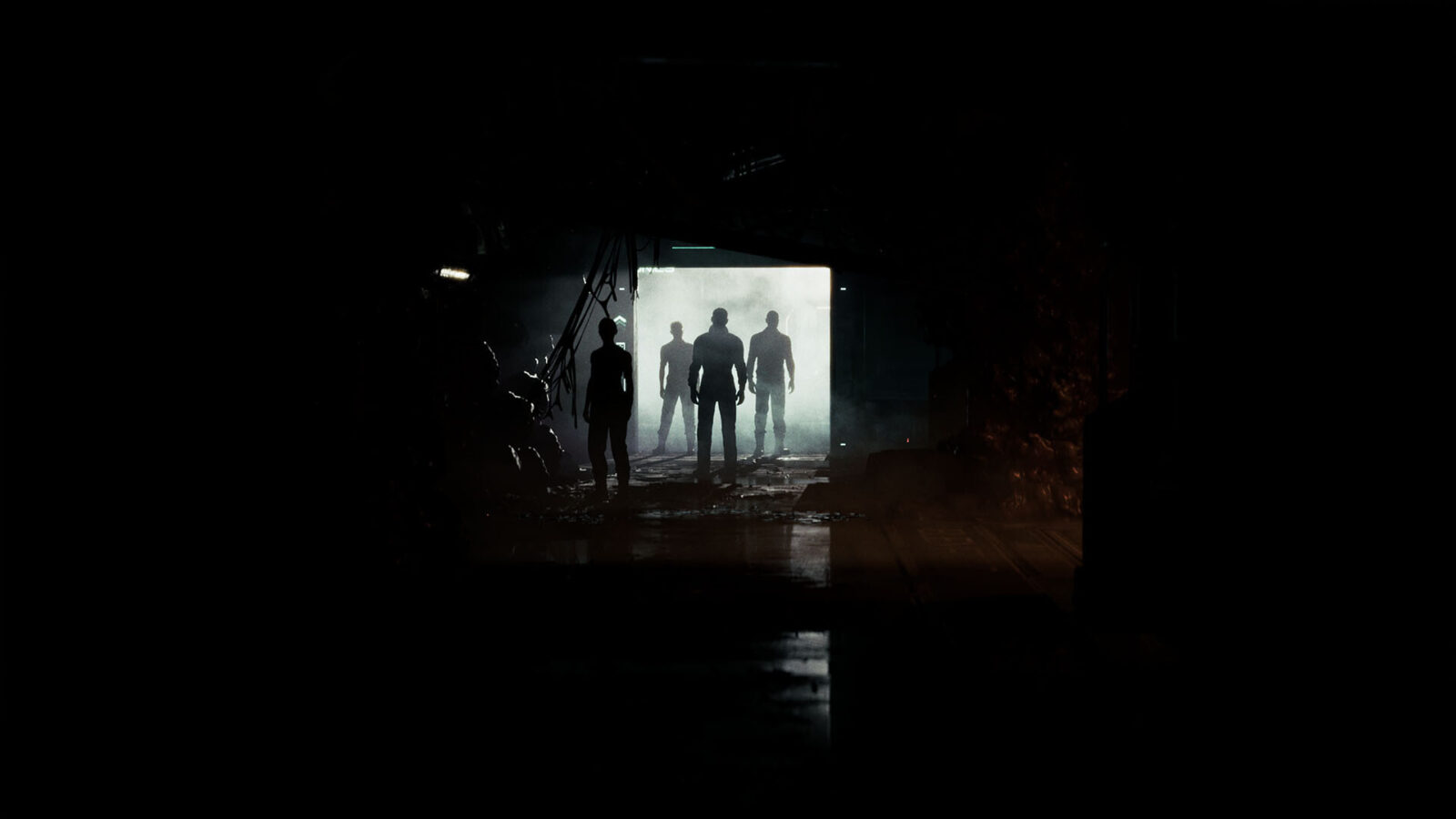
I caught myself pausing more than usual, thinking back to how elegantly earlier entries managed their runtime. It made me realize how much I miss that old cinematic rhythm that turned simple choices into unforgettable memories. Even with all the new space scenery and alien designs trying hard to impress, the heart of what made the series special feels a bit adrift right now. Still, the creature itself is genuinely unsettling up close, and a few well-timed jump scares caught me completely off guard in ways that had me laughing at my own reactions later.
The Timeline Feature That Kept Me Coming Back for More
What actually surprised me in the best way is the new Turning Points system. This feature lets you rewind major decisions almost immediately after they happen or jump around the entire story timeline later to explore paths you missed. It is a game-changer for someone like me who treats these titles like puzzle boxes I need to completely take apart. I spent extra hours diving back in just to see how one small choice could cascade into completely different crew fates or hidden story details. The implementation feels buttery smooth, almost like rewinding a lap in my favorite racing games. No long load times, no fuss, just clean access to branching narratives that would otherwise stay locked away.
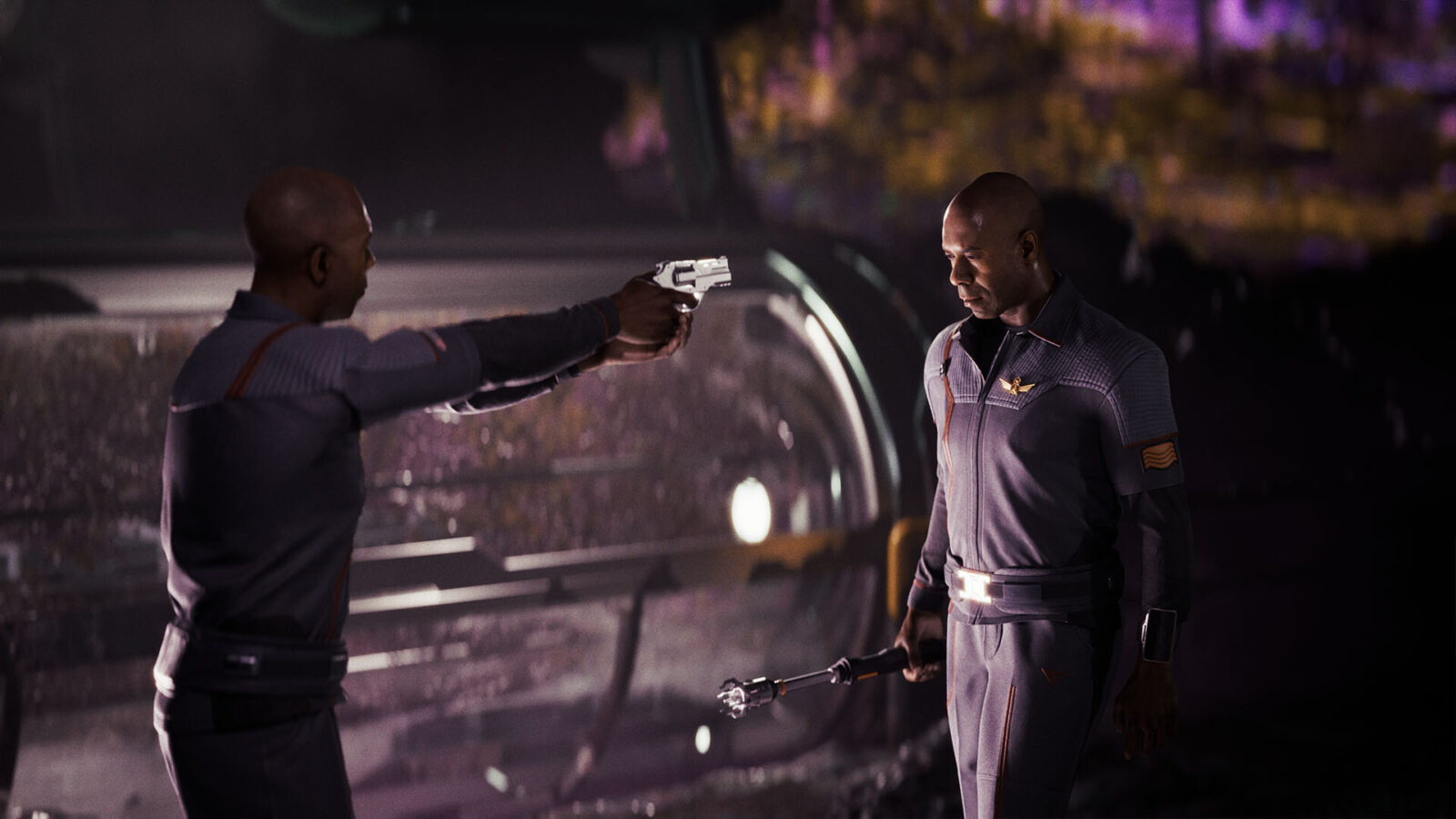
That flexibility turned my initial playthrough into something much richer. I hunted down collectibles that teased future entries in the series, pieced together alternate endings, and even discovered small character moments I would have completely overlooked. The core mystery around the alien threat stayed compelling enough to pull me through multiple runs. Multiplayer becomes next-level chaotic when combined with this tool. You start questioning every alliance, every helpful comment, wondering if the person you are trying to protect has already been replaced. I remember one late-night session where my group kept pausing to debate bioscan results, everyone half-joking but also half-serious about who might be the imposter. It brought back that Among Us energy I loved during the pandemic, mixed with proper horror stakes. Those highs made the slower sections more bearable and gave me real hope that the series still has fresh ideas worth exploring. I ended up sinking way more time than I planned because the system makes replaying feel rewarding instead of repetitive.
When Performances and Tech Issues Pull You Out of the Fear
The voice acting ends up being one of the weaker links here, and it hurts more than it should in a story so dependent on characters feeling real. A handful of performances carry genuine emotion and sell the growing terror beautifully, making you root for certain crew members to survive. Others fall flat with deliveries that feel stiff or strangely emphasized, yanking you right out of the immersion at the worst possible moments. When a game lives in its dialogue and quiet character interactions, those inconsistencies create distance exactly when you need to feel closest to the cast. I found myself replaying certain lines in my head, wondering what went wrong in the booth. Yet some of the stronger actors really elevated key scenes, giving me characters I genuinely cared about by the final act.
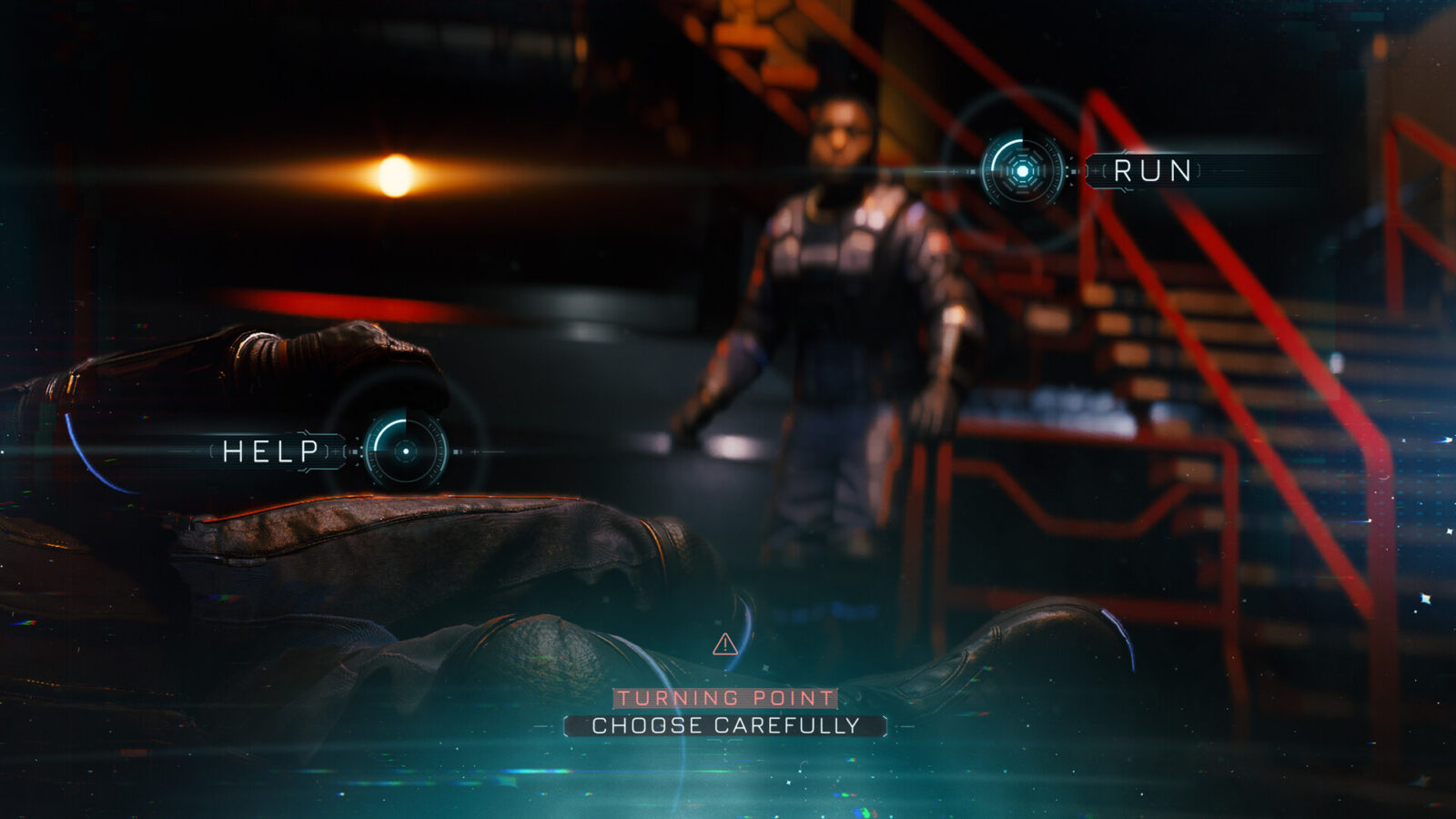
On top of that, the technical side shows clear signs of strain. Cutscenes sometimes move with an odd, sluggish camera pace that kills momentum. Characters will freeze mid-stride for important conversations when they could have easily kept walking and talking naturally. Little details like that add up and make the whole experience feel older than it should. I have been playing a lot of big modern releases lately that set a high bar for polish, so these seams stand out even more. It reminded me of those later Telltale games where the ambition was clear but the tools were starting to creak under the weight. Directive 8020 still looks decent in still shots with its shadowy corridors and alien vistas, but the little jitters and limitations keep pulling you back to reality instead of letting you sink fully into the fear. I kept wishing for that next big engine jump the series desperately needs to feel current again. Even so, the atmosphere holds up well during the best moments, especially when the lights go low and the creature is closing in.
Why I Am Still Rooting for This Anthology to Evolve
Even with the frustrations, I cannot help but stay invested in The Dark Pictures project as a whole. There is something special about a studio that keeps betting on narrative horror experiences when so much of the industry chases endless multiplayer loops and battle passes. Directive 8020 has the DNA of something great, especially with its paranoia mechanics and that excellent timeline tool giving players real agency over how they experience the story. It just needs more time, more refinement, and probably a proper technical refresh to bring back the movie magic that hooked so many of us in the beginning. I would happily wait longer between entries if it meant reaching that higher level again.
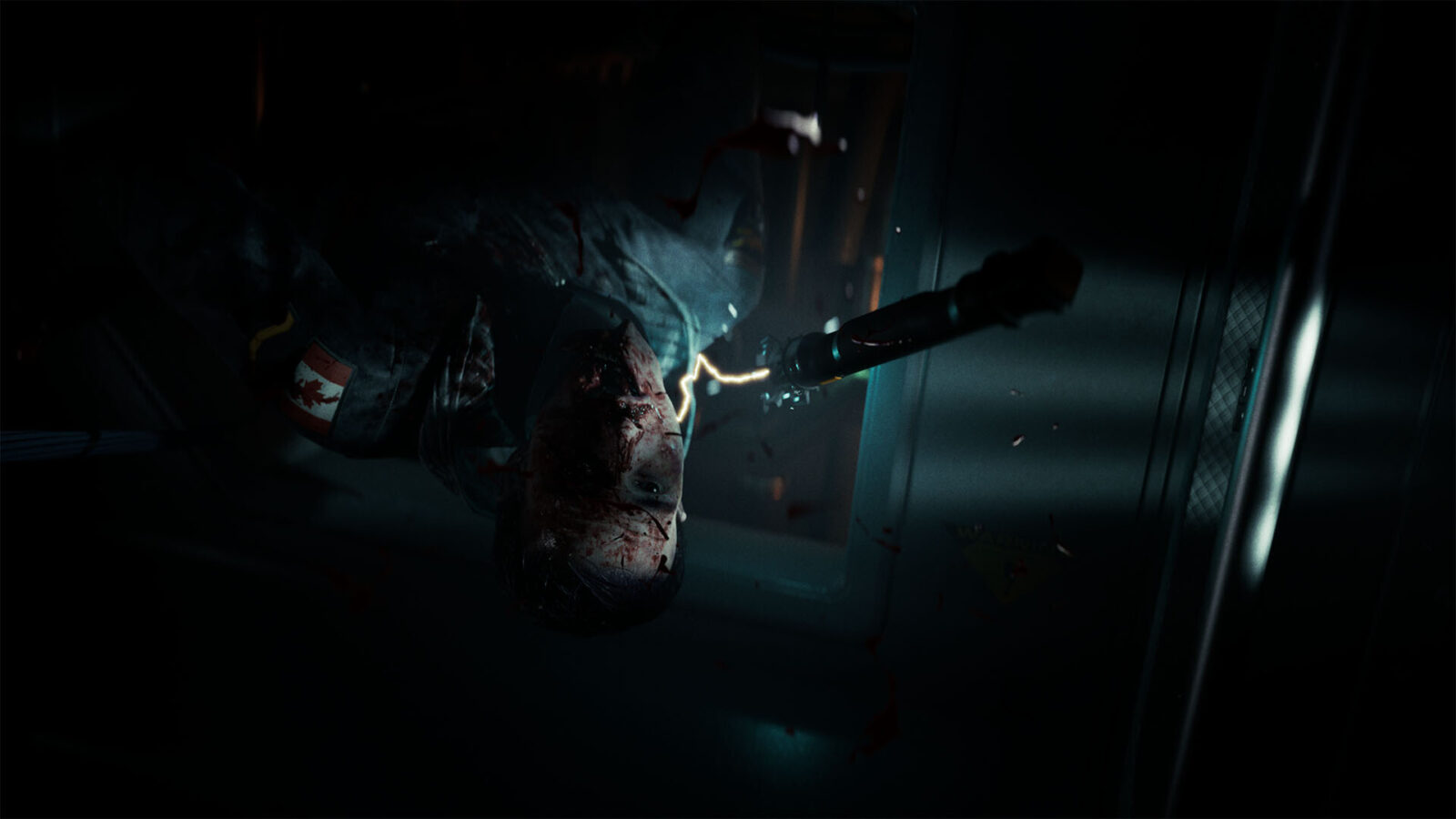
My main run clocked in around seven to eight hours on PC, but with the branching paths and replay tools, I easily doubled that chasing different outcomes and secrets. That kind of longevity matters to me as someone who likes to fully digest these stories. Even on a middling entry, I am already curious about what they will try next. The heart is still there. The ambition is still there. It just needs everything else to catch up so these games can feel as sharp and terrifying as they did when they first surprised us all those years ago. Until then, I will keep showing up, controller in hand, ready to make more bad decisions in space. This one left me optimistic rather than burned out, and that says a lot about its potential.
Verdict
Directive 8020 delivers fun shape-shifting paranoia, a genuinely useful new way to explore its branching narrative, and some strong horror beats that make multiplayer sessions memorable, but it loses some of the cinematic identity and consistent polish that made the best entries in the series unforgettable. It is a solid ride for dedicated fans who love choice-driven scares, especially with the improved replay tools, and it left me excited to see where the anthology heads next.