
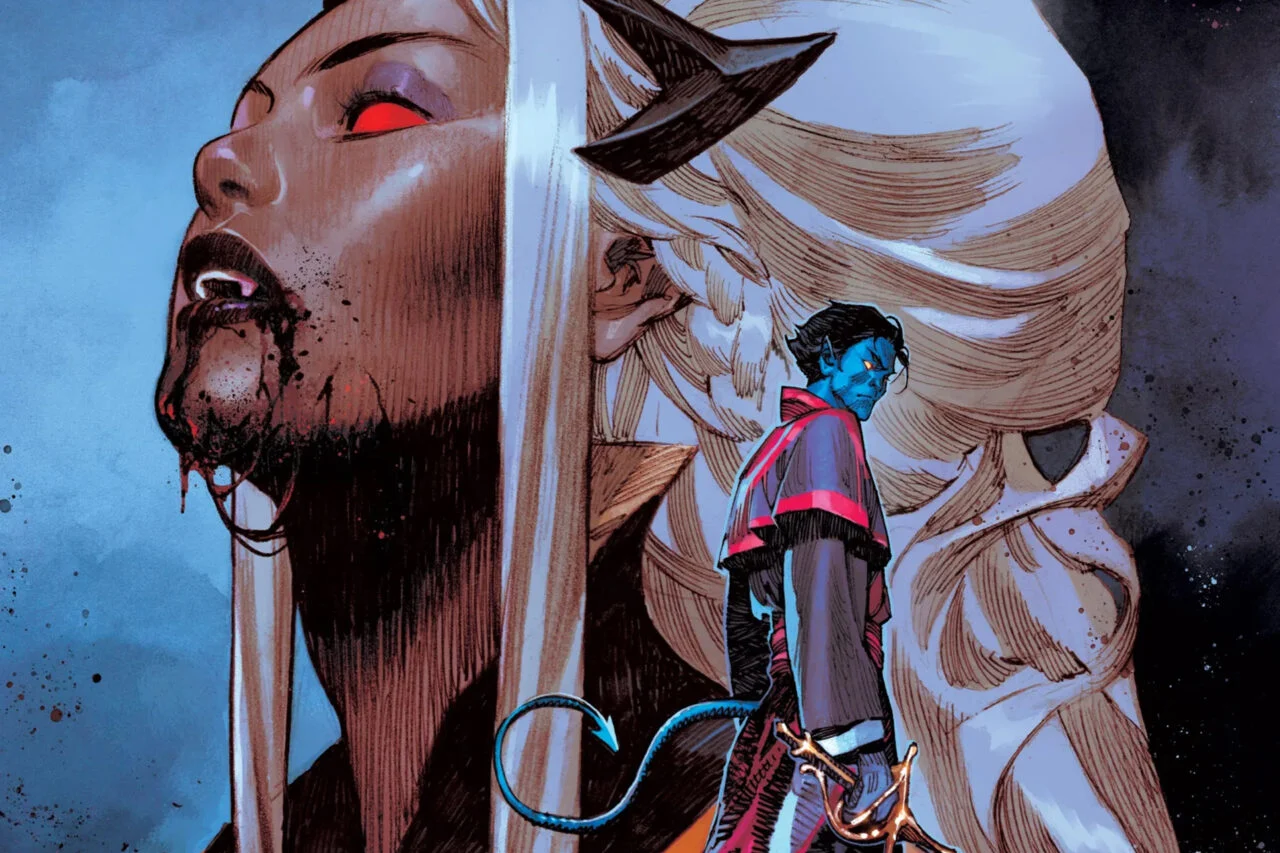
Marvel is expanding its publishing slate with a new horror imprint called Midnight, and the lineup leans heavily on some of the company’s most recognizable properties. The initiative kicks off with Midnight X-Men in August 2026, followed by Midnight Fantastic Four in September and Midnight Spider-Man in October. While the move reflects Marvel’s ongoing strategy of launching themed universes to refresh familiar characters, it also raises questions about whether fresh horror angles can emerge when the core cast and corporate villains remain largely unchanged.
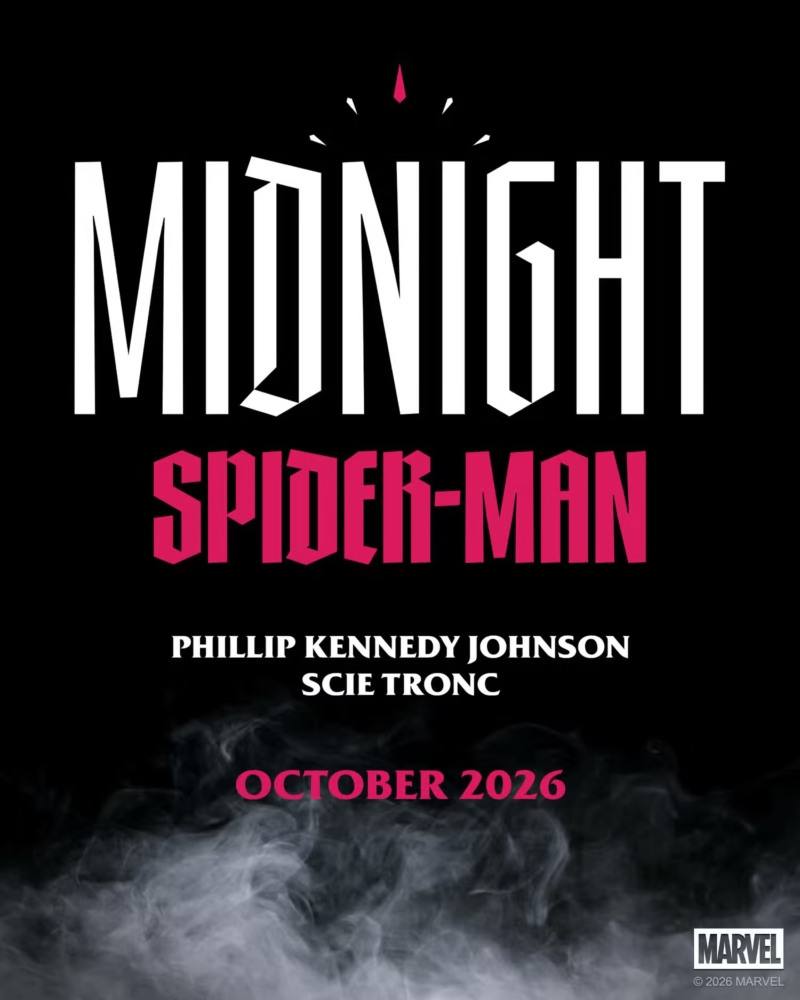
The Midnight Spider-Man series, written by Phillip Kennedy Johnson with art from newcomer Scie Tronc, offers the most straightforward horror hook of the three. In this version, a young Peter Parker becomes a grotesque spider-human hybrid after Oscorp experiments in its quest for immortality. Rather than gaining the familiar powers through a radioactive bite, Peter’s mutation stems from corporate ambition, and he ultimately uses his altered form to thwart the creation of further human-animal hybrids. The premise draws on decades of Spider-Man stories that have occasionally ventured into body horror, from early encounters with the Lizard to more recent genetic-tampering plots.
Readers familiar with the 2012 The Amazing Spider-Man film and its tie-in game will recognize the cross-species genetics angle, complete with the potential for unsettling villain transformations involving Rhino, Scorpion, and others. There are also echoes of Brian Michael Bendis’s early Ultimate Spider-Man run, particularly in its depiction of Oscorp and Norman Osborn’s ruthless pursuits. These parallels make the new series feel less like uncharted territory and more like a deliberate remix of established tropes, timed for the Halloween season. Whether it delivers genuine dread or simply costumes classic Spider-Man beats in darker lighting remains to be seen.
The announcement arrives at a transitional moment for Marvel Comics. The current Ultimate line is winding down, while the main Earth-616 continuity braces for significant upheaval following the Avengers: Armageddon event. Launching a horror sub-imprint allows the publisher to experiment with tone without fully disrupting flagship titles, a pragmatic approach that has become common across superhero publishing. Yet it also highlights a persistent challenge: Spider-Man’s enormous popularity makes him a safe commercial choice, but that same popularity can limit how far creators can push the character into truly disturbing territory, especially if broader cinematic plans, such as the reported Spider-Man: Brand New Day, favor a more conventional heroic path.
For longtime fans, the appeal may lie in seeing Peter confront literal monstrosity rather than metaphorical struggle, an idea Spider-Man stories have flirted with since the 1960s but rarely sustained at length. Success will depend on whether the creative team can balance visceral horror with the empathy and wit that define the character at his best. If the series merely delivers grotesque set pieces without deeper emotional grounding, it risks feeling like another variant exercise rather than a meaningful evolution.
October’s release gives Midnight Spider-Man a natural seasonal hook, and the absence of cover art so far leaves room for speculation about how monstrous this Peter will appear. In an era when comic publishers frequently test genre twists on legacy heroes, this horror-infused take feels both calculated and potentially fertile. Whether it adds something lasting to Spider-Man’s mythos or simply recycles familiar Oscorp nightmares will become clearer once the first issues arrive.