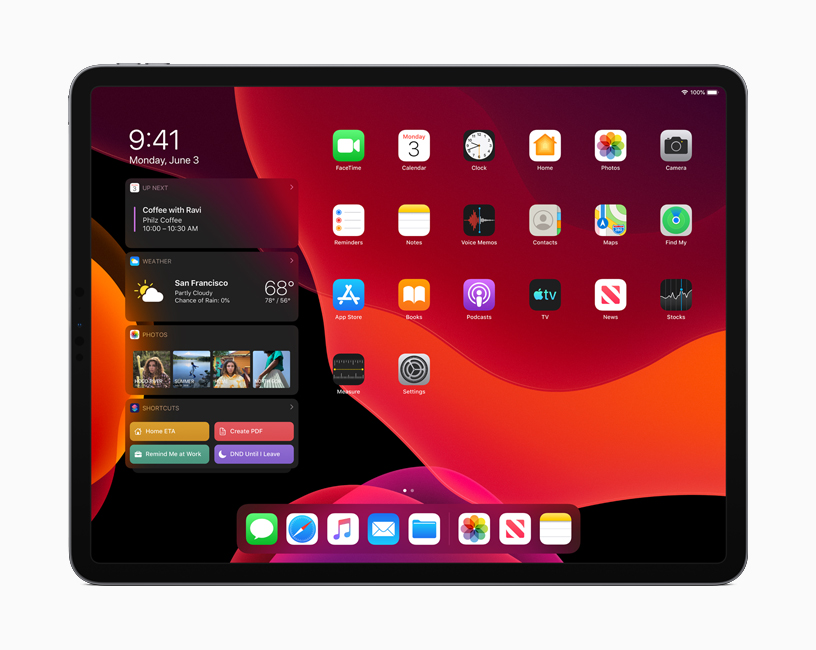
Apple has released iOS 26.5 and iPadOS 26.5, the latest incremental updates to the operating systems that launched publicly in September 2025. Arriving roughly two months after version 26.4, these point releases bring a handful of functional additions and visual tweaks rather than sweeping changes. Users with compatible iPhones and iPads can download them through the standard path in Settings > General > Software Update.
The most substantive addition is end-to-end encrypted RCS messaging support in the Messages app, currently in beta. When enabled with participating carriers, the feature promises more secure cross-platform texting than traditional SMS or basic RCS, addressing long-standing limitations in how iPhones communicate with Android devices. Rollout will occur gradually, and full details on carrier compatibility remain tied to Apple’s support documentation. This step arrives years after RCS gained traction as a modern messaging standard, reflecting Apple’s measured pace in adopting open protocols while maintaining its own iMessage ecosystem.
Another new element is the Pride Luminance wallpaper, which uses dynamic effects to refract a spectrum of colors. It joins Apple’s periodic collection of seasonal and awareness-themed backgrounds, offering a subtle customization option without altering core functionality. In Maps, Suggested Places now surfaces recommendations drawn from local trends and a user’s recent searches, aiming to make discovery more relevant during everyday navigation. These changes are modest, yet they address small daily frictions in messaging and location-based browsing.
As with prior updates, Apple has published security content summaries for administrators and privacy-conscious users. Not every feature will appear in all regions or on every supported model, a familiar caveat that stems from regulatory differences and hardware capabilities. General notes remind users that software updates can influence battery life and performance, sometimes positively through optimizations, sometimes less so during initial indexing or background processes.
With iOS 27 and iPadOS 27 expected to take center stage at WWDC next month, iOS 26.5 may represent one of the final feature-bearing releases in this cycle. This cadence has become typical for Apple: a major annual overhaul followed by point updates that refine and patch before the next big architectural shift. Historically, these mid-cycle releases have delivered welcome stability after the occasional teething issues of new major versions, though they rarely excite longtime observers who remember bolder annual leaps in the 2010s.
For most users, the decision to install comes down to balancing new capabilities against potential disruptions. The RCS improvement could meaningfully reduce messaging friction for those with mixed-device households or contacts, while the wallpaper and Maps tweaks feel more like polish than necessity. In an era when smartphones handle critical communication and navigation, even incremental privacy and usability gains matter, yet the slow integration of standards like encrypted RCS highlights how platform competition and legacy systems continue to shape the experience.
Overall, iOS 26.5 and iPadOS 26.5 fit the pattern of mature mobile platforms where big innovations give way to steady maintenance. They underscore Apple’s focus on reliability and gradual evolution rather than constant disruption. Users who skipped earlier 26.x releases may find enough here to justify updating, particularly if messaging security or localized suggestions align with their routines. As always, backing up devices beforehand remains sound practice before applying any system software.