
Apple has rolled out watchOS 26.5, tvOS 26.5, and visionOS 26.5, the latest point updates for its wearable, set-top box, and spatial computing platforms. Arriving roughly six weeks after the 26.4 releases, these versions follow the familiar pattern of Apple’s annual software cycle: a major overhaul in the fall, followed by incremental refinements that address bugs, security, and minor polish before attention turns fully to the next major release.
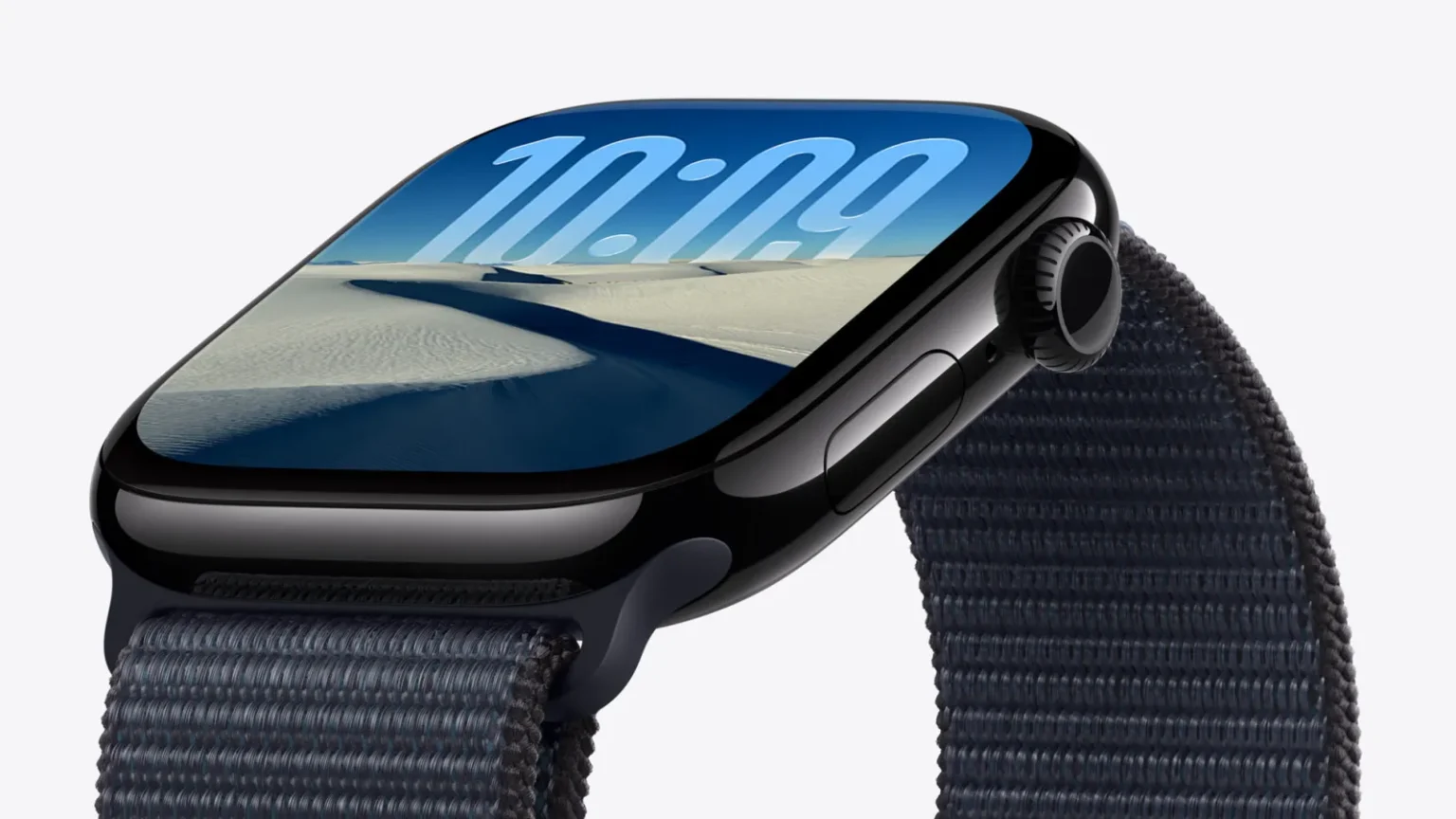
watchOS 26.5 stands out as the most noticeable of the three. It introduces the Pride Luminance watch face, which dynamically shifts through a spectrum of colors, available directly from the Face Gallery. The update also resolves two practical issues. Messages on the Apple Watch should now correctly prioritize iMessage over SMS when paired with a dual-SIM iPhone, fixing a longstanding source of confusion for users managing multiple lines. Additionally, audio alerts in the Workout app will now play reliably even when the paired iPhone is out of range. These fixes matter for users who depend on the Watch for consistent notifications and fitness tracking, areas where small reliability gaps can undermine trust in the device during daily use.
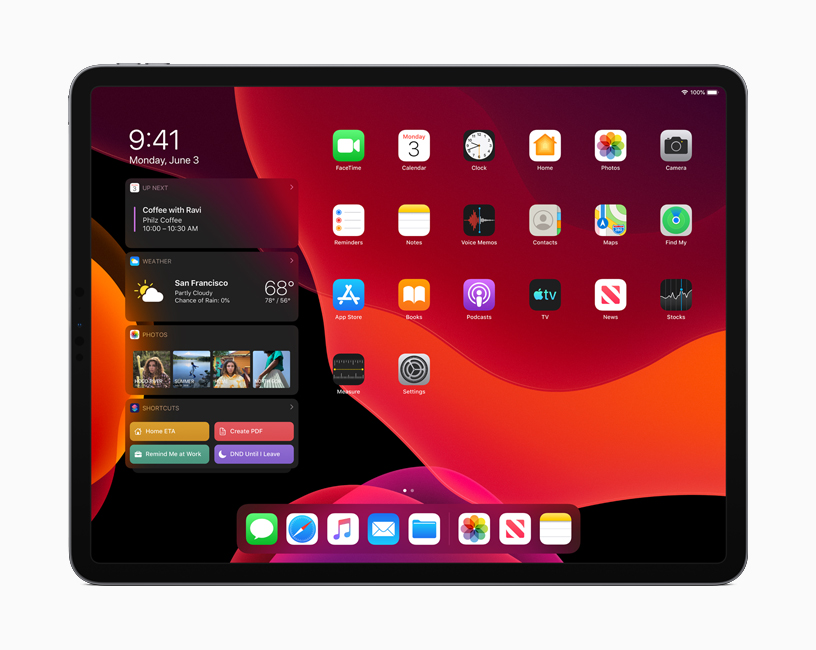
In contrast, tvOS 26.5 appears largely maintenance-focused. Beta testing revealed no new user-facing features, and Apple’s official notes mention only performance and stability improvements. For a platform that has seen relatively modest evolution in recent years compared to mobile counterparts, this feels consistent with Apple’s approach to the Apple TV: steady under-the-hood work rather than headline additions. Automatic updates will handle the upgrade for many users, provided they are enabled in Settings.
visionOS 26.5 follows a similar understated path, delivering bug fixes and security enhancements without introducing fresh capabilities. Given the still-nascent state of the Vision Pro platform, these routine updates help maintain stability on hardware that remains expensive and niche. Installation requires removing the headset, with progress visible on the external EyeSight display—an awkward but necessary process that highlights some of the ergonomic realities of spatial computing today.
Collectively, these releases underscore a maturing phase for Apple’s ecosystem. With WWDC approaching and previews of iOS 27, macOS 27, and the corresponding watchOS, tvOS, and visionOS versions expected soon, the 26.5 updates serve as final housekeeping for the current generation. Historically, Apple’s point releases have delivered meaningful stability after the occasional rough edges of major versions, yet they also illustrate a broader industry shift: as core smartphone and wearable features reach saturation, software updates increasingly focus on refinement, compliance, and incremental reliability instead of bold innovation.
For most owners, the practical question is whether to install promptly. Users who encountered the dual-SIM messaging glitch or missed Workout alerts will likely appreciate the changes immediately. Others may safely wait a few days for early reports on battery impact or unexpected issues, especially on older hardware. As always, ensuring sufficient battery and a stable connection remains advisable before updating.
These modest updates reflect the reality of mature platforms where genuine leaps become rarer and the value lies in quiet dependability. They keep devices functioning smoothly without demanding much attention, even as the broader ecosystem prepares for the next cycle of bigger announcements.