

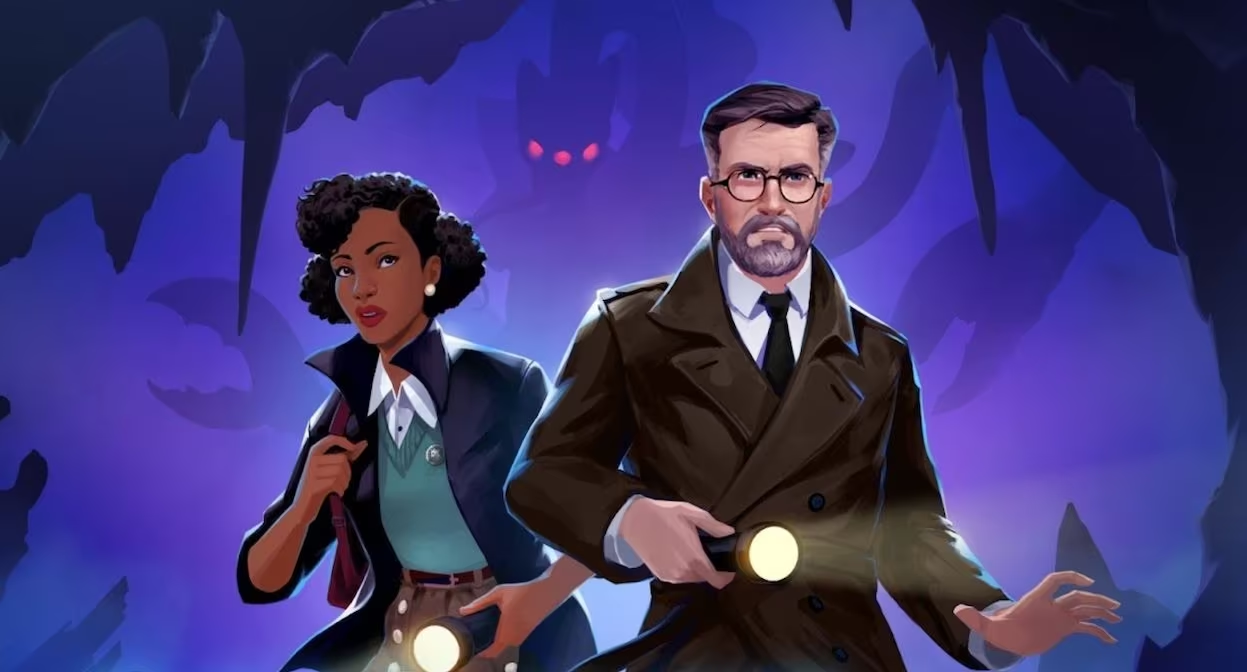
TL;DR: A worthy sequel blending Myst-style puzzles with heartfelt cosmic storytelling across time and space. Strong characters and inventive designs shine despite minor pacing hiccups—highly recommended for mystery game lovers.
Call of the Elder Gods
I booted up Call of the Elder Gods late one stormy evening in Dubai, the kind of night where the city lights blur into something almost otherworldly through rain-streaked windows. As a lifelong sucker for games that mix brain-teasing puzzles with stories that burrow under your skin, I was ready for another journey into Lovecraftian territory. This sequel to that quietly brilliant 2020 gem had been on my radar for ages, promising to expand the universe while swapping isolated island vibes for a sweeping, globe-trotting escapade. What I got was a heartfelt puzzle-adventure that feels both intimate and epic, even if it occasionally trips over its own ambitious tentacles.
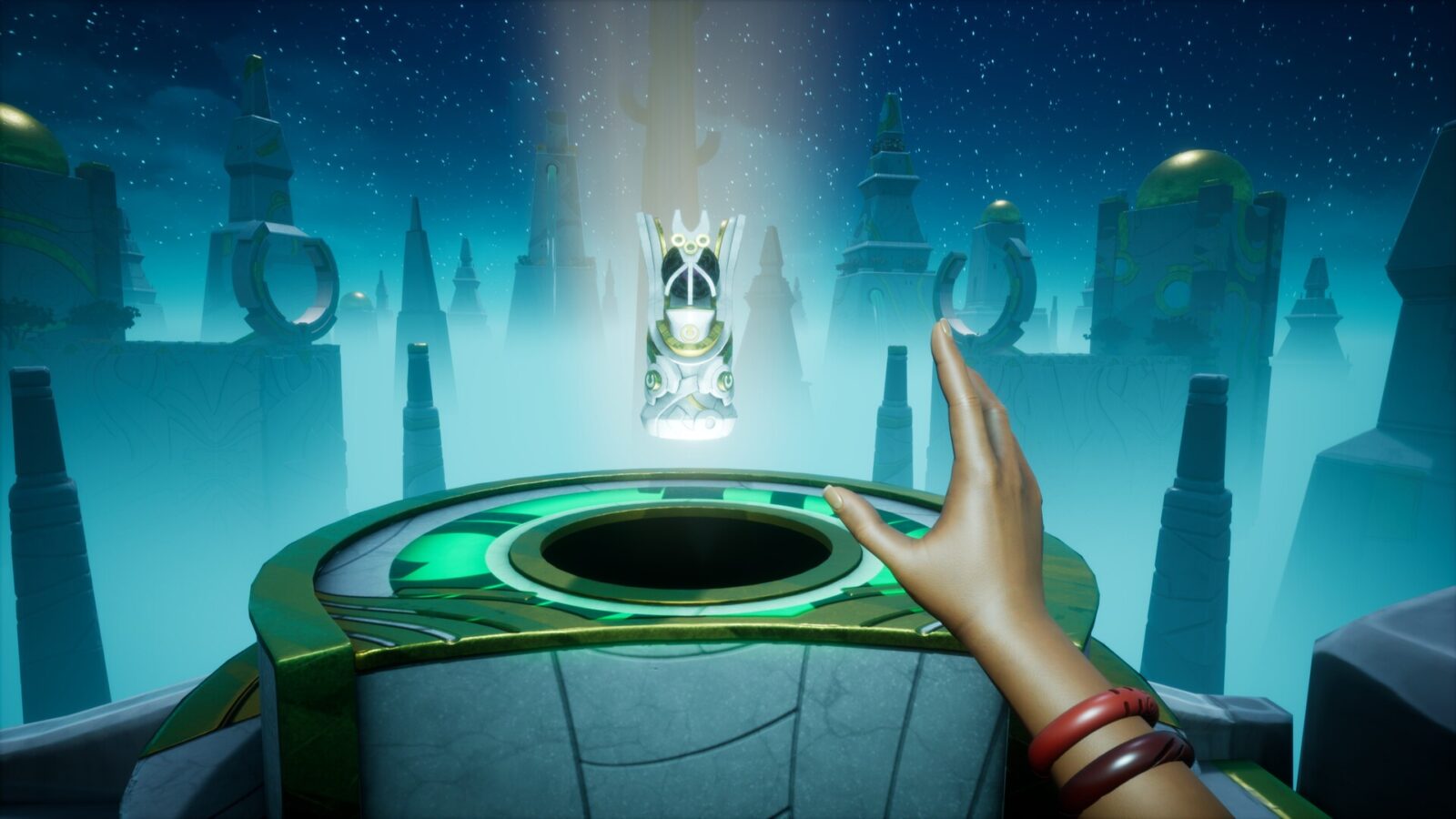
Playing as both Evangeline Drayton and Professor Harry Everhart pulled me in immediately. Evangeline, haunted by fragmented dreams of ancient cities, teams up with the returning Harry to chase answers tied to a tragic expedition from decades earlier. Their parallel paths weave together across time and space in ways that left me staring at the screen, whispering “whoa” more times than I’d admit. Norah’s narration returns too, voiced with that same haunting delivery, adding layers of self-aware mystery that make the whole thing feel alive and strangely personal.
The Thrill of the Hunt Across Continents
This Lovecraftian puzzle-adventure ditches the single-location focus of its predecessor for something grander, like dusting off an old Indiana Jones hat and hitting the road. You bounce from misty Virginia estates during raging thunderstorms to sun-baked Australian deserts and even forgotten Nazi compounds twisted by eldritch corruption. The red lines streaking across in-game maps gave me that classic adventure itch, the sense that every chapter was building toward revelations bigger than any one character.
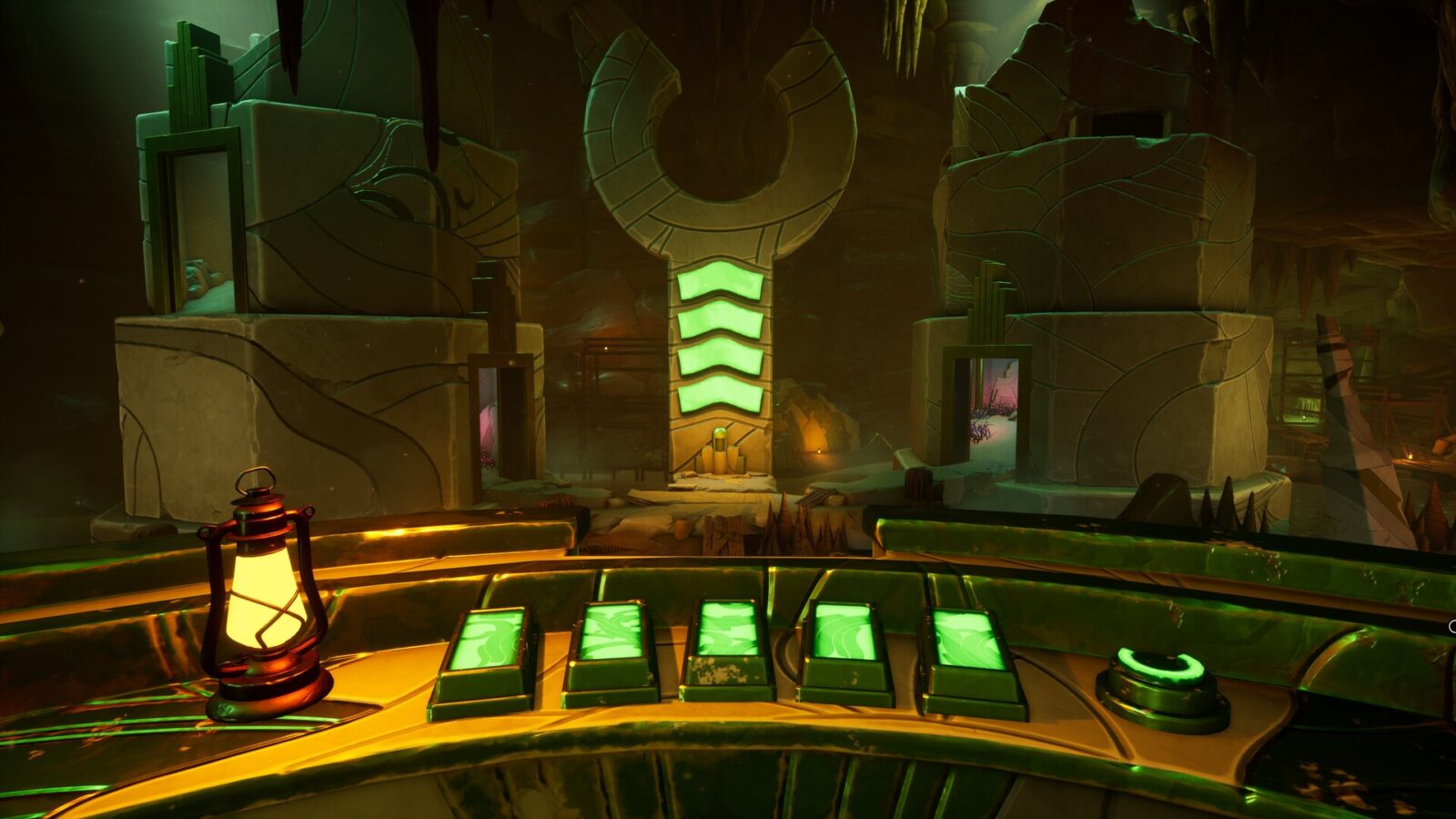
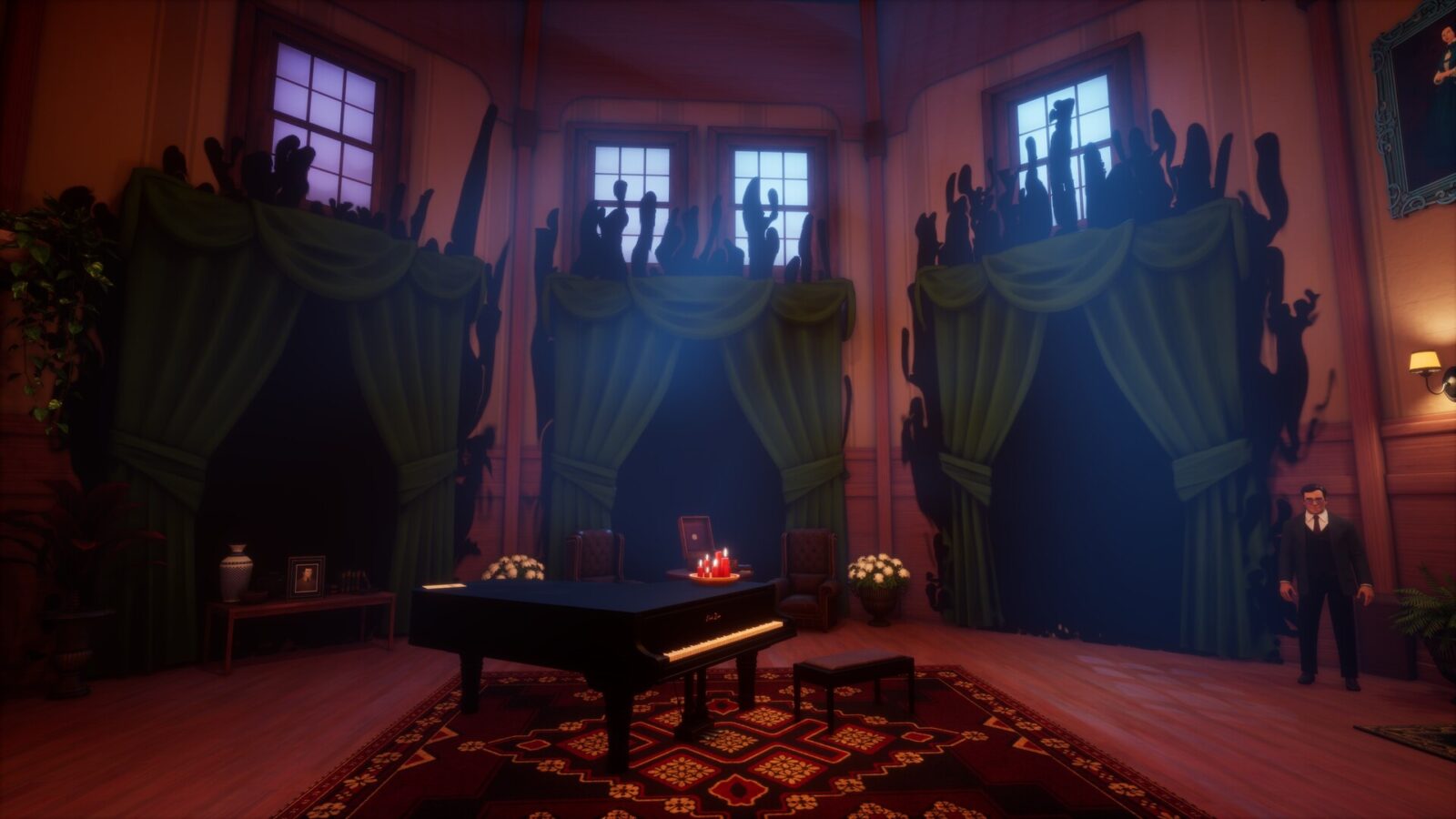
I found myself lost in the atmosphere for hours, the visuals painting these locations with a mesmerizing blend of beauty and unease. One sequence had me positioning ancient statues just right while thunder cracked overhead, otherworldly forces whispering at the edges of perception. It wasn’t jump-scare horror; it was that slow-creeping dread of confronting something vast and indifferent. Moments like that made me reflect on how rare it is for games to make cosmic horror feel uplifting rather than purely terrifying.
Yet the brisk pacing sometimes worked against the immersion. Just as I’d settle into a location’s unique flavor, the story would whisk me off to the next spot. Some areas felt tighter and more enclosed than I’d hoped, like the game was rushing through its own wonders. Still, the emotional payoff from watching Harry and Evangeline grapple with memory, loss, and impossible futures more than compensated. Their arcs hit harder because of those dual perspectives, letting you swap between them to solve interconnected challenges.
Puzzles That Bend Minds and Time
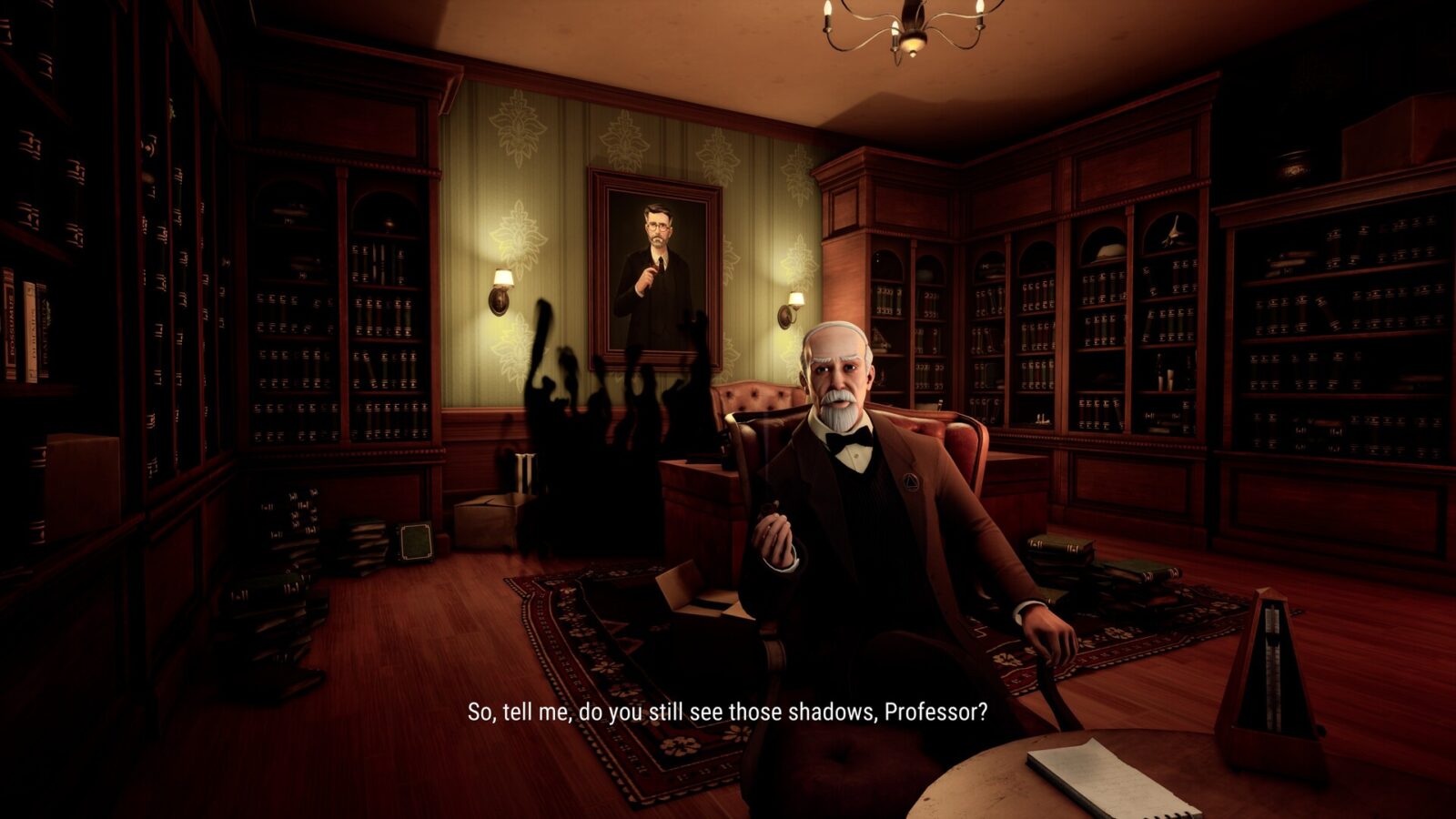
At its core, Call of the Elder Gods shines brightest when you’re knee-deep in its puzzles. It channels that classic Myst energy—poring over journals, inspecting environments, piecing together clues left by long-gone explorers. Norah’s trusty notebook becomes your constant companion, logging every vital detail so you never feel completely adrift.
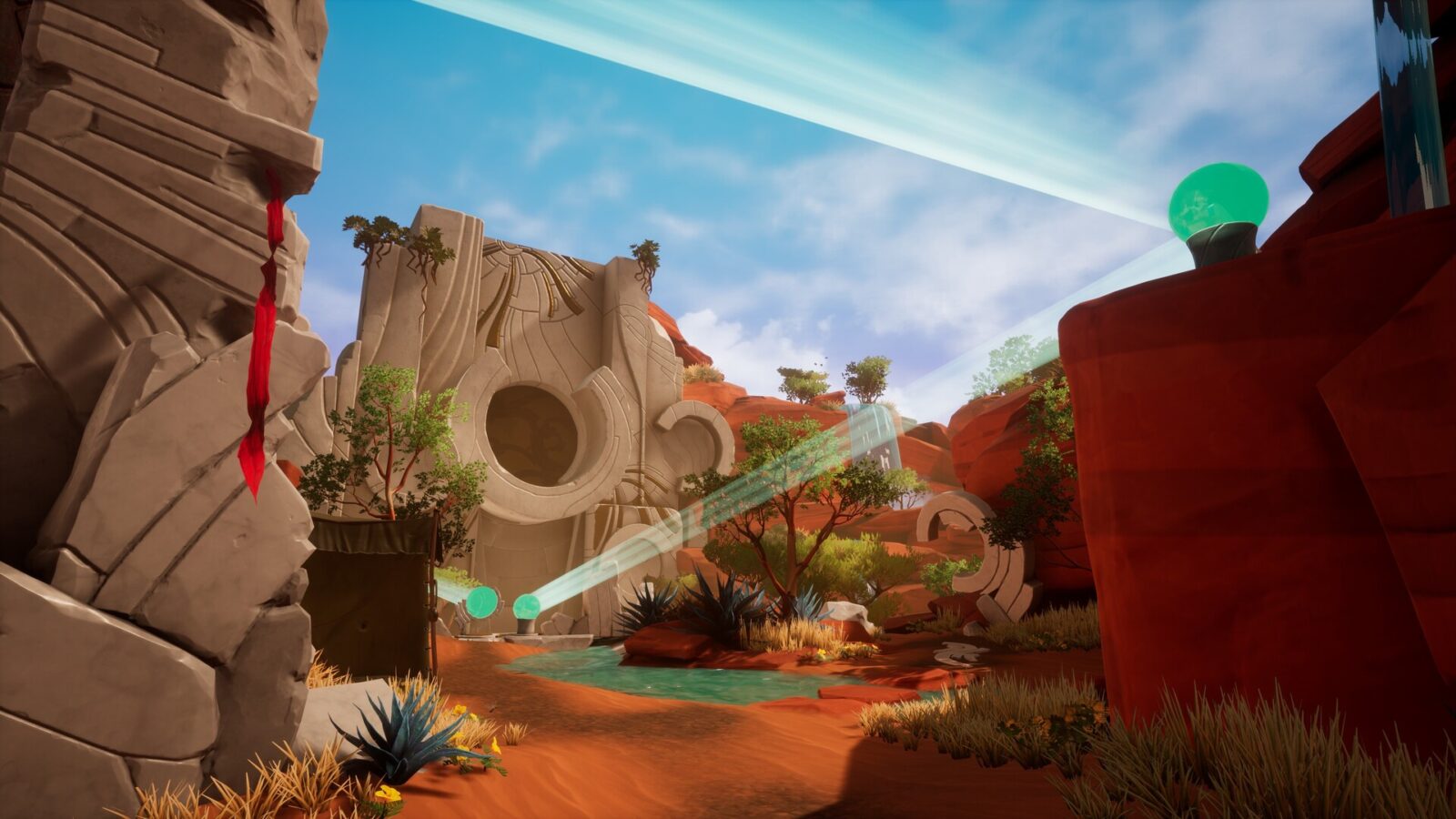
I loved those organic “aha” moments where the mechanics clicked not through brute force, but through genuine discovery. Early on, exploring the storm-lashed estate grounds had me rotating statues at precise angles, rain pouring as something unnatural stirred nearby. It was pure joy, the kind that makes you lean forward in your chair, grinning like an idiot when the gate finally swings open. Later sections ramp things up with time-bending phenomena and out-of-body experiences drawn straight from Lovecraft’s wilder tales, like “The Shadow Out of Time.” Swapping between protagonists to tackle puzzles in tandem added a fresh collaborative twist that kept things dynamic.
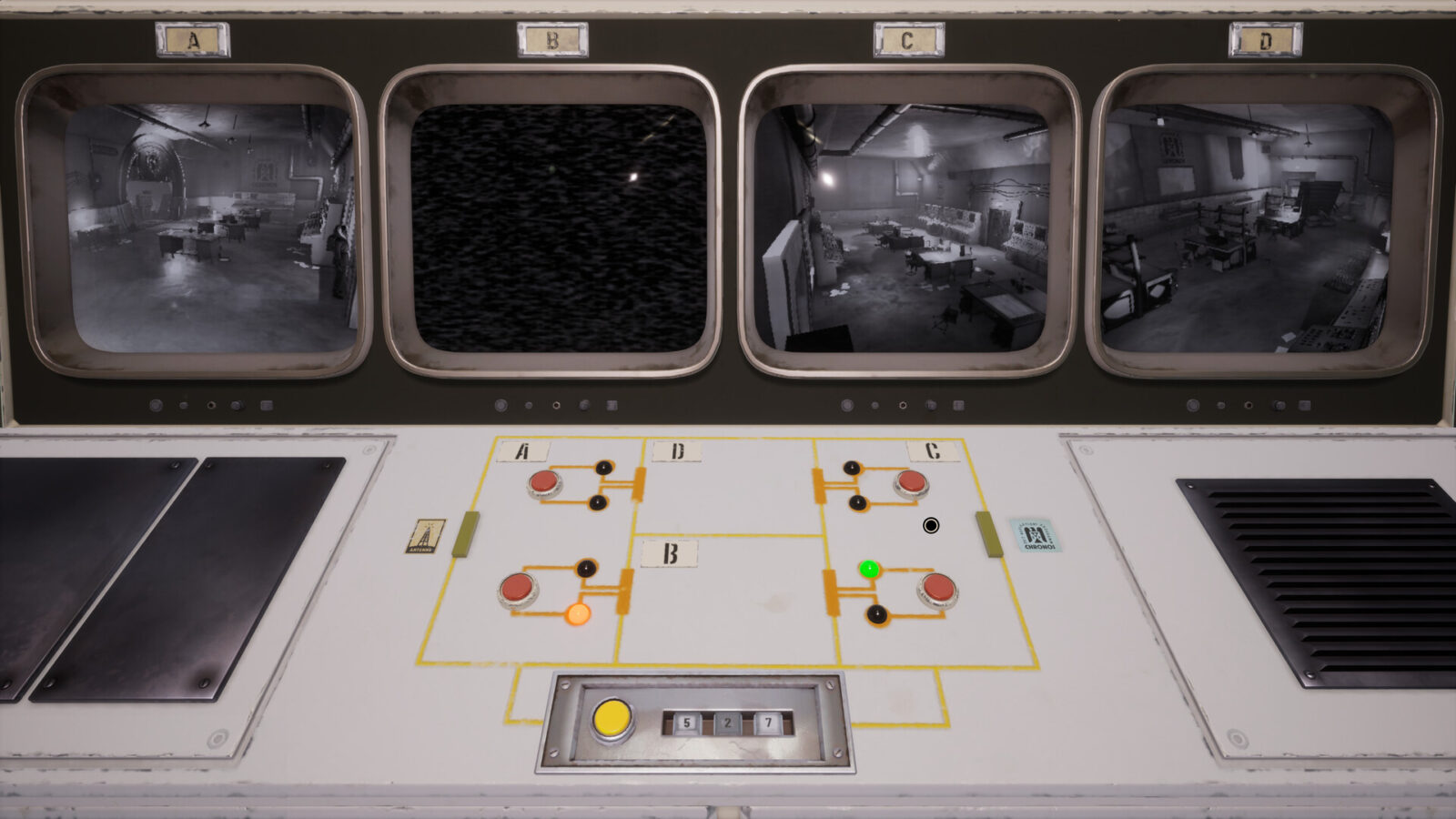
That said, the fragmented structure leads to some uneven difficulty spikes. A few machine-heavy puzzles overwhelmed me with moving parts and dense information, forcing frantic journal flips like I was cramming for an exam. I hit walls that had me retracing steps, muttering curses at missed clues. Thankfully, a hint system in the menu offers step-by-step guidance when you need it most, preventing total frustration without spoiling the fun entirely. It could have used gentler nudges in places, but those inventive designs still stand out as highlights in the Lovecraftian puzzle-adventure genre.
Characters Who Anchor the Madness
What elevates Call of the Elder Gods beyond a simple sequel is how deeply it invests in its people. Evangeline’s journey as a newcomer, piecing together her family’s haunted legacy, felt refreshingly vulnerable. Harry’s return brings continuity and quiet wisdom, their interactions during key decisions—handling interrogations or confronting personal traumas—carrying real emotional weight. A sinister cult nipping at your heels raises the stakes, turning the chase into something tense and consequential.
Voice performances breathe life into every scene. Yuri Lowenthal and Mara Junot deliver nuanced turns that make you care about these characters’ inner worlds. I caught myself pausing just to listen to their exchanges, the writing smart enough to blend wonder with melancholy. It reminded me of late-night chats with friends about old stories that still haunt us, blending the personal with the profoundly weird.
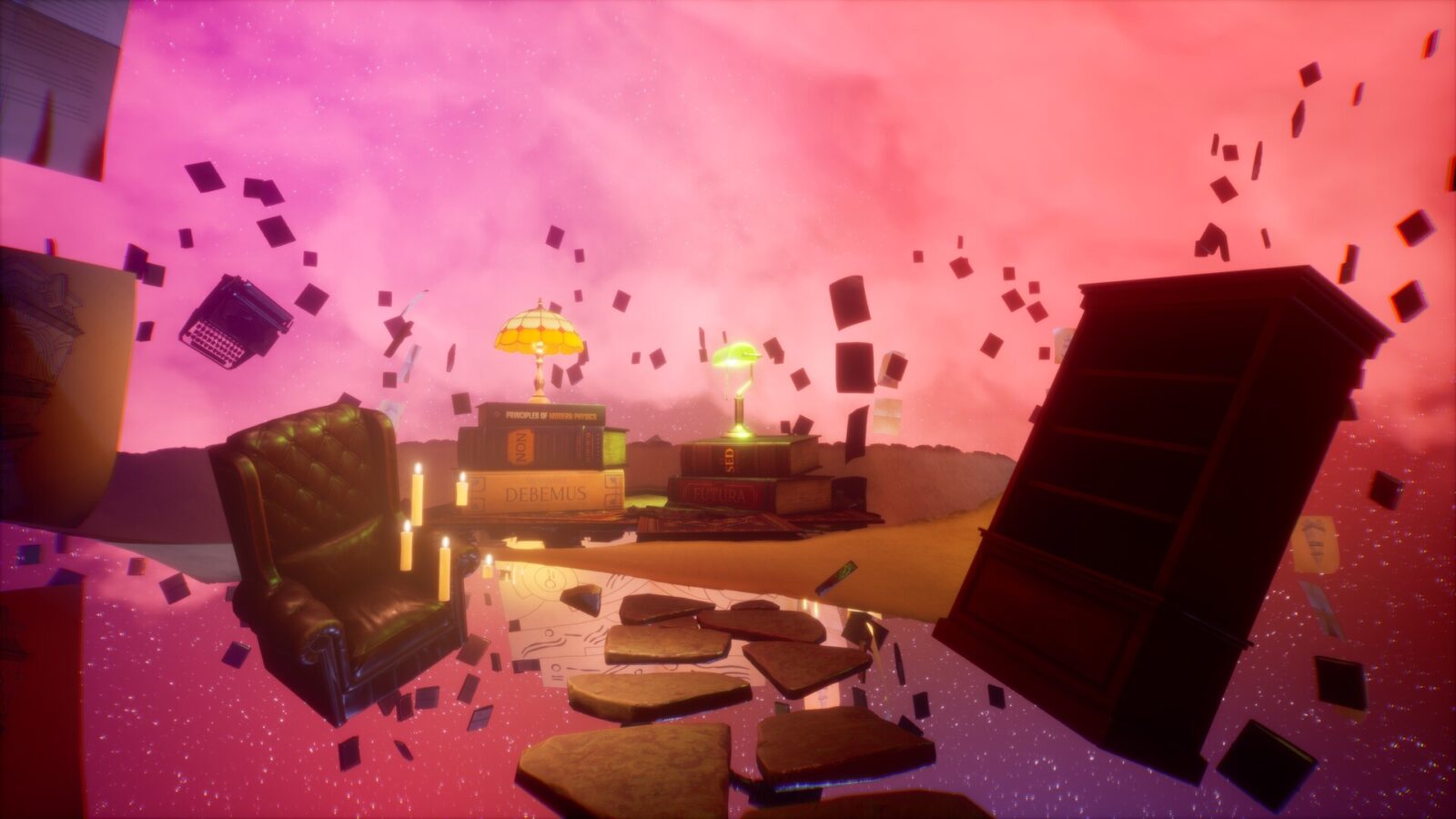
The narrative draws on influences like “The Color Out of Space” for its surreal escalation, stretching across five hours that fly by. Out-of-body sequences and temporal shifts create bizarre, profound moments that linger. While the ending left some threads dangling—unsatisfying in how it wraps certain mysteries—it still delivers closure that retroactively deepens the original game’s tragedy. Evangeline’s arc, in particular, adds poignant layers to that failed expedition, making everything feel more complete.
Where the Cosmic Balance Tips
Visually and atmospherically, the game impresses with its striking environments and escalating themes per chapter. The shift from lush isolation to globe-spanning adventure expands the series beautifully, even if some transitions between animated cutscenes felt a touch stilted. It captures that rare magic of mystery games where exploration and storytelling intertwine seamlessly, rewarding patience with revelations that hit the heart as much as the head.
Combat isn’t a focus here—it’s all about wits and wonder—which suits the tone perfectly. No cheap thrills, just thoughtful design that lets the Lovecraftian elements breathe. I played on PC and encountered zero technical hiccups, everything running smooth as silk during my playthrough.
In the end, this follow-up nails what made its predecessor special while carving its own path. It might not reach the same cohesive heights in every location, but its emotional core and rewarding puzzles make it a standout in the genre.
Verdict
This Call of the Elder Gods review boils down to a touching, inventive Lovecraftian puzzle-adventure that expands its universe with dual protagonists, globe-trotting mystery, and brainy challenges. It stumbles slightly with pacing and difficulty spikes but delivers profound emotional journeys and atmospheric highs that fans of thoughtful adventures won’t want to miss.