

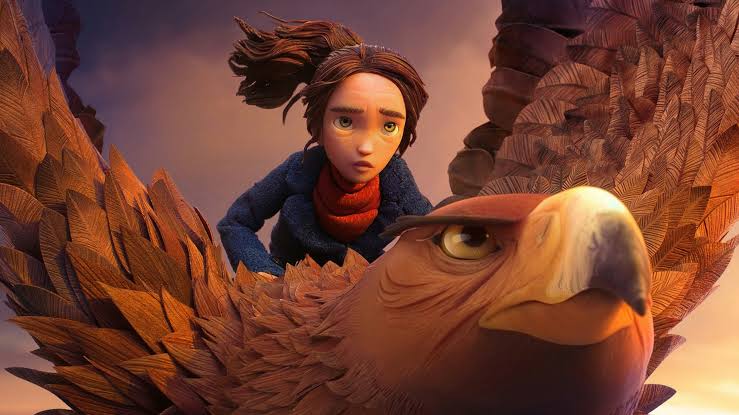
There is something profoundly moving about watching a film like Wildwood in 2026.
At a time when artificial intelligence can conjure entire worlds from a few lines of text, LAIKA has spent years, 16 to be exact, doing things the painstakingly difficult way.
Building physical sets, sculpting characters, manipulating puppets frame by frame and pouring an extraordinary amount of human effort into something that could have been achieved far more quickly through digital means. And that is precisely what makes Wildwood so special.
From the studio behind Coraline and Kubo and the Two Strings, director Travis Knight’s adaptation of Colin Meloy’s fantasy novel is an ambitious, visually astonishing piece of filmmaking. It is a story about love and the consequences of loss, wrapped in a world that feels as dangerous as it is beautiful.
It is also a film that occasionally struggles beneath the weight of everything it wants to say. But even when its storytelling becomes unwieldy, there is an undeniable sense of purpose behind every frame. Fair warning this is not an ordinary animated film, and its best reserved for teenagers above the age of 13-14 to watch this movie given the dark themes this film explores.
There is something wonderfully unsettling about fairy tales that refuse to shy away from darkness. Beneath their fantastical worlds and extraordinary creatures, the best of them have always explored deeply human emotions, particularly grief, fear and the lengths we are willing to go for those we love. What initially resembles a conventional rescue adventure gradually develops into a much darker exploration of the choices people make when confronted with loss.
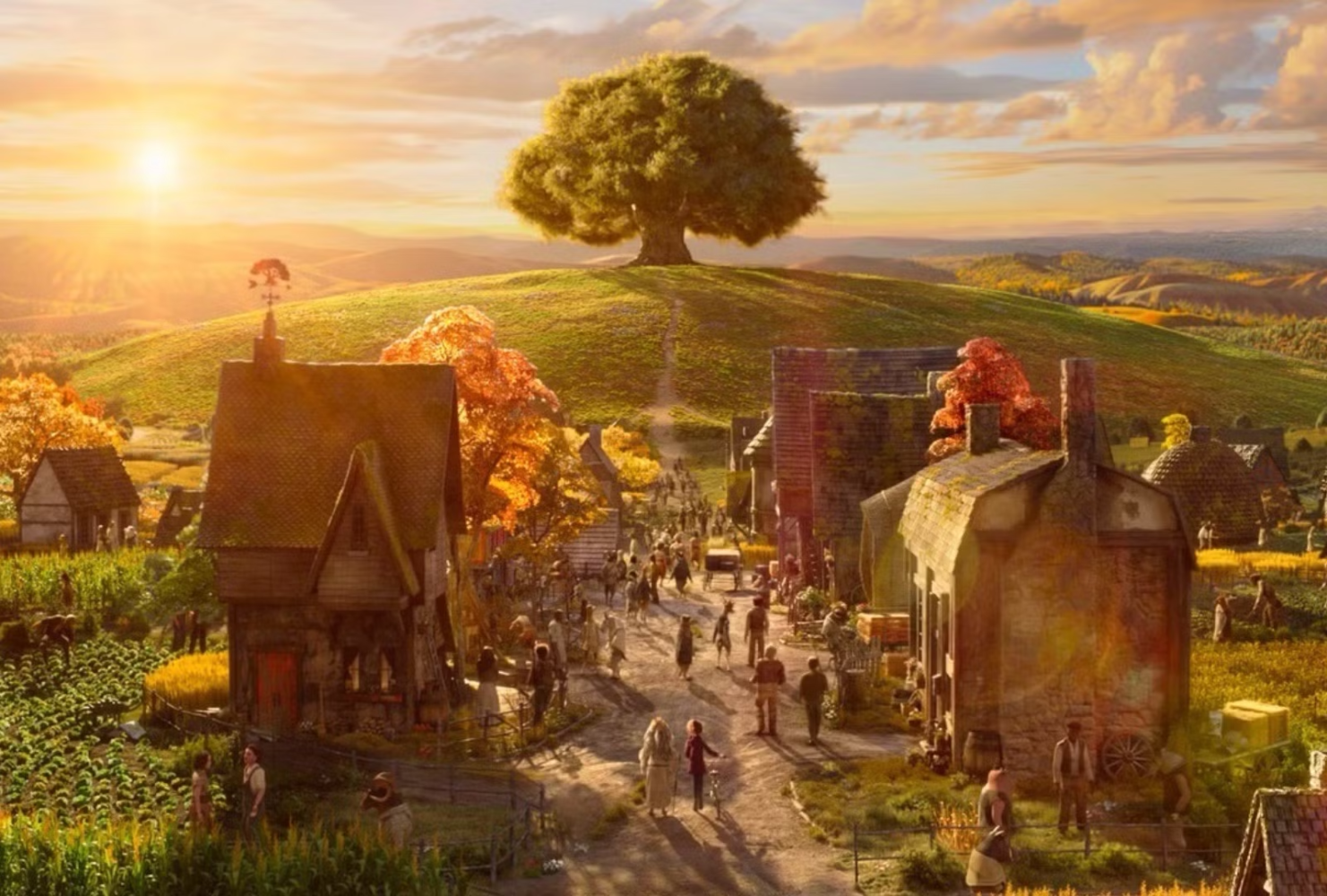
The wilderness itself is fascinating. Far from being a whimsical fantasy playground, it is a politically fractured world where competing interests and old grievances have shaped the lives of its inhabitants.
There is an underlying sense that Prue has stumbled into a conflict far greater than her immediate mission, and the film takes considerable pleasure in revealing the complexities of this strange society. But the most compelling aspect of Wildwood is how its narrative approaches grief.
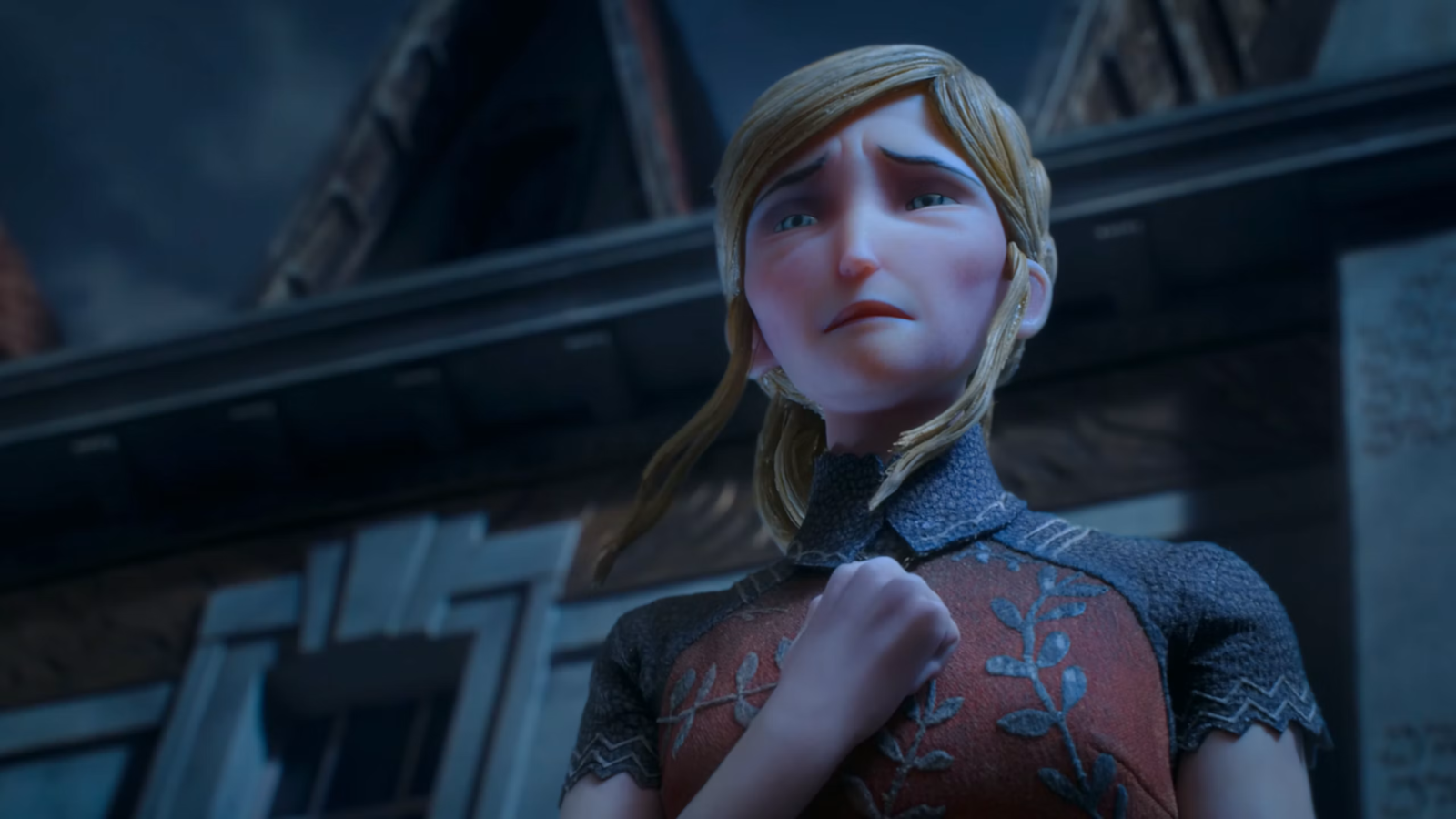
At the centre of that exploration is Alexandra, a character whose suffering has twisted her understanding of love into something destructive. Her story gives the film much of its emotional weight, presenting grief as a force capable of consuming everything around it when left unchecked. There is a genuine tragedy in understanding how someone who has experienced profound loss can become responsible for inflicting suffering upon others.
This creates an interesting thematic contrast with Prue, whose determination to save her brother is also driven by love. Both characters are shaped by what they stand to lose, yet the choices they make reveal different responses to that fear.
It is this relationship between love, sacrifice and consequence that elevates Wildwood beyond a straightforward fantasy adventure. The film repeatedly asks how far someone should go to protect what matters to them, and whether the pain of losing something can ever justify the harm caused in trying to reclaim it.
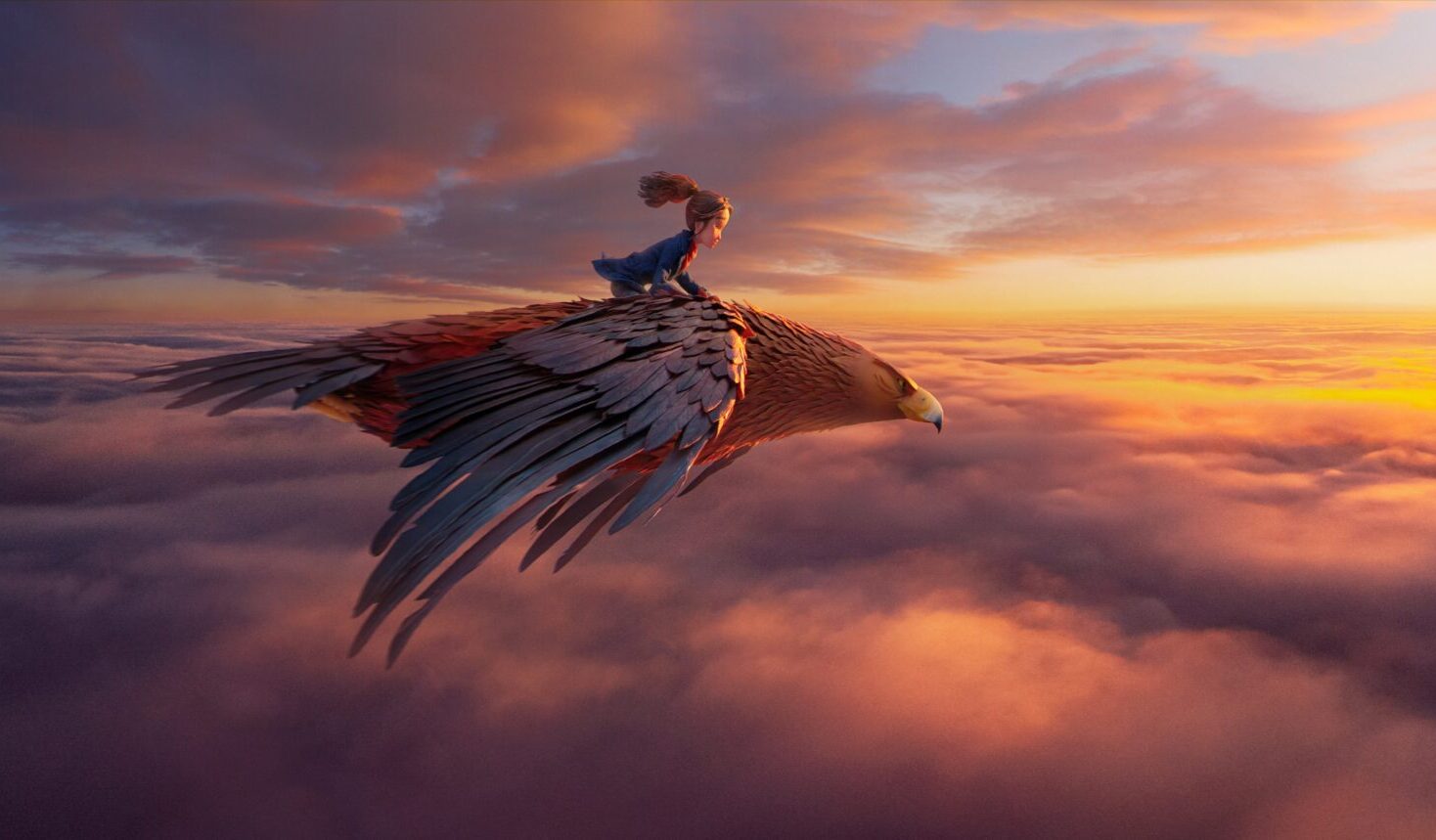
Importantly, the story does not always offer comfortable answers. There is a melancholy running beneath the film’s adventurous spirit, giving even its more fantastical moments an emotional grounding. Its characters inhabit a world shaped by decisions made long before Prue arrives, and the consequences of those decisions cannot simply be undone through courage or good intentions.
However, the sheer scale of this storytelling is also where Wildwood encounters its biggest problem. The film has an enormous amount to unpack, from the political divisions within the wilderness to the personal tragedies driving its central conflict. At over two hours, the narrative occasionally becomes overwhelmed by the number of ideas competing for attention.
My issue is less with the runtime itself and more with how densely the subject matter is packed into it. The film moves between adventure, political intrigue and emotionally demanding revelations with such frequency that some of its most powerful moments struggle to find the breathing room they deserve.
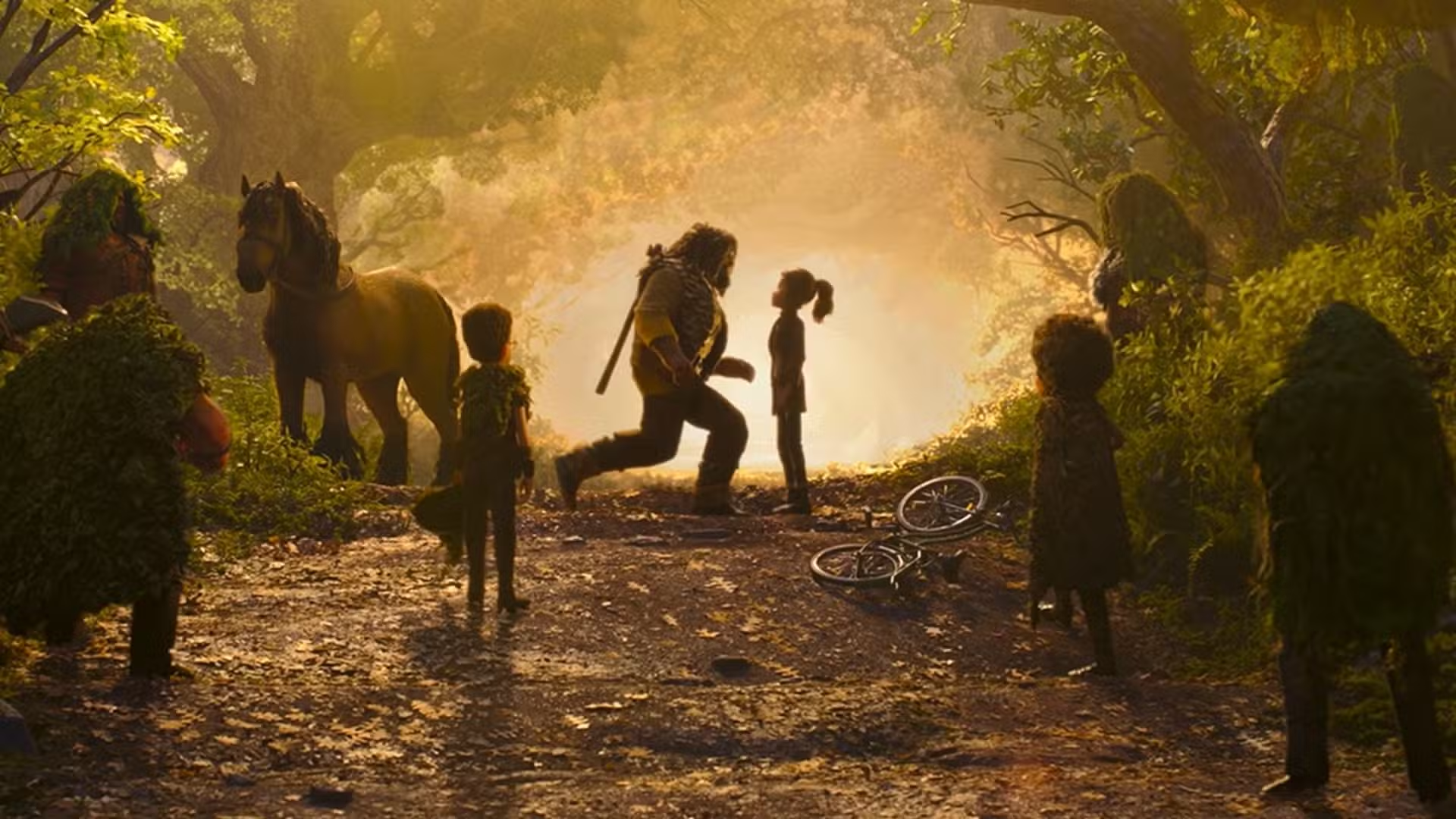
A tighter narrative, particularly around its supporting conflicts, could have allowed its central themes to resonate more strongly. There are moments when the film feels determined to explore every corner of its world, even at the expense of its emotional momentum. And yet, there is something admirable about that ambition.
Visually, Wildwood is extraordinary. LAIKA has created a world of remarkable texture and personality, with intricate environments and beautifully expressive characters. The attention to detail is staggering, and the animation brings an almost tangible physicality to a setting that could easily have felt overwhelming in another medium.
That craftsmanship feels particularly significant in an era increasingly defined by AI. There is something profoundly moving about knowing that these environments and characters have been painstakingly brought to life by artists, animators and craftspeople. Every frame represents countless creative decisions and an extraordinary investment of human imagination.
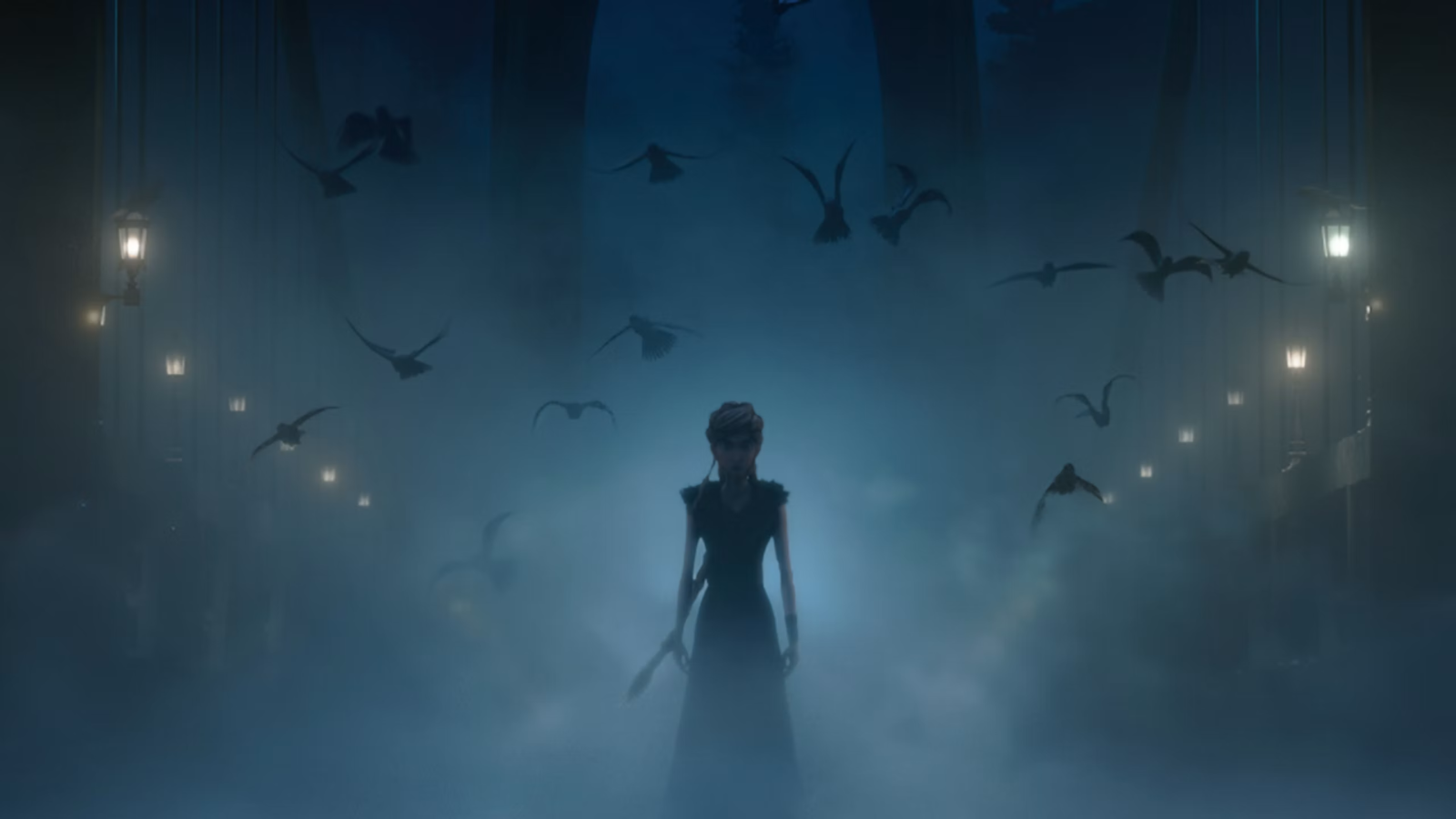
Technology will inevitably continue transforming filmmaking, and there is certainly room for innovation. But Wildwood reminds us that the process of creating art carries its own soul. The patience involved, the imperfections and the human choices behind every movement contribute to something that feels genuinely personal.
Perhaps that is why the film’s craftsmanship complements its narrative so beautifully. A story concerned with love, sacrifice and the consequences of our choices has itself been created through an extraordinary commitment of time and effort.
For all its narrative excesses, Wildwood is a remarkable film. Its darker themes give its fantasy genuine emotional substance, while its extraordinary animation demonstrates what remains possible when artists are given the freedom to pursue ambitious ideas. It may occasionally lose its way in the wilderness of its own storytelling, but there is considerable beauty in the journey.
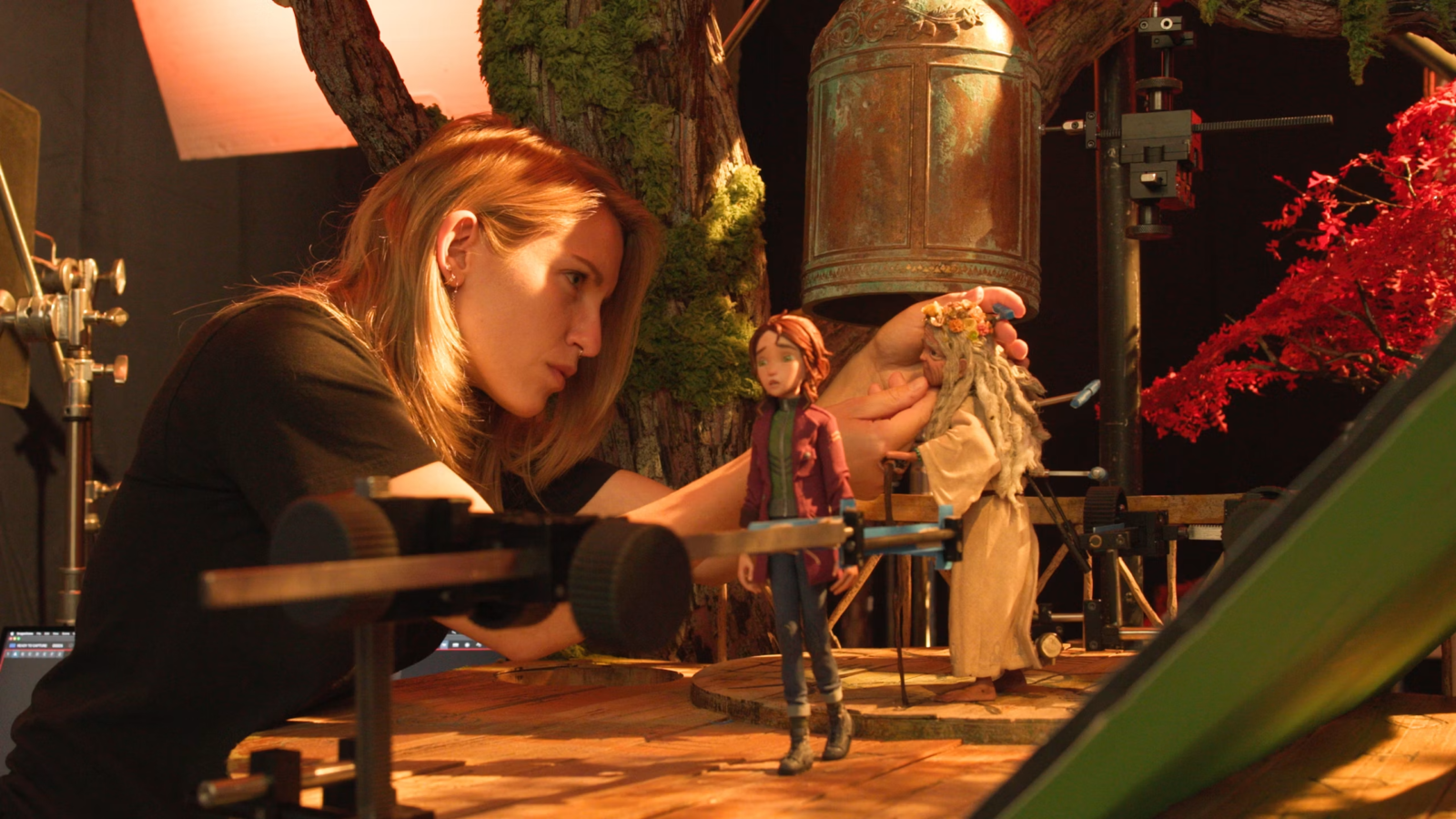
And in a world increasingly obsessed with making everything faster, Wildwood is a powerful reminder that some things are worth taking the time to create and more importantly, it reminds us why the people behind the images matter. In a world increasingly capable of generating images on demand, Wildwood makes a compelling case for the value of taking the time to create them.