
Microsoft’s latest Windows and Surface event made one thing clear: the company wants AI agents doing real work on your PC, not just in its data centers. The catch is that the hardware needed to make that happen has become very expensive.
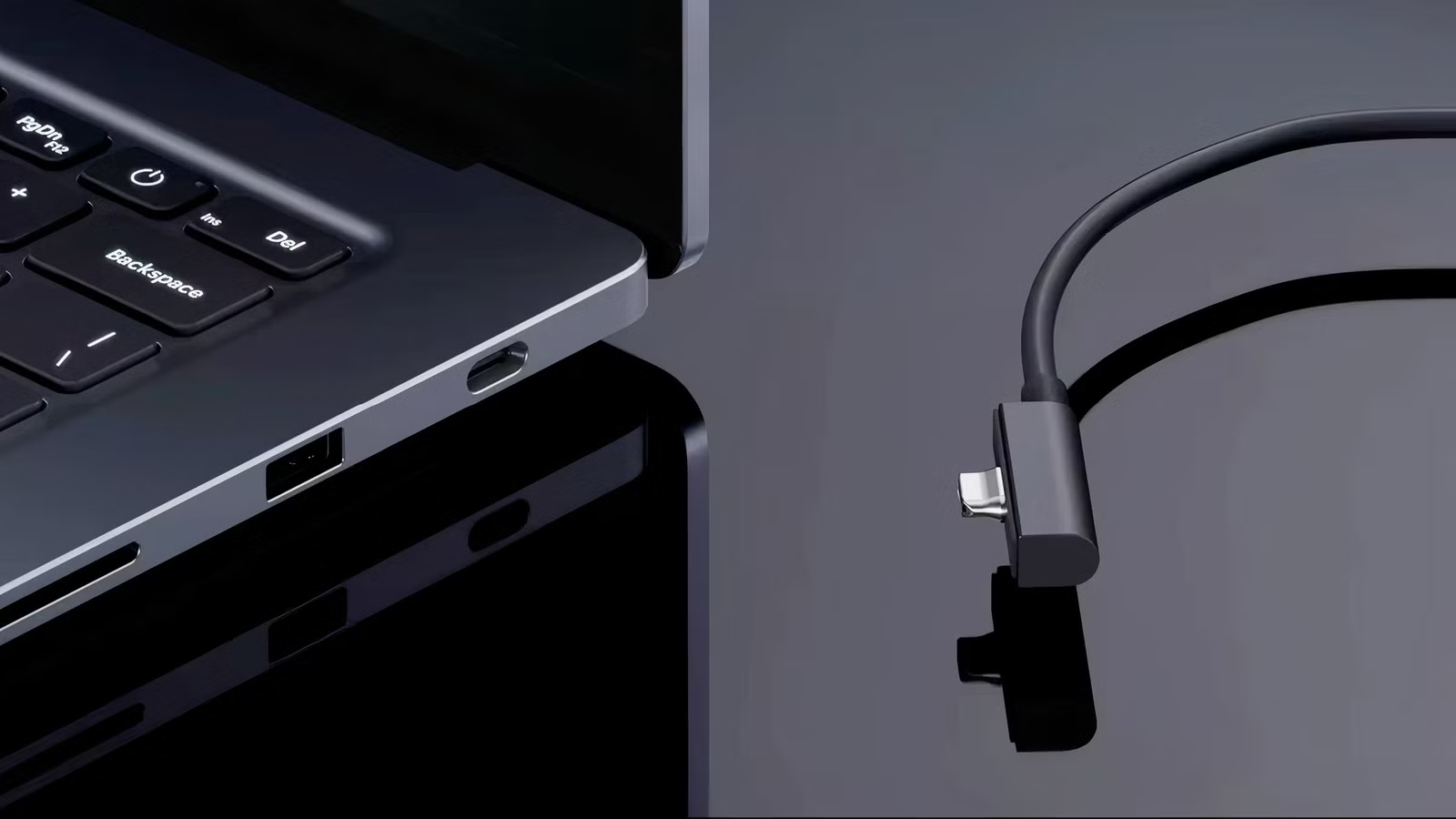
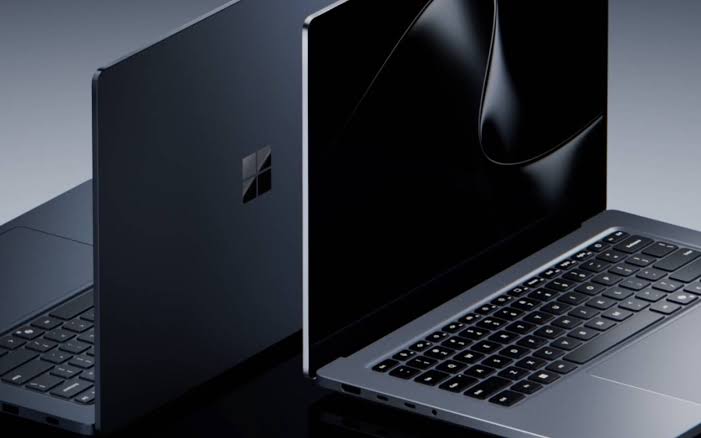
The centerpiece is the Surface Laptop Ultra, Microsoft’s first laptop built on Nvidia’s RTX Spark chips. That gives Nvidia a high-profile route into a Windows laptop market long controlled by Intel and AMD. Pricing starts at $2,599 with 24GB of memory and goes up to $5,899 for a configuration with a 20-core processor, 128GB of memory and 1TB of storage. That puts the entry model well above Apple’s $1,999 base MacBook Pro, although the Mac starts with less memory at 16GB.
The software story is arguably more important. Microsoft introduced Microsoft Execution Containers, or MXC, a security layer intended to stop AI agents from accessing data or performing actions they haven’t been authorised to take. IT departments can set rules for what agents are allowed to do, and Windows enforces those rules on each machine. Anthropic, OpenAI and Nvidia have signed on, while Meta’s Muse assistant will arrive as a native Windows app built on the same protections. The open-source agent OpenClaw is also compatible. As autonomous agents gain access to files, accounts and code, this kind of sandboxing is quickly becoming essential, and Apple is working on tighter controls for agents seeking full disk access on the Mac.
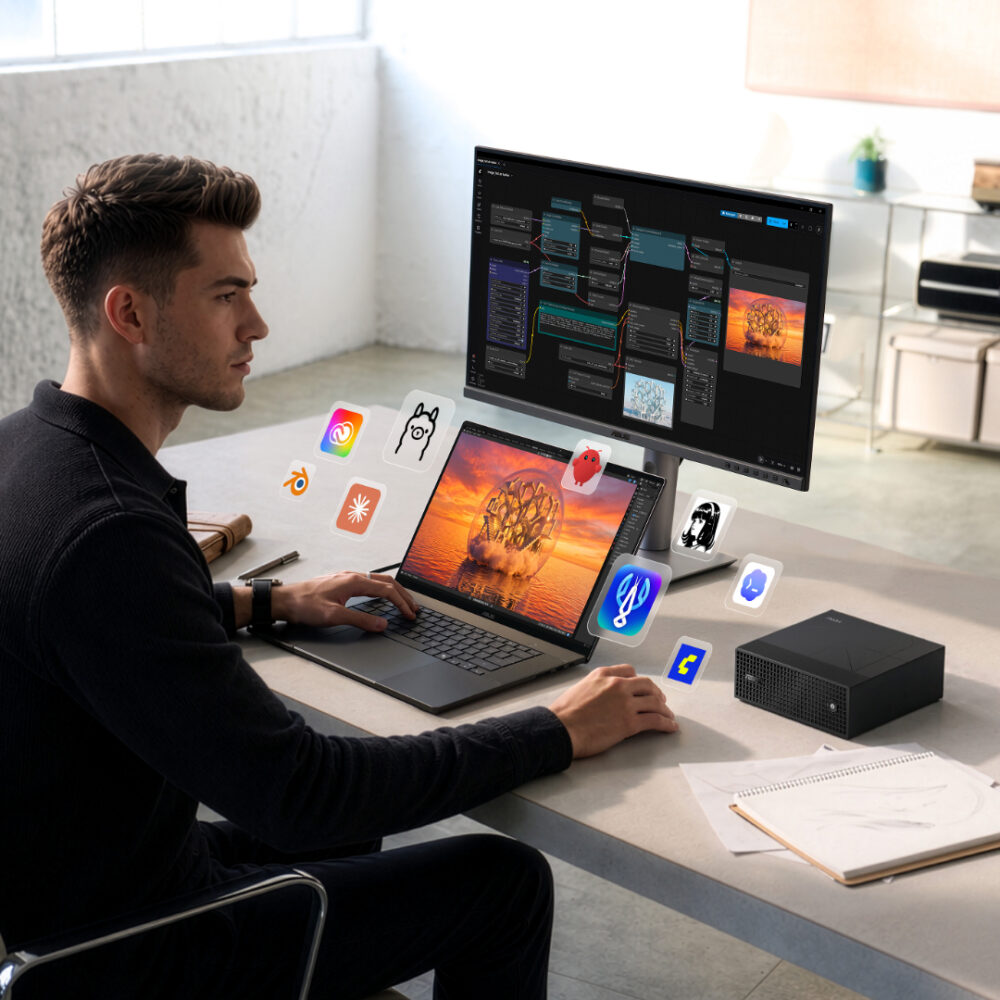
Microsoft is also moving more models onto local hardware. Nvidia’s open-source Nemotron can now run directly on high-end Windows machines. Microsoft says a version of DeepSeek V4 can run on systems with at least 60GB of memory and beat GPT-5 on some coding and reasoning tasks. Microsoft also showed a new AI coding model designed to run locally. Copilot will become a hybrid, sending demanding requests to the cloud while handling cheaper or more private tasks on the device.
There’s a clear business motive behind all this. Every AI task that runs on a customer’s laptop is one Microsoft doesn’t have to pay for in Azure, while the buyer covers the hardware cost.
That makes pricing the biggest problem. When Microsoft first promoted on-device AI with Copilot+ PCs two years ago, most of those laptops cost less than $2,000. A memory shortage has since pushed costs sharply higher. Nvidia’s DGX Spark desktop, for example, now costs $6,950, about 75 percent more than at launch. Analysts point out that the timing has flipped: the hardware was affordable before the software was ready, and now the software is ready but the hardware isn’t affordable. Until memory prices fall, local AI looks set to remain something only well-funded buyers can afford.