

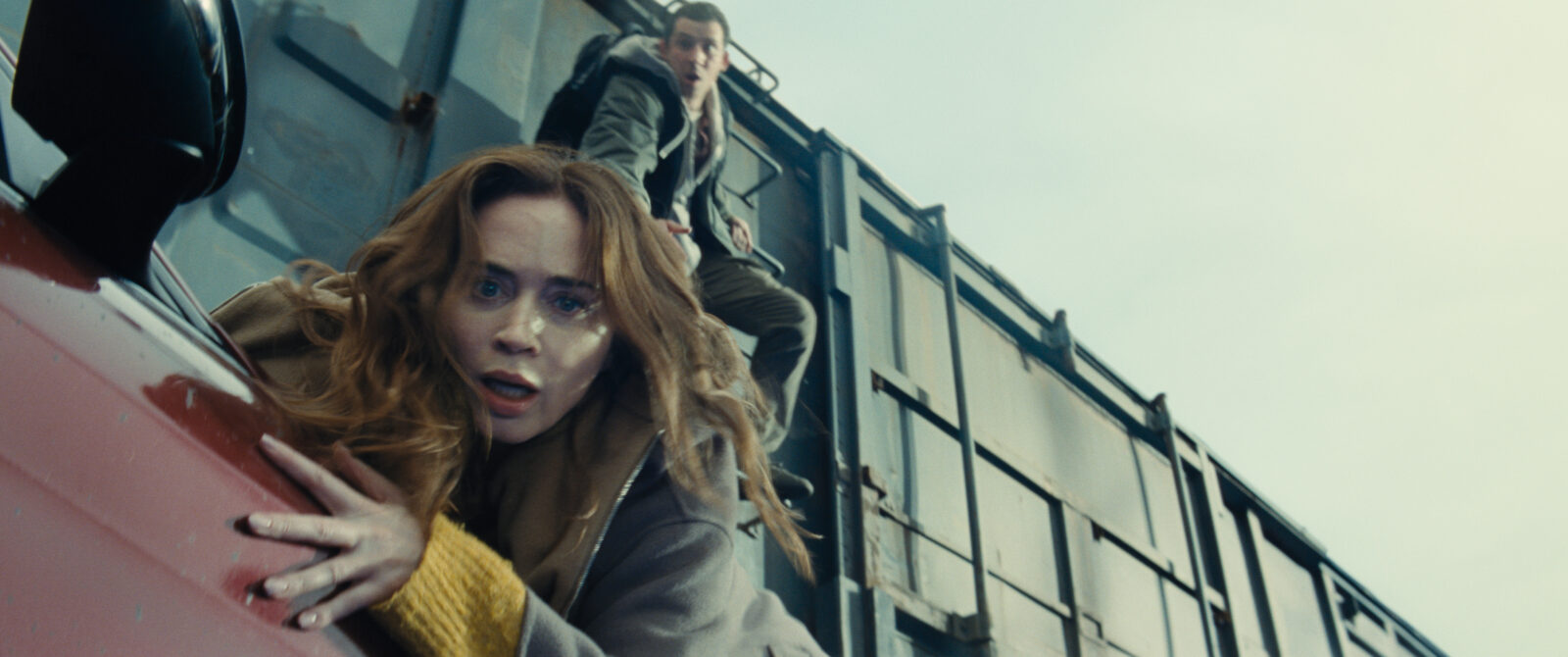
Steven Spielberg returns to the science fiction genre with Disclosure Day, a new film that explores the hypothetical moment when humanity confronts evidence of extraterrestrial life. Scheduled for regional release on 10 June, the movie arrives at a time when public fascination with unidentified aerial phenomena and government transparency on such topics has rarely been higher.
The story, conceived by Spielberg, features a screenplay by David Koepp, a longtime collaborator responsible for earlier hits including Jurassic Park, War of the Worlds, and the most recent Jurassic World installment. This creative pairing brings a certain pedigree to the project, though it also invites inevitable comparisons to Spielberg’s previous extraterrestrial tales like Close Encounters of the Third Kind and E.T. the Extra-Terrestrial, films that shaped how generations view the possibility of contact with other intelligences.
Leading the cast are Emily Blunt, Josh O’Connor, Colin Firth, Eve Hewson, and Colman Domingo. Their involvement suggests a focus on human drama amid larger cosmic questions, rather than pure spectacle. The narrative appears centered on the psychological and societal impact of sudden disclosure, asking audiences to consider how eight billion people might react to confirmed proof that we are not alone. Would it bring unity, panic, or something more complicated? Such themes echo real-world debates around declassified U.S. government reports on UAP sightings in recent years, adding a layer of timely relevance.
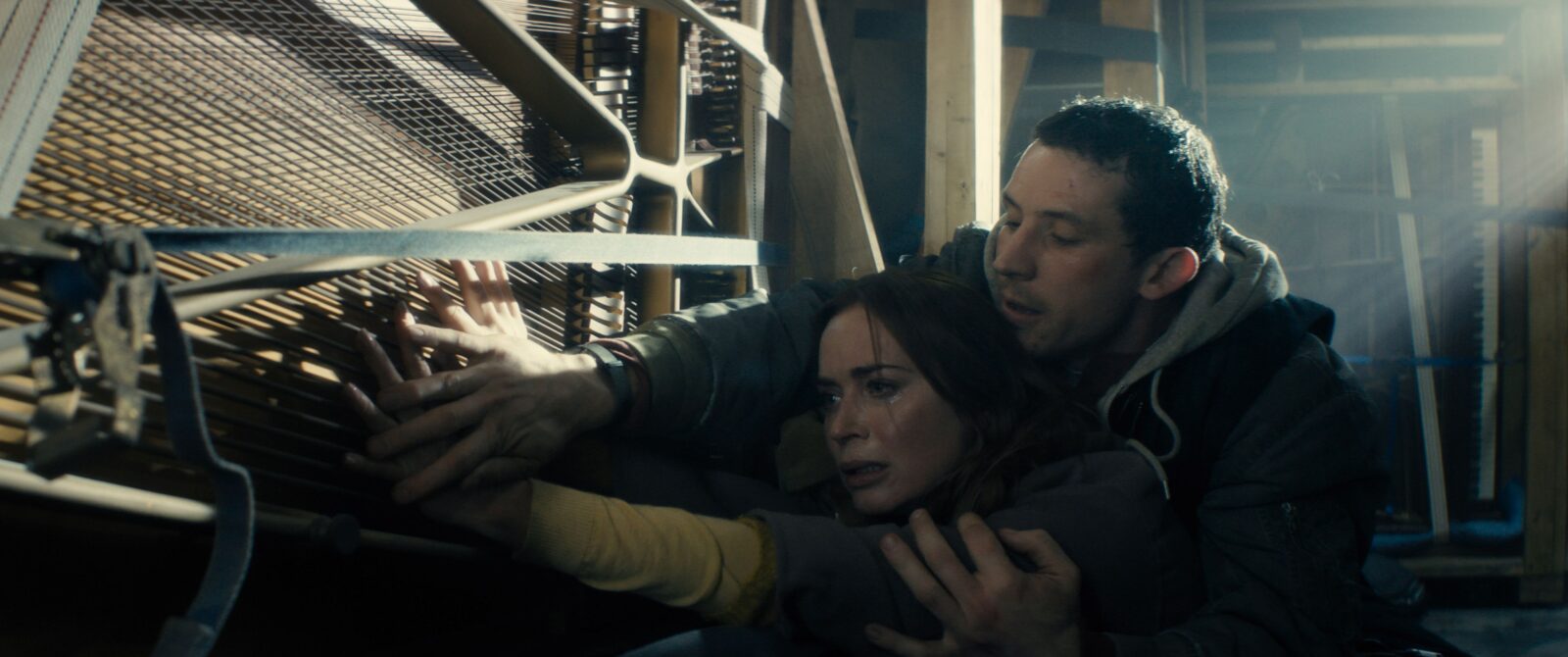
Produced through Amblin Entertainment with Kristie Macosko Krieger, the film positions itself as an event movie for the summer season. Spielberg’s track record as one of cinema’s most commercially successful directors lends weight to the endeavor. His body of work, spanning Jaws, Schindler’s List, and Saving Private Ryan, demonstrates a consistent ability to blend spectacle with emotional depth. Yet his later output, including The Fabelmans, has sometimes leaned more introspective, prompting questions about whether Disclosure Day will recapture the broad audience appeal of his 1970s and 80s genre landmarks or reflect a more measured, contemporary tone.
Koepp’s contributions have historically delivered reliable box office results, but the challenge here lies in delivering fresh insight into a premise that popular culture has revisited frequently, from The Day the Earth Stood Still to Arrival. Success will likely depend on balancing wonder with grounded human consequences rather than relying solely on visual effects or star power.
For audiences in the region, Disclosure Day offers another opportunity to experience Spielberg’s perspective on one of humanity’s oldest questions. Whether it delivers lasting impact or functions mainly as polished entertainment remains to be seen, but its arrival underscores cinema’s enduring role in processing collective anxieties and hopes about our place in the universe.