
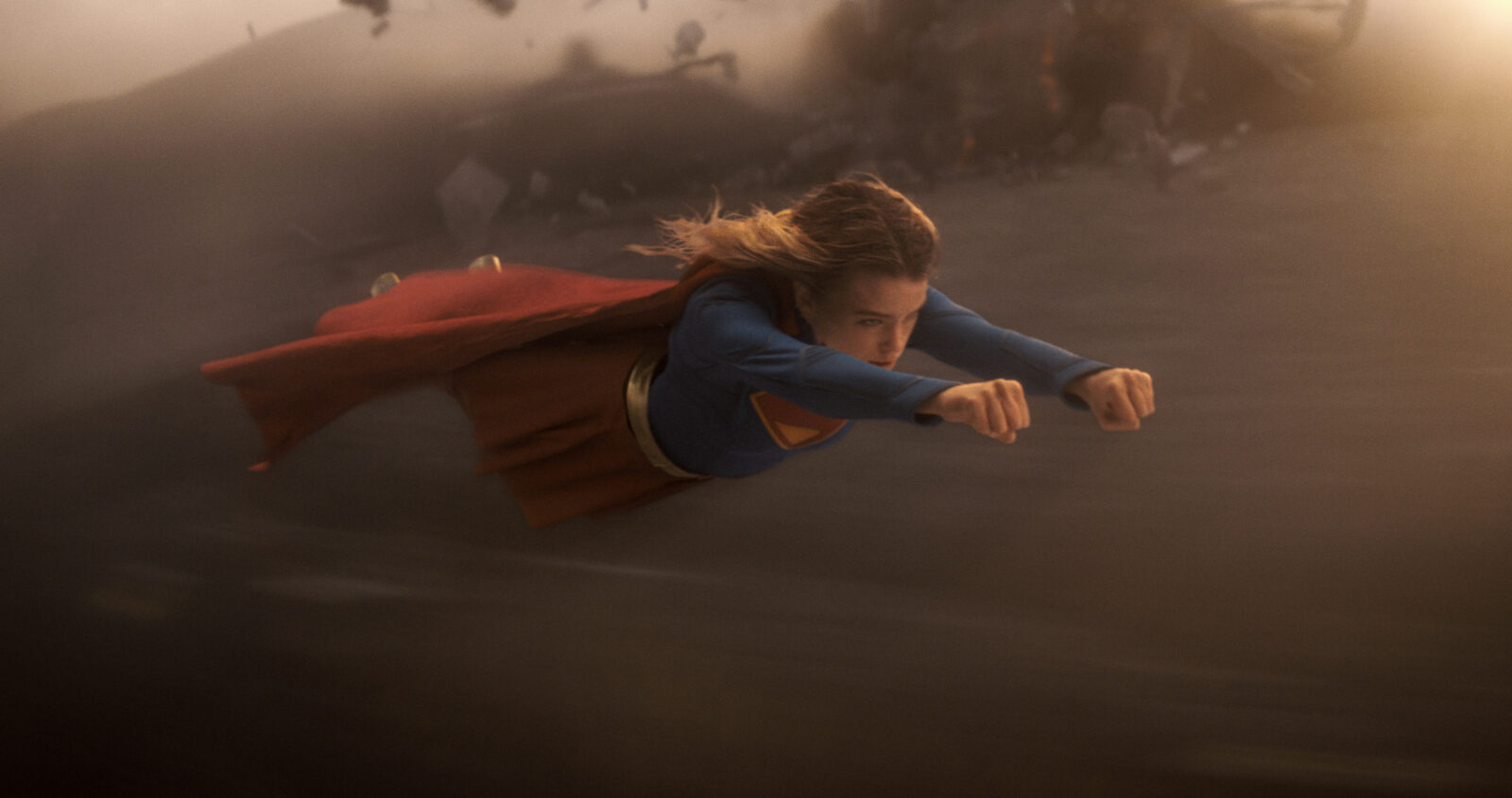
Supergirl arrives in theaters across the region on June 25, offering another installment in the evolving DC cinematic landscape. Milly Alcock takes on the role of Kara Zor-El, the Kryptonian cousin of Superman, in a story that draws from the comics’ long tradition of exploring her distinct path separate from her more famous relative. Directed by Craig Gillespie from a screenplay by Ana Nogueira, the film positions itself as the second major entry in the current DC Universe reboot, following last year’s Superman.
The plot follows Kara as an unexpected adversary disrupts her life, prompting a reluctant interstellar journey of vengeance and justice alongside an unlikely companion. This setup echoes elements from Tom King’s “Supergirl: Woman of Tomorrow” comic, leaning into themes of loss, resilience, and moral complexity rather than straightforward heroics. Alcock, known for her work in House of the Dragon, brings a portrayal described in early reports as more jaded and battle-hardened than previous screen versions of the character, which could mark a departure from the optimistic tone often associated with the Superman family.
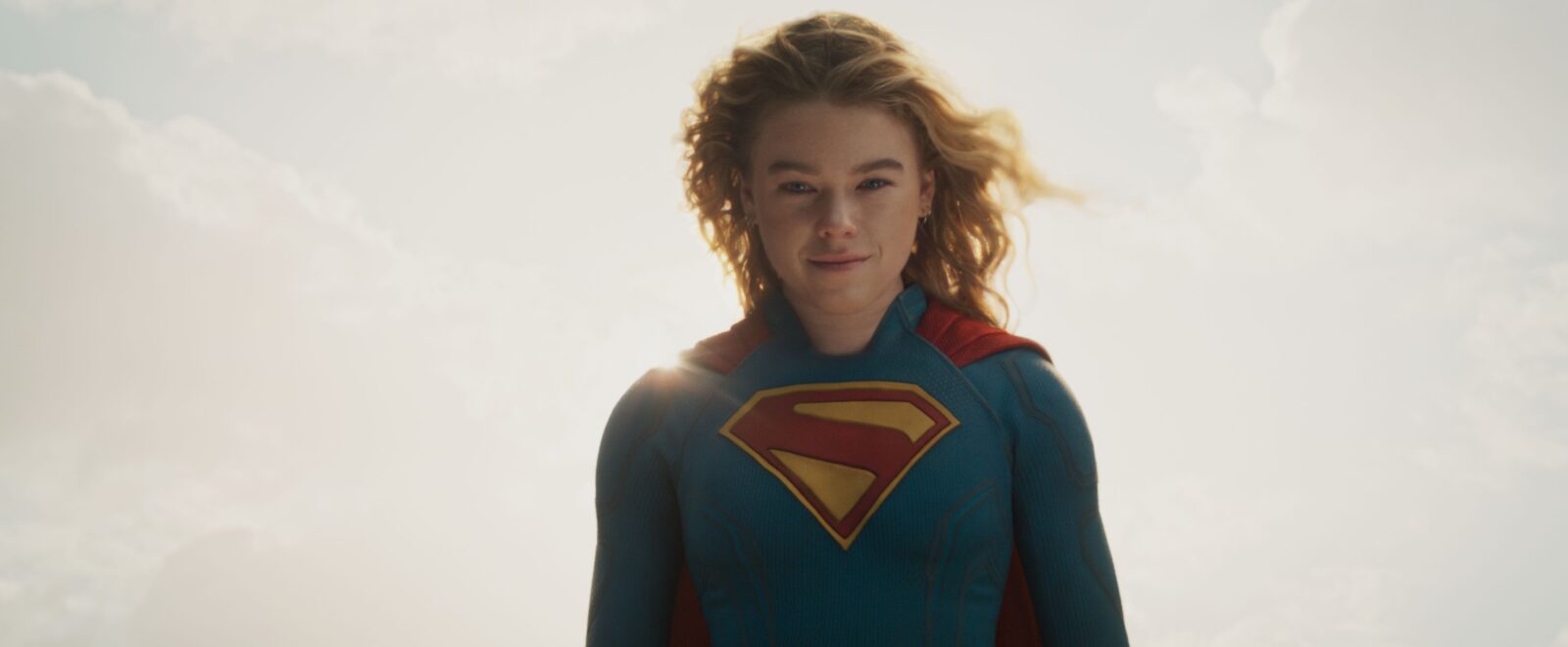
Joining Alcock is a supporting cast that includes Matthias Schoenaerts as the antagonist Krem of the Yellow Hills, Eve Ridley as Ruthye Marye Knoll, David Krumholtz and Emily Beecham as Kara’s parents, with David Corenswet reprising his Superman role in what appears to be a limited capacity and Jason Momoa appearing as the chaotic Lobo. The ensemble suggests a mix of personal stakes and broader cosmic chaos, typical of DC’s expansive storytelling.
This iteration arrives at a time when superhero films face increasing scrutiny over originality and fatigue. Earlier Supergirl adaptations, including the 1984 Helen Slater vehicle and Melissa Benoist’s television series, offered lighter, more accessible takes on the character rooted in her 1959 comic debut by Otto Binder and Al Plastino. Here, the interstellar revenge angle introduces a grittier edge, potentially appealing to audiences seeking something beyond standard power fantasies, though it risks overlapping with the vengeance-driven narratives that have populated recent genre entries.
Behind the camera, Gillespie brings experience from character-driven dramas like I, Tonya, which may help ground the spectacle. The production credits a team including cinematographer Rob Hardy and visual effects supervisor Geoffrey Baumann, aiming for a visually ambitious scope across planets and confrontations. Producers James Gunn and Peter Safran oversee the project as part of their broader DCU strategy, which seeks to build interconnected stories with more consistent tone than past efforts.
As theaters prepare for its arrival, Supergirl stands as a test of the DCU’s ability to expand its roster with depth rather than mere escalation. It may not redefine the genre, but it offers a focused look at one hero’s complicated quest for justice in an unforgiving universe.