

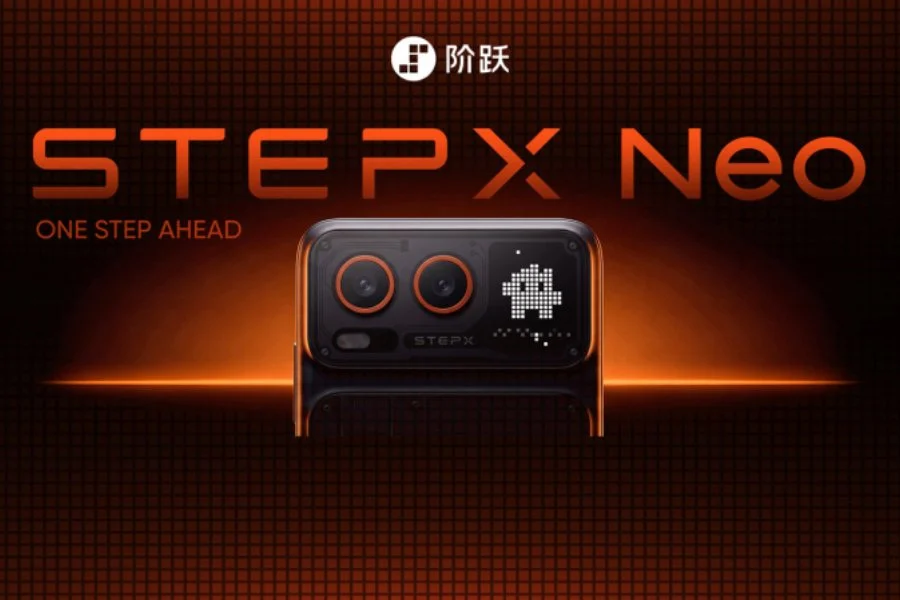
A Chinese AI startup called StepFun has introduced the StepX Neo, a smartphone designed around an integrated AI agent capable of handling multi-step tasks without constant user intervention. Founded in 2023 by former Microsoft employees, the company positions the device as an attempt to move beyond the fragmented AI tools currently found on most phones, where features like translation or photo editing often require navigating separate apps and repeated prompts. Instead, StepFun’s StepX Agent operates within a custom operating system called Step AOS, rebuilt from elements of Android, Linux, and real-time operating systems to enable more fluid interactions.
The agentic approach allows a single natural language command to trigger coordinated actions across apps, files, communication tools, and system functions. It can learn user preferences over time—for instance, defaulting to certain travel options based on past behavior—and functions offline for core operations. In travel scenarios, the phone supports real-time translation of conversations, messages, calls, and physical text like signs or menus across 32 languages, including dialects, without network access. It can also retrieve transit information, manage itineraries, or assist with forms even in areas with poor connectivity.

Step AOS relies on what StepFun terms an atomic capability engine, which categorizes device functions into communication, apps, files, and system tools for flexible combination. A natural user interface layer incorporating voice and vision adapts to individual habits, shifting the interaction model from manual navigation to intent-based requests. To support reliability, the system includes a memory framework separating user and agent data, a tiered decision process routing simple tasks to lighter models and complex ones to more capable ones, and security measures such as temporary permissions, audit logs, and one-tap reversals.
At the hardware level, Step Edge, an on-device foundation model developed by StepFun, powers these capabilities within typical phone constraints. The company claims strong performance across various benchmarks, though specific details remain undisclosed. This fits into StepFun’s broader “1+N” model strategy started in 2023. Pre-installed integrations with services like Ctrip for travel, Alipay for payments, Didi for rides, Meituan for local services, WPS for documents, and CapCut for video editing will determine whether the agent can truly execute complete workflows, such as booking trips or editing content end-to-end.
Current smartphone AI has advanced with on-device processing in recent flagships, yet most implementations still feel supplementary rather than transformative. StepFun’s effort reflects growing interest in autonomous agents that reduce friction, but practical challenges persist. Deep system integration raises questions about data privacy and security, especially given the reliance on a Chinese tech ecosystem. Offline performance will vary with hardware, and the agent’s learning could introduce inconsistencies or errors in unfamiliar contexts. Without announced pricing or availability, it remains unclear how the StepX Neo will compete against established players emphasizing similar but less ambitious AI features.
The device highlights an ongoing shift toward more proactive computing on mobile platforms. Success will hinge on real-world reliability rather than promises of seamless autonomy, particularly as competitors refine their own agent-like tools. For users weary of app-switching, the concept holds appeal, but execution in daily use will ultimately decide its impact.