


Skullcandy has updated its Crusher wireless headphones with elements of Bose’s audio technology, aiming to refine the bass-heavy listening experience that defines the lineup. The new Crusher 1080 ANC models incorporate Bose’s QuietControl active noise cancellation and TrueSpatial audio with head tracking, marking a notable shift for a brand long associated with exaggerated low-end emphasis rather than refined balance.
The Crusher series has carved out a niche since its earlier iterations by equipping each ear cup with both full-range drivers and dedicated bass units. This setup delivers the thumping lows favored by some listeners but often at the expense of clarity when the bass boost is maximized. Previous versions acknowledged this trade-off, and the 1080 ANC attempts to mitigate it through redesigned drivers featuring stiffer diaphragm materials. The changes reportedly yield better detail and reduced distortion even at elevated volumes. Users can still adjust the bass level via the Skullcandy app or physical controls, now including a more prominent dial on the ear cup exterior.
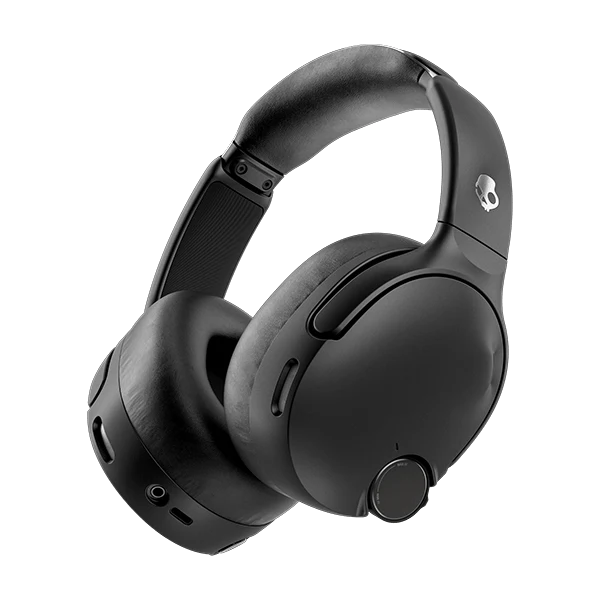
Priced at $280 and available in black, candy, primer, and cement finishes, the headphones enter a crowded premium segment where noise cancellation has become table stakes. Bose’s six-microphone QuietControl system adapts dynamically to changing environments, while its WaveForm audio engine seeks to maintain fuller, smoother sound. The inclusion of TrueSpatial audio with head tracking functions during movement, an uncommon trait outside Bose’s own products. SpeechClarity technology also helps isolate voices during calls. These additions position the Crusher 1080 ANC as more versatile than prior bass-focused models, though they raise questions about how much of the original Skullcandy character remains intact after leaning on a competitor’s expertise.
In the broader headphone market, partnerships like this reflect ongoing consolidation. Companies with strong bass identities face pressure from rivals offering sophisticated ANC without sacrificing mids and highs. Skullcandy’s approach highlights a practical compromise: borrow proven noise reduction and spatial tools to address longstanding weaknesses rather than reinventing them. Yet it also underscores the challenges smaller players encounter in competing on every technical front against established audio giants. At this price point, consumers might weigh whether the hybrid formula delivers meaningful improvements over dedicated Bose options or other third-party alternatives that have already integrated similar features.
Battery life and everyday ergonomics will likely determine real-world appeal, though early details focus more on the audio enhancements. The move could broaden Skullcandy’s reach beyond its traditional audience of bass enthusiasts into settings where clear calls and environmental awareness matter more, such as commuting or light exercise. Still, the reliance on external technology invites scrutiny over long-term differentiation—does this strengthen the Crusher identity, or does it blur it?
For listeners who prioritize adjustable rumble alongside capable noise blocking, the Crusher 1080 ANC represent an incremental step forward. They illustrate how the audio industry continues to blend distinct brand philosophies in pursuit of balanced performance, even if the results feel more evolutionary than transformative.