

Spotify has introduced Managed Accounts, a new option for parents seeking controlled access to its music service for children under 13. The feature addresses a common frustration in households: shared listening sessions that distort personalized recommendations and algorithms on adult accounts. Rather than forcing families to juggle multiple logins or endure mismatched playlists, the update creates dedicated profiles with built-in safeguards.
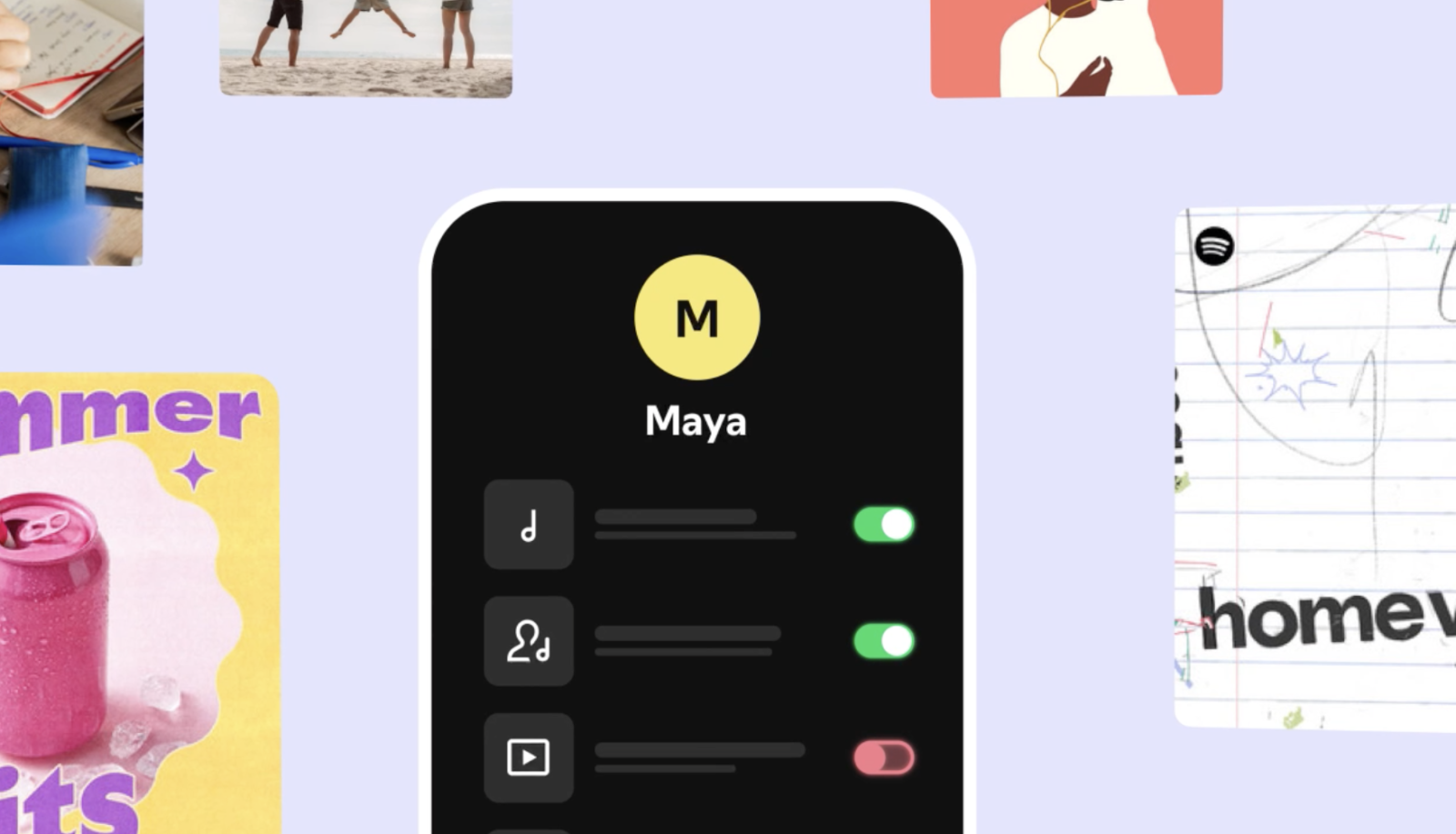
These Managed Accounts limit visibility and interaction from the start. Profiles remain unsearchable, relying on avatars instead of personal photos, while messaging and other social elements are disabled entirely. Explicit content is blocked by default, and access narrows to music only, excluding podcasts, audiobooks, and video features at launch. Parents retain flexibility to tweak these restrictions, approving specific artists or adjusting filters as needed. The system builds on earlier tests within Premium Family plans but now extends more broadly to users in countries including the United States, United Kingdom, Australia, France, Germany, and the Netherlands, with additional markets expected soon.
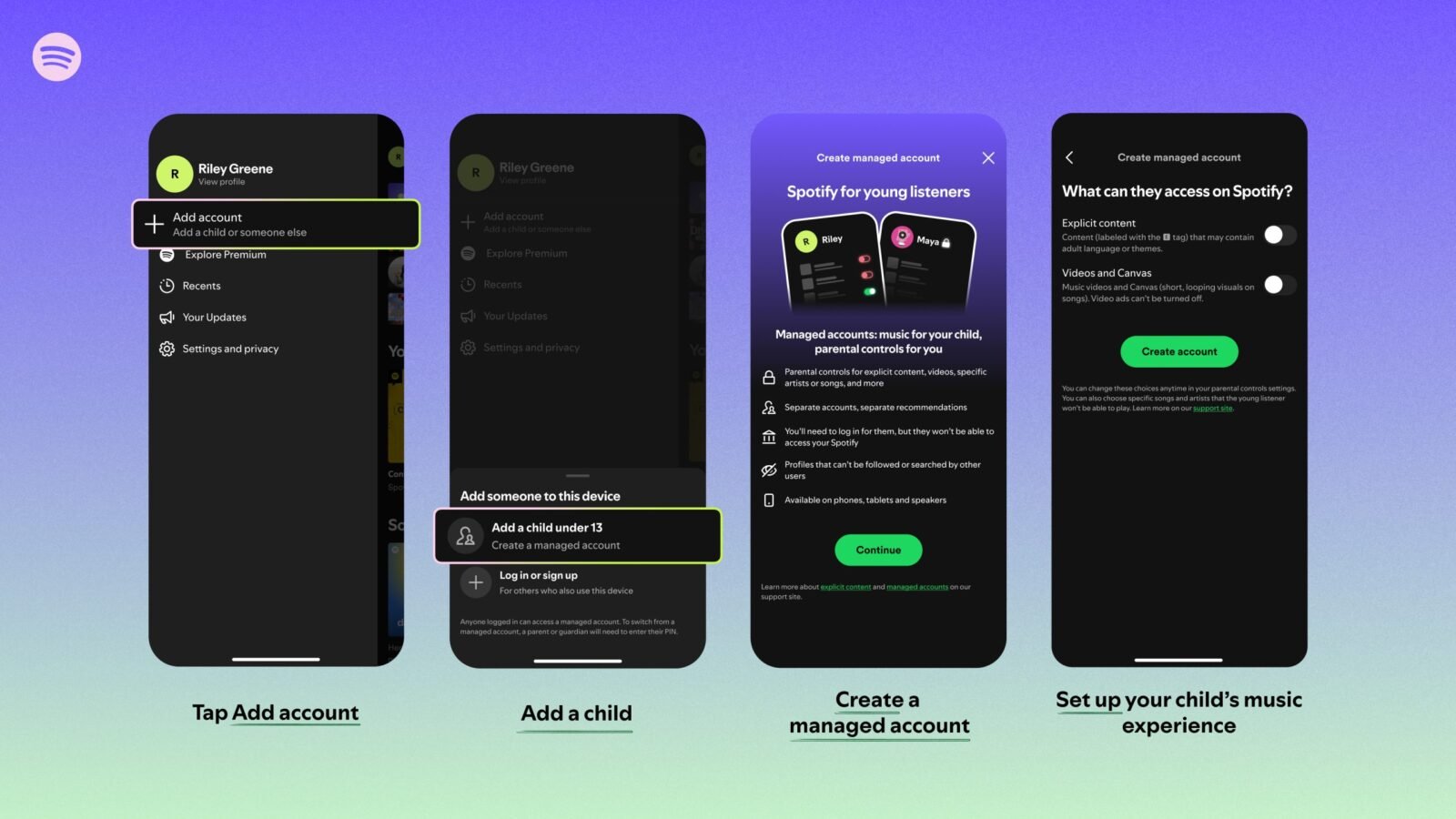
This development reflects broader industry efforts to balance child safety with engagement in streaming platforms. Streaming services have long grappled with family use cases, from accidental algorithm pollution to concerns over content exposure. Competitors like Apple Music and YouTube have offered parental tools for years, though implementation varies in strictness and usability. Spotify’s approach prioritizes simplicity, allowing device sharing through PIN-protected primary accounts. Children on these profiles can still enjoy a personalized year-end Wrapped summary, preserving some of the service’s signature end-of-year appeal without contaminating parental data.
Critically, the rollout highlights ongoing tensions in digital media for younger audiences. While restrictions reduce immediate risks, they also underscore how platforms collect listening habits even in supervised environments. Parents must remain vigilant about data practices, as personalized recommendations inherently rely on behavioral tracking. The upgrade path to full accounts after age 13 adds a layer of gradual independence, though it places responsibility on families to manage that transition thoughtfully.
For parents tired of skipping explicit tracks or explaining why certain songs dominate recommendations, Managed Accounts offer a practical solution. They acknowledge that music discovery often spans generations yet requires boundaries. Early users may appreciate the reduced friction in daily listening, but success will depend on how effectively Spotify maintains these guardrails amid evolving content catalogs and user feedback. As with many platform features aimed at families, the real test lies in execution rather than announcement.
The change arrives at a time when streaming dominates home entertainment, and families seek tools that respect both parental oversight and children’s growing autonomy. It provides a cleaner separation of experiences without eliminating shared joy in music altogether.