

OpenAI has introduced a series of adjustments to ChatGPT aimed at younger users, focusing on age-appropriate safeguards and tools that blend protection with educational features. The changes reflect a broader recognition that many teenagers already turn to the chatbot regularly, with estimates suggesting nearly 90 percent engage with it weekly for schoolwork, research, or basic organization. Rather than restricting access outright, the company has opted for layered defaults that activate when the system detects or assumes a user is under 18, prioritizing caution around sensitive topics.
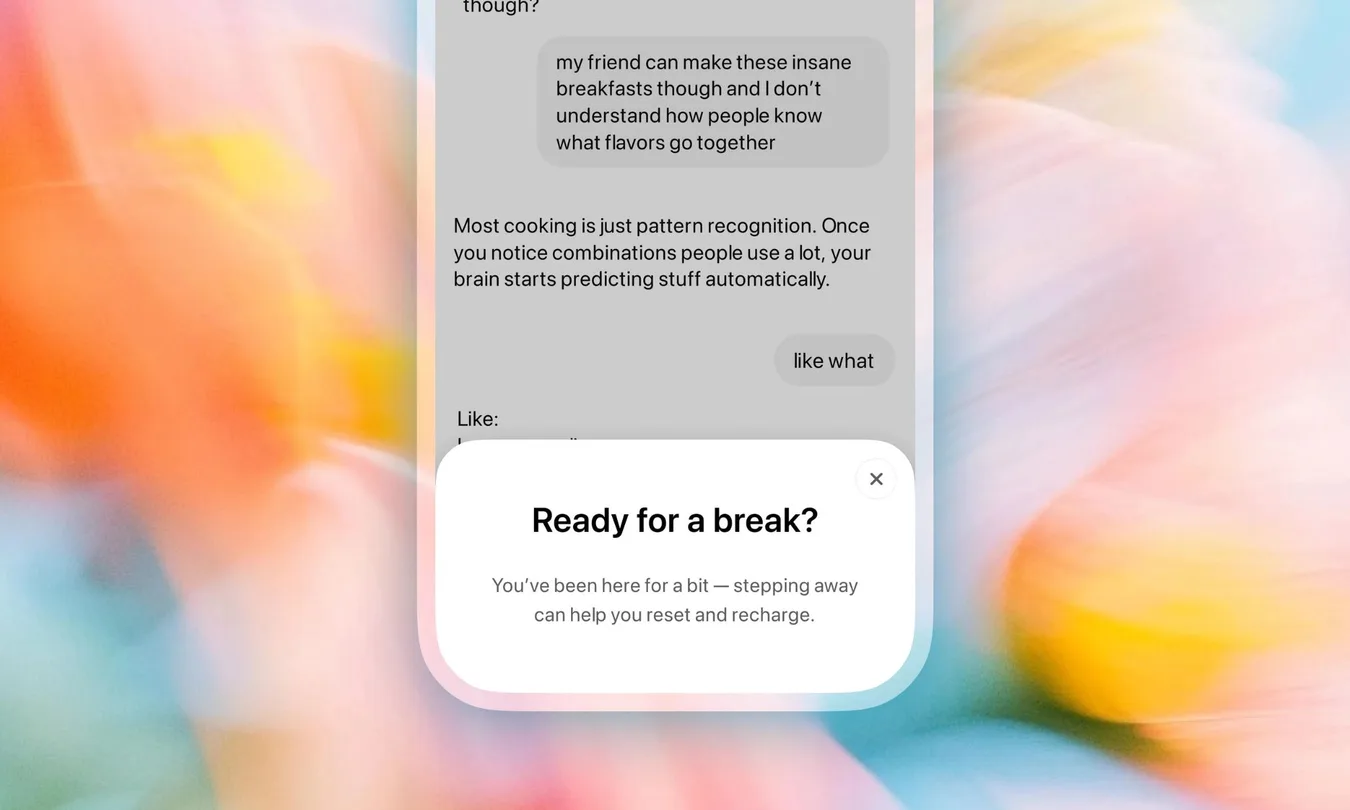
At the core of this update are stronger filters blocking graphic violence, discussions of self-harm, unhealthy body ideals, and dangerous online trends. Long conversations now trigger more frequent reminders for users to step away, a practical nod to concerns over screen fatigue that have grown alongside generative AI’s rise. Parents gain additional levers too, such as scheduling quiet periods, turning off voice interactions, restricting image creation, and receiving alerts for potentially serious issues. These controls build on existing family features but extend them in ways that feel responsive to real-world worries about unsupervised AI use.
Education forms another pillar. A new Study Mode, shaped with input from teachers and learning specialists, shifts the chatbot away from simply delivering answers toward guided problem-solving. It walks students through steps, encouraging deeper understanding rather than shortcutting the process. Parents can enforce this as the default setting, while supplementary prompts tailored for assignments and interactive aids for math and science expand the toolkit. OpenAI notes these elements now reach millions of users across hundreds of topics each week, positioning the service as something more than a quick-reference engine.
Yet this expansion invites measured scrutiny. Teen adoption of AI tools has accelerated rapidly, echoing past waves of technology entering classrooms—from calculators to early search engines—where initial enthusiasm often outpaced guidance on responsible integration. While the intent to prepare young people for an AI-saturated future holds merit, implementation raises questions about accuracy in age detection and the balance between safety and overreach. False positives could limit legitimate exploration, and reliance on corporate defaults risks uneven application across diverse family contexts. Historical parallels, such as social media’s teen safety features evolving through trial and error after early missteps, suggest ongoing refinement will be necessary rather than a one-time fix.
The broader context includes complementary updates like improved search across chats, files, and images, which address practical frustrations for all users. Still, the teen-specific measures stand out for their focus on harm reduction without fully resolving deeper societal debates around AI literacy and mental health. In practice, these tools may help mitigate risks in an environment where generative systems are increasingly embedded in daily life, but they also highlight the limits of technical solutions to what remain fundamentally human challenges. Families and educators will likely need to pair them with ongoing conversation and critical thinking, rather than treating them as complete safeguards.