
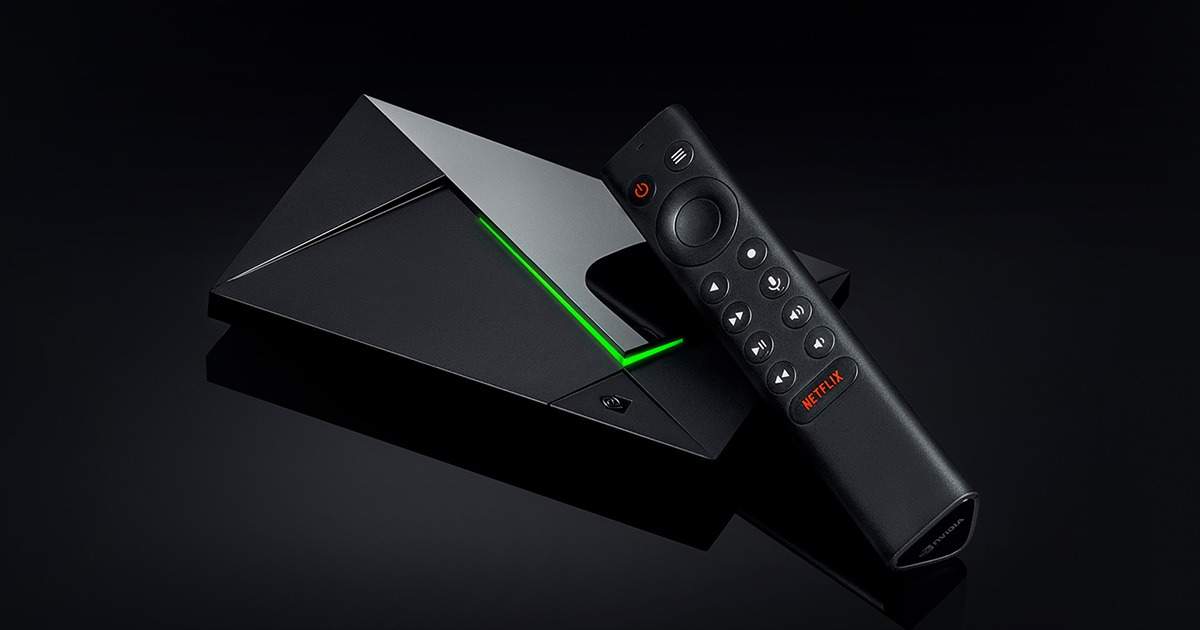
Nvidia appears to have quietly discontinued the standard Shield TV streaming device, leaving only the higher-priced Pro model available for purchase. First released in 2019 alongside its Pro counterpart, the tube-shaped Shield TV carved out a niche among enthusiasts who valued its Android TV platform and flexibility for sideloading apps and customization. Even after more than six years, these devices have held on in a market increasingly dominated by locked-down alternatives, though their hardware now shows its age.
The standard version originally sold for $150 and offered 2GB of RAM paired with 8GB of storage, while sharing the same Tegra X1+ processor found in the $200 Pro edition. That Pro model adds more RAM and storage in a set-top box form factor, along with features like Gigabit Ethernet. For users who did not require the extra resources, the base Shield TV delivered much of the same experience at a lower entry point. Its open nature stood in contrast to recent shifts, such as Amazon’s move toward a Vega OS on Fire TV Sticks that restricts sideloading entirely. This customizability has kept the Shield relevant for those seeking more control over their streaming setup.
Retail signals point clearly to the end for the standard model. Nvidia no longer lists it for direct sale, and major partners like B&H Photo Video have marked it as discontinued. Other outlets, including Best Buy and Newegg, show it as unavailable in new condition or out of stock with uncertain restocking prospects. While it is possible this reflects temporary supply constraints, the pattern across channels suggests a deliberate phase-out. The Pro version remains in stock at Nvidia’s site and retailers including Amazon and Best Buy, though prolonged global memory shortages could eventually pressure its availability as well.
This development highlights broader challenges in the streaming device space. Launched when 4K HDR was still gaining traction, the Shield hardware lacks support for newer codecs like AV1 and formats such as HDR10+. These omissions limit future-proofing as content providers push efficiency improvements and advanced picture quality. Yet Nvidia has maintained software updates, with the most recent arriving in February 2026, keeping the devices functional for everyday use. In an interview with Ars Technica earlier this year, the company’s senior VP of hardware engineering, Andrew Bell, acknowledged ongoing internal discussions about potential new models, expressing personal interest without committing to timelines. Nvidia’s heavy emphasis on AI initiatives may explain why a refreshed Shield does not appear to be an immediate priority.
For power users, the remaining Pro option still provides a capable Android TV experience with support for 4K HDR, Dolby Vision, and advanced audio. It has earned loyalty from those who appreciate its longevity compared to faster-updating but more restricted competitors. That said, seven years is a long run for consumer electronics in this category, and the absence of a clear successor raises questions about Nvidia’s commitment to the lineup moving forward. Enthusiasts may find themselves weighing upgrades sooner than expected if current stock depletes.