
Netflix is reportedly in early discussions to acquire Letterboxd, the popular film rating and review platform, alongside several other potential buyers from Hollywood and beyond. The news, which surfaced via Puck, highlights ongoing shifts in how online spaces for movie conversation are controlled, raising familiar questions about independence in an era of corporate consolidation.
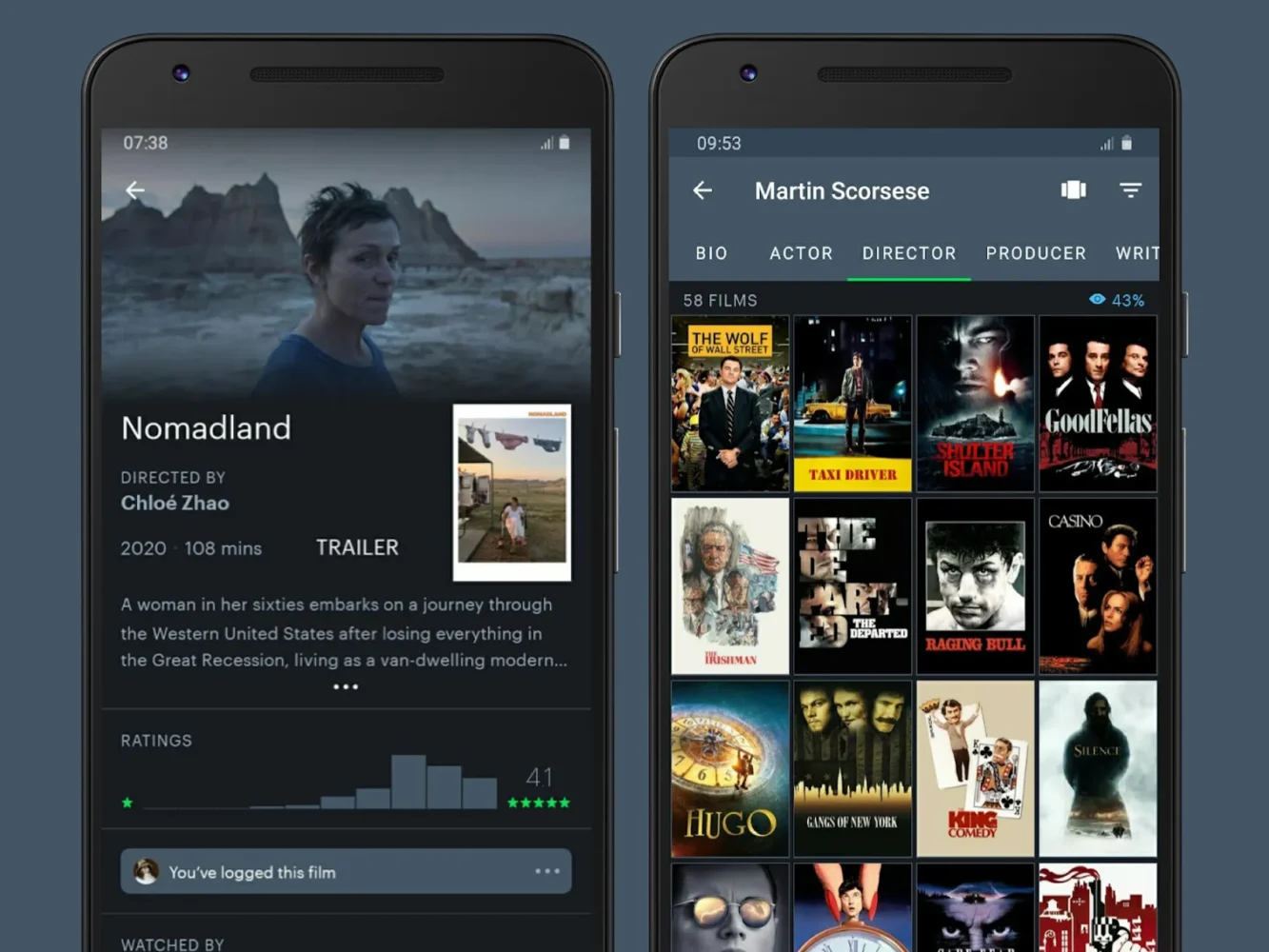
Letterboxd, launched in 2011, allows users to log films, write reviews, and connect over shared tastes. It has grown to more than 30 million registered users, carving out a niche as a relatively unfiltered hub for serious and casual cinephiles alike. Unlike broader review aggregators, it emphasizes personal lists, diary entries, and community-driven discovery, fostering everything from passionate defenses of overlooked classics to debates on mainstream blockbusters. This organic feel has made it influential in shaping online film discourse, often surfacing titles that might otherwise slip under the radar.
The potential sale stems from Tiny, a company that bought a 60% stake in Letterboxd for around $50 million previously, now exploring an exit. Reports peg the platform’s current valuation near $250 million. Other interested parties include Sony Pictures, Paramount, private equity firms such as TPG and RedBird, Reddit co-founder Alexis Ohanian, and entities tied to Fandango and Rotten Tomatoes. A public-benefit corporation called Intrinsic Entertainment Collaborative has even started a crowdfunding effort to keep the site from falling into hands that might dilute its character.
Concerns center on what ownership by a major studio or streamer could mean for editorial integrity. Users worry that feeds and recommendations might tilt toward the buyer’s catalog, echoing past examples like Amazon’s influence on IMDb. Private equity involvement could push heavier monetization through ads or premium tiers, a common trajectory for once-independent social platforms. In a landscape where social media increasingly belongs to powerful individuals and conglomerates, from Musk’s X to Meta’s properties, the stakes feel high. Letterboxd’s appeal has always been its distance from direct industry pressure; many fear that distance could shrink.
This moment fits a longer pattern. Film discussion sites have cycled through waves of enthusiasm and skepticism toward corporate stewardship. Earlier platforms showed how algorithmic tweaks or ownership changes can quietly reshape what gains visibility. At the same time, Letterboxd’s success reflects deeper audience hunger for authentic spaces amid polished studio marketing. Whether a buyer like Netflix, which already wields enormous sway over viewing habits, would preserve that authenticity remains an open question. Past acquisitions in entertainment suggest caution is warranted, as commercial priorities often prevail over community ones.
For now, the talks are preliminary, and no deal is certain. The outcome could influence not just how people rate and discover movies online, but the broader health of independent digital spaces for cultural conversation. Letterboxd’s trajectory offers a useful case study in the tensions between growth, independence, and inevitable commercial realities.