
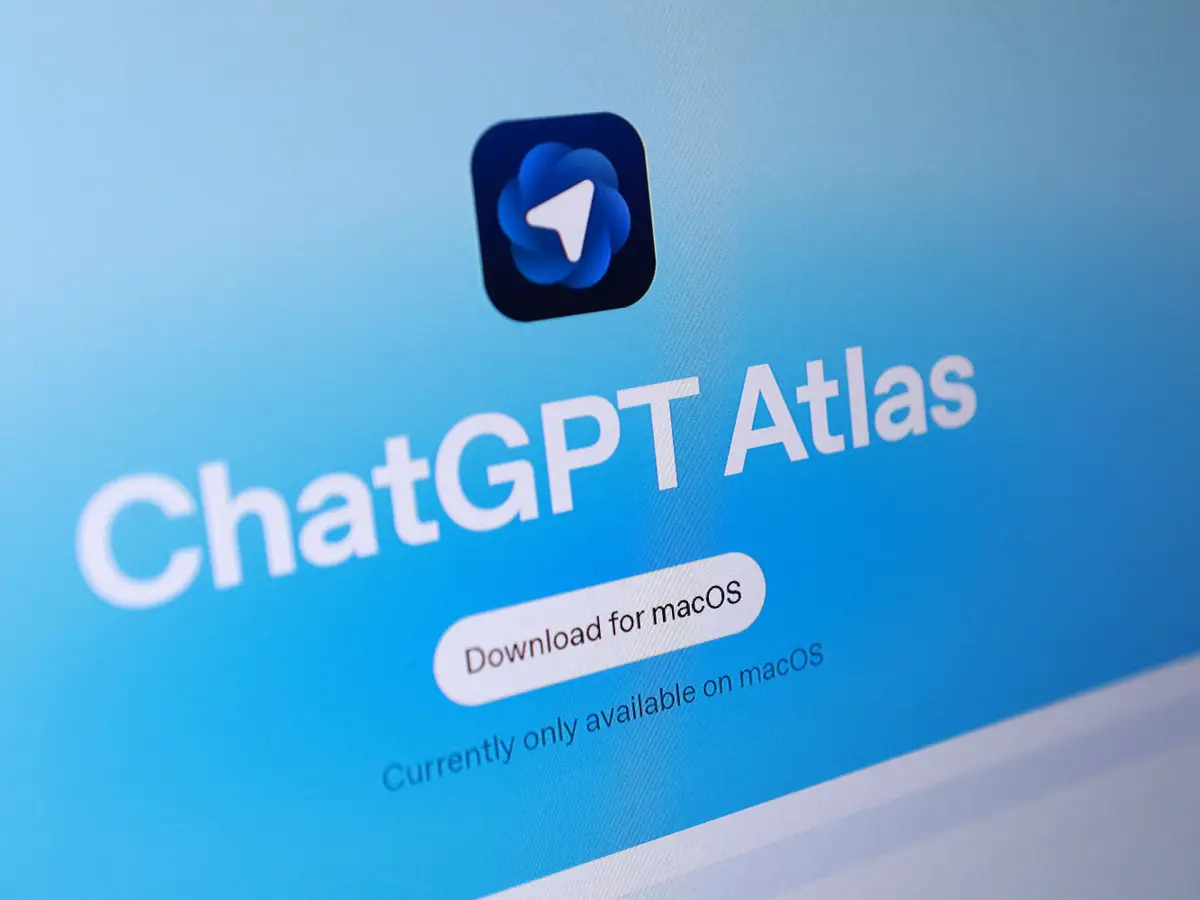
OpenAI is retiring its ChatGPT Atlas browser, barely a year after its debut, as the company shifts focus toward deeper integration within a revamped desktop application. The move, announced in early July 2026, underscores the experimental and often short-lived nature of many AI-driven tools in a market that demands both novelty and practical utility.
Atlas arrived last October as a Chromium-based browser for macOS, tightly linked to OpenAI’s chatbot. It aimed to blend conversational AI with everyday web navigation, featuring an “Agent” mode capable of taking control to automate tasks. In practice, however, the browser struggled to differentiate itself. Standard web surfing felt unremarkable compared to established alternatives, and the agent functionality proved inconsistent—often slower than manual effort and restricted to paid subscribers. These limitations highlighted a common challenge in current AI applications: promising autonomy that falls short in real-world speed and reliability.
The decision to sunset Atlas aligns with OpenAI’s broader push into a more ambitious ChatGPT desktop app. This updated platform incorporates the company’s Codex coding assistant, a built-in browser for research and data gathering, and “ChatGPT Work,” which interacts across other applications and files. Users can now direct the system to analyze markets, cross-reference sources, or handle documents from services like Google Workspace and Microsoft 365, all while maintaining context across steps. OpenAI has framed these features as building directly on insights from Atlas users, effectively absorbing the standalone browser’s role rather than sustaining it separately.
A targeted deprecation date of August 9 has been mentioned, with further details to follow via in-app notifications and email. Notably, plans for a Windows version of Atlas have been dropped, though the core ChatGPT desktop app remains available on both Mac and Windows platforms. This pivot reflects a strategic consolidation, common in tech where initial experiments give way to unified experiences that prioritize convenience over specialized tools.
The browser’s exit echoes the earlier closure of OpenAI’s Sora app, another short-lived venture that failed to gain lasting traction. Such rapid turnarounds are not unusual in the AI sector, where companies iterate quickly amid intense competition and evolving user expectations. Yet they also raise questions about resource allocation and user trust—those who adopted Atlas early may feel the product’s brief lifespan reflects the speculative pace of development rather than polished execution.
Critics might note that while the integrated desktop app offers expanded capabilities, it also centralizes more user activity within OpenAI’s ecosystem, potentially amplifying concerns around data handling and dependency. Broader industry context includes ongoing debates about AI’s role in browsers, with some competitors like Vivaldi explicitly resisting heavy AI integration to preserve traditional functionality and user control.
Overall, Atlas’s retirement illustrates the fluid boundaries between chat interfaces, productivity tools, and web browsers in today’s landscape. As OpenAI refines its offerings, the focus appears to be on seamless, agent-like assistance that moves beyond novelty toward tangible workflow improvements—though sustained real-world performance will ultimately determine their staying power.