
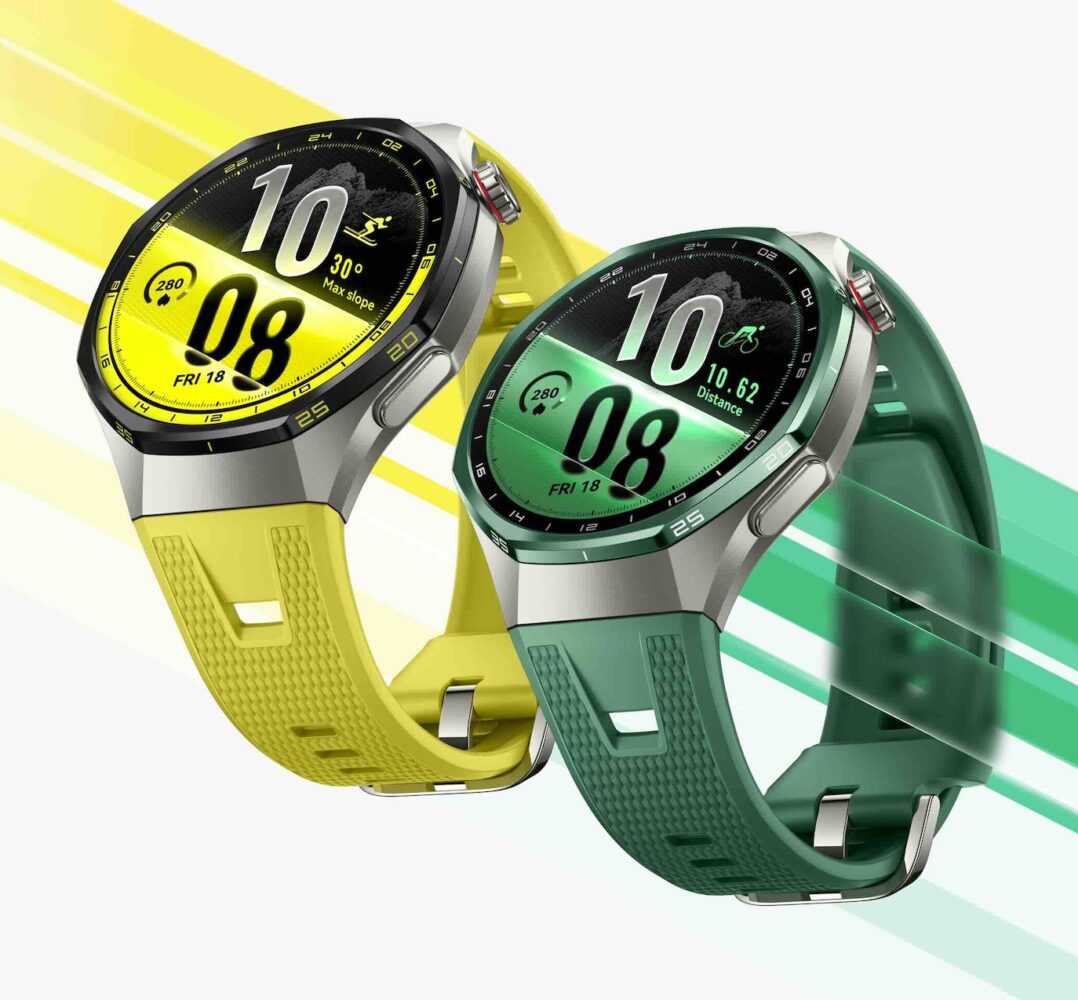
Huawei is pushing its smartwatch ambitions deeper into health monitoring with the HUAWEI WATCH GT 7 Series, unveiled at the company’s global “Chase the Wild” launch event in Munich. The new generation combines expanded outdoor sports tracking with upgraded wellness features, longer-term health analysis and new hardware options across the range.
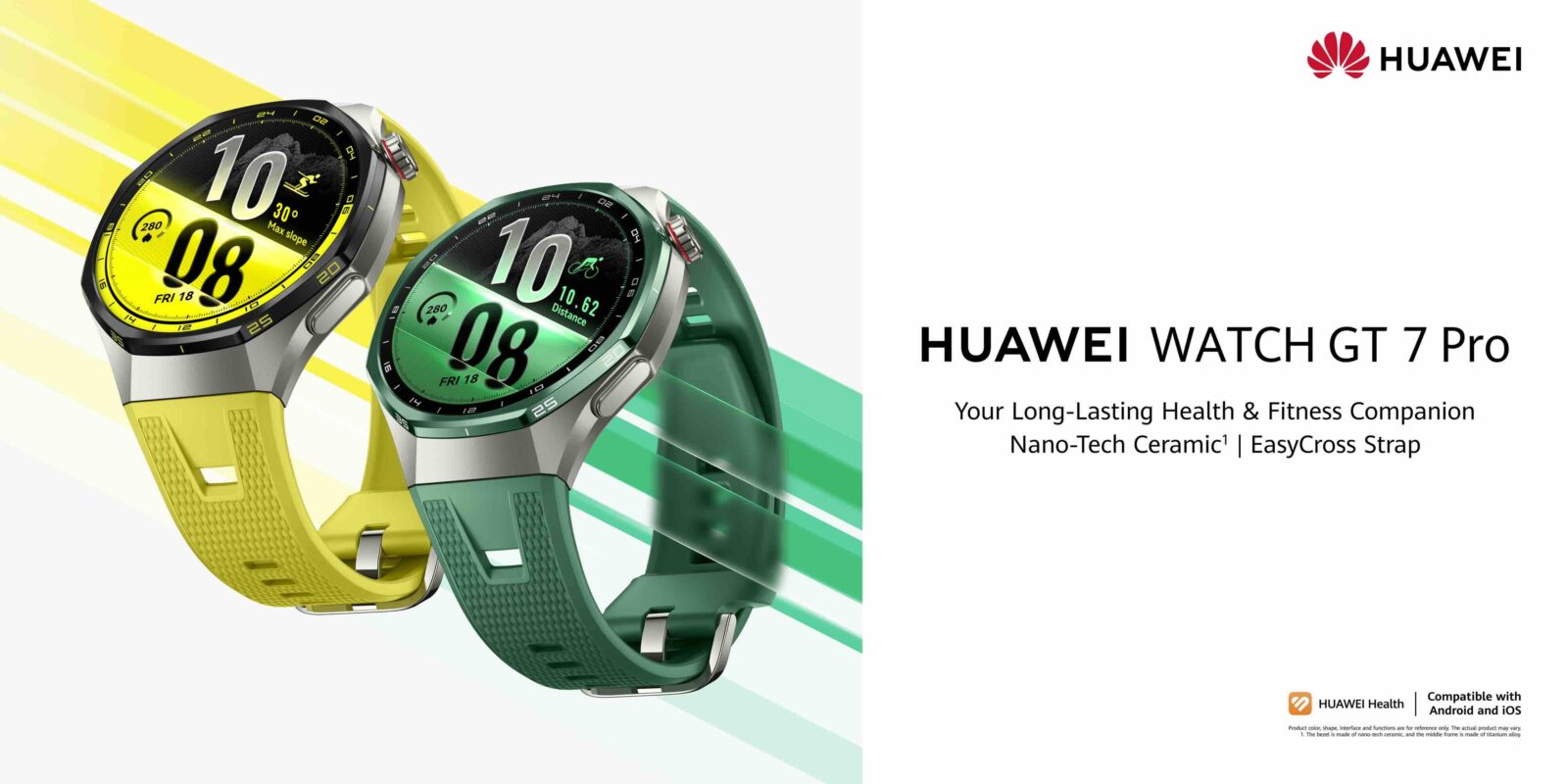
The WATCH GT 7 arrives in 46mm and 41mm sizes, while Huawei is also offering a more premium GT 7 Pro featuring a nano-tech ceramic bezel and titanium alloy middle frame. A new EasyCross strap joins the design options, but the more meaningful changes are found in the watch’s sports and health capabilities.
For outdoor activity tracking, Huawei says the GT 7 Series introduces wrist-based turn detection and G-Force detection. Cycling receives particular attention, with route planning for climbs, slope alerts and warnings for sharp turns. AI-assisted cycling insights are also planned, although Huawei says that feature will arrive later through an over-the-air software update rather than being available immediately at launch.
Health Insights has also been upgraded with a Physical Readiness score and additional health analysis designed to turn collected data into more understandable recommendations. Huawei is positioning the watch around increasingly sophisticated health metrics, including tools intended to help identify potential coronary heart disease and diabetes risks. As with any wearable offering health-related assessments, these features should be treated as monitoring and risk-awareness tools rather than replacements for clinical diagnosis unless specifically certified for that purpose.
The GT 7 Series arrives as smartwatch manufacturers increasingly compete on what users can learn from continuous health data rather than simply how many measurements a device can collect. Sleep, heart rate, recovery and activity metrics have become standard across much of the premium wearable market, making interpretation and actionable insights the next obvious battleground.
Huawei’s Munich event extended well beyond the GT 7. The company also brought the HUAWEI WATCH 6 Series back to Europe after a one-year absence. It supports independent calling, navigation and payments alongside workout analysis and Huawei’s Health Glance, Health Insights and Healthy Living features.
The HUAWEI WATCH D3 was another health-focused announcement. Huawei’s latest wrist-based blood pressure device adds measurements before and after exercise alongside reminders intended to encourage regular monitoring. Blood pressure remains an area where smartwatch makers are trying to move beyond general fitness tracking into more specialised health applications.
Elsewhere, Huawei unveiled the MatePad Pro 12-inch, measuring 4.7mm thick and weighing 454 grams. The tablet uses a flexible OLED PaperMatte display and adds AI speech-to-text, handwriting enhancement and stylus air gestures. The FreeBuds Neo Series and nova 16s smartphones were also introduced, while Huawei opened its latest global GoPaint digital art competition.
The GT 7 remains the most revealing product of the launch. Smartwatches have already become competent fitness trackers; Huawei’s next challenge is proving that increasingly complex health data can become genuinely useful information without encouraging users to mistake a wrist-worn device for a doctor.