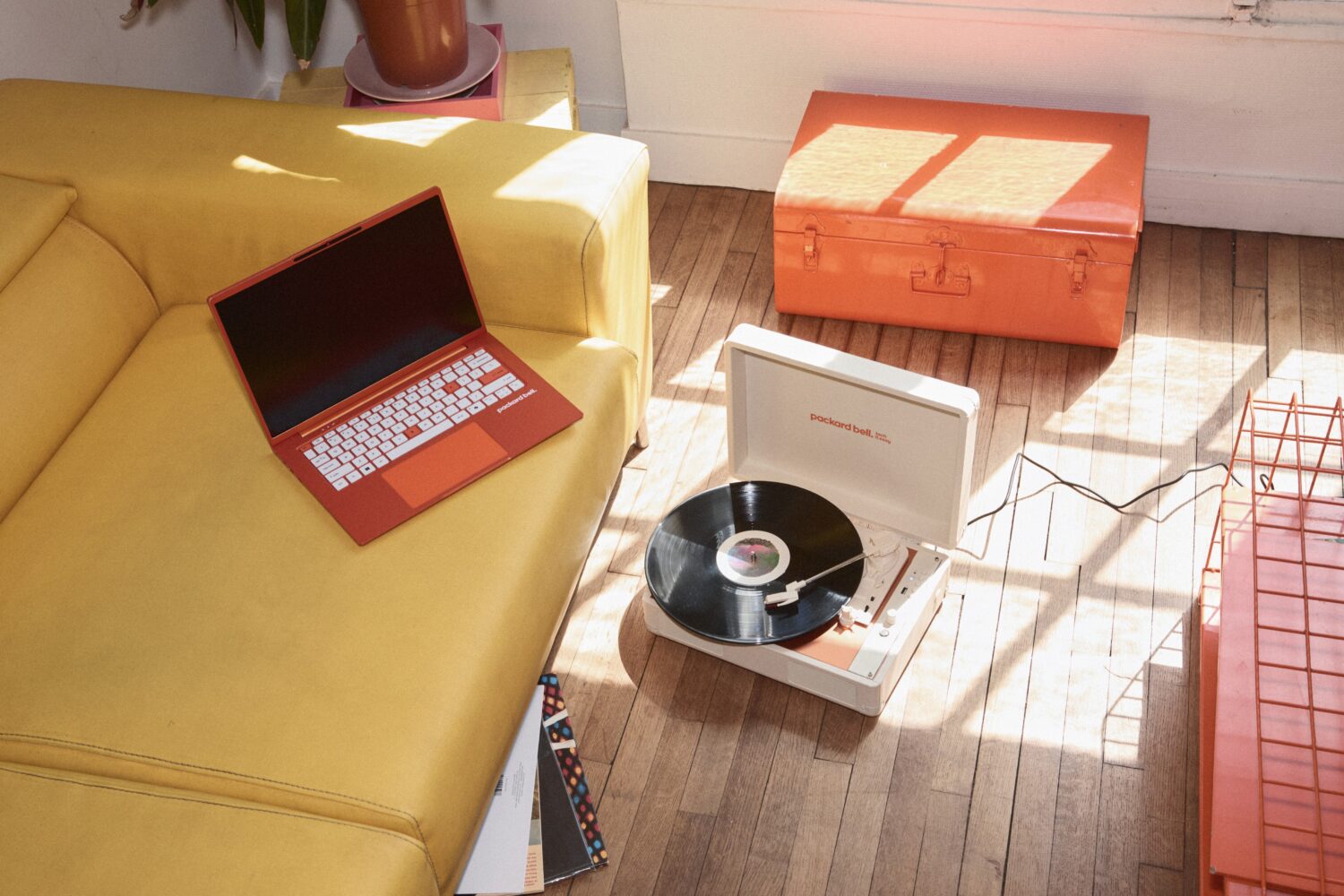


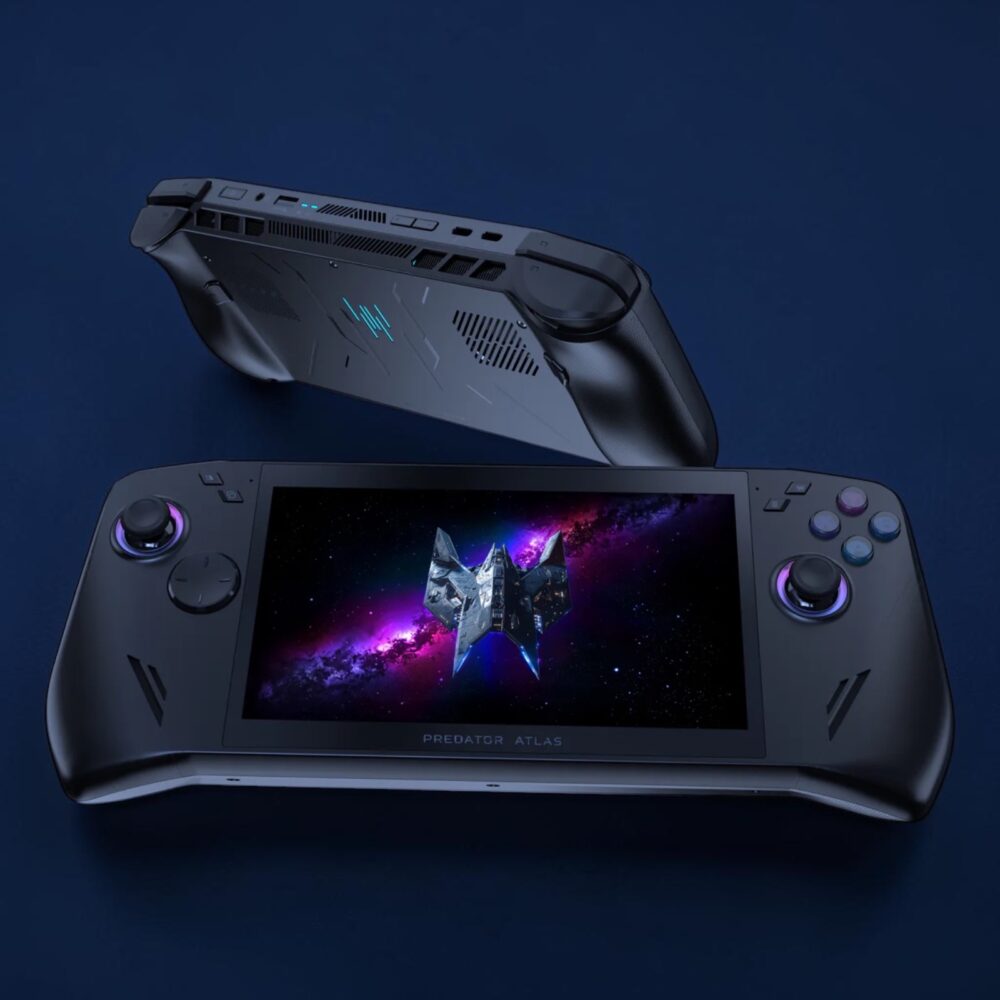
Acer turned IFA 2026 into a hardware showcase spanning ultra-light laptops, extreme-refresh gaming monitors, handheld PCs, repairable notebooks and even an early look at a mysterious Googlebook. The sheer range makes the announcements feel less like a conventional product refresh and more like Acer testing several possible directions for the next generation of PCs.
One of the headline products is the Predator XB253Q U1, a 24.5-inch Full HD IPS gaming monitor capable of reaching 1,000Hz. That figure pushes refresh rates into territory aimed primarily at competitive gaming, where responsiveness takes priority over resolution. The display also supports AMD FreeSync Premium and is NVIDIA G-SYNC Compatible, alongside HDMI 2.1 and DisplayPort 2.1 connectivity.
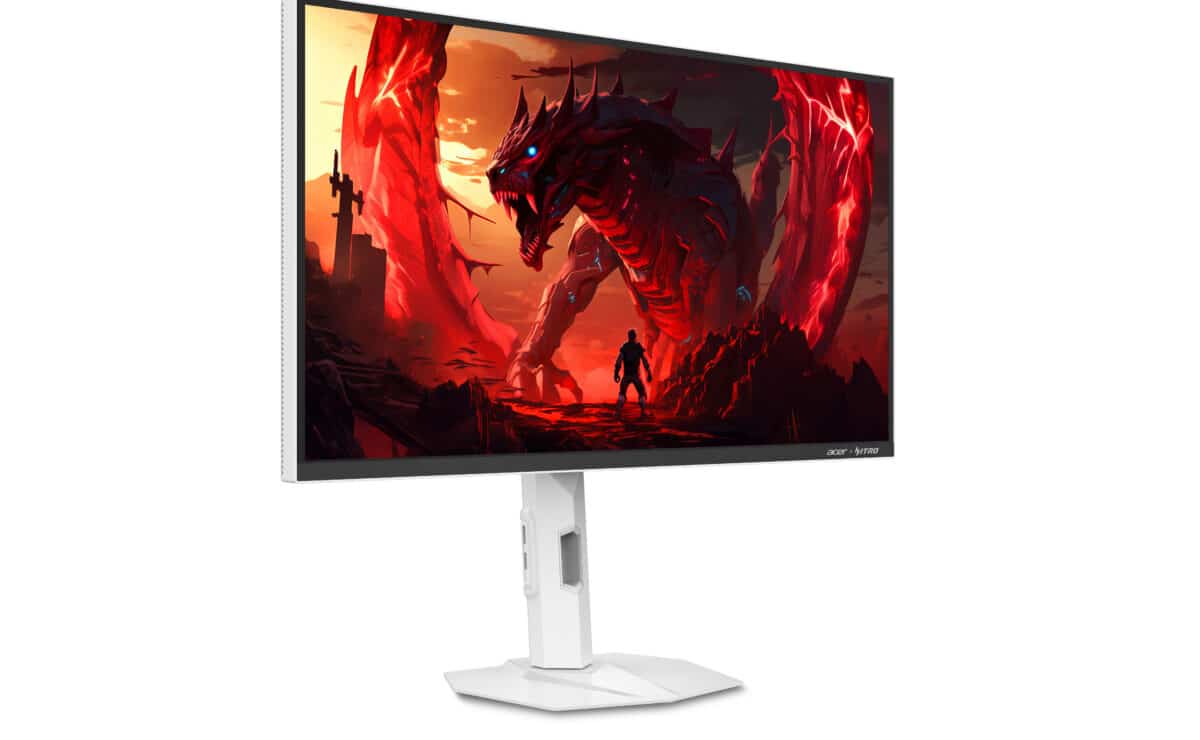
Acer is not abandoning resolution for speed across the rest of its monitor range. The Predator X32 V3 pairs a 31.5-inch 4K QD-OLED Penta Tandem panel with a 180Hz refresh rate, while the Predator XB273K V7 can switch between 4K at 160Hz and Full HD at up to 500Hz. Four additional Nitro monitors broaden the selection, including the 5K Nitro XV275X P, which can drop to QHD to reach 330Hz.
The laptop announcements are similarly varied. Acer’s Vero 16 puts repairability front and centre with tool-free access to its internals and an engraved guide intended to make components including the battery and SSD easier to replace. Inside, Acer is offering an Intel Core Ultra X9 388H processor, up to 32GB of LPDDR5x memory and an OLED display.
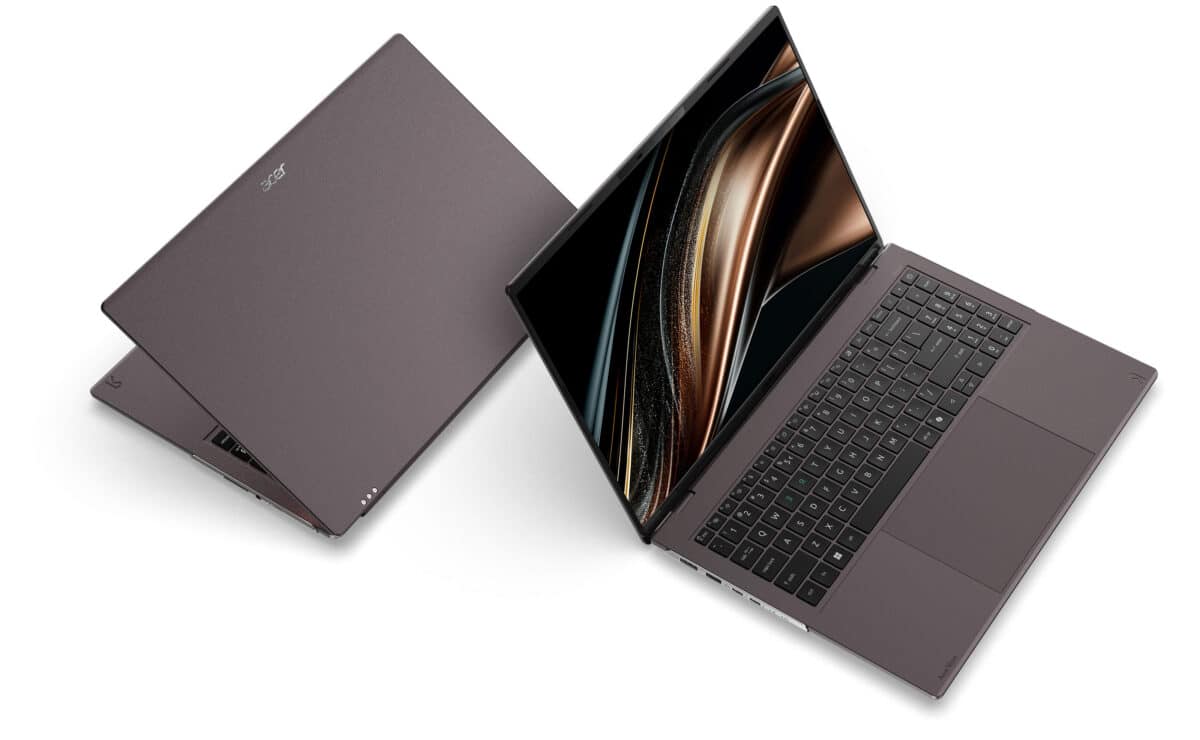
At almost the opposite end of the design spectrum sits the Swift Blade 14. At 799 grams and 12.9mm thick, it is built around portability, while still offering a 3K OLED display, Intel Core 7 350 processor and up to 1TB of storage.
Acer also found room for a more experimental machine. The Aspire G 3D 16 uses eye tracking to deliver glasses-free 3D from its 16-inch display, powered by AMD’s Ryzen AI Max+ 395 processor and integrated Radeon 8060S graphics. Meanwhile, the Aspire S 24 and S 27 bring new Intel processor options to Acer’s all-in-one desktop range.
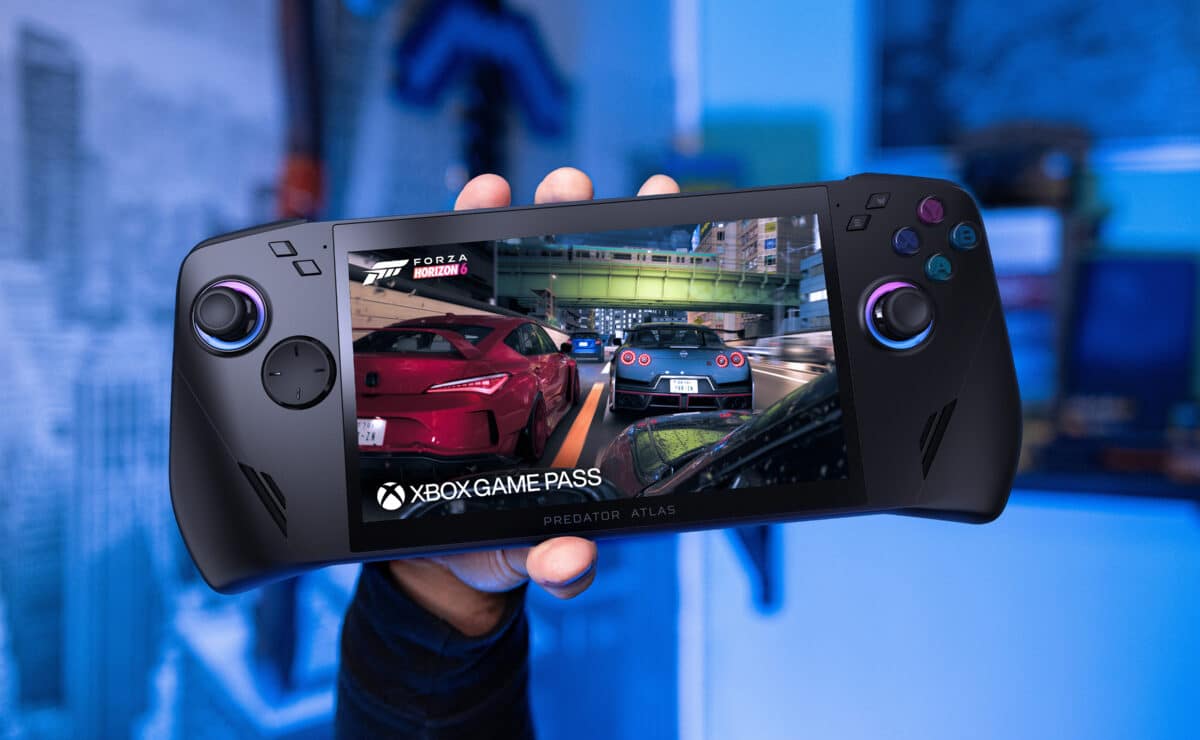
Gaming handhelds provided another major part of the showcase. The Predator Atlas 7 squeezes a 7-inch 120Hz VRR display, up to 24GB of LPDDR5x memory and an 80Wh battery into a portable design. More intriguing is Project DualPlay Mini, an 8-inch concept combining handheld gaming controls with a flip-and-swivel screen and integrated keyboard. Unlike the Atlas 7, however, there is no guarantee DualPlay Mini will become a retail product.
Then there is the Acer Googlebook. Acer offered little meaningful information about the device, making the name more interesting than the announcement itself for now.
IFA 2026 shows Acer pursuing both practical improvements and attention-grabbing experiments. A 1,000Hz monitor makes the easy headline, but repairable laptops, increasingly versatile handhelds and ultra-light OLED machines may prove considerably more relevant once this hardware starts reaching buyers.