

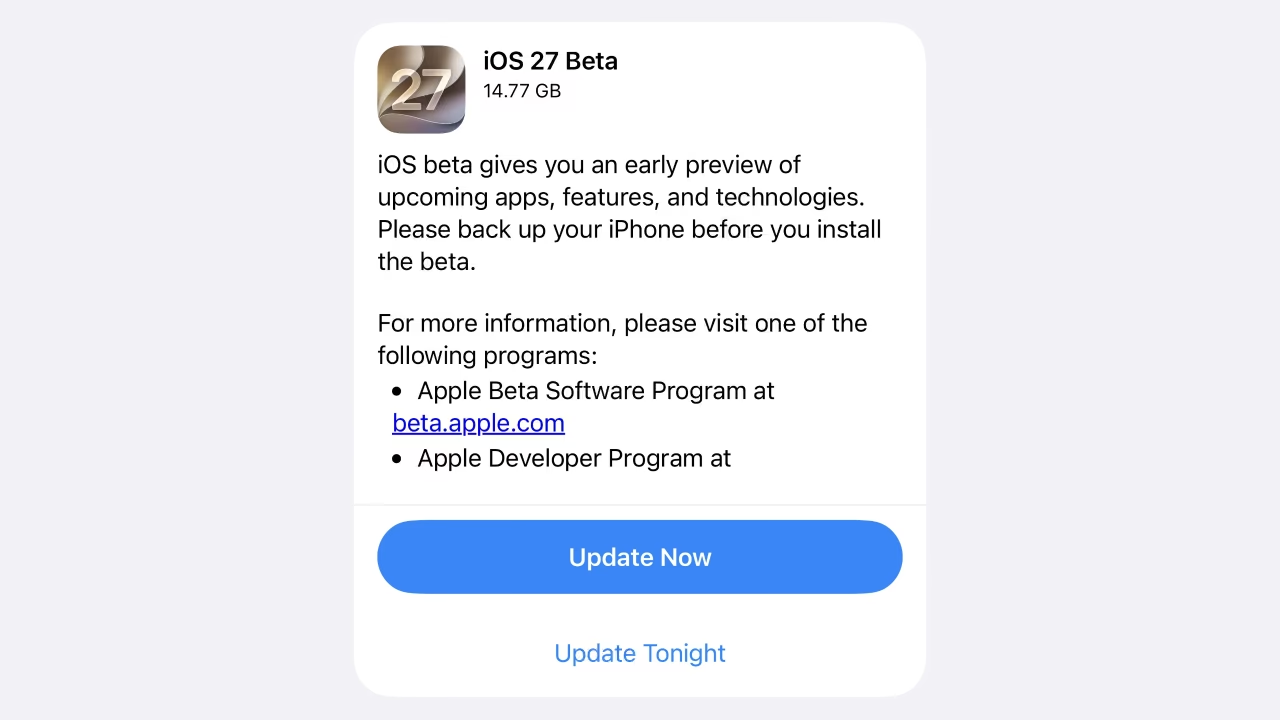
Apple has begun rolling out the first public betas of its upcoming operating systems, including iOS 27, iPadOS 27, macOS 27 Golden Gate, tvOS 27, and watchOS 27. The releases follow Apple’s annual developer conference, where executives outlined ambitions for deeper artificial intelligence integration across devices. While the betas offer enthusiasts an early look, they also highlight the company’s measured pace in bringing these capabilities to a broad audience amid technical and regulatory complexities.
At the center of the updates sits an enhanced Siri, reimagined with more natural conversation flow, awareness of onscreen content, and the ability to reference personal context from user data. This builds on years of incremental voice assistant improvements, yet falls short of the more autonomous agents some rivals have demonstrated. Apple has extended its Apple Intelligence suite into core applications, adding tools such as spatial reframing for photos, automatic tab grouping in Safari, and natural language commands within Shortcuts. These additions aim to streamline daily tasks but raise familiar questions about processing demands and data handling on older hardware.
For Mac users, macOS 27 Golden Gate refines the visual language introduced in recent versions, now dubbed Liquid Glass. A new transparency slider and more consistent toolbars address longstanding readability feedback from the community. Siri gains tighter Spotlight integration and its own dedicated app for managing conversation histories across devices, potentially reducing friction in multi-device workflows. Such polish reflects Apple’s traditional strength in ecosystem cohesion, though it also underscores how interface tweaks often arrive later than users might prefer.
Regional availability adds another layer of caution. Siri’s advanced features will initially skip iPhone and iPad users in the European Union, citing interoperability obligations under the Digital Markets Act. A similar hold applies in China as Apple navigates local rules. These limitations illustrate the growing friction between global product ambitions and fragmented regulatory environments, a tension that has intensified since the company first embraced on-device AI processing to differentiate from cloud-heavy competitors.
Enrolling in the public beta program requires a visit to Apple’s dedicated testing site, after which updates can be installed over the air. Watch users will need the companion iPhone app to grab the latest watchOS version. As with previous cycles, early betas often contain bugs and incomplete features, making them better suited for secondary devices rather than daily drivers.
This round of testing arrives against a backdrop of Apple’s solid but not unchallenged market position. Recent reports of strong quarterly smartphone share gains suggest the hardware foundation remains robust, yet software delays in key markets and the steady evolution of AI expectations keep pressure on the company to deliver meaningful progress. The public betas serve as both a preview of intended directions and a reminder that translating conference demonstrations into stable, widely available experiences remains a deliberate, sometimes frustrating process. Users tempted to install should weigh the novelty against potential instability and missing regional support.