
TL;DR: Nolan’s The Odyssey is a visually stunning, emotionally rich masterpiece that transforms Homer’s epic into a haunting exploration of postwar trauma, cunning survival, and fractured homecomings. Matt Damon leads a stellar cast through monsters, gods, and moral reckonings in one of the year’s most ambitious films—thrilling, thoughtful, and deeply human.
The Odyssey
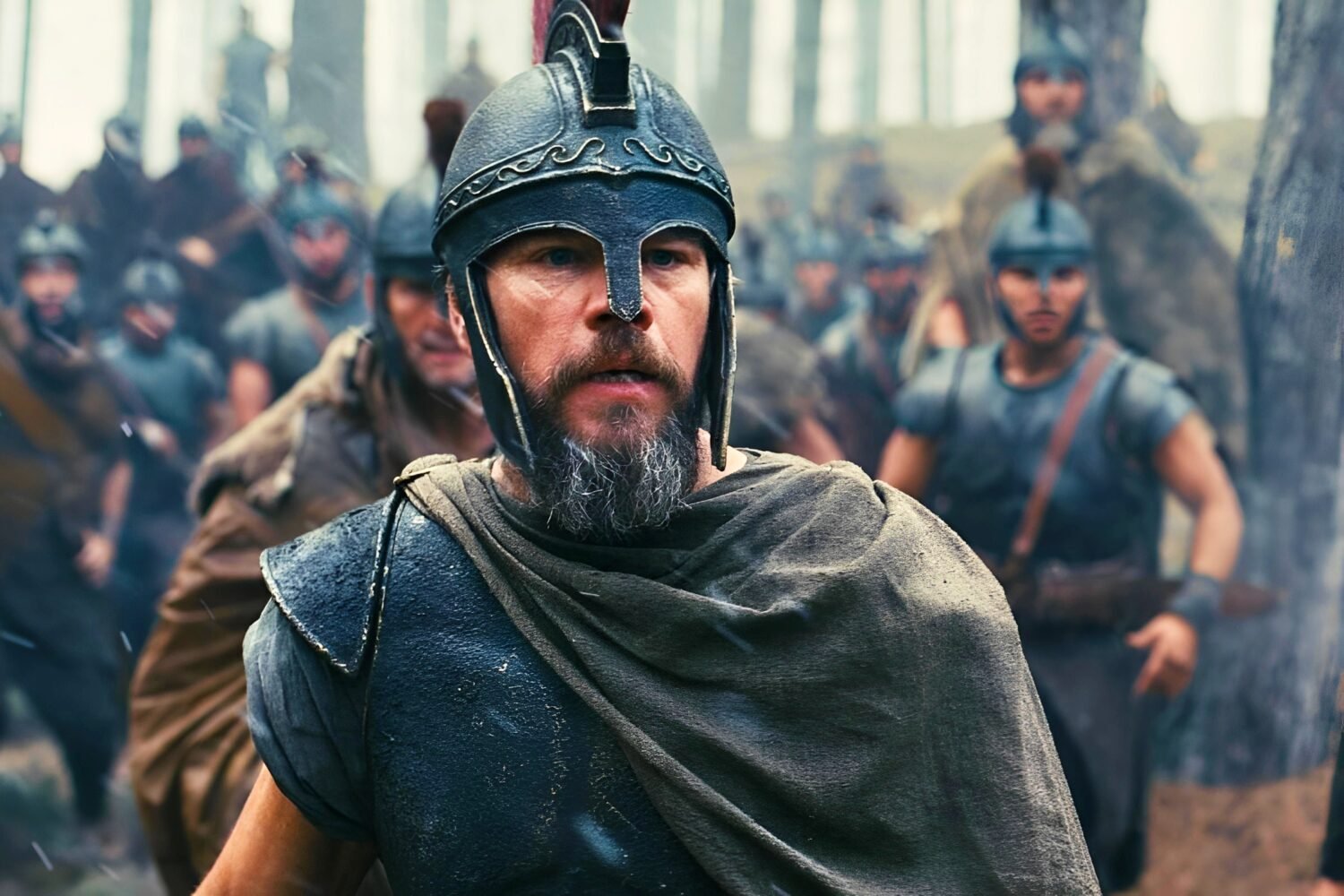
Christopher Nolan has never been one to shy away from grand canvases, but with his take on the ancient tale of Odysseus, he’s sailed into territory that feels both mythic and intimately human, like stumbling upon a forgotten temple that whispers truths about our own fractured era. From the opening frames that swallow you whole in IMAX scale to the quiet, devastating moments where a hero’s mask cracks under the weight of endless wandering, this film isn’t just a retelling—it’s a full-throated reclamation of what epic storytelling can achieve when filtered through one of cinema’s most ambitious minds. Matt Damon embodies the legendary wanderer with a weariness that cuts deeper than any sword, his once-boyish features etched by battles that refuse to stay on the distant shores of Troy. You feel every mile of that long journey home, not as a checklist of monsters and miracles, but as a grinding psychological odyssey where victory tastes like ash and the real war begins the moment the fighting stops.
What strikes you immediately is how Nolan weaponizes the raw chaos of postwar existence, turning Homer’s sprawling poem into a meditation on the invisible scars soldiers carry long after the banners fall. The film pulses with this generational ache—the kind where families wait in suspended animation, unsure if their loved ones will ever truly return. Penelope, brought to aching life by Anne Hathaway, becomes the anchor in a storm of uncertainty, her quiet strength a counterpoint to the roaring seas and clashing armies. It’s the sort of performance that lingers, reminding you that endurance isn’t flashy; it’s the daily grind of holding a household together while the world outside unravels. Around her, the suitors swarm like digital-age opportunists crashing a family reunion, their greed a sly nod to how power vacuums invite the worst kinds of opportunism. Nolan doesn’t preach, but the parallels to modern disillusionment hit like a thunderbolt from Zeus himself, especially when the camera lingers on empty thrones and half-forgotten altars.
The action sequences are where Nolan’s signature precision meets the untamed wildness of Greek lore, delivering battles that thrum with drum-heavy intensity and visual poetry that leaves you breathless. That Trojan horse sequence? Reinvented not as some quaint wooden gimmick but as a hulking, half-buried behemoth dragged from the surf, evoking everything from apocalyptic sci-fi relics to forgotten monuments of hubris. Damon’s Odysseus orchestrates it with the heavy heart of a man who knows deception’s price, his guilt manifesting in haunting flashbacks that blur the line between memory and hallucination. It’s thrilling stuff, but never empty spectacle—each clash serves the deeper theme of how wars sold on noble pretexts reveal themselves as brutal trade disputes in hindsight. The monsters encountered on the voyage home feel plucked from Ray Harryhausen fever dreams yet grounded in raw survival horror: the Cyclops as a force of indifferent nature, Circe and Calypso as seductive traps that test the soul’s resolve. Zendaya’s Athena adds a divine ally with genuine spark, her interventions feeling like rare moments of grace in a universe that otherwise delights in torment.
One of the film’s greatest triumphs lies in its exploration of moral metamorphosis, that slippery transformation where a cunning warrior edges toward something almost godlike, or perhaps monstrous, depending on the light. Tom Holland’s Telemachus embarks on his parallel quest with youthful fire tempered by inherited trauma, creating father-son dynamics that crackle with unspoken pain and tentative hope. The underworld descent stands as a visual and emotional pinnacle—shrouded figures rising like vengeful specters, forcing Odysseus to confront the dead not as distant echoes but as equals in suffering. Nolan plays with pagan ambiguity here, letting gods and mortals mingle on uneasy terms, their whims as capricious as the psychological fog of PTSD. It’s clever how this mirrors our own cultural moment: veterans returning to societies that have moved on, spouses and children forever altered. Robert Pattinson slithers into the role of the lead suitor with oily menace, while supporting turns from the likes of Jon Bernthal and Samantha Morton add layers of familial tragedy and temptation. Every performance feels lived-in, as if the cast had sailed those stormy waters themselves.
Visually, Hoyte van Hoytema’s cinematography paints loneliness on an operatic scale, with desolate beaches and alien horizons that avoid tired oceanic blues for something starker, more primordial. The score throbs like an ancient heartbeat, amplifying the isolation without ever tipping into melodrama. Nolan weaves in echoes of his past works—the temporal dread of Dunkirk, the philosophical vastness of Interstellar—but here they serve a story older than cinema itself, refreshed for audiences craving substance amid blockbusters that often prioritize quips over depth. It’s the kind of film that rewards multiple viewings, revealing new wrinkles in the hero’s journey each time, much like poring over a well-thumbed comic omnibus and spotting details that reshape the entire mythos. For geeks raised on D&D campaigns and Star Wars sagas, it feels like the ultimate crossover event between antiquity and auteur filmmaking, where the personal cost of heroism gets the IMAX treatment it deserves.
Yet amid all this grandeur, the film never loses sight of its emotional core: the quiet horror of homecoming when “home” no longer recognizes you. Odysseus’s beggar disguise in the climax carries Christ-like resonance but stays firmly in mythic territory, a final test of identity after years of shape-shifting survival. The resolution offers no tidy bow, just a grim determination to rebuild amid ruins—a message that resonates powerfully in our age of endless conflicts and fractured societies. Nolan has crafted something that transcends adaptation, becoming a mirror for anyone who’s ever felt adrift after a personal or collective storm. It’s ambitious, yes, occasionally broad in its strokes, but those flourishes land with the force of a thunderclap because they’re earned through three hours of immersive, thoughtful storytelling. In a summer movie landscape often dominated by safe bets, this stands as a bold reminder of cinema’s power to transport, challenge, and ultimately heal through shared mythic experience.
Verdict
Christopher Nolan delivers a breathtaking, soul-stirring epic that redefines the hero’s journey for modern times, blending jaw-dropping spectacle with profound insights into war’s lingering toll and the messy path to redemption. It’s a must-see for anyone who loves thoughtful blockbusters that respect their audience’s intelligence while delivering pure cinematic thrills.