

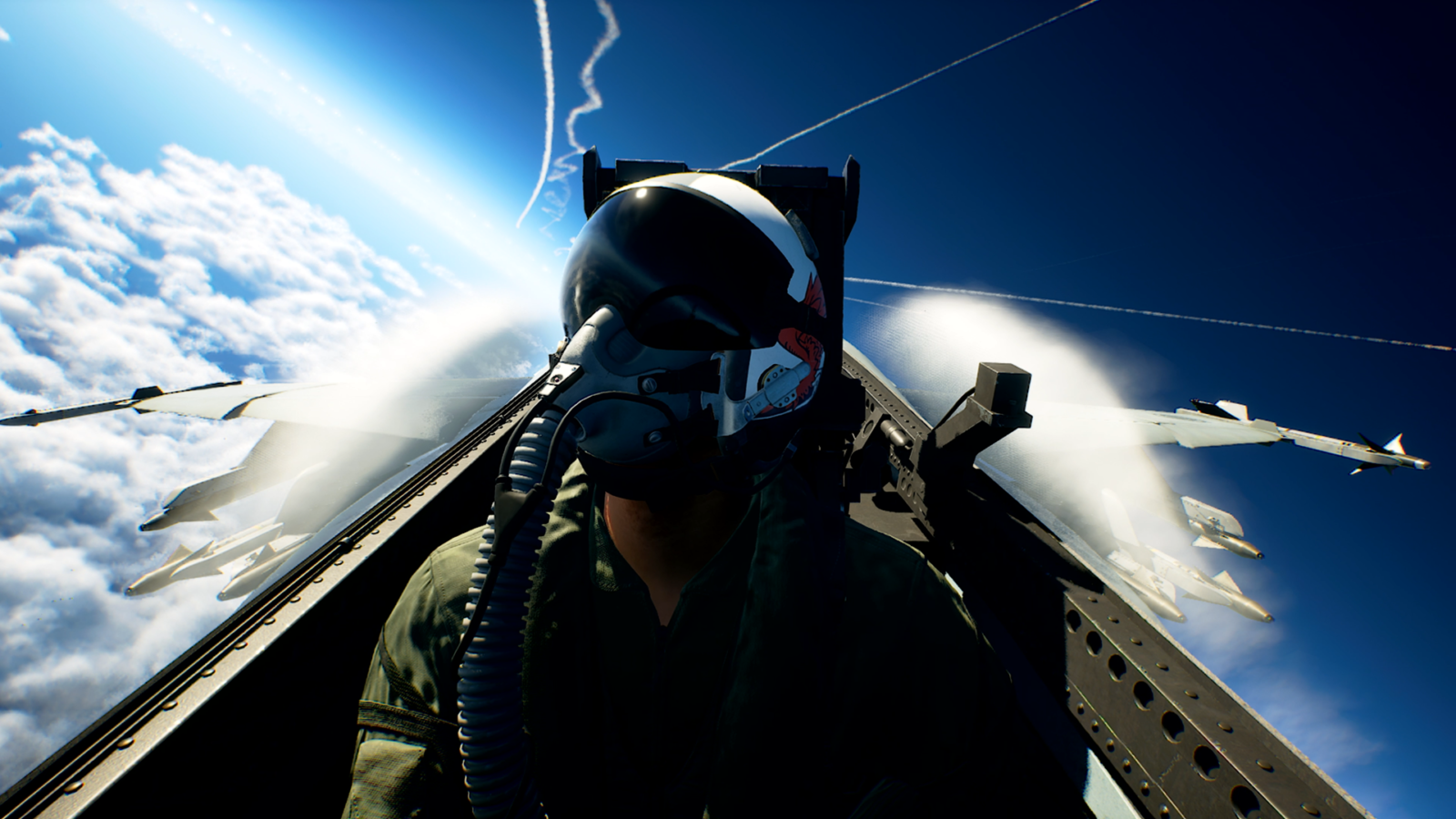
TL;DR: Ace Combat 8 doesn’t reinvent the series. It refines it into perhaps its best version yet. The skies look stunning, the flying is classic arcade fun, wingman commands are back, and first-person moments on the carrier finally make your squadron feel like real people. With 30 missions and a great soundtrack, it’s a love letter to fans. The story segments might slow the pace for some players.
There is a very particular feeling that only Ace Combat gives me.
It is the moment when the music crescendos, the radio chatter becomes increasingly frantic, contrails begin carving through the sky around you and your radar fills with more targets than should reasonably be there.
Somewhere beneath all of that, a military operation is probably falling apart, somebody is delivering a speech about borders or war, and you are somehow expected to solve the situation with a fighter jet and a frankly irresponsible number of missiles and the game puts you in the front row seat of being the mythical ace pilot who will turn things around and I have really, really missed that feeling.
Ace Combat has always been one of those franchises that understands exactly what it wants to be. It has never chased simulation, despite the lovingly recreated aircraft. It has never been embarrassed by its melodrama, despite how gloriously excessive its stories can become. It simply wants to put you in a cockpit, make you feel impossibly cool and then convince you that whatever is happening in the skies above Strangereal might actually matter. Since Ace Combat 7, I have played that game over and over again just to relive those moments.
Ace Combat 8: Wings of Theve understands all of that, perhaps better than any entry in years.
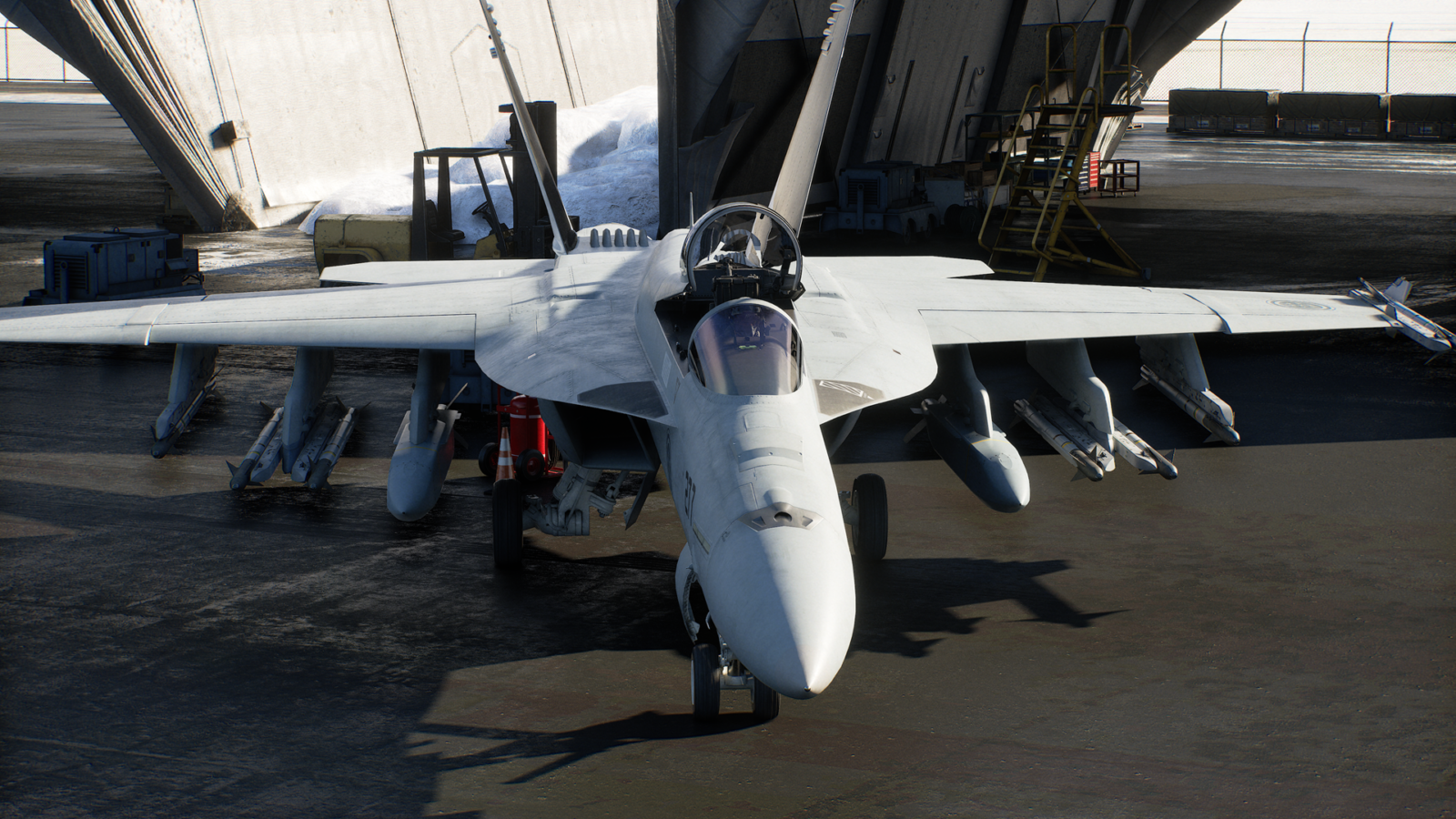
After spending a considerable amount of time with it, what struck me most was not how dramatically Project Aces had changed the formula. It was how confidently the studio had refined everything I already loved about it.
The flying is still unmistakably Ace Combat, but the world around it feels richer, the missions feel grander, the technology finally matches the scale of the fantasy and, perhaps most importantly, the story gives the people around you enough humanity to make their voices over the radio mean something. For a series that has always been about looking toward the sky, Ace Combat 8 spends an unexpected amount of time making you care about everyone flying alongside you.
The skies have never looked this good
Ace Combat 7 already understood that the sky itself could be part of the battlefield. Its volumetric clouds were one of its defining visual features, giving you places to disappear into, weather to fight through and some genuinely beautiful moments when you broke through a cloud layer into sunlight.
Ace Combat 8 takes that idea and pushes it considerably further.
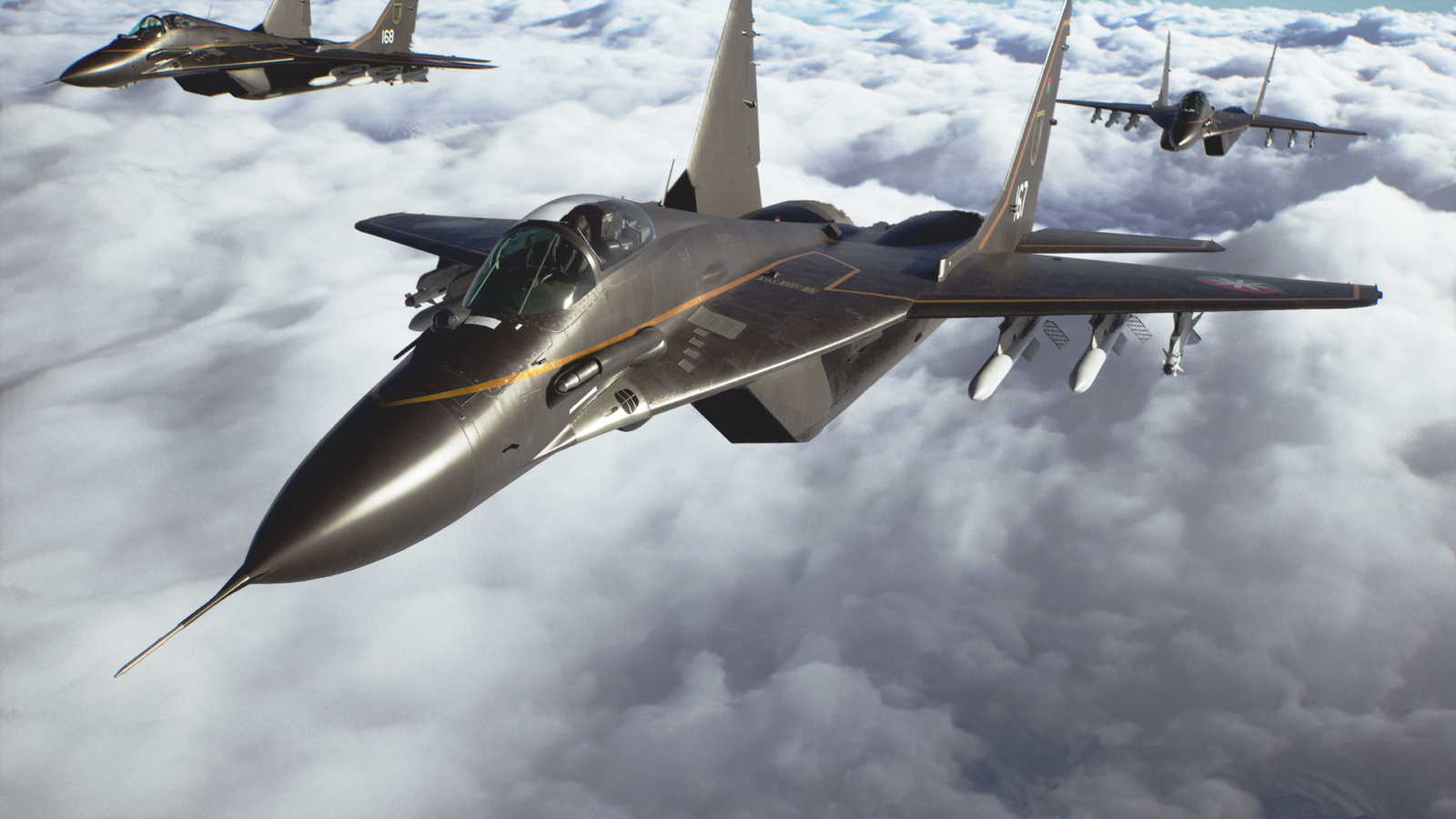
Built using Unreal Engine 5 alongside Bandai Namco Aces’ own Cloudly technology, the atmosphere here feels less like a backdrop and more like the place where the game actually lives. Clouds have weight and scale, sunlight changes the character of an entire battlefield, storms can swallow aircraft in seconds and layers of weather at different altitudes make the world feel vast in a way previous games could only suggest.
There were plenty of moments where I found myself admiring the view rather than concentrating on whatever the mission briefing had told me to do, which is probably the greatest compliment I can give an Ace Combat game.
You can bank through a wall of cloud, emerge into a completely different lighting condition and suddenly see another fighter cut across your canopy while missiles streak beneath you. It is beautiful in that wonderfully specific Ace Combat way, where serene landscapes and military chaos somehow exist in the same frame.
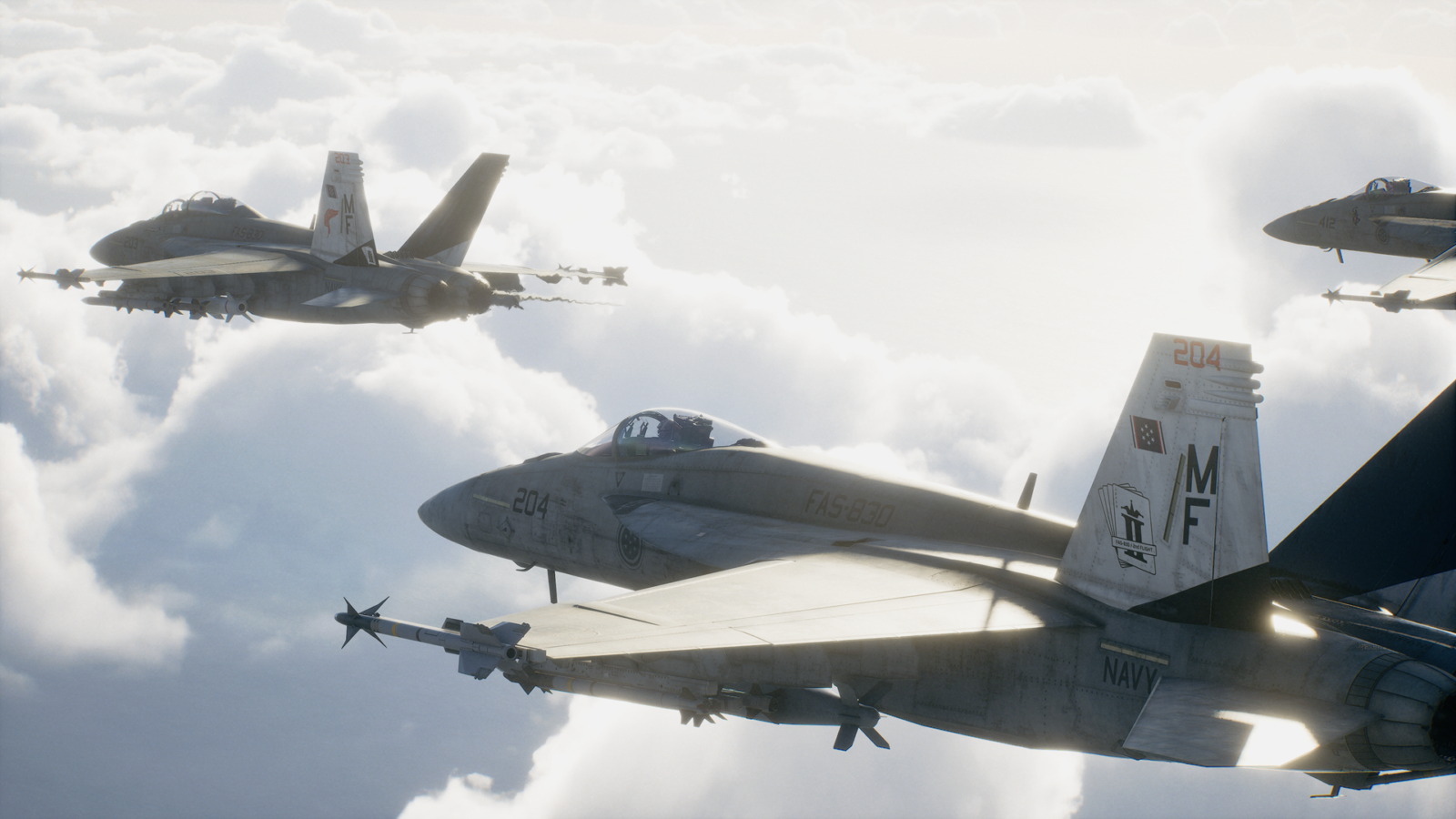
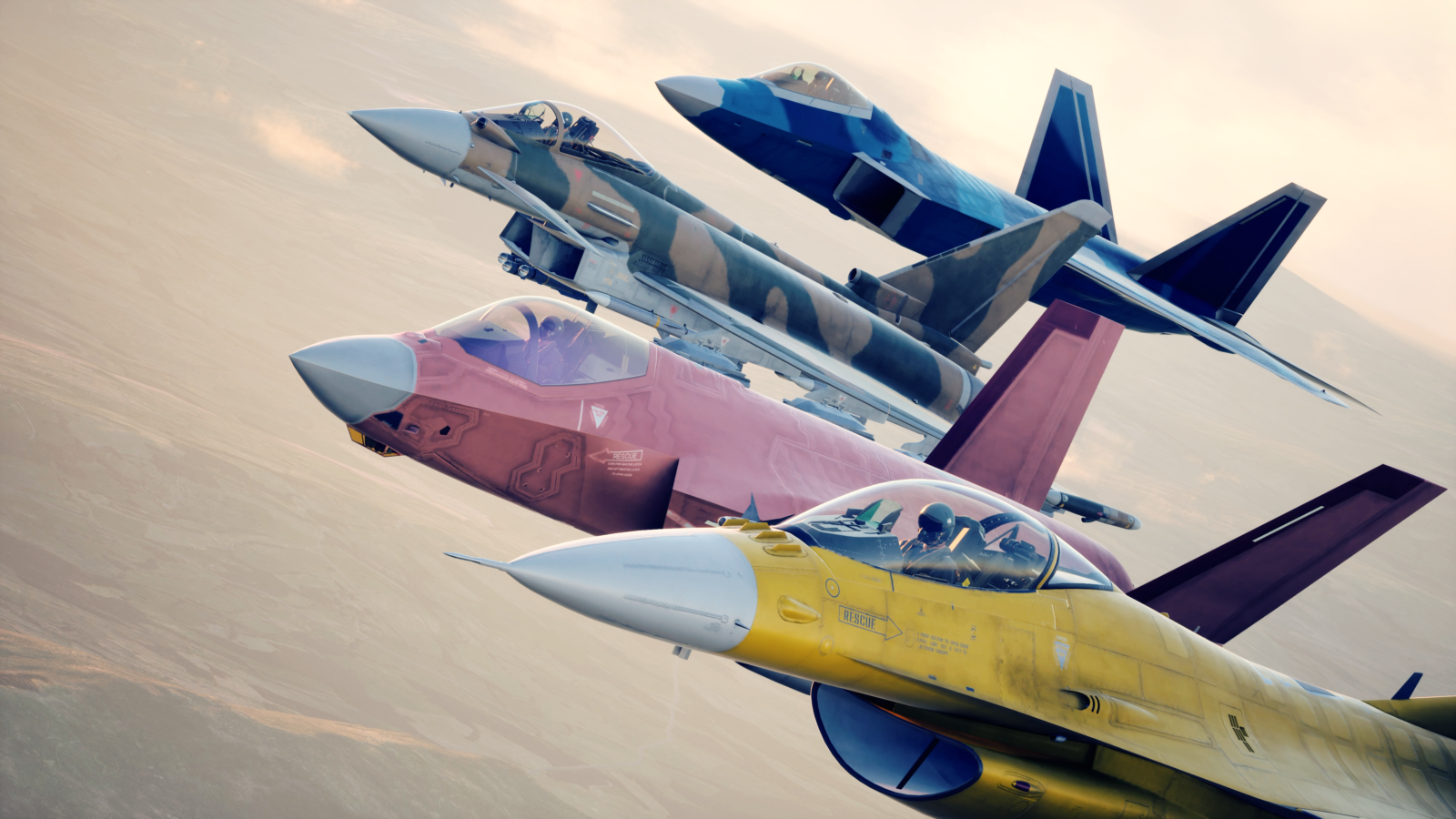
The aircraft benefit just as much from the graphical leap. Materials look more convincing, reflections across the fuselage are subtler and cities below finally feel like places rather than textured scenery far beneath the action. Larger battles are packed with far more activity too, giving the impression that you are one pilot operating inside a much wider conflict rather than the sole meaningful object in the sky.
Ace Combat has always been very good at making you love aircraft even if you could not explain half of what they actually do. Ace Combat 8 makes them look worthy of that affection.
It still feels exactly like Ace Combat
For all the technology underneath it, Project Aces wisely resisted the temptation to reinvent the flying.
This is still arcade combat through and through. You are still throwing aircraft through high-G turns, chasing enemies into ridiculous dogfights and waiting for precisely the right second to hear that missile lock tone. You still pick special weapons according to what you expect the mission to throw at you, and you will still occasionally realise halfway through a sortie that you have brought completely the wrong equipment.
And I would not have it any other way.
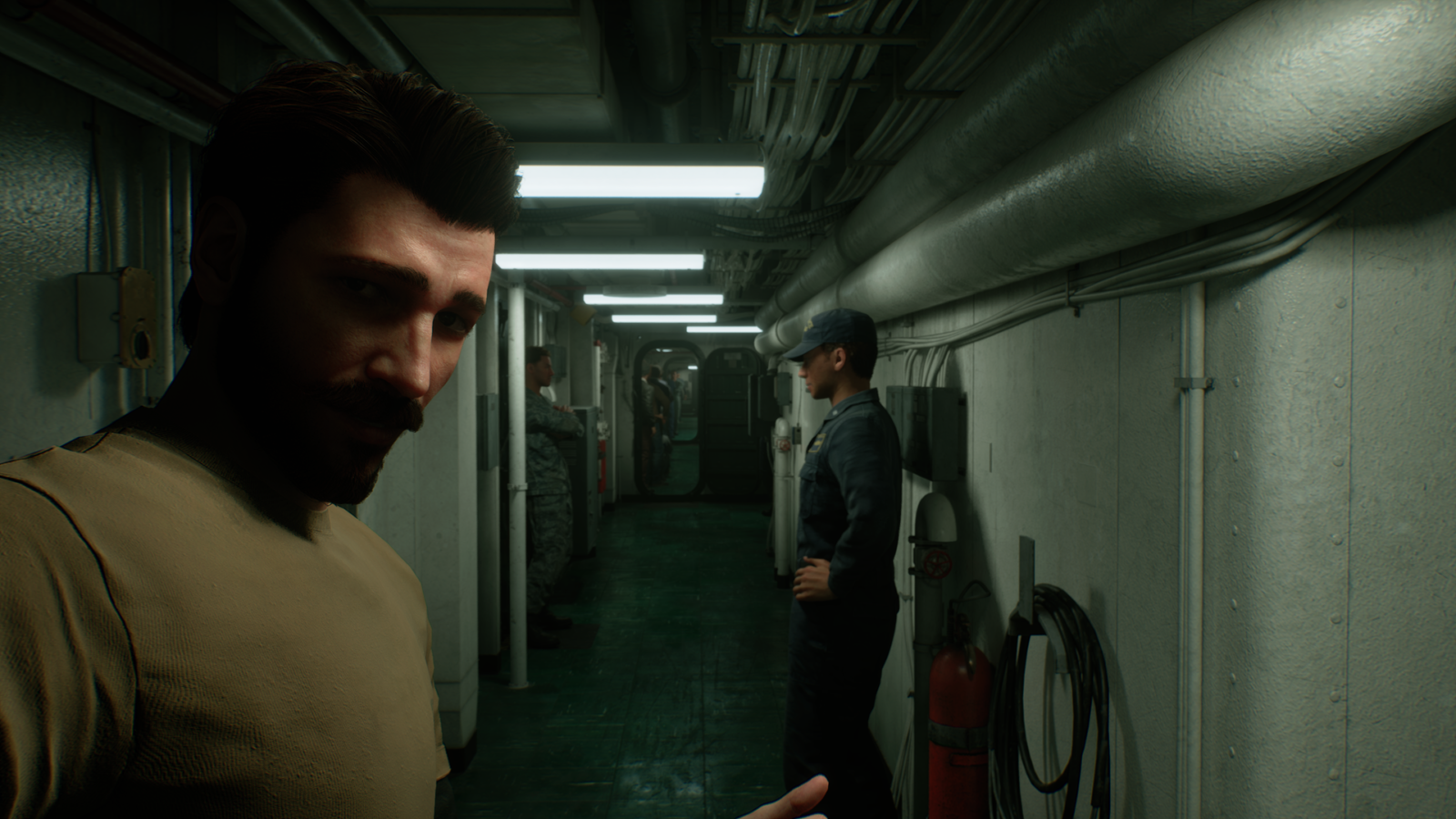
The brilliance of Ace Combat has always been its ability to make flying feel dramatic without making it intimidating. You do not need to understand real-world aviation to feel like an ace. The controls disappear surprisingly quickly, and before long you are making aggressive turns through missile trails and skimming past terrain with far more confidence than common sense would recommend.
Where Ace Combat 8 improves things is in what it builds around that familiar foundation. Battles feel larger and more layered, often mixing air, ground and naval threats in a way that forces you to think about priorities rather than simply chasing whichever red marker is closest. Objectives change during missions, reinforcements alter the balance of encounters and major targets often become set pieces of their own.
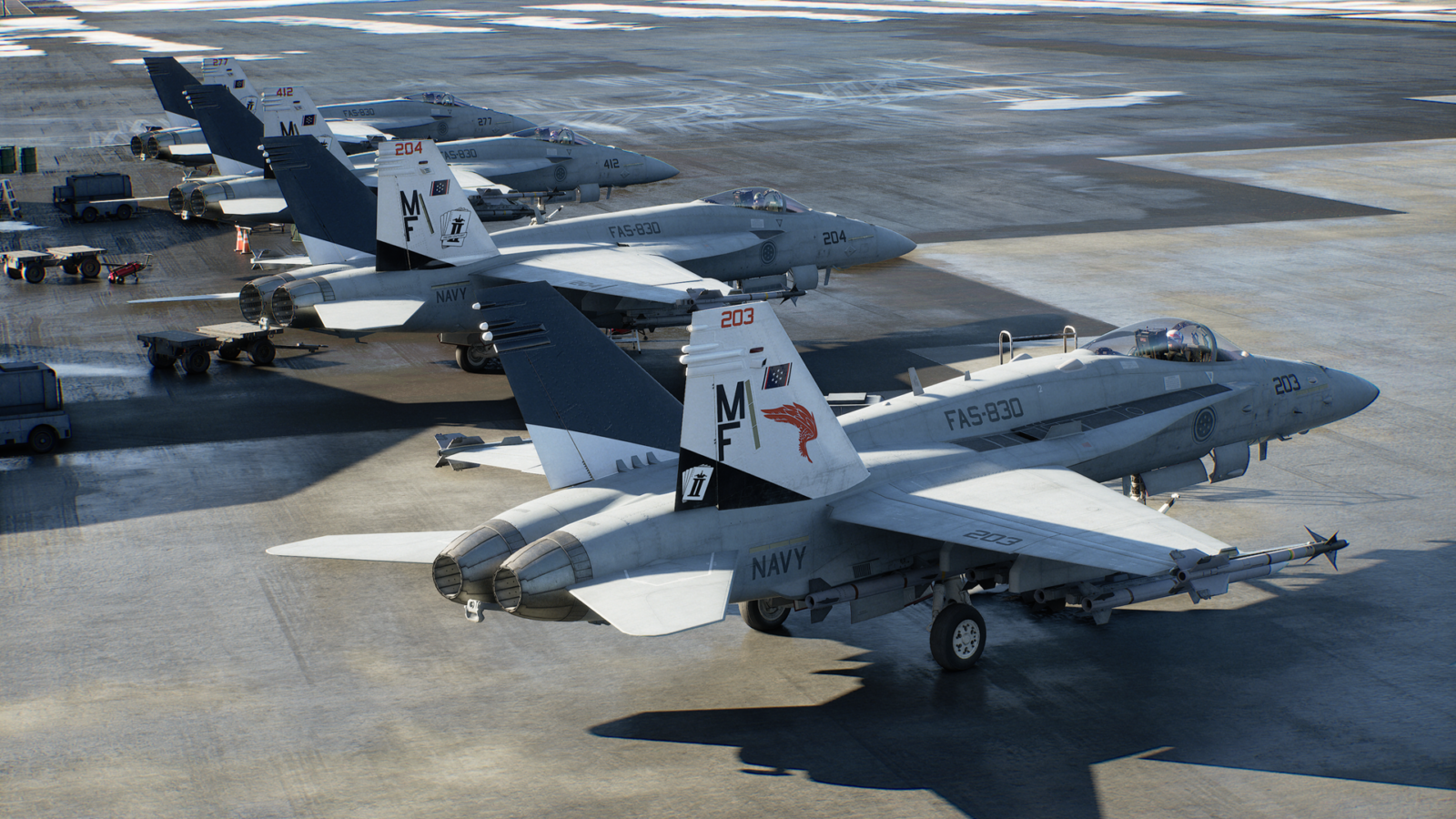
The new chain destruction system fits perfectly into that philosophy. Certain massive targets can be taken apart piece by piece, causing connected sections to collapse in sequence, and there is something deeply satisfying about seeing an enormous structure begin tearing itself apart while you are already banking away from the explosion. It is completely excessive.
It is also exactly what I want from Ace Combat.
Wingmen matter again
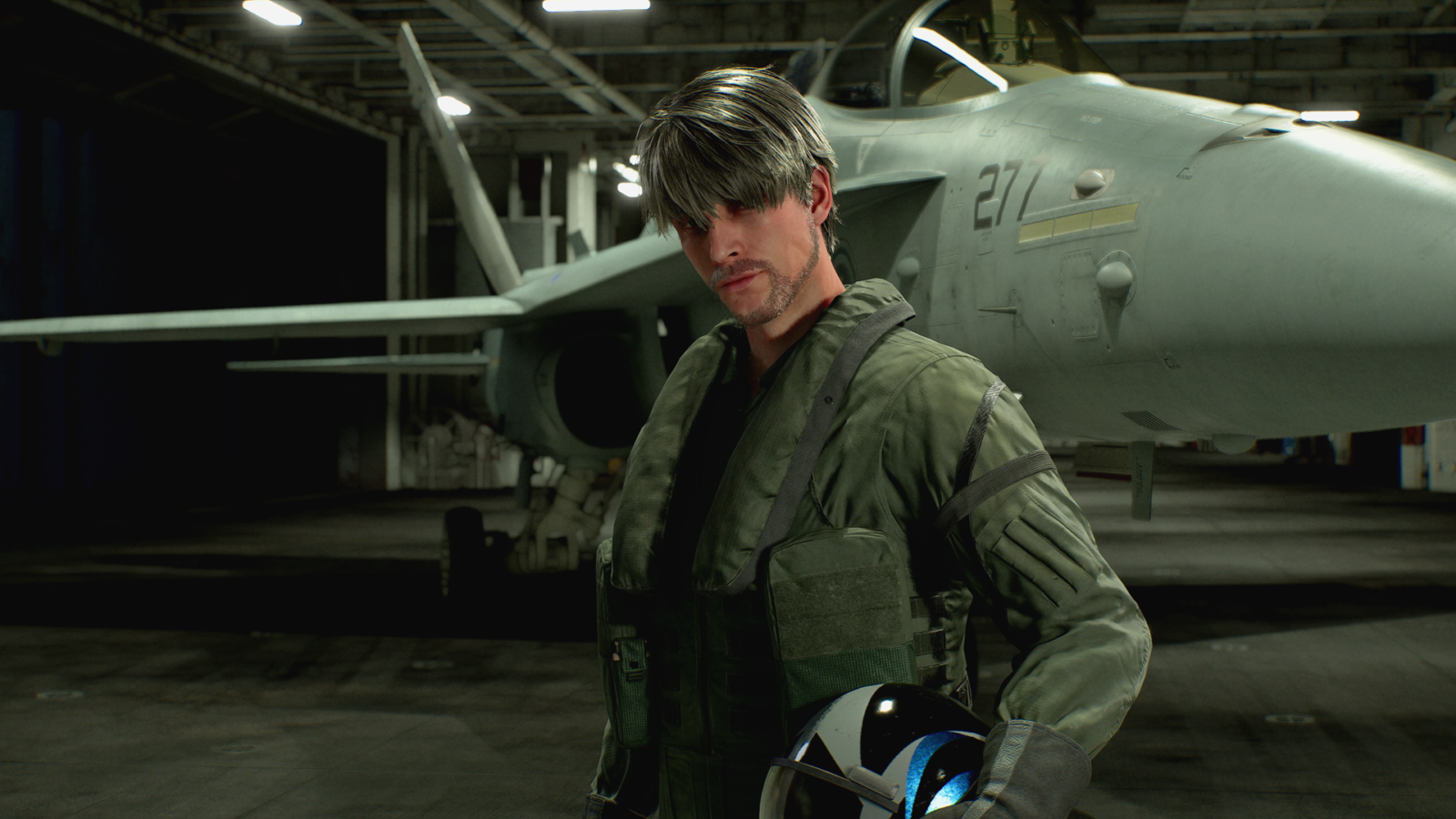
One of my favourite returning features is something longtime players will immediately recognise: wingman commands.
Ace Combat 5 understood how much stronger these games could feel when the pilots around you were more than background radio chatter. Ace Combat 8 brings that idea back, giving you the ability to direct Joker Flight during combat and making your squadron feel useful again.
You can ask them to spread out, focus attacks, cover you or change how aggressively they approach a fight. None of this turns Ace Combat into a tactical strategy game, and you remain the person expected to perform most of the impossible heroics, but the difference it makes is larger than I expected.
When a battle becomes chaotic, sending your squadron after one group while you deal with another gives fights a sense of coordination that was missing from Ace Combat 7. When somebody gets onto your tail, calling for support and actually seeing your wingmen react makes them feel present rather than decorative.
That mechanical usefulness feeds directly into the story, because Ace Combat 8 spends far more time convincing you that these pilots are people you know. And that is where the game really surprised me.
The story is personal
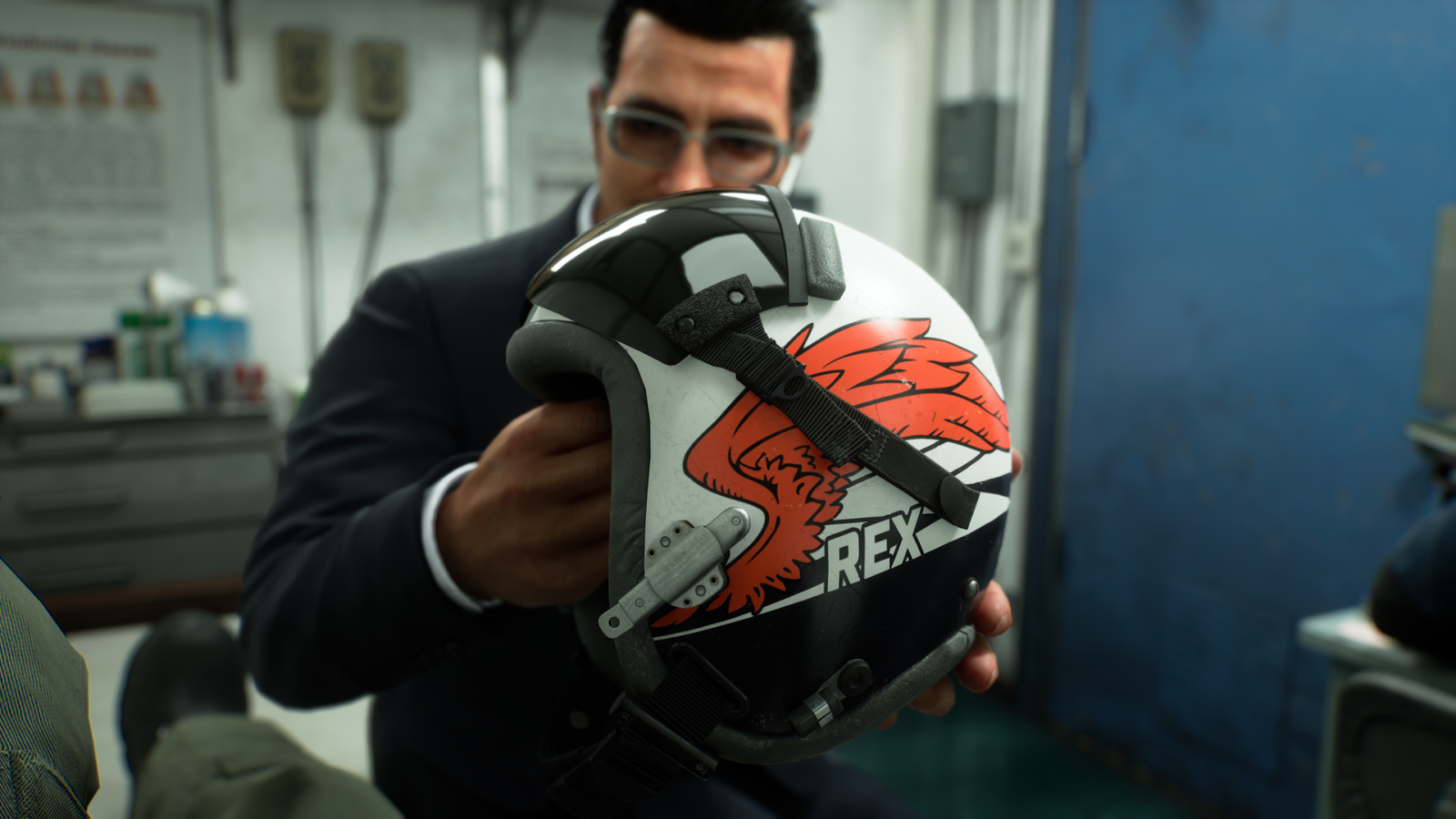
Ace Combat has produced some incredible stories over the years, but the way those stories are told has often been strangely distant.
You would fly a mission, listen to radio chatter and then watch a cinematic about characters somewhere else in the world discussing what your actions meant. The series built enormous political conflicts and memorable rivalries around protagonists who barely seemed to exist outside their aircraft. Ace Combat 8 changes that.
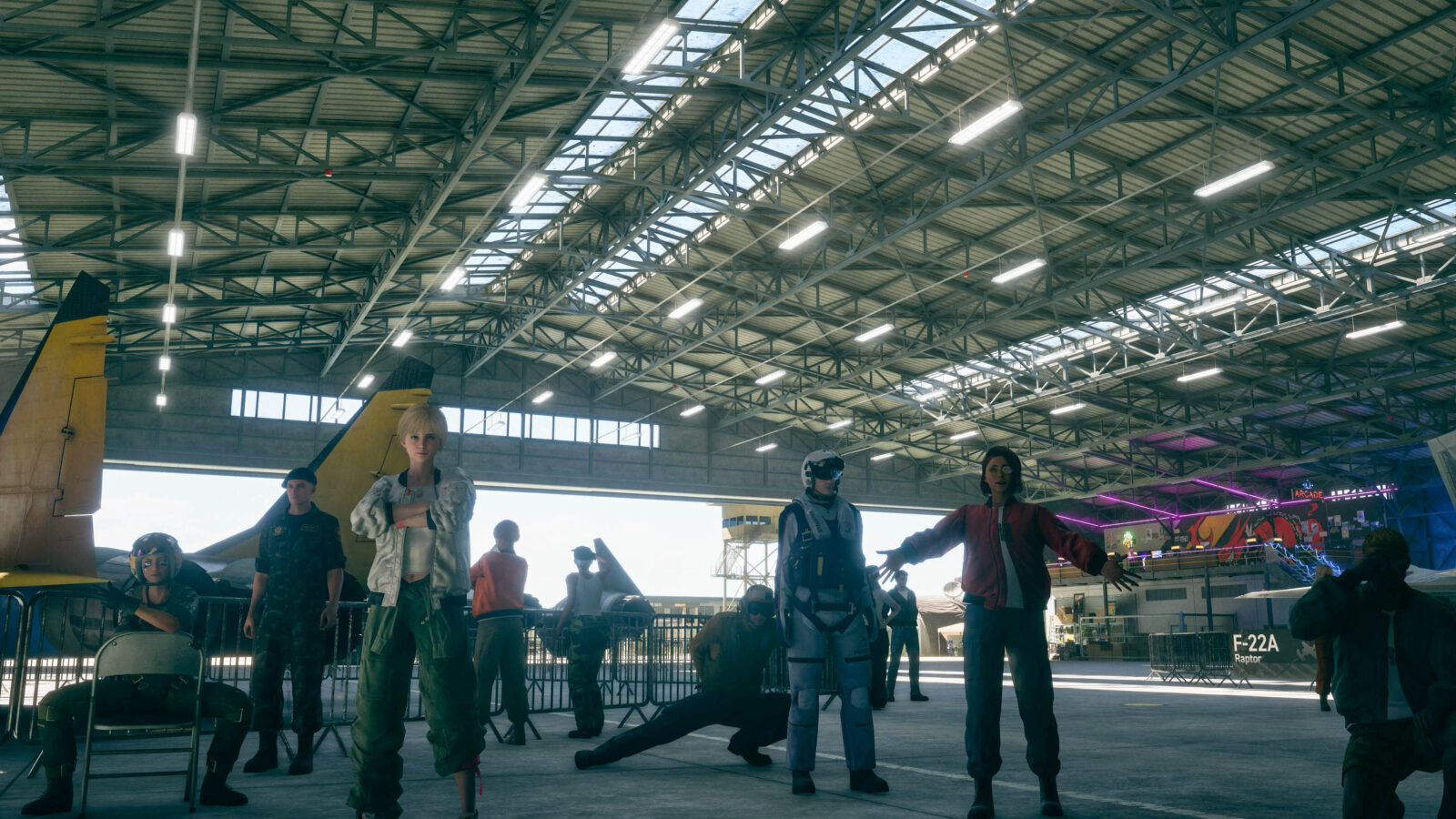
For the first time, much of the narrative is presented directly from the pilot’s perspective. Between missions, you move through the carrier Endurance in first person, spending time around the people you fly with and experiencing conversations as someone who actually exists inside this world.
Your pilot remains silent, preserving one of the series’ traditions, but you are no longer just an invisible camera waiting for the next mission briefing.
There are small interactions, moments where characters acknowledge your presence and opportunities to respond in limited ways. It is not trying to become a role-playing game, nor should it, but those tiny moments accomplish something surprisingly important.
For the first time in a long while, I felt like my pilot existed after the aircraft landed. The members of Joker Squadron gradually become people you recognise rather than call signs you hear during missions. You understand their personalities, their relationships and the way they deal with the situation unfolding around them. When those same voices come through the radio during combat, there is emotion behind them.
A war worth caring about
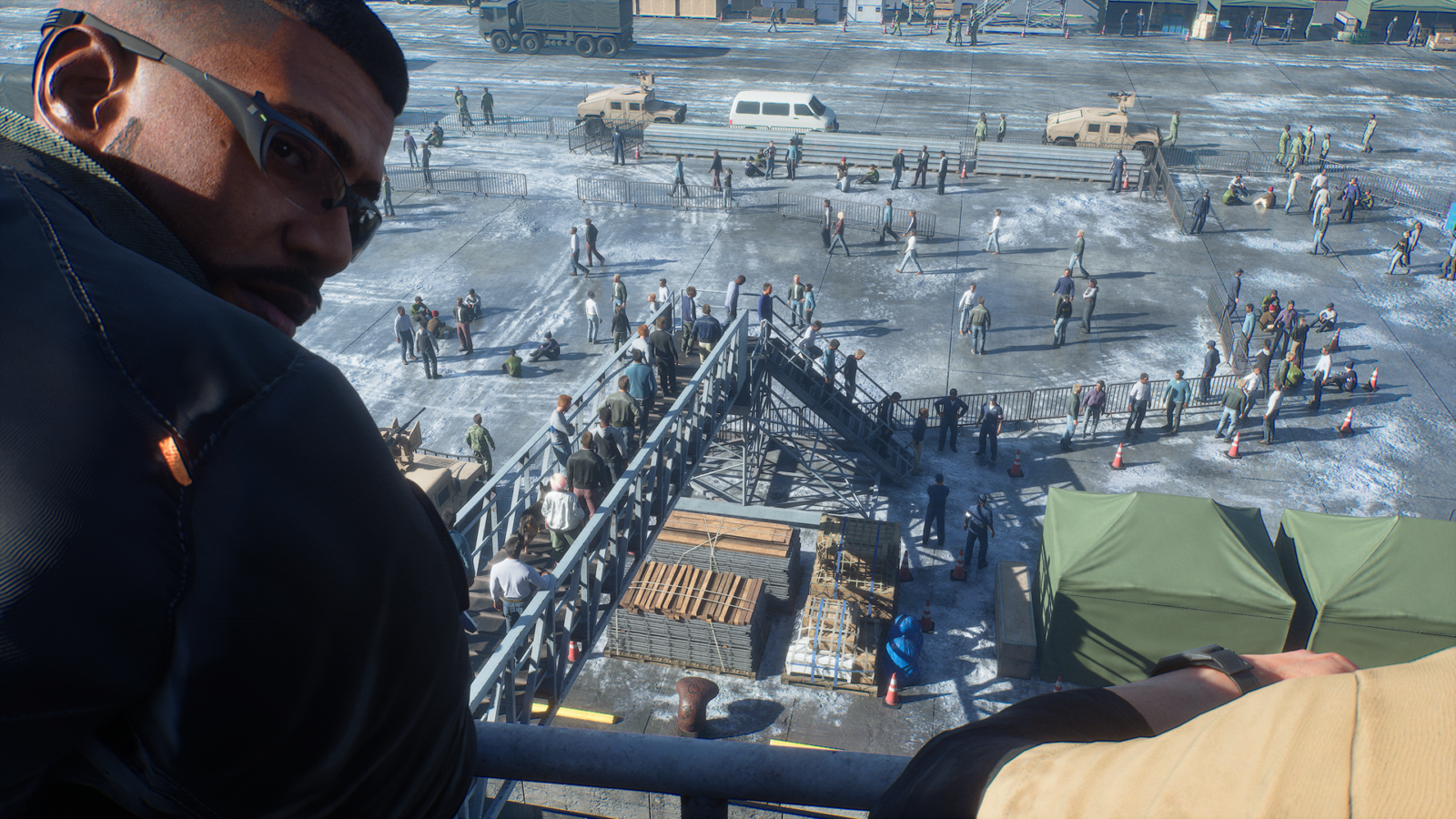
Without getting anywhere near spoiler territory, the Federation of Central Usea has suffered heavily against the Republic of Sotoa, and the carrier Endurance operates less like the centre of a dominant military force and more like a surviving piece of one trying to recover.
That gives the entire campaign a different energy.
There is a vulnerability to the situation that makes your victories feel important beyond the usual mission score. The story also spends a great deal of time exploring the mythology surrounding pilots themselves, including what happens when a country desperately needs someone to believe in.
Propaganda, national morale and the stories governments tell during wartime all become recurring themes, but the game never loses the heightened tone that makes Ace Combat what it is.
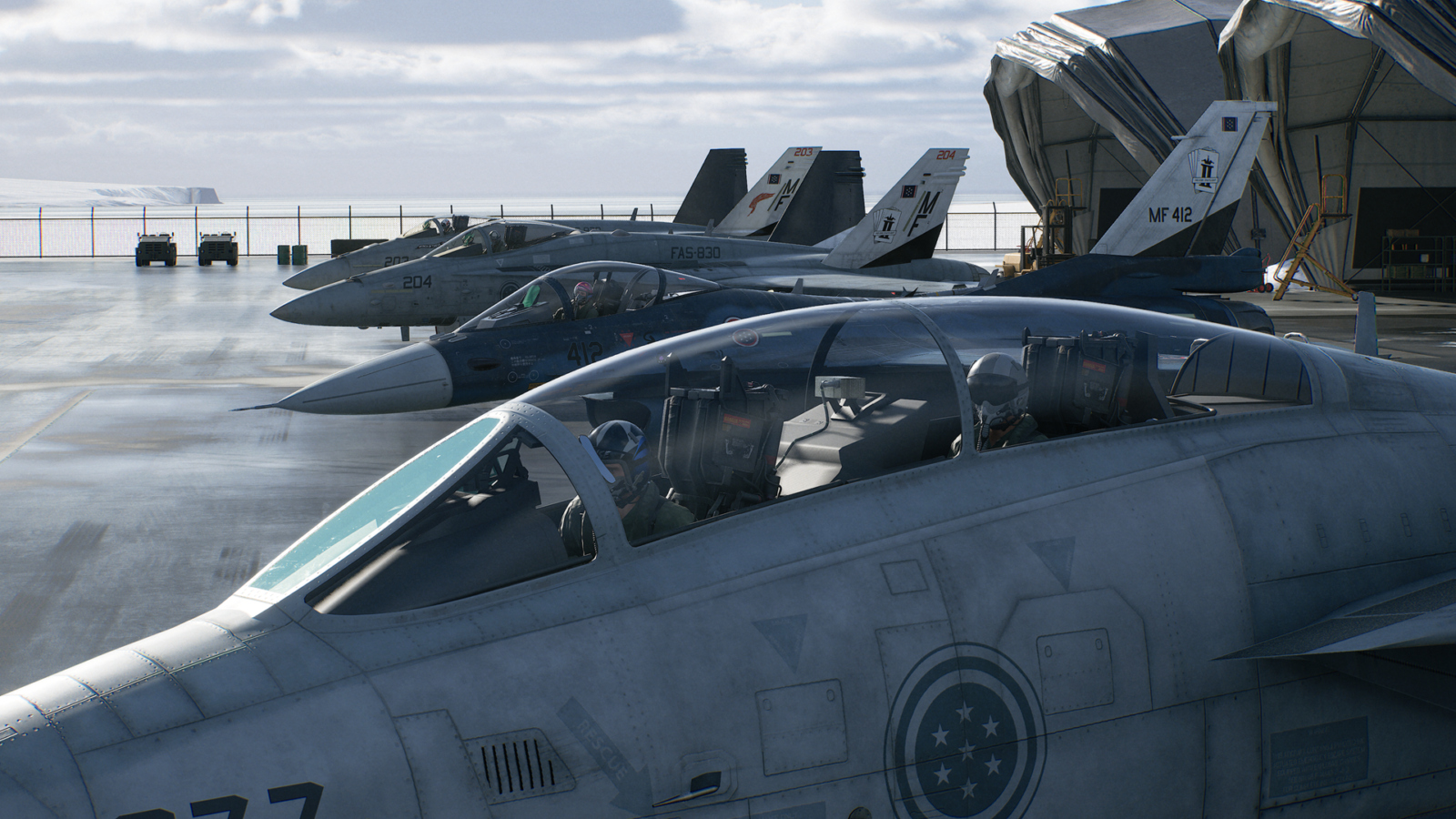
There are still deeply serious conversations happening while aircraft perform physically questionable manoeuvres in the background. There are still enormous weapons that could only have been approved by a fictional defence ministry with unlimited funding. There are still people contemplating the nature of humanity while somebody fires thirty missiles at you. I adore that about this franchise.
The difference is that Ace Combat 8 earns more of its emotional moments because it allows you to spend time with the people delivering them.
Ace Combat 7 had plenty of fascinating ideas, particularly around drones, automation and the changing nature of warfare, but its narrative often felt scattered across too many perspectives. Trigger became the thread holding everything together without ever feeling fully connected to the people surrounding him.
Ace Combat 8 feels much more cohesive. You understand your squadron, your carrier and what the conflict means to the people around you. When the game asks you to care, you already have reasons to.
The rhythm of an Ace Combat campaign
Ace Combat 8 also benefits enormously from simply having more room.
With 30 missions, compared with Ace Combat 7’s 20, the campaign has the space to alternate between traditional sorties, large-scale battles and the kind of absurd set pieces that have always defined the franchise.
There are air superiority missions, naval engagements and ground attacks, but objectives tend to evolve more naturally and missions are rarely content to remain one thing from beginning to end. Weather changes the atmosphere of encounters, reinforcements arrive at inconvenient times and gigantic targets appear because apparently somebody in Strangereal still hasn’t learned that constructing enormous experimental weapons rarely ends well.
Long may that tradition continue.
Aircraft progression remains familiar as well, with MRP used to unlock new fighters and upgrades while parts let you push aircraft toward particular strengths. Special weapon flexibility makes mixed engagements less frustrating, encouraging experimentation without removing the importance of preparing for a mission.
It feels like Project Aces looked at everything that worked in Ace Combat 7 and asked how to make each part feel more generous. That is probably the best way to describe the whole game.
And then the music starts
There is no separating Ace Combat from its music.
Few franchises understand the relationship between soundtrack and spectacle quite this well. Ace Combat can move from electronic tension to orchestral bombast and then suddenly decide that a perfectly ordinary dogfight requires a choir singing as though the fate of civilisation is being decided at 20,000 feet, by you.
What makes it so memorable is how closely the music follows the emotion of each mission. A desperate dogfight becomes more urgent, a quiet approach suddenly feels ominous, and a final push can feel almost heroic before you have even fired the last missile.
The best moments happen when every part of the game begins working together: the weather changes, the radio chatter gets louder, missile warnings start piling up and the soundtrack slowly takes control of the entire scene. These are the moments Ace Combat fans remember and that’s why they are why we replay missions we already know.
Long after I had finished playing, I found myself remembering certain missions through their music as much as the actual battles, which is probably the strongest compliment you can give an Ace Combat soundtrack.
It does not reinvent the franchise, and it shouldn’t
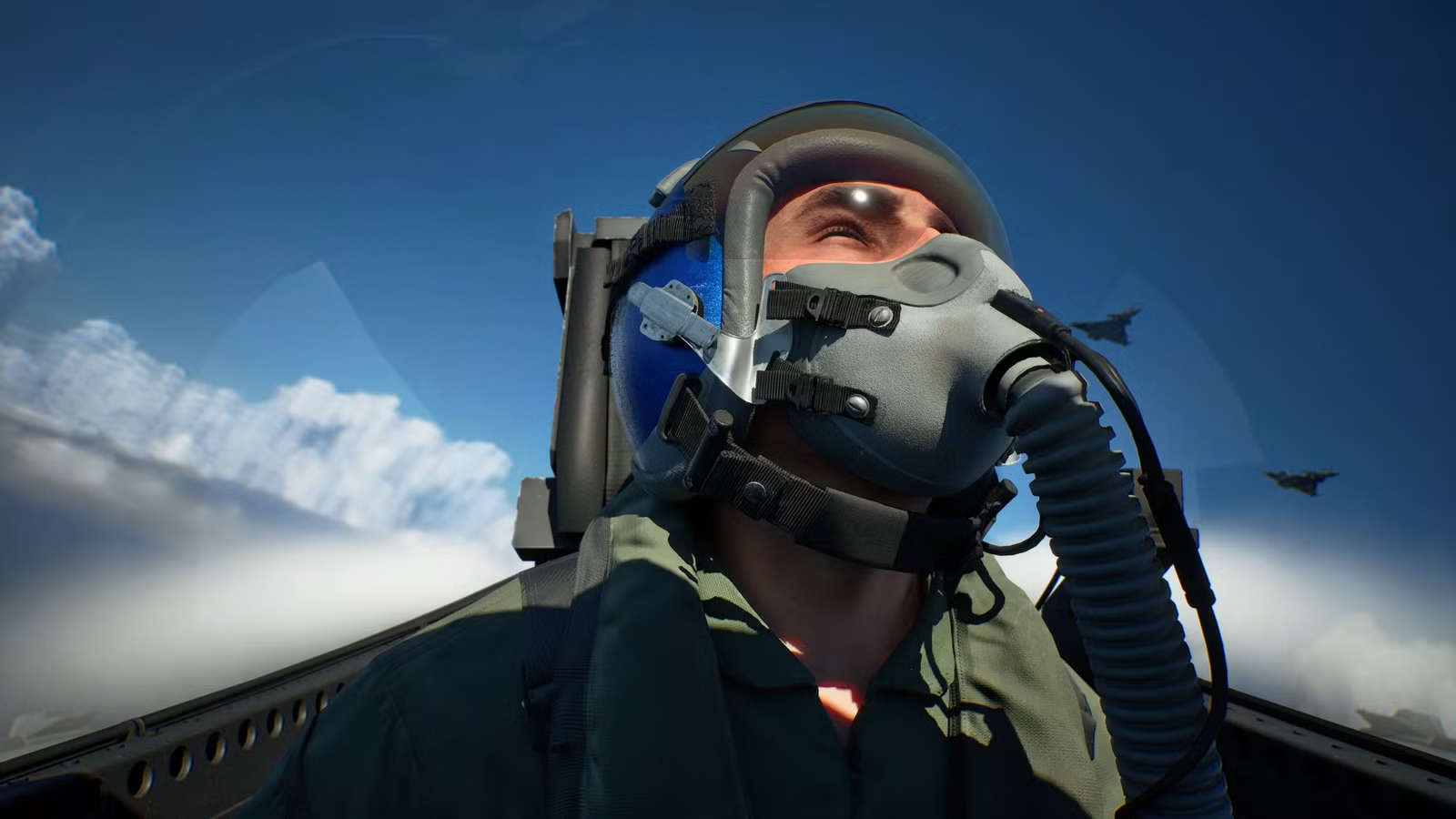
There will inevitably be players who look at Ace Combat 8 and wish Project Aces had changed more.
Underneath the visuals and expanded storytelling, you are still firing missiles at aircraft, destroying ground targets and performing impossible turns while somebody tells you that the future of the nation depends on you. For me, that familiarity is part of the appeal.
I did not want Ace Combat 8 to become something else. I wanted Project Aces to take everything this series has spent decades building and make the strongest possible version of it. That is what Wings of Theve feels like.
The longer first-person narrative sequences may interrupt the pace for players who simply want to return to the cockpit, but I found myself appreciating them more as the campaign continued. After years of watching Strangereal from a distance, being allowed to spend time inside it feels strangely rewarding. This world has history. It has recurring conflicts, political grudges, legendary pilots and countries whose borders fans can probably draw from memory.
Verdict
I have always loved Ace Combat because no other series makes me feel quite the same way.
There are more realistic military games. There are stories about war told with considerably more restraint. But there is only one series where I can fly through a thunderstorm in a fighter jet, listen to my squadron argue over the radio, dodge half a dozen missiles and hear an orchestra swelling in the background while somebody delivers a monologue about the meaning of what it means to soar the sky.
Ace Combat 8: Wings of Theve remembers why that combination is special. The flying remains exhilarating, the new technology makes Strangereal more beautiful than it has ever been, wingmen finally feel like part of your squadron again and the campaign gives its characters enough space to become people rather than voices.
And most importantly, it feels made by people who love Ace Combat as much as the people playing it.