
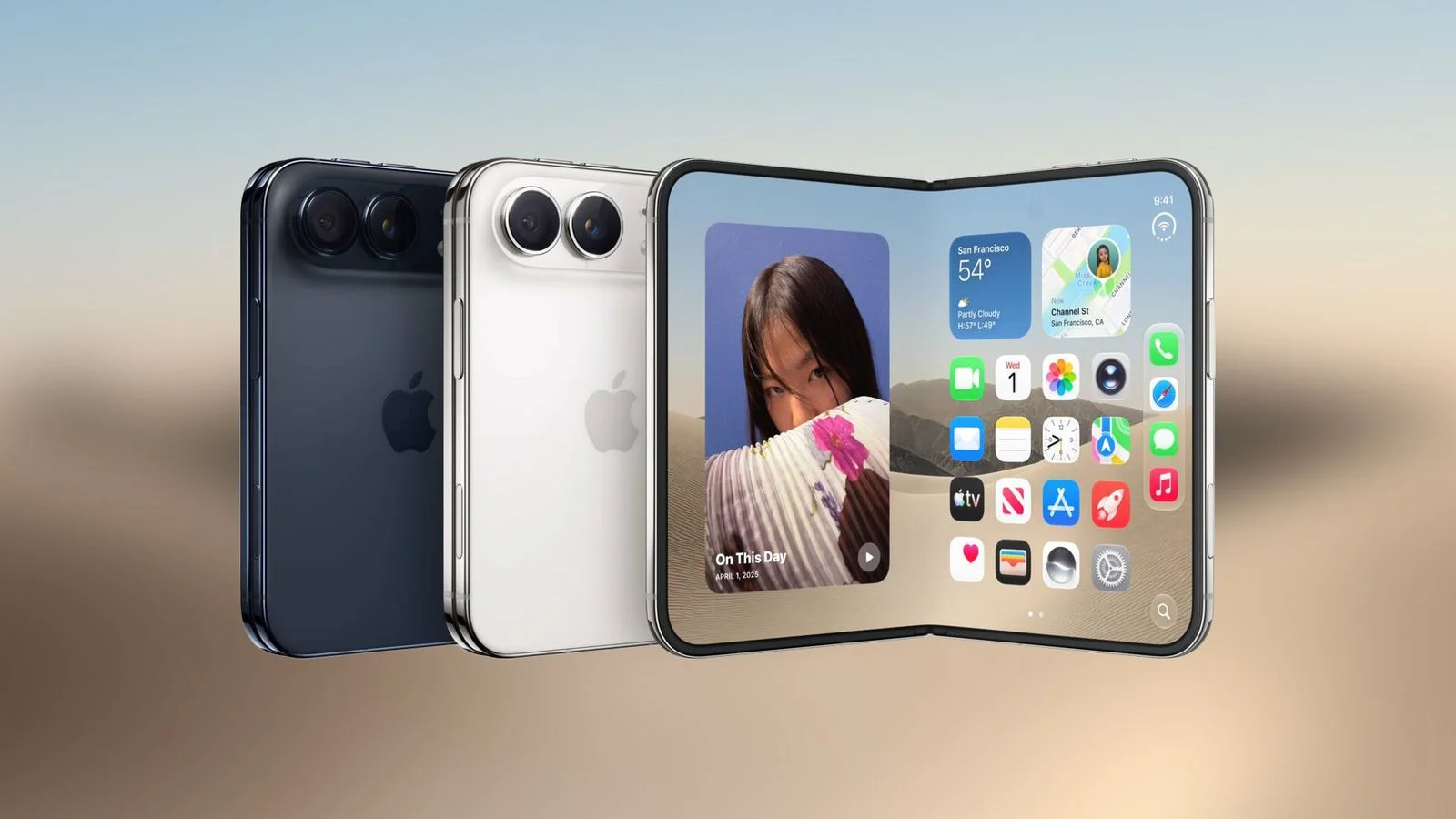
Apple’s first foldable iPhone will come with something foldable owners know well: a protective layer over the inner screen that’s designed to be swapped out when it wears down. Kate Bergeron, Apple’s vice president of hardware engineering, confirmed in a recent interview that the iPhone Duo’s nano-texture cover layer can be peeled off and replaced.
The layer does more than protect the screen. It sits over the folding inner display and helps disguise the crease along the hinge, the visual flaw every foldable has struggled with since the category began. Bergeron said Apple put substantial engineering effort into making the layer last. But by offering replacements, Apple is also admitting that it will eventually wear, and that the crease may become more visible as it does.
For US customers with AppleCare+, replacing the layer costs $19. Apple hasn’t said what it will cost without coverage. That gap matters, because a $19 fee becomes a selling point for AppleCare+ on a device that will already be one of the most expensive iPhones Apple has made.
The idea isn’t new in the foldable world. Samsung’s Galaxy Z Fold phones ship with a pre-applied protector on the inner display, which Samsung service centres can replace. The approach also has a cautionary history. Samsung’s original Galaxy Fold launch in 2019 was derailed partly because early reviewers peeled off a layer that looked like a removable screen protector but was actually part of the display. Apple appears to be avoiding that confusion by being clear from the start that this layer is meant to come off.
The nano-texture finish is worth watching. Apple uses the same anti-glare treatment on some MacBook Pro, iPad Pro and Studio Display models. It reduces reflections, but it’s sensitive enough that Apple recommends a dedicated polishing cloth for cleaning. On a phone that folds shut in a pocket, dust and grit can get trapped against that surface, so a replaceable layer looks less like a bonus and more like a necessity.
It’s still unclear who will be allowed to do the replacement. Apple Stores and Authorized Service Providers are the likely channels. Apple hasn’t said whether owners will be able to buy and apply replacement layers themselves, or whether third-party options will be approved.
The answers won’t take long. Pre-orders for the iPhone Duo open on October 16, and the phone reaches stores on October 23. Real-world use will show quickly how often that $19 swap is needed.