
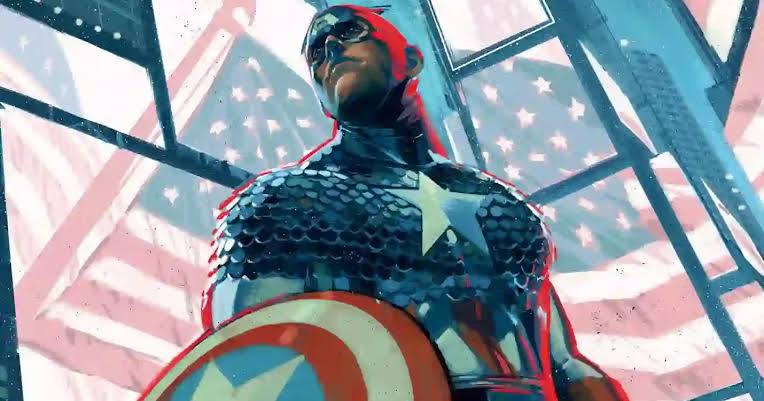
Steve Rogers has long embodied the limits of enhanced human potential in the Marvel universe. Despite the Super-Soldier serum granting him peak physical condition, he remains bound by mortal vulnerabilities, a trait that has defined his most compelling moments on the page. A well-placed sniper round or the raw power of a gamma-enhanced foe can still end him, forcing reliance on skill, strategy, and sheer determination rather than brute durability. This grounded fragility sets Captain America apart from godlike teammates like Thor or armored figures such as Iron Man, elevating his tactical victories through necessity rather than convenience.
Recent developments in the Captain America series deepen this dynamic in intriguing ways. Following a brutal clash with Red Hulk in the ruins of Doomstadt, Steve finds himself in a coma, his altered physiology complicating conventional medical intervention. Unbeknownst to the Avengers, Rogers awakens in a hellish realm where Doctor Doom awaits, revealing a metaphysical link between their souls. Doom claims to have attached a “silver cord” to Steve’s essence, potentially allowing the villain to hitch a ride back to the living world upon Rogers’ death. The setup echoes classic Marvel soul-binding tropes, reminiscent of deals with entities like Mephisto, yet it positions two ideological opposites in uneasy proximity.
Steve’s ability to strike the unmasked Doom mirrors his famous World War II punch against Hitler, hinting at agency within this infernal bargain. Rather than passive victimhood, Rogers may leverage the connection to dictate terms, possibly influencing Doom’s fate or securing his own escape. For Doom, the alliance offers a lifeline after his recent setbacks, including the collapse of his Latverian regime. Cooperation could provide geopolitical redemption and a platform to confront larger threats like Mephisto or Red Hulk’s forces. Yet the arrangement carries familiar risks of betrayal, as Doom rarely operates without layered schemes. Upcoming stories, including ties to Black Panther and Namor narratives, suggest the villain will continue sowing chaos even from Hell, dispatching demonic incursions against Wakanda and Atlantis.
This soul-linked pairing reflects broader trends in modern Marvel storytelling, where personal rivalries intersect with cosmic stakes to propel ensemble plots. Captain America’s principled stance has historically clashed with Doom’s authoritarian vision, creating fertile ground for conflict or reluctant teamwork. Their potential collaboration ahead of larger events like Avengers: Doomsday raises questions about narrative payoff. Will it humanize Doom further, or simply serve as a temporary bridge to the next crisis? Past crossovers have shown that such alliances often prioritize spectacle over lasting character evolution, though Chip Zdarsky’s run has earned praise for probing Steve’s resilience under pressure.
The timing feels deliberate, bridging ongoing comic arcs with MCU developments. Steve’s apparent absence in the wider superhero landscape leaves room for this metaphysical detour, testing whether his return strengthens or complicates the team’s dynamics against escalating threats. In a franchise built on larger-than-life heroes, Rogers’ enduring appeal lies in his refusal to transcend human costs, even when souls tangle with history’s greatest manipulators. The resolution, arriving in Captain America #12 on June 24, promises to clarify whether this hellish partnership yields genuine growth or merely another layer of convoluted resurrection mechanics common to long-running superhero sagas.