
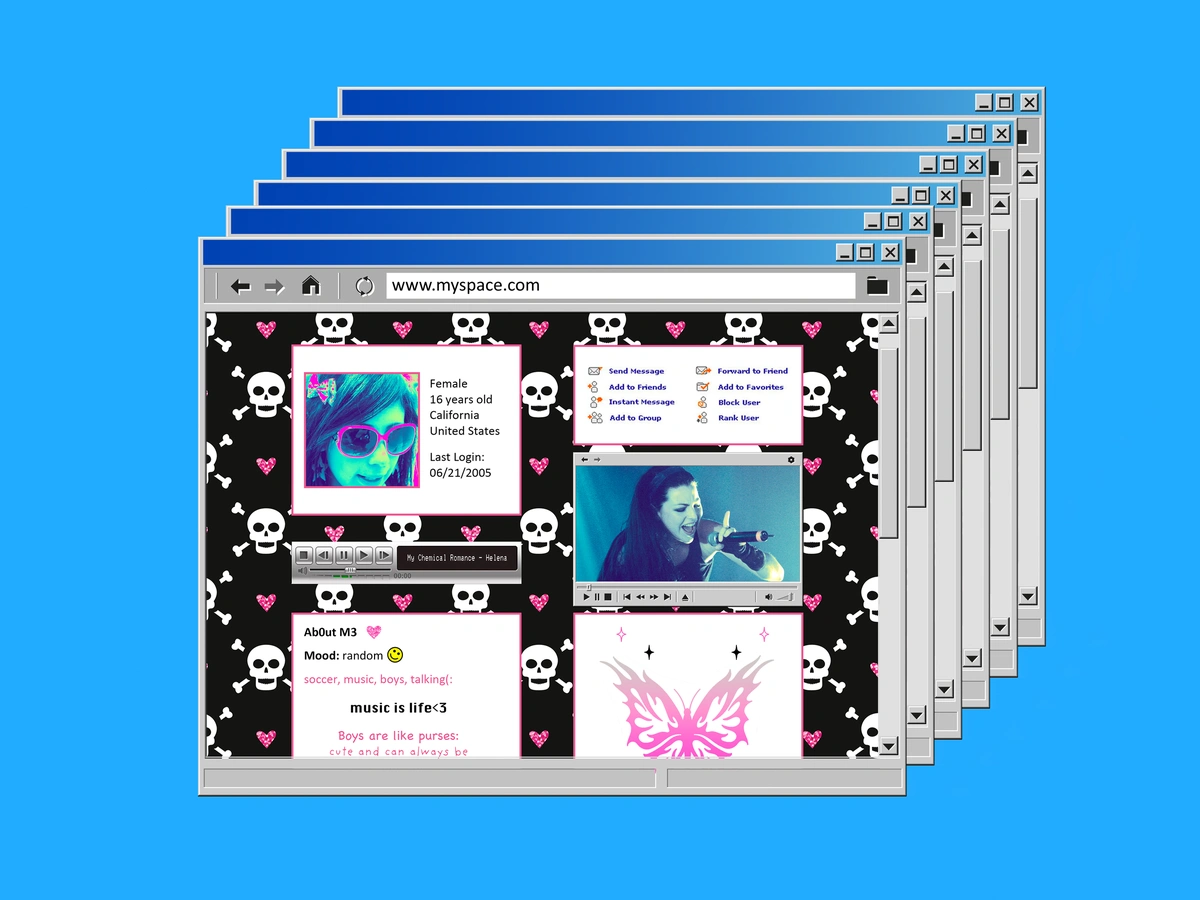
MySpace may not be finished with social media just yet. More than two decades after the platform helped define the early social web, its current owners say they still intend to relaunch it, even after a previous revival attempt ended in heavy losses.
The comments come from Tim and Chris Vanderhook, co-founders of Viant Technology, which acquired MySpace in 2011. Speaking in a recent documentary about the platform, the brothers described themselves as its “stewards” and said they are waiting for what they consider the right moment to bring MySpace back again.
What that comeback would actually look like remains unanswered. There is no launch date, no confirmed product strategy and no clear indication of whether a revived MySpace would resemble the highly customizable social network people remember from the 2000s. For now, the plan sounds more like a long-term intention than an imminent product launch.
That distinction matters because MySpace has already tried to reinvent itself. A 2013 relaunch shifted the service toward music, entertainment and creative discovery, but it failed to restore the platform’s relevance against Facebook and other rapidly growing social networks. Chris Vanderhook now estimates that effort cost roughly $150 million, largely because advertisers continued to favour Facebook.
The owners do not appear discouraged by that history. They have suggested they would be willing to try again even if another relaunch failed, although enthusiasm alone will not solve the larger problem: the social media market of 2026 is far more crowded and mature than the one MySpace once dominated.
MySpace’s original appeal came partly from giving users unusual control over how their profiles looked and sounded. Pages could be heavily customized with layouts, music, graphics and personal touches, making the service feel less standardized than many modern platforms. That degree of individuality remains one of the strongest sources of nostalgia around the brand.
But nostalgia is not a business model. Newer social platforms have repeatedly shown that attracting an initial wave of curious users is much easier than convincing them to stay. Even services backed by major technology companies have struggled to break established habits, while earlier challengers such as Google+ ultimately disappeared.
There may still be an opening. Users have become increasingly critical of algorithmic feeds, aggressive advertising, privacy concerns, AI-generated content and the broader influence of large social networks. A smaller platform built around customization, direct social interaction and clearer user control could feel distinct in that environment.
Whether MySpace can credibly become that platform is another question entirely. Its name still carries cultural weight, but the social web that created that reputation no longer exists. If the Vanderhooks do bring MySpace back, the real challenge will not be getting people to visit for nostalgia. It will be giving them a reason to return the following day.