

There was always something distinct about Onimusha.
At a time when Capcom was experimenting with what its survival horror expertise could become outside Resident Evil, Onimusha combined demonic horror, historical Japan, puzzles and sword combat into something that felt genuinely different. Then, despite a strong run during the PlayStation 2 era, the series largely disappeared.
More than 20 years later, Onimusha: Way of the Sword has the difficult job of bringing that identity into a gaming landscape now crowded with excellent samurai action games. Which makes Onimusha: Way of the Sword an interesting proposition. This is not a remaster or another attempt to simply remind players that the franchise once existed. Capcom has effectively rebuilt Onimusha for a generation that has grown accustomed to Sekiro, Nioh, Ghost of Tsushima and countless other games centred around Japanese swordplay.
The surprising part is that Way of the Sword rarely feels as though it is desperately trying to imitate them. Instead, it remembers what made Onimusha distinctive in the first place: supernatural horror, historical fantasy, larger-than-life characters and some incredibly satisfying sword combat.
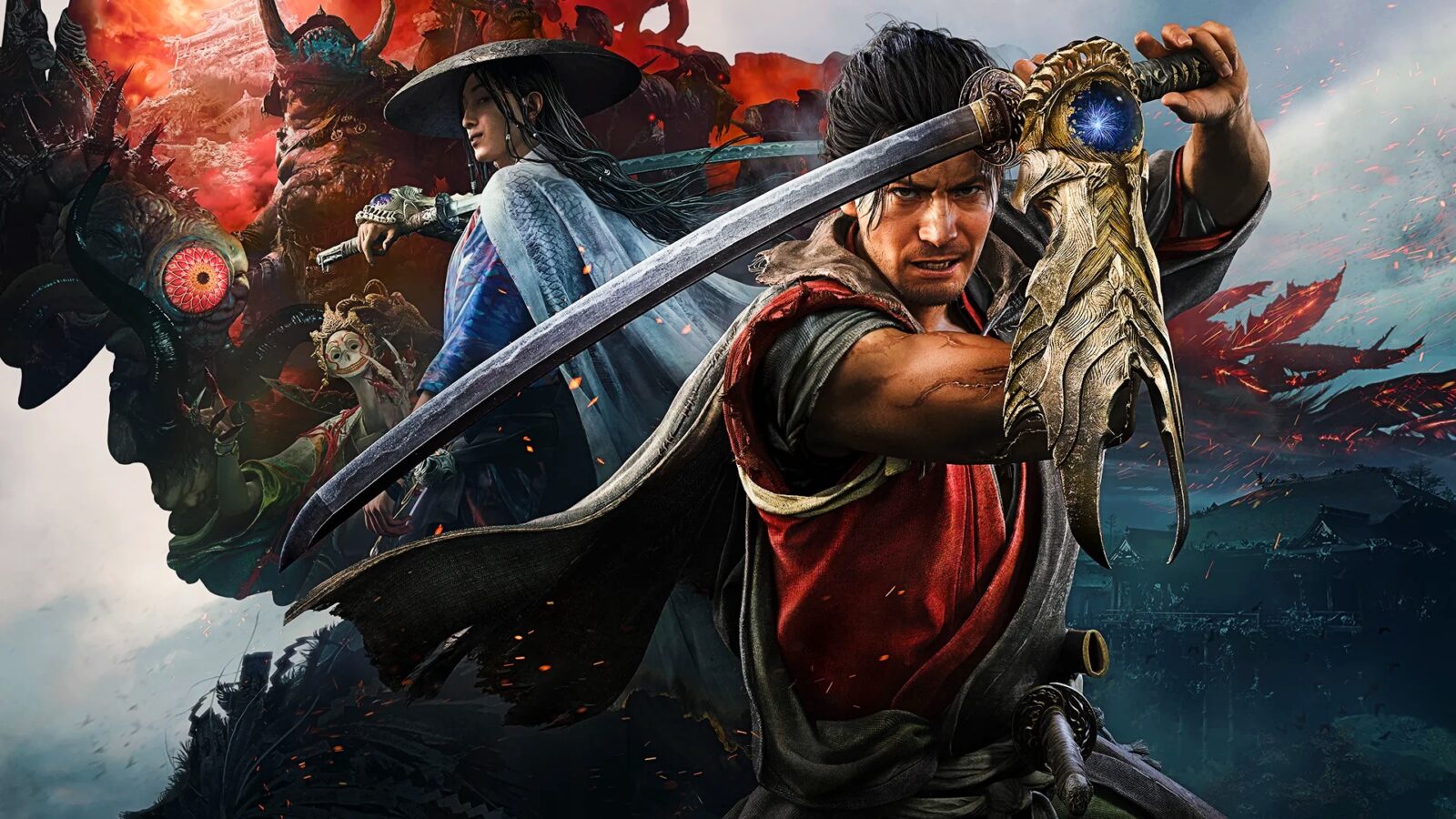
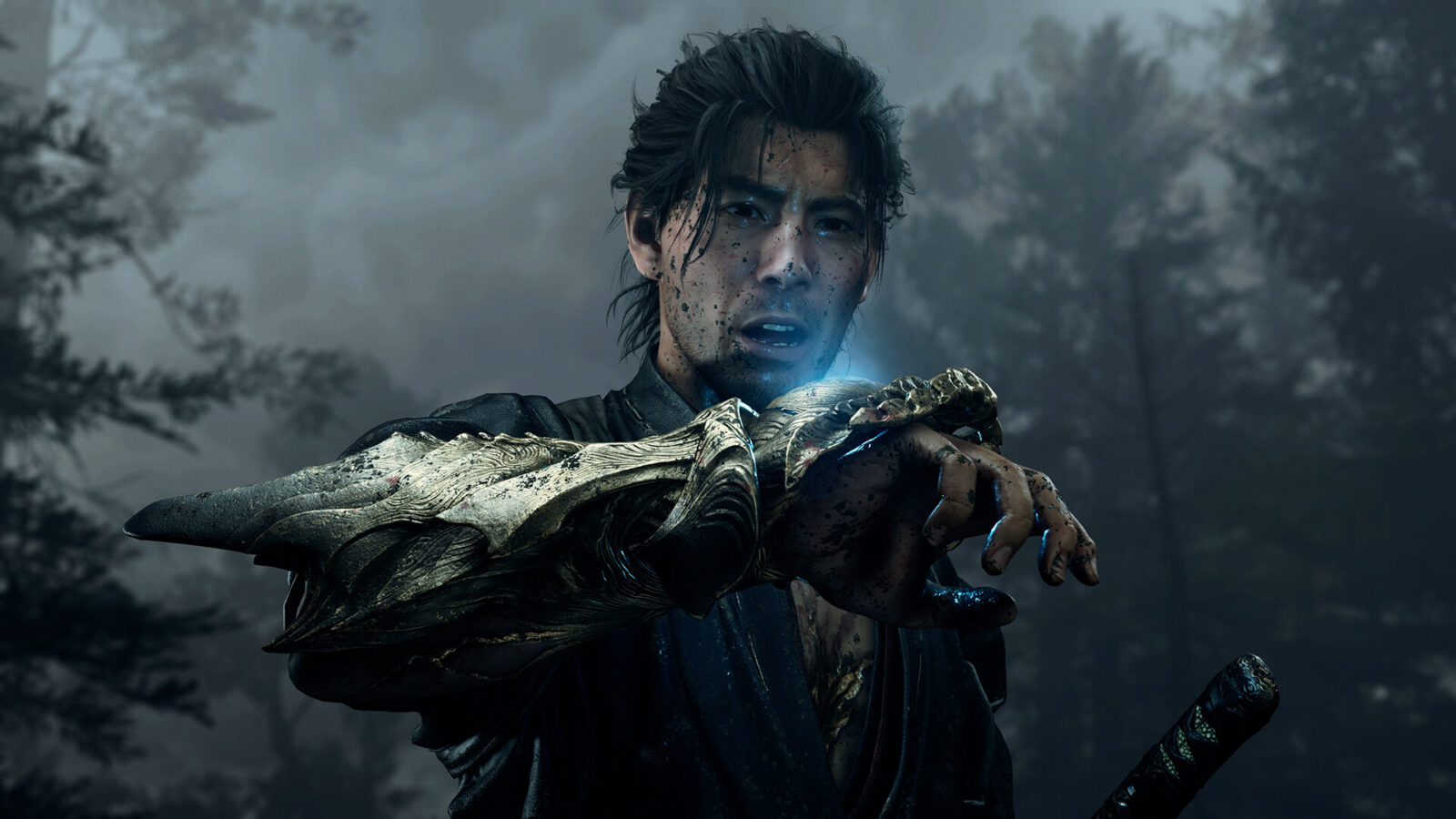
This time around, the story follows a fictionalised version of Miyamoto Musashi, whose appearance is based on legendary Japanese actor Toshiro Mifune. Capcom does not treat Musashi with reverence, nor does it try to turn the game into a serious biography. This is an Onimusha game, after all, which means history is simply the foundation for a story involving demons, magical gauntlets and an increasingly corrupted Kyoto.
Musashi begins the story as a warrior concerned primarily with becoming stronger and proving himself against increasingly worthy opponents. His obsession with personal skill is important because it directly conflicts with the Oni Gauntlet he eventually receives. The gauntlet grants him extraordinary supernatural abilities and gives him the power needed to fight the Genma, but Musashi initially resents it. To him, strength handed over through supernatural intervention is not the same as strength earned through years of training.
That conflict gives the story considerably more substance than its relatively straightforward demon-invasion premise would suggest. Musashi does not immediately embrace the role of a heroic saviour. He wants the gauntlet gone and is initially far more interested in his own ambitions than becoming Kyoto’s protector. Unfortunately for him, the gauntlet is also keeping him alive, forcing him into an uneasy relationship with both its power and the responsibility that comes with possessing it.
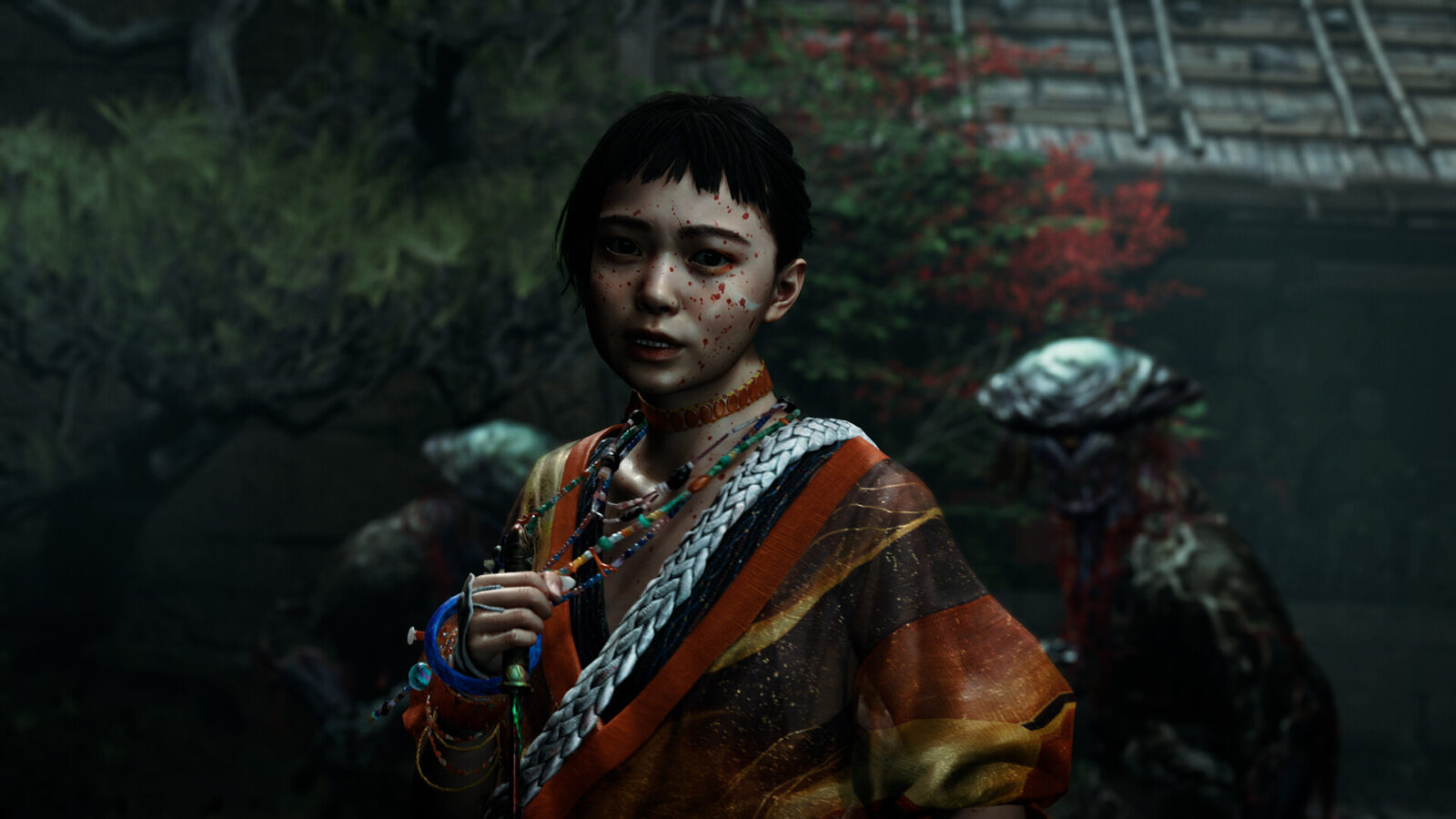
It makes Musashi an entertaining protagonist because Capcom allows him to be arrogant, stubborn and occasionally selfish without making him unlikeable. He has a dry sense of humour and frequently treats situations that would send most people running in the opposite direction with irritation rather than fear. His interactions with Shizuka are particularly enjoyable, with the two regularly challenging each other rather than falling into the familiar dynamic of a silent warrior obediently following instructions.
The broader narrative explores different interpretations of strength and the temptation that comes with power. Musashi believes in strength earned through discipline, while the supernatural world surrounding him repeatedly forces him to reconsider whether personal ability alone is enough. His progression from someone primarily interested in himself into somebody willing to rely on others is predictable, but it works because the character writing sells that transformation. The story knows when to become darker, but it also gives the cast enough humour and personality to prevent the entire adventure from drowning in misery.
The actual plot surrounding the Genma is less remarkable. Onimusha has always been comfortable with familiar ideas about demonic invasions and corrupted power, and Way of the Sword does not radically change that formula. There are revelations, emotional moments and some spectacularly directed sequences, but the characters are ultimately more interesting than the mystery of what is happening to Kyoto. That is not necessarily a major weakness. The game is at its best when the supernatural plot gives Musashi another personality to clash with or another ridiculous monster to fight.
And fighting those monsters is where Way of the Sword becomes exceptional.
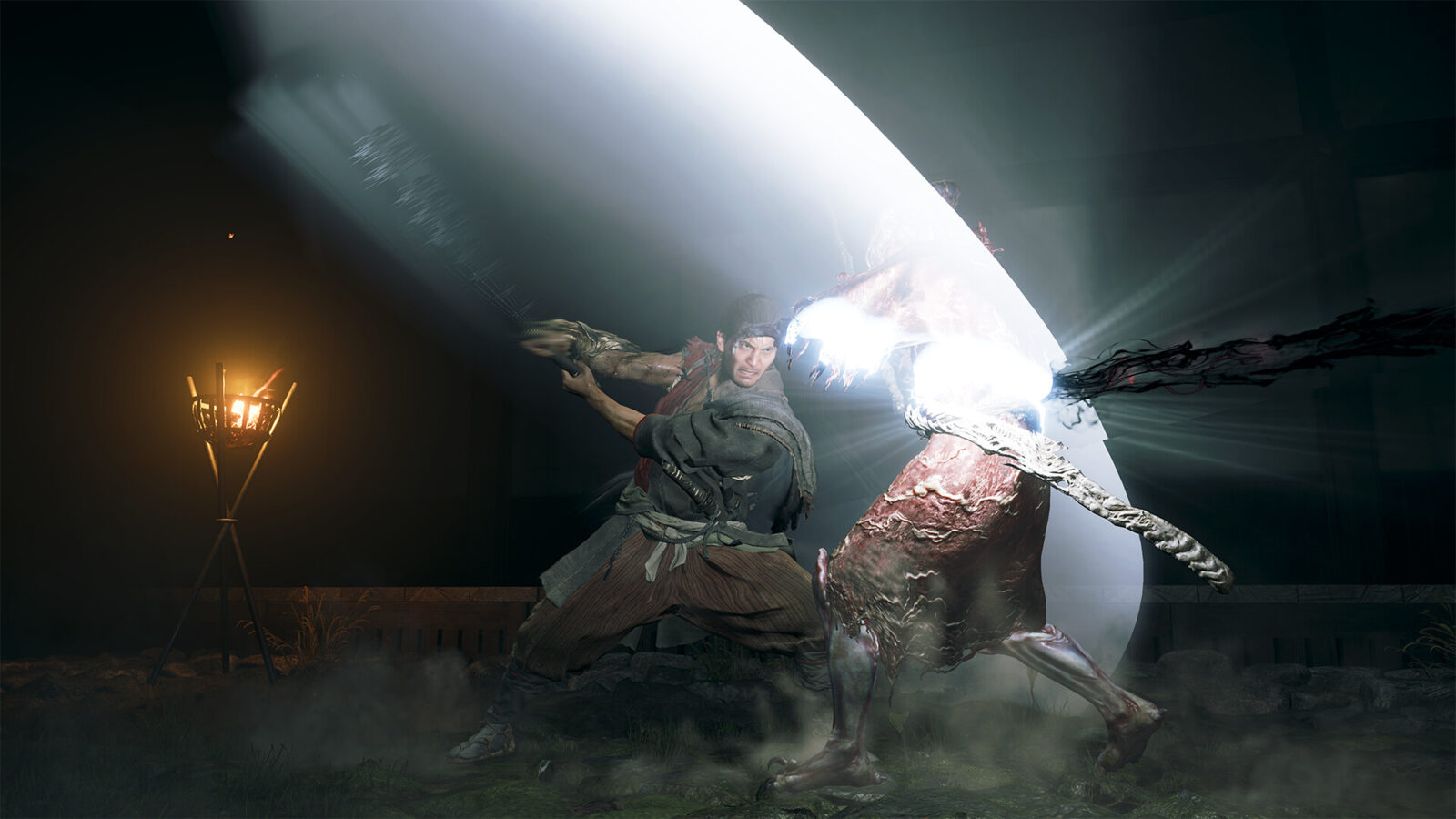
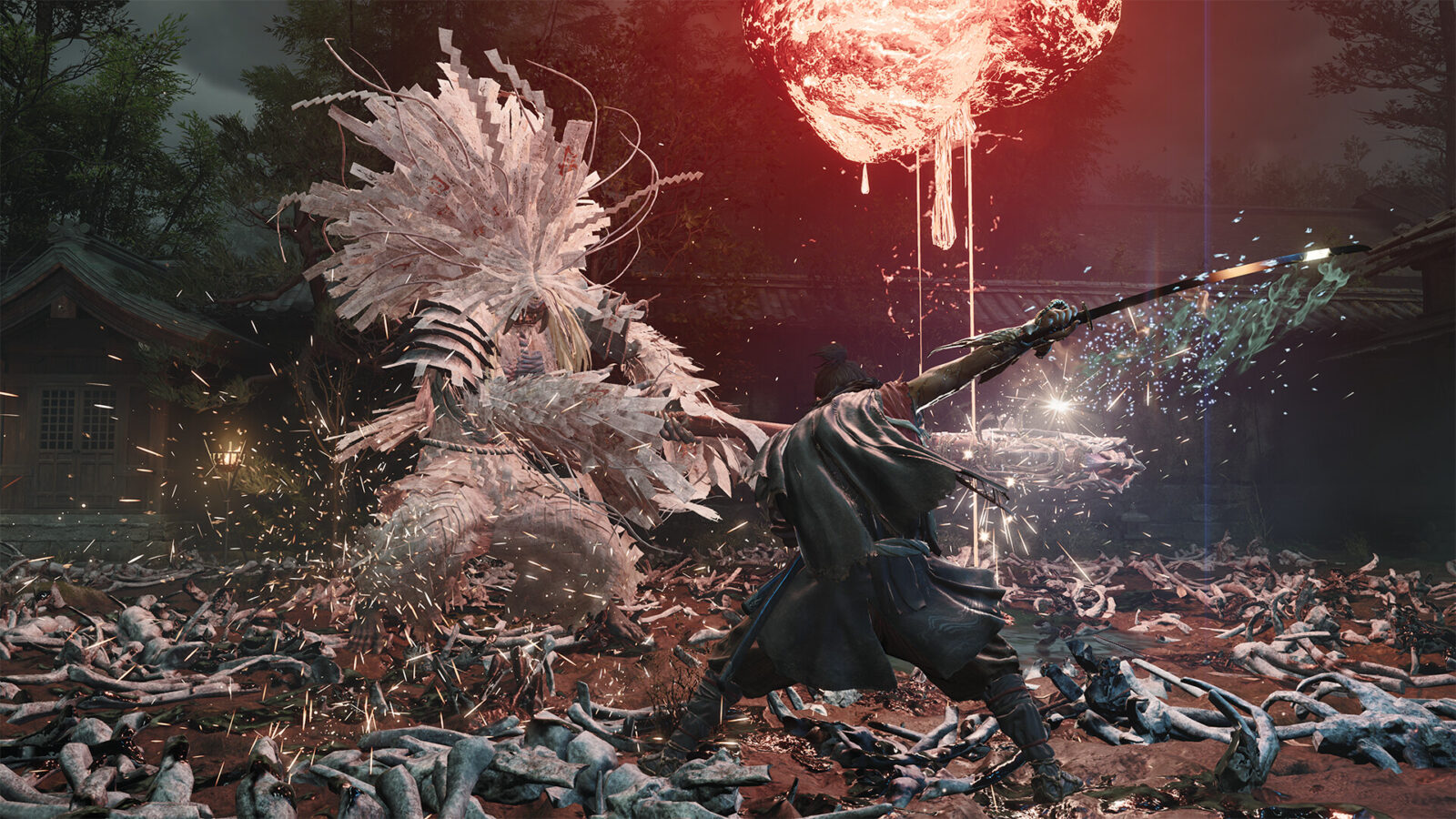
Comparisons to Sekiro: Shadows Die Twice are unavoidable because parrying, reading enemy attacks and choosing the correct moment to counter are central to the combat system. The comparison makes sense, but Way of the Sword is noticeably more theatrical. Capcom wants every confrontation to look like an exaggerated samurai film. Swords crash together with enormous impact, sparks explode across the screen, enemies are sent smashing through scenery and successful counters can end encounters with wonderfully violent efficiency.
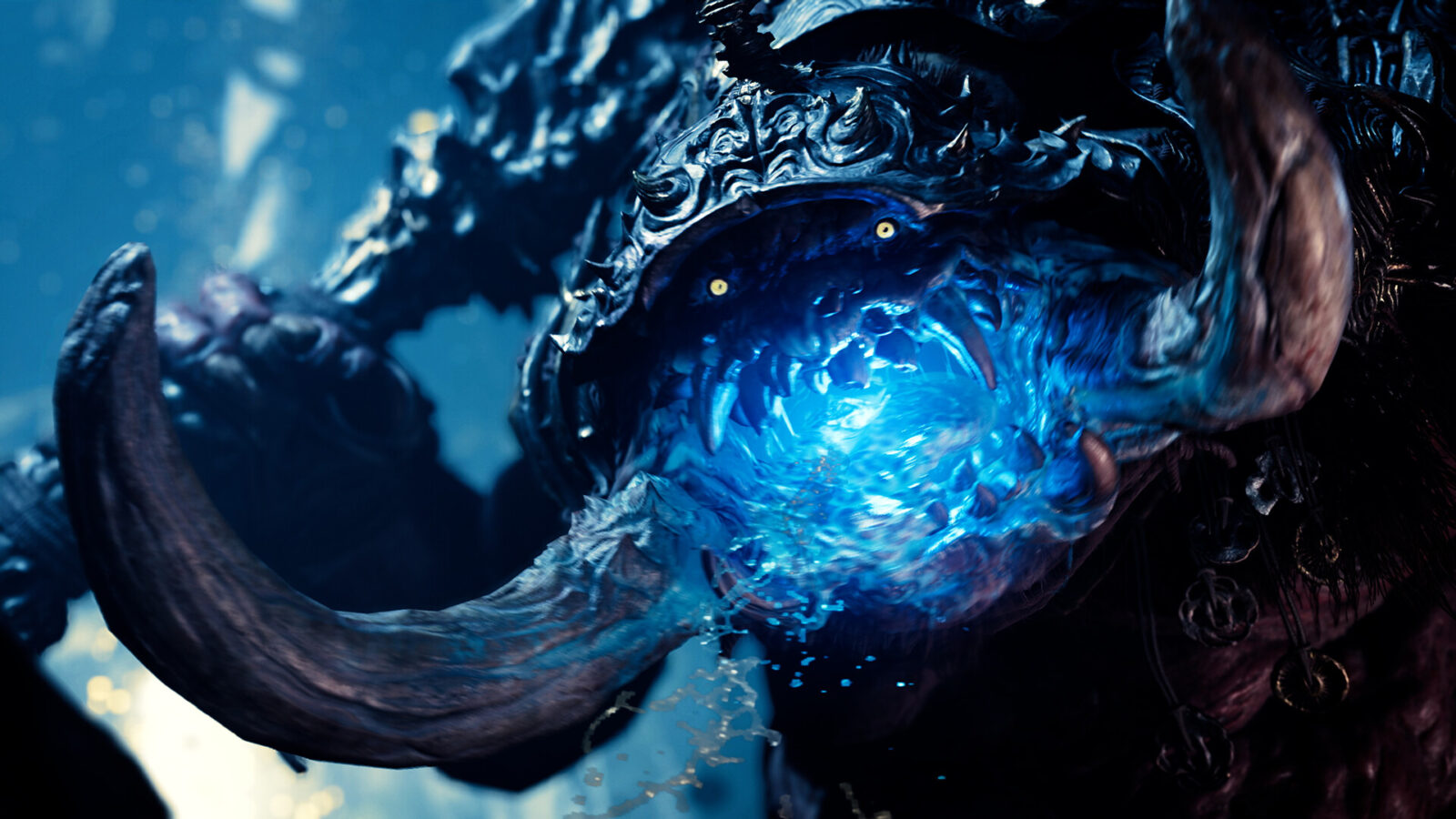
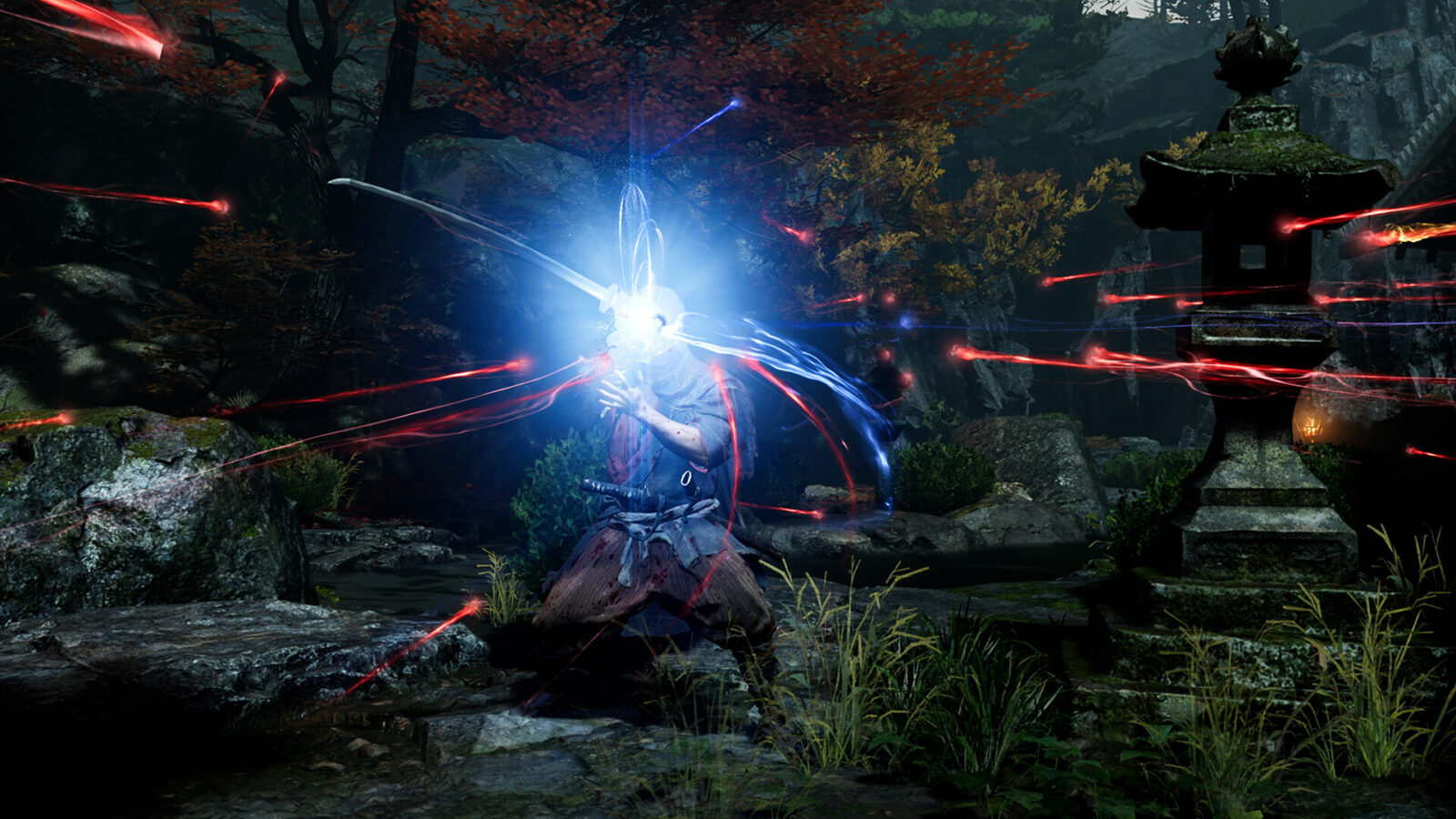
Simply defending yourself will only get you so far. The combat becomes significantly more enjoyable once you stop reacting out of panic and begin understanding the rhythm of each opponent. Attacks need to be recognised, parries timed and openings exploited. Break an enemy at exactly the right moment and Musashi can unleash devastating attacks, including the returning Issen techniques that remain fundamental to the identity of Onimusha.
There is an almost rhythmic quality to combat when everything works correctly. Rather than endlessly attacking an enemy until its health disappears, you are constantly looking for the moment when a battle turns in your favour. Against weaker enemies that moment can arrive quickly, while more dangerous opponents force you to remain disciplined. The difference between barely surviving a fight and completely dismantling the same enemy after learning its patterns is enormous.
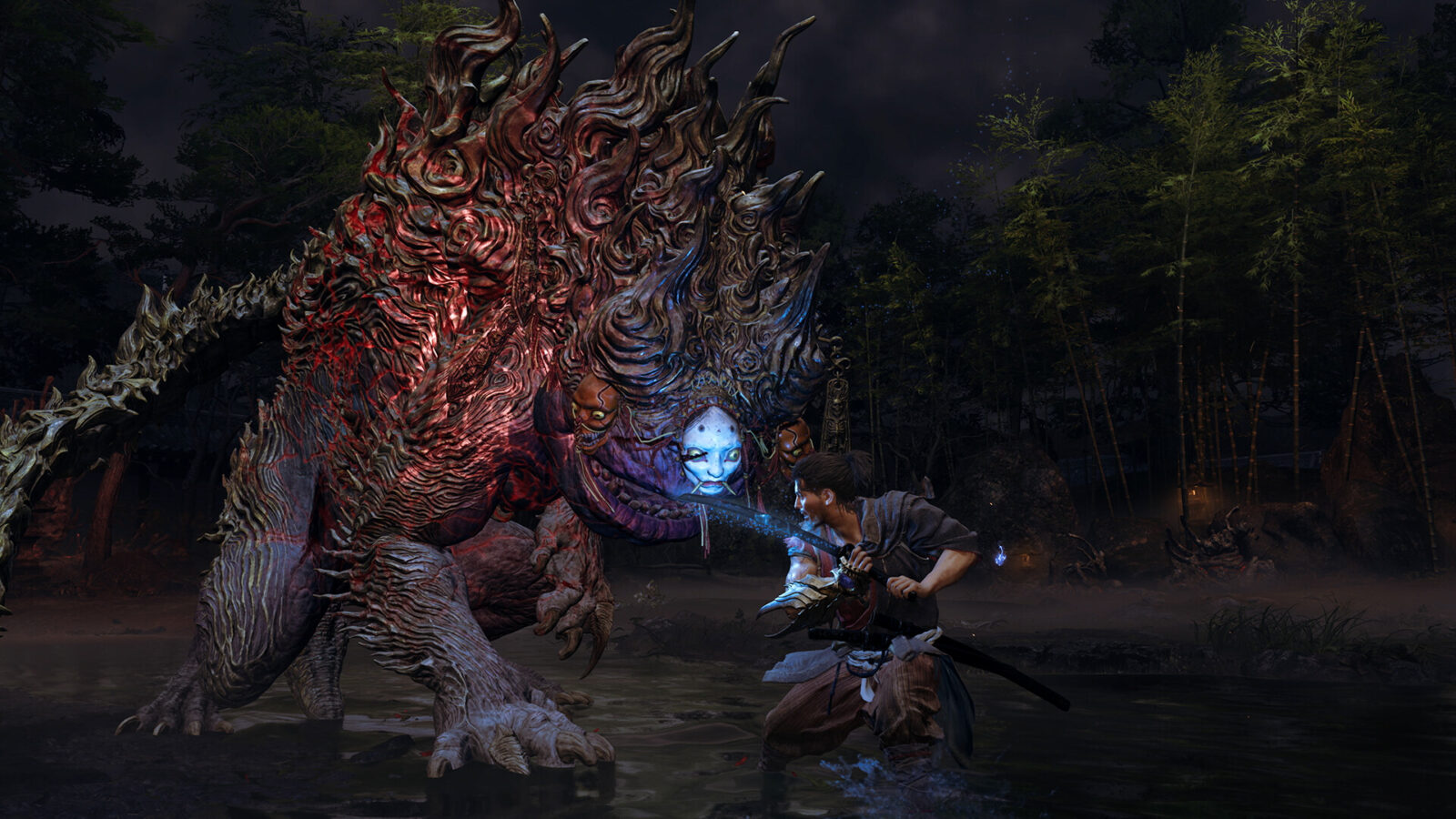
Boss battles consequently become some of the strongest encounters in the game. They are aggressive, spectacular and frequently difficult enough to expose bad habits that regular enemies allow you to get away with. The best bosses feel less like tests of how much damage Musashi can produce and more like violent conversations between two fighters waiting for the other person to make a mistake.
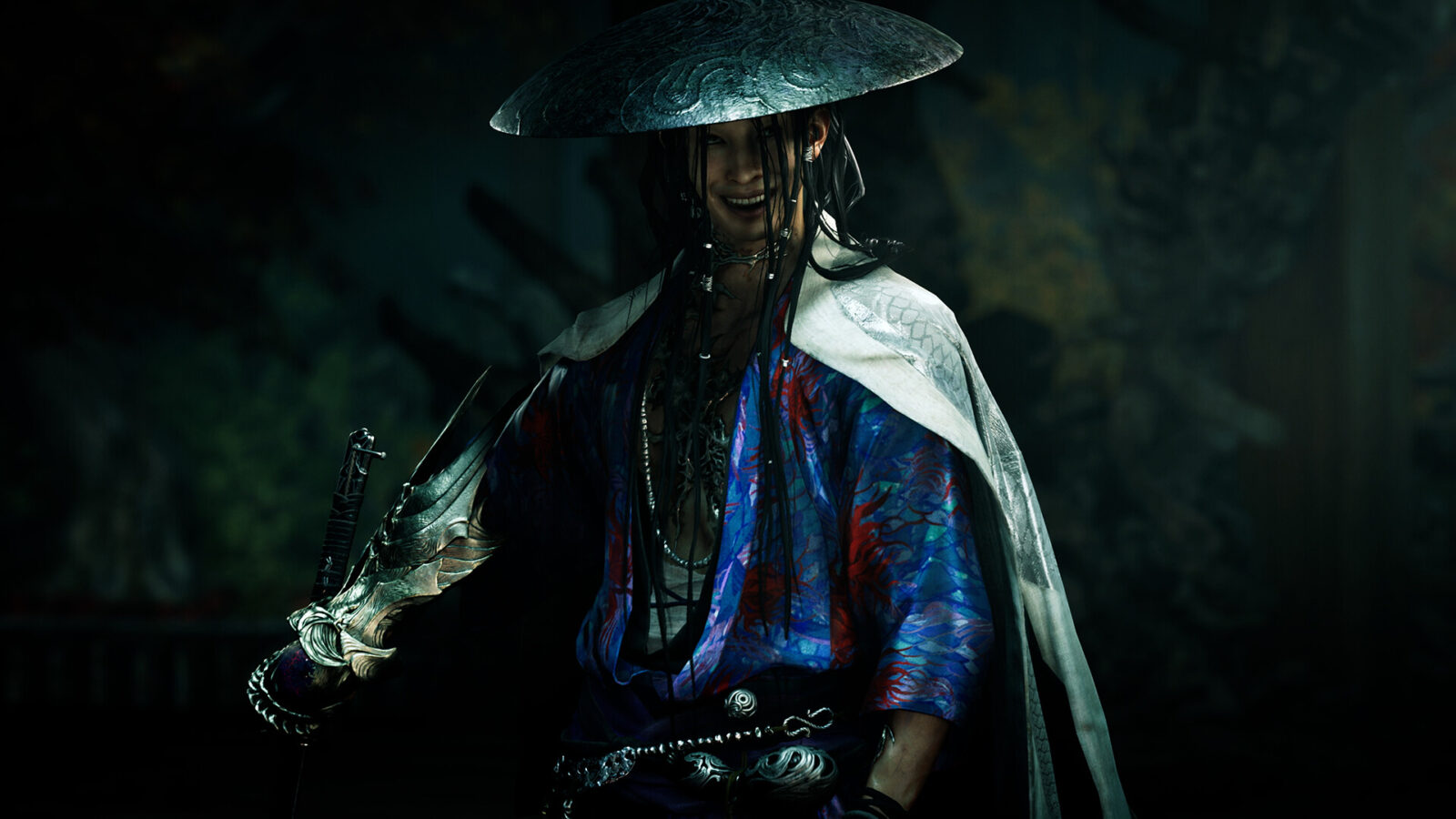
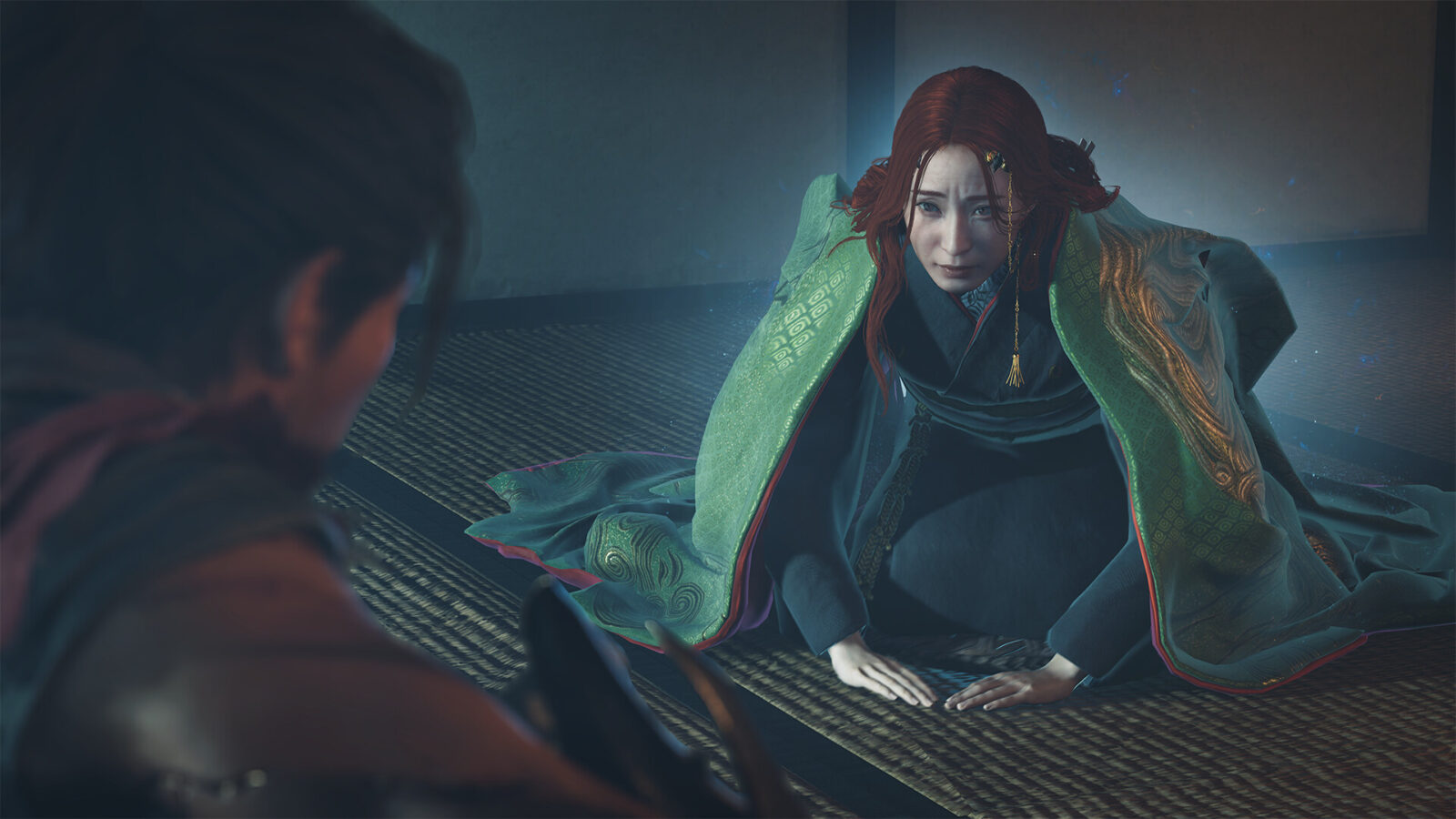
The presentation also deserves considerable praise. The RE Engine gives Capcom’s version of Kyoto a wonderfully sinister quality. Traditional architecture sits alongside grotesque supernatural corruption, while character animation gives Musashi and the supporting cast far more personality than the permanently stoic expressions found in many games dealing with similar subject matter. Toshiro Mifune’s likeness gives Musashi an immediately recognisable presence, but it is the animation and performance around that face that turns him into an actual character.
Way of the Sword does occasionally struggle with repetition. Regular encounters do not always maintain the creativity of its boss battles, particularly once familiar enemy types begin returning, and some of the additional activities around Kyoto feel like modern game-design obligations rather than essential parts of an Onimusha adventure. The game is strongest when Capcom keeps the experience focused: exploration, a little puzzle solving, character interaction and another dangerous enemy waiting somewhere ahead.
There is also an interesting tension between the older Onimusha philosophy and the expectations of a contemporary action game. Previous entries were comparatively compact experiences. Way of the Sword is larger and more elaborate, but bigger does not always mean better. Some stretches could have been tightened considerably without losing anything important. When the game begins adding repetition between its major encounters, you occasionally start wishing Capcom had trusted the strength of its core systems enough to leave everything else alone.
Fortunately, that core is extremely strong. Musashi is one of the most entertaining protagonists Capcom has introduced in years, the story gives him enough development to make the journey meaningful and the combat captures the feeling of mastering a sword without becoming completely inaccessible to anyone who does not spend their life playing Soulslikes.
Verdict
Onimusha: Way of the Sword feels like a genuine revival rather than an exercise in nostalgia. Capcom has taken the fundamentals of a PlayStation 2-era series and asked what they should look like in 2026 without completely abandoning what made those games special. Not every modern addition improves the formula, and the narrative surrounding the Genma is unlikely to surprise anyone familiar with supernatural action stories, but the personality of its characters and quality of its combat compensate for those shortcomings.
Twenty years is a long time to leave a sword hanging on the wall. Onimusha: Way of the Sword proves that Capcom was right to pick this one up again.