
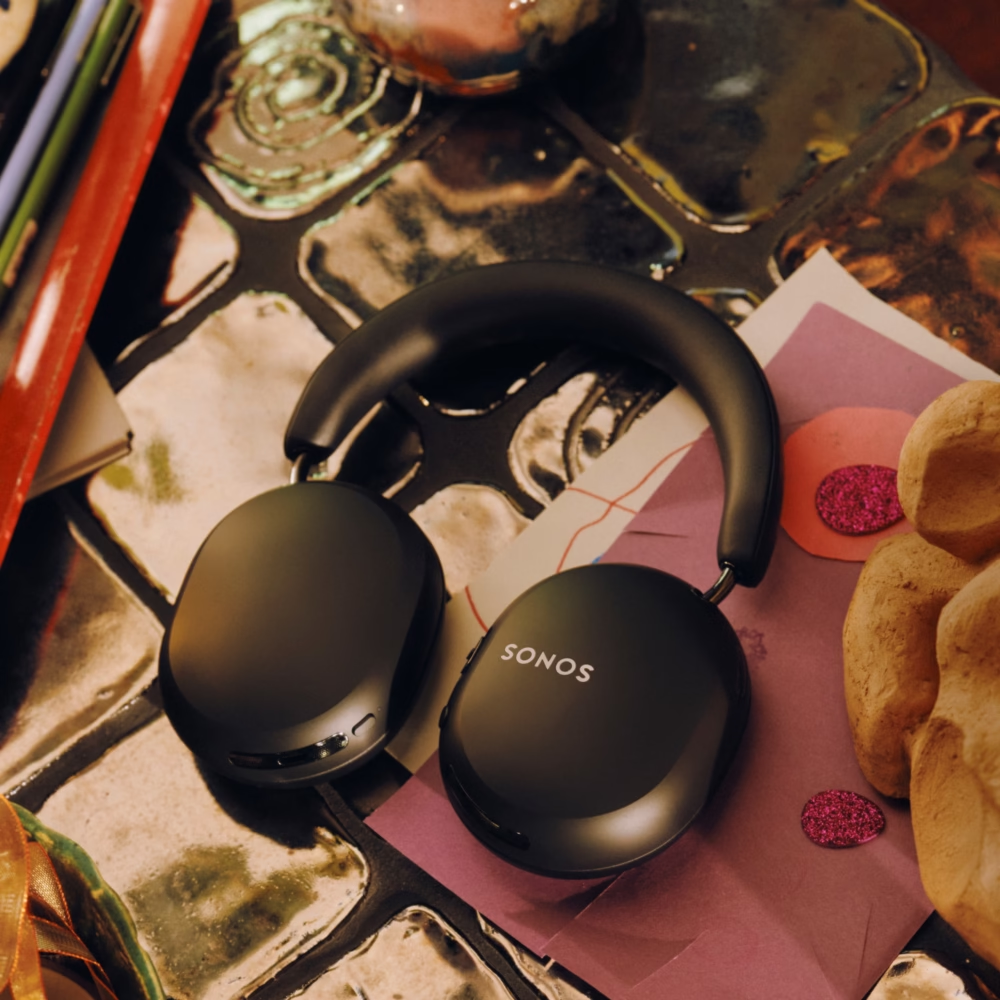
Sonos is giving its premium headphones a substantial upgrade with the new Sonos Ace Ultra, and this isn’t simply an Ace with a new finish and a few software tricks sprinkled on top. The new model introduces redesigned audio hardware, much stronger Active Noise Cancellation, longer battery life and, most importantly, a new way of connecting directly with the wider Sonos ecosystem.
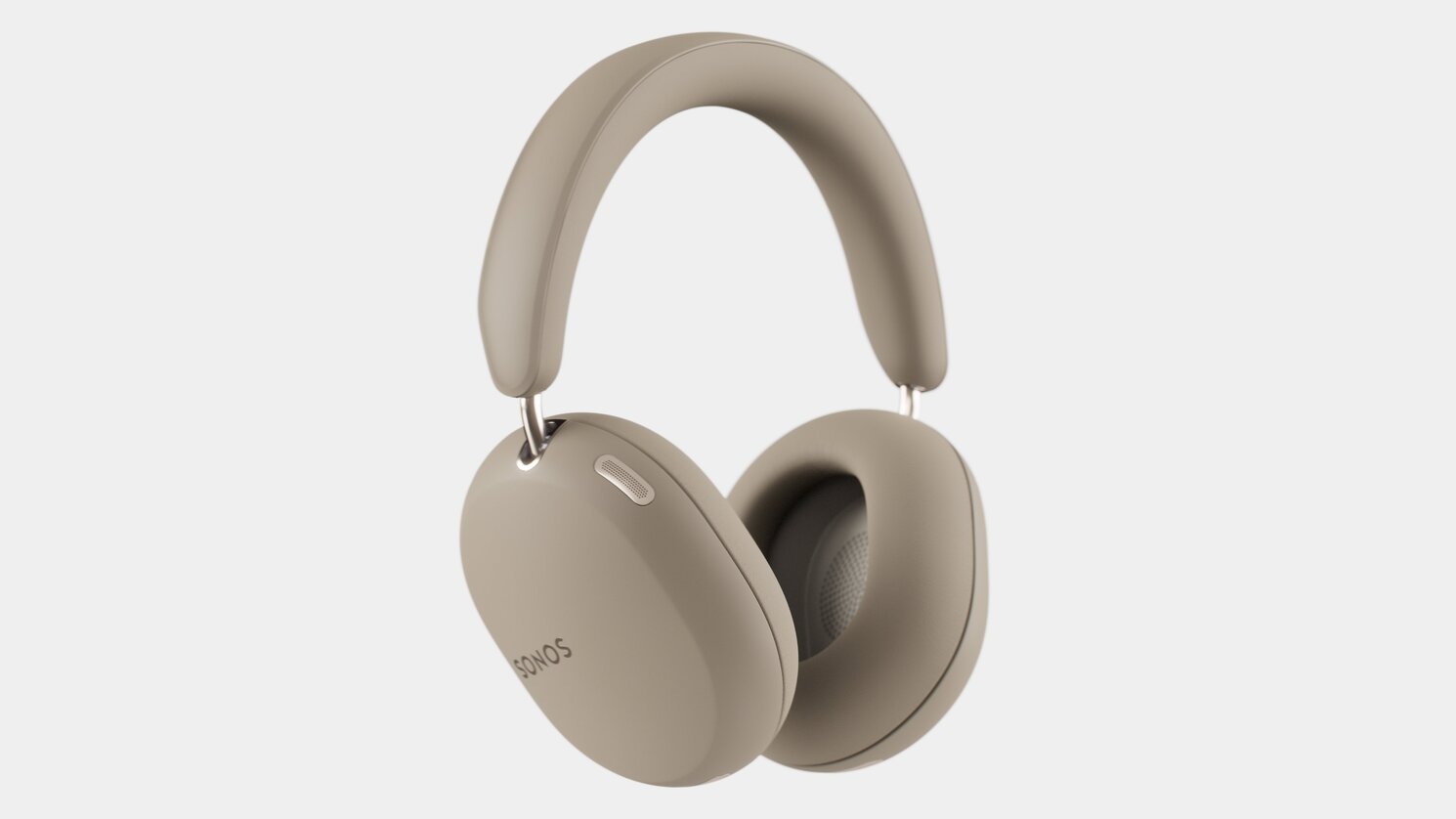
Launching globally on September 29, 2026, the Sonos Ace Ultra costs $449 and will be available in Black, Soft White, Agave and Sand. It remains a premium over-ear wireless headphone, but the bigger story is how Sonos is trying to make headphones feel like a proper component of a Sonos system rather than an accessory sitting outside it.
What’s new with the Sonos Ace Ultra?
There are several major changes inside the Ace Ultra, beginning with its audio hardware. Each ear cup now contains a Sonos-designed custom 40mm driver, tuned with input from audio engineers and the Sonos Soundboard. The headphones support spatial audio alongside lossless playback through Qualcomm aptX Lossless on supported devices or through USB-C, while Dolby Atmos is available with compatible content and devices.
Sonos has also expanded how much control listeners have over the sound. Adaptive EQ continuously compensates for acoustic changes caused by fit, hair, glasses and other factors that can interfere with the seal around the ear. For anyone who prefers doing the tweaking themselves, the Sonos app provides both three-band and eight-band EQ controls, along with a Loudness toggle.
That’s a useful combination because headphone tuning isn’t just about the driver. Move an ear cup slightly or break the seal with a pair of glasses and the sound reaching your ears can change. Adaptive EQ is designed to compensate for those everyday variables automatically rather than assuming the headphones sit identically on every person’s head.
Active Noise Cancellation gets a major upgrade
ANC is another headline improvement. Sonos Ace Ultra uses a new ten-microphone array for noise control, calls and Aware mode, with Adaptive Active Noise Cancellation responding to changes in both the listener’s surroundings and the physical fit of the headphones.
Sonos describes the new system as delivering 2x more ANC than Sonos Ace at the frequencies that matter most, but the underlying figures provide a more useful picture. The company measured a 2.2x improvement at 65Hz, representing HVAC-type noise, and 1.8x at 120Hz, representing aircraft cabin noise. In other words, the “2x” claim shouldn’t be interpreted as literally twice the cancellation of every possible sound at every frequency.
Passive isolation gets some attention too. New rebound foam ear cushions are designed to reduce sharper, high-frequency noises such as keyboard clatter, complementing the electronically generated ANC. When isolation isn’t desirable, Aware mode lets environmental sound through while also attempting to mitigate sudden loud noises.

Headphone Engine 2 is the really interesting upgrade
The most important technological change may actually have little to do with traditional Bluetooth headphone duties. Ace Ultra is the first Sonos headphone built around Headphone Engine 2, which incorporates redesigned Wi-Fi hardware and secure credential storage so the headphones can connect directly to and participate in a Sonos system.
That enables a new feature Sonos calls headphone linking. Pressing the Content Key can move whatever is currently playing through the Sonos system to the Ace Ultra, while another press sends it back. Sonos says this isn’t limited to conventional streaming music either; TV audio, music, local libraries and even vinyl playing through the Sonos system can be moved to the headphones.
More importantly, the phone doesn’t have to remain in range for that connection. Instead of using a smartphone as the middleman for everything, Ace Ultra can become a listening endpoint within the Sonos system itself. That’s a much more ambitious interpretation of what “Sonos headphones” can mean.
There is an important caveat at launch. Headphone linking is an Early Access feature, requiring a compatible Sonos speaker, Wi-Fi and setup through the Sonos app. Sonos says the opt-in feature is provided as-is and may change or face limitations while development continues.
Battery life increases to 35 hours
Ace Ultra also receives a healthy endurance upgrade. Its 1,060mAh lithium-ion battery is rated for up to 35 hours of listening with ANC or Aware mode enabled, depending on usage, settings and environmental conditions.
Rapid charging provides up to three hours of listening from a three-minute charge when starting at 0%, while a complete charge can take up to three hours. There’s also a Low Power mode accessible through the Sonos app that Sonos says can extend battery life by up to 30%.
Thirty-five hours with noise cancellation running puts much less pressure on users to remember another nightly charging ritual. Considering the average geek already has a phone, smartwatch, tablet, controller and several other USB-C creatures demanding electricity, that’s no bad thing.
Adaptive sound now accounts for how you wear the headphones
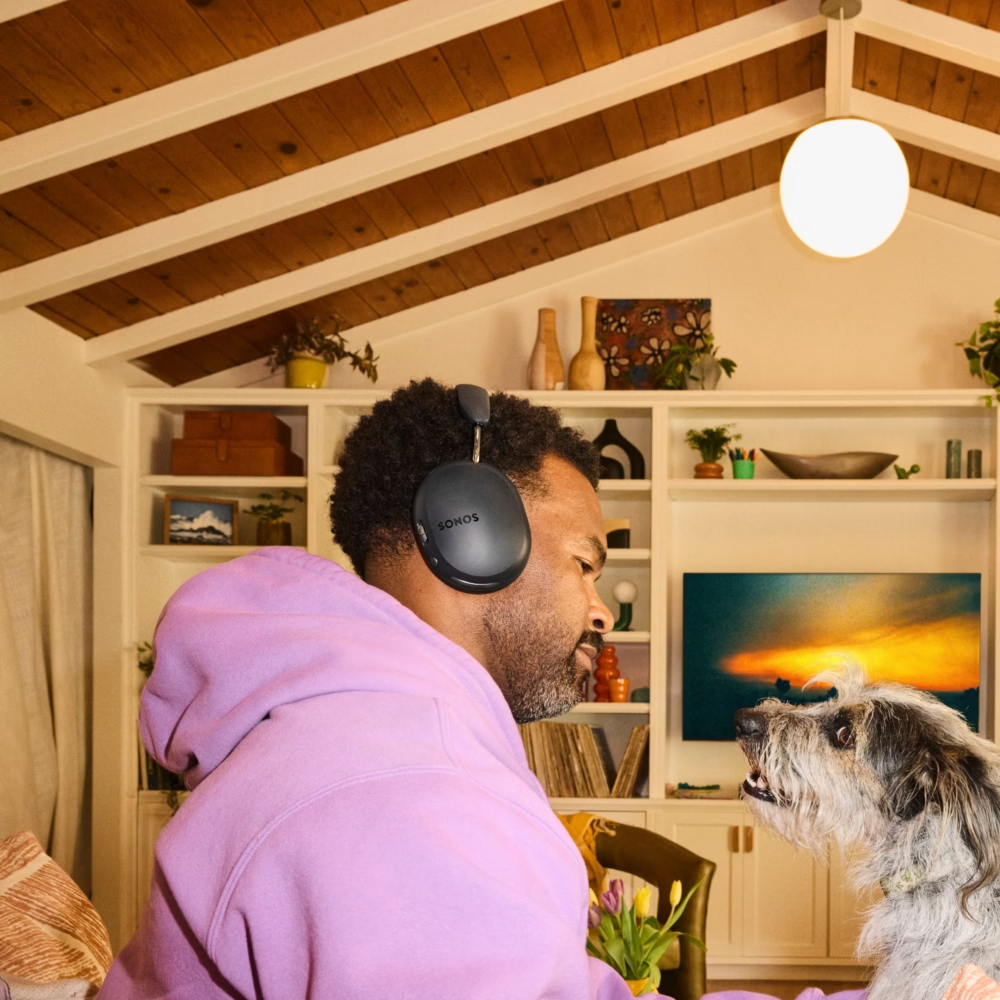
One of the recurring themes with Ace Ultra is adaptation. Both Adaptive ANC and Adaptive EQ can respond to changes in the seal and fit caused by things including glasses, hair and head movement.
That matters because the physical seal of over-ear headphones affects more than comfort. It can influence bass response, external noise isolation and how effectively ANC operates. Instead of relying entirely on an ideal laboratory fit, Ace Ultra is designed to adjust its processing as those conditions change.
Sonos has similarly redesigned the cushions with soft rebound foam, while independently rotating ear cups and an extendable headband provide adjustment for different head shapes. Ace Ultra weighs 322g, with the ear cups measuring 90.8mm wide and 45mm deep.
Calls get their own audio upgrades
The ten microphones aren’t there exclusively for noise cancellation. Sonos uses beamforming microphones to isolate the user’s voice while background-noise suppression attempts to clean up external sound during calls.
Ace Ultra supports 32kHz high-resolution calling and includes sidetone, allowing the wearer to hear their own voice while ANC is active. That’s a deceptively useful feature because heavy noise isolation can otherwise make it difficult to judge your own speaking volume.
The same microphone hardware therefore serves several jobs across the headphones rather than operating as an isolated ANC system. Noise cancellation, Aware mode, voice pickup and adaptive processing are increasingly interconnected, which appears to be a major part of Sonos’ approach with the Ultra generation.
Bluetooth 6.0, Wi-Fi, USB-C and 3.5mm are all onboard
Ace Ultra isn’t abandoning conventional connectivity just because Sonos wants it chatting directly with speakers. Bluetooth 6.0 handles standard wireless audio, with SBC, AAC and aptX Adaptive Lossless codec support. Wi-Fi is primarily responsible for the deeper Sonos system integration enabled through Headphone Engine 2.
Wired listening is supported through USB-C and 3.5mm connections as well. USB-C also provides another route to lossless audio, avoiding the compatibility requirements associated with wireless aptX Lossless.
Physical controls remain central to operating the headphones. The Content Key on the right ear cup slides for volume adjustment and can be pressed for playback, skipping tracks or moving sound between Ace Ultra and an available Sonos speaker. A separate Noise Control button switches between ANC and Aware mode, while a long press activates a voice assistant.
On the opposite side, the Power/Bluetooth button handles power and pairing. Holding it allows additional Bluetooth devices to be paired, while a double tap switches between Bluetooth sources. There’s also a status LED underneath the left ear cup for connection and power information.
Ace Ultra pushes Sonos headphones deeper into home audio
Perhaps the easiest way to understand the Ace Ultra is that Sonos isn’t treating it purely as the successor to a pair of Bluetooth headphones. The new Headphone Engine 2 architecture is intended to make headphones another part of the company’s connected audio platform.
That direction also ties Ace Ultra into Sonos 27, the updated audio operating system accompanying the company’s latest hardware. The wider system can provide access to more than 100 streaming services, while Ace Ultra can tap into Sonos playback through headphone linking.
TrueCinema remains part of the home-theater side of the experience when Ace Ultra receives audio from a compatible Sonos soundbar. Combined with direct system linking, Sonos is increasingly blurring the line between “the headphones” and “the speakers.” The goal is essentially to make private listening another destination for whatever the Sonos system is already doing.
That’s arguably the most significant change here. Plenty of premium headphones can offer ANC, spatial audio, lossless playback and clever EQ processing. Sonos’ bigger play is using the ecosystem it already has in people’s homes to make Ace Ultra behave differently from a conventional flagship Bluetooth headset.
Sonos Ace Ultra price and availability
Sonos Ace Ultra will be available globally from September 29, 2026 for $449.
There are four matte finishes at launch: Black and Soft White are joined by the more distinctive Agave and Sand options. Sonos hasn’t radically changed the basic over-ear concept here; most of the Ultra story is happening underneath the exterior.
Bottom Line
Sonos Ace Ultra represents a broader upgrade than simply turning up the ANC dial. The new 40mm drivers, ten-microphone Adaptive ANC system, Adaptive EQ, 35-hour battery life, expanded EQ controls and Bluetooth 6.0 collectively modernize the core headphone experience.
But Headphone Engine 2 is the feature that defines this generation. Direct Sonos system connectivity and headphone linking give Ace Ultra a much stronger reason to exist specifically as a Sonos headphone rather than another expensive pair of wireless cans wearing a familiar logo.
The one thing to keep in perspective is that headphone linking arrives in Early Access, so one of the Ace Ultra’s most interesting new abilities is still officially a developing feature. Even so, Sonos’ direction is clear: Ace Ultra isn’t just designed to play whatever comes from your phone. It’s being built to become the personal-listening extension of an entire Sonos home.