
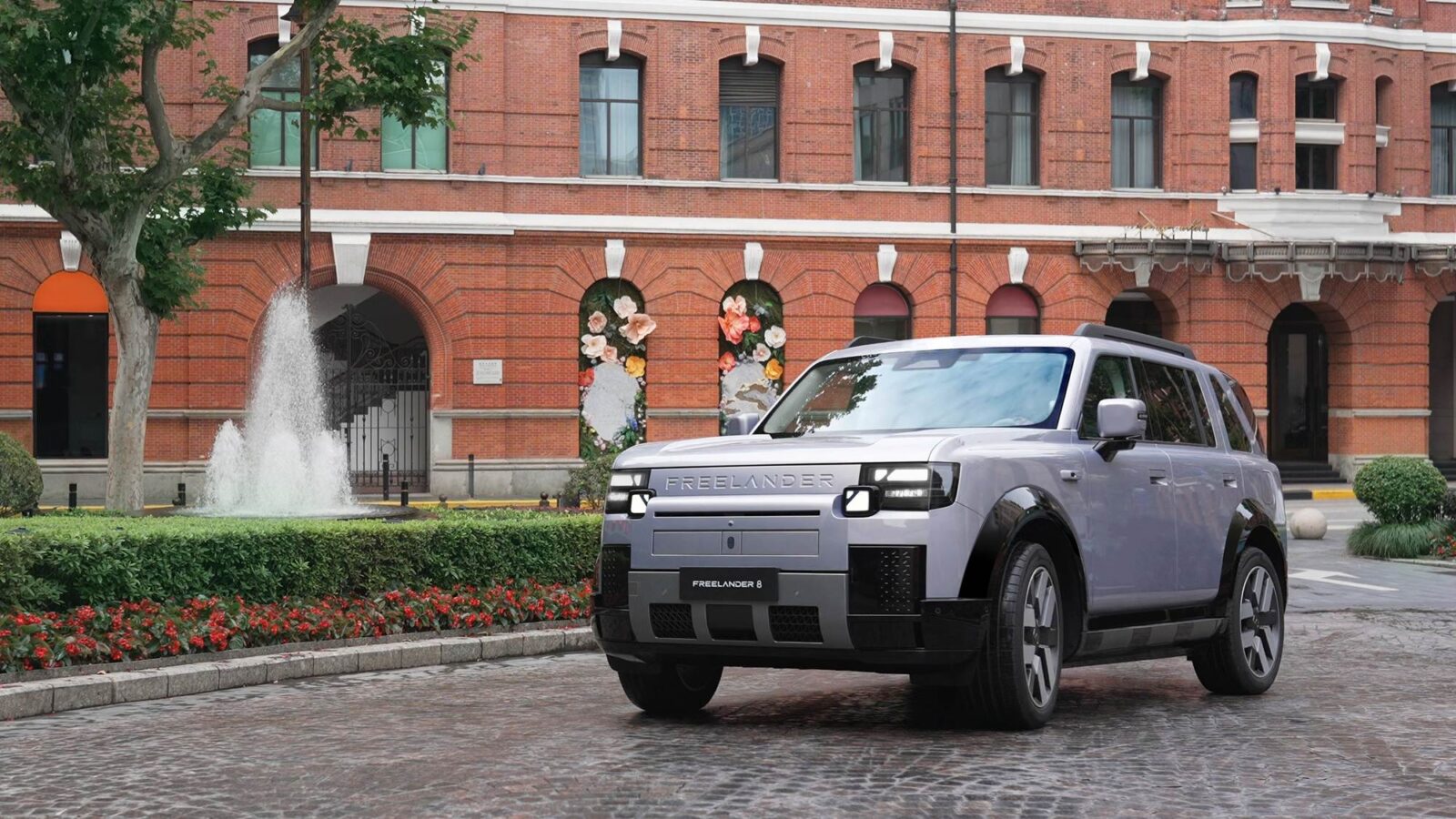
Freelander 8 made its first public appearance on June 11, 2026, at the Abu Dhabi Investment Forum held at The Peninsula Shanghai. The event serves as an early preview ahead of the brand’s planned launch in the Middle East, specifically in Abu Dhabi, which has been designated as the initial international market for the new energy vehicle.
Lucia Mao, CEO of Freelander International, addressed senior officials during a closed session. She positioned the vehicle as a collaboration between Jaguar Land Rover and Chery, with JLR handling design and Chery contributing new energy technologies and supply chain capabilities. The Freelander name draws on a heritage dating back to 1997, aiming to blend British design elements with all-terrain functionality and intelligent features suited for premium SUV buyers.
The joint venture reflects a common industry approach in recent years, where established Western brands partner with Chinese manufacturers to combine styling expertise with cost-effective electrification and production scale. Such arrangements have become more frequent as global automakers seek to navigate the transition to electric and hybrid powertrains while expanding into new regions. Whether this formula delivers a distinct product in a crowded premium segment remains to be seen, particularly given the competitive landscape from both traditional luxury marques and newer EV-focused players.
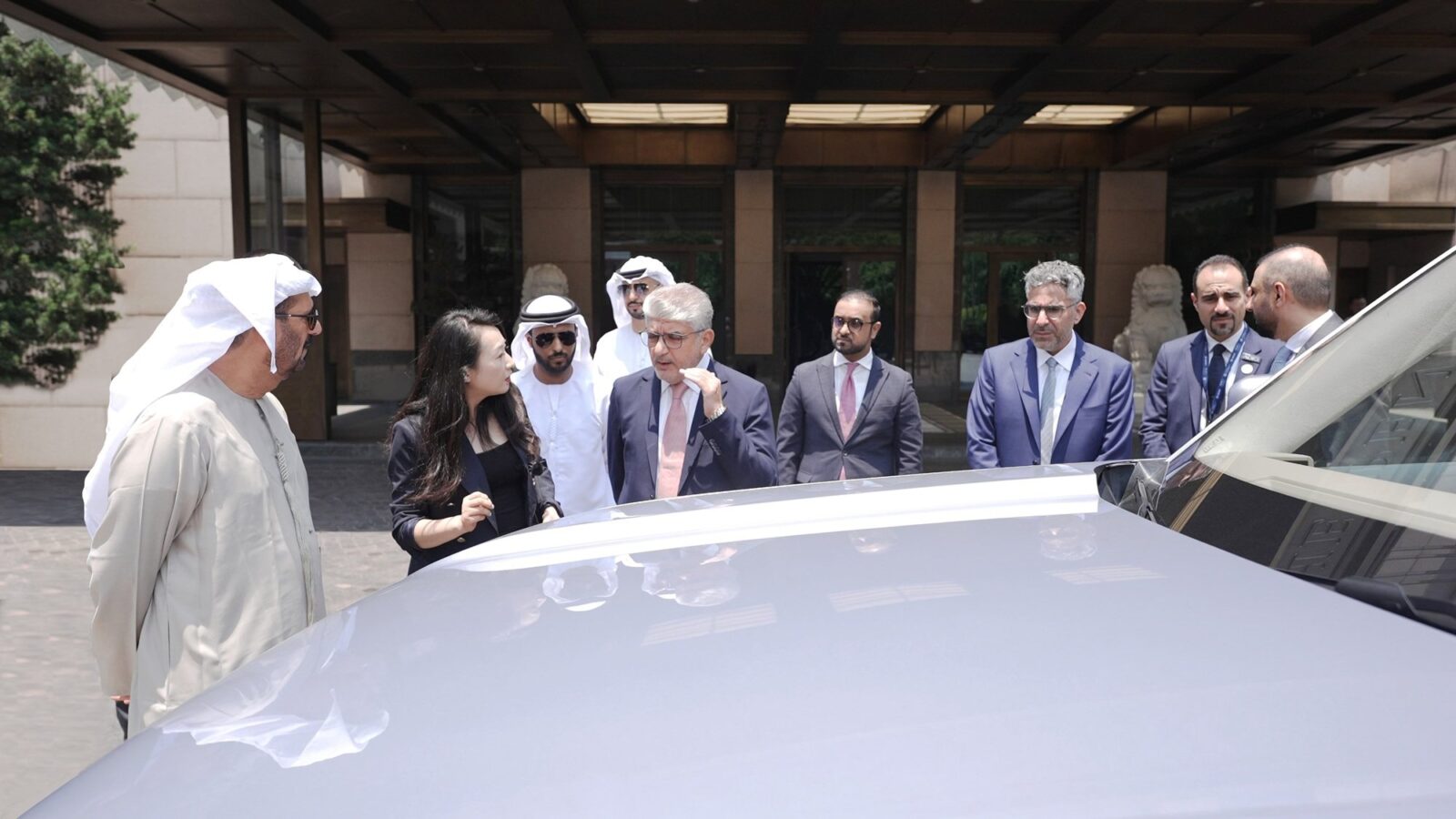
Forum discussions also touched on Freelander’s broader expansion plans. The company intends to reach 90 countries and establish 1,100 touchpoints over the next five years. The Middle East was selected for its established demand for premium SUVs, ongoing economic development, and role as a potential gateway to Gulf Cooperation Council markets. Attendees, including UAE officials such as Ambassador Hussain Bin Ibrahim Al Hammadi and ADGM’s Rashed Al Blooshi, viewed the showcase alongside business leaders and investors who showed interest in the model’s combination of premium positioning, technology, and off-road capability.
This debut occurs amid growing interest in new energy vehicles across the Middle East, where governments are investing in diversification beyond oil and supporting sustainable transport initiatives. Yet challenges persist, including charging infrastructure development, consumer preferences for range and performance in hot climates, and competition from entrenched players. Freelander will need to demonstrate real-world advantages in durability and efficiency to stand out rather than relying on branding alone.
For now, the Shanghai appearance marks a procedural step in Freelander’s international rollout. The vehicle itself remains under wraps ahead of the Abu Dhabi launch, where more technical details and pricing are expected. In an industry where many new entrants promise heritage fused with innovation, execution on product quality, service networks, and actual customer experience will ultimately determine its trajectory. The coming months will clarify whether this collaboration can translate promotional positioning into meaningful market presence.