
The Backrooms horror universe, which first surfaced on anonymous online forums and spread rapidly via YouTube, arrives in cinemas this Eid as a live-action feature. Kane Parsons, the creator of the original found-footage web series, makes his directorial debut with this expansion, bringing the concept to a more conventional narrative structure. Starring Chiwetel Ejiofor and Renate Reinsve, the film opens regionally on 28 May, presenting a fuller version of the unsettling liminal spaces that have lingered in digital horror circles for some time.
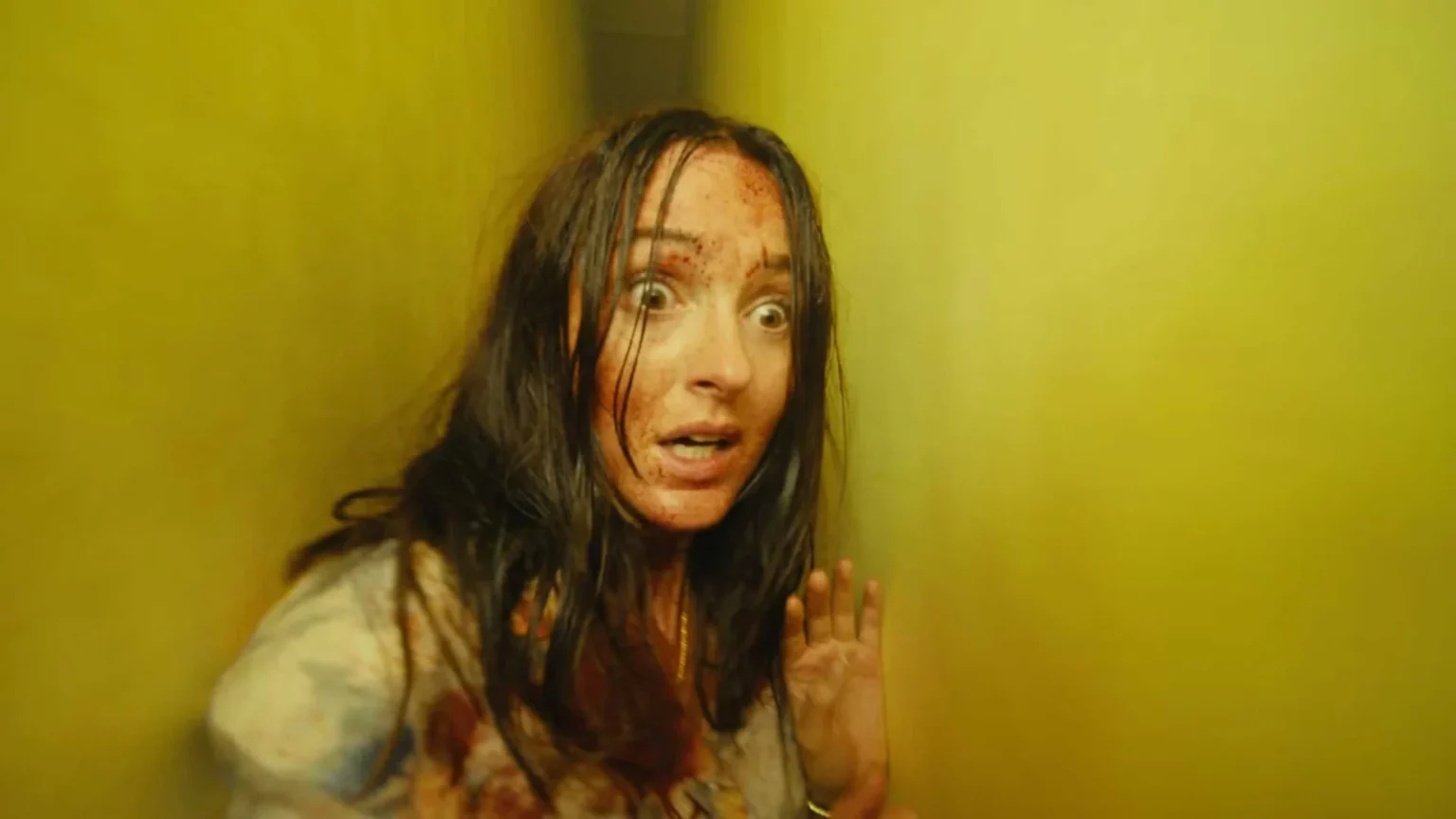
Set in 1990, the story follows furniture salesman Clark, portrayed by Ejiofor, who discovers a mysterious portal in his showroom basement. This doorway leads into Backrooms – an infinite expanse of monotonous office rooms and corridors lit by harsh fluorescent bulbs, familiar yet profoundly disorienting. Intrigued and disturbed by the place, Clark enlists his employee Kat and her boyfriend to explore its impossible architecture, where faint sounds suggest unseen presences. When Clark vanishes, his therapist Dr. Mary Kline, played by Reinsve, enters Backrooms herself, grappling with her own past traumas while searching for him and a route back to reality.
Parsons developed the project from his earlier short films that used computer-generated imagery to evoke the eerie emptiness of these non-Euclidean environments. For the feature, the production emphasized practical sets over heavy digital reliance, giving the spaces a more physical presence. Working with writer Will Soodik, Parsons extends the original lore beyond the brief clips that built its online following. Supporting performances come from Lukita Maxwell and Finn Bennett, with the two Academy Award-nominated leads lending weight to the material.
This move from web series to theatrical release mirrors a recurring trend in horror, where digital experiments seek larger platforms. Past attempts have shown mixed success in stretching atmospheric short-form ideas into sustained features without losing their core unease. The Backrooms concept originated around 2019 in creepypasta communities, feeding on shared discomfort with liminal architecture and the terror of endless, meaningless navigation. Its early strength came from minimalism – no clear rules, no immediate monsters, just the dread of being trapped in functional yet purposeless space.
How effectively this version maintains that minimalist tension while adding character drama is open to question. Parsons’ background in visual effects points to skill with mood, but broadening such an abstract premise into a plot-driven story introduces risks of over-explaining what once thrived on ambiguity. Ejiofor and Reinsve provide solid anchors, helping to humanize the surreal surroundings, though the shift from viral clips to feature length may test whether the concept holds up under closer scrutiny.
In the end, the film stands as another effort to translate viral online horror into mainstream cinema. Its reception will hinge on whether it honors the source’s quiet isolation or succumbs to the need for conventional escalation. For those already immersed in the Backrooms phenomenon, it delivers a bigger-canvas interpretation; for others, it serves as an accessible introduction to this particular strain of contemporary unease. The transition highlights both the potential and the pitfalls of adapting internet-born horror, where atmosphere often outshines traditional plotting.