
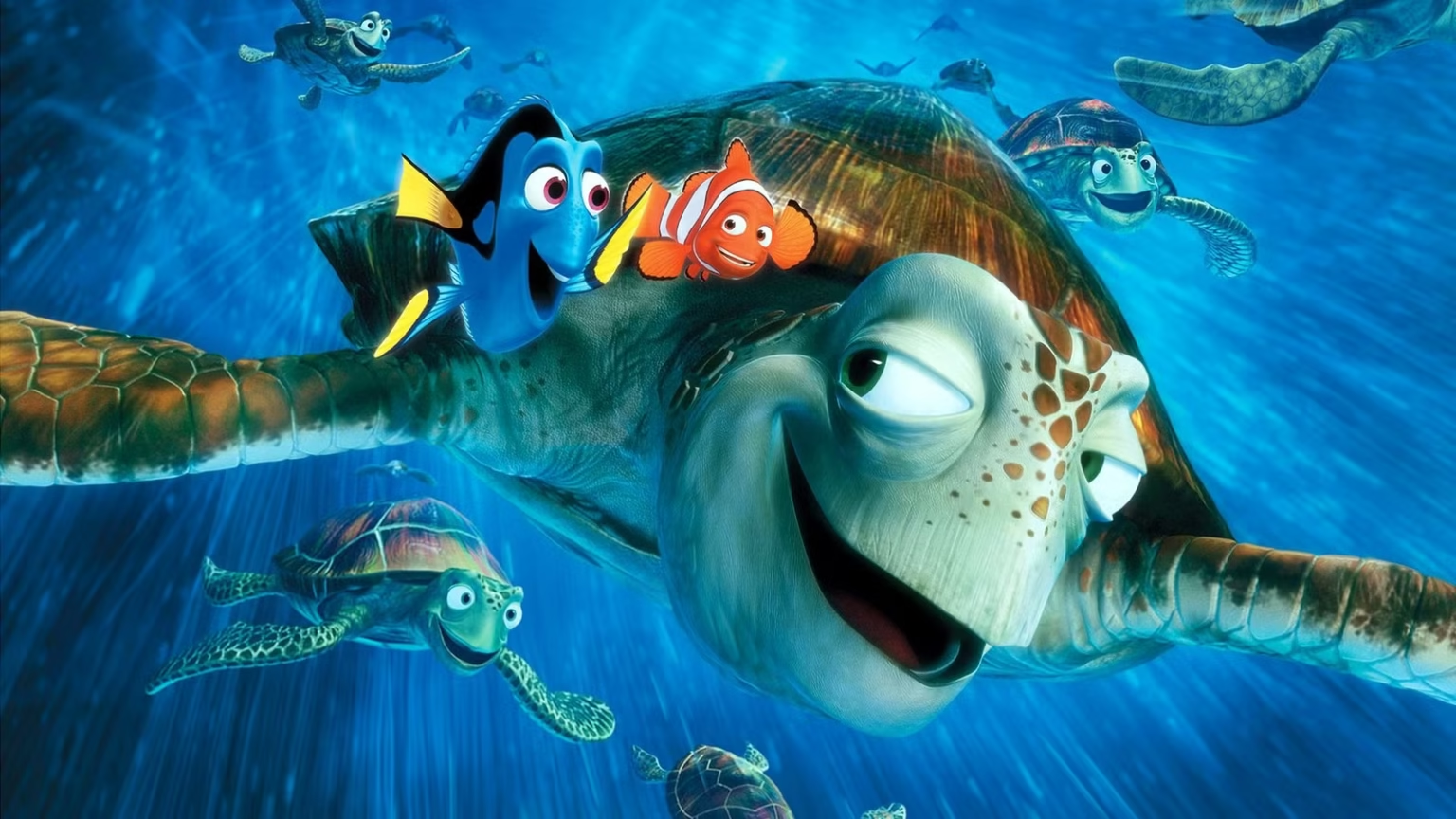
Pixar is revisiting one of its most enduring franchises with a new short film centered on Finding Nemo, more than two decades after the original 2003 release. Ellen DeGeneres is set to return as the voice of Dory, the forgetful blue tang whose optimistic chaos helped anchor both the first film and its 2016 sequel, Finding Dory. Details on the storyline remain scarce, with no announcements yet about additional cast members or the creative team behind the project.
The timing feels deliberate. Finding Nemo remains a cornerstone of Pixar’s early success, blending underwater spectacle with gentle observations about family, anxiety, and difference. Its sequel grossed over a billion dollars worldwide, proving the characters still resonated with audiences well into the streaming era. Yet Pixar’s output in recent years has shown signs of creative fatigue. While the studio continues to deliver technically polished animation, many of its recent features have struggled to recapture the emotional precision that defined earlier works like Toy Story or Up. A short film format could offer a lower-risk way to test the waters, allowing filmmakers to experiment without the pressure of a full theatrical release.
DeGeneres’ involvement makes sense on paper. Her performance as Dory became a cultural touchstone, turning a supporting character into a lead and helping drive Finding Dory to massive commercial success. Still, the choice invites questions about whether nostalgia alone can sustain interest in 2026. Animation audiences have grown more discerning, particularly younger viewers raised on diverse streaming options and international productions that often prioritize bolder storytelling over familiar IP. Pixar itself has acknowledged this shift, with recent projects attempting to broaden representation and tackle more complex themes, albeit with mixed results.
The short film arrives amid broader industry trends. Disney, Pixar’s parent company, has leaned heavily on catalog revival through both theatrical sequels and Disney+ content. Short films have historically served as testing grounds—think the early Luxo Jr. experiments or more recent efforts like Float and Burrow that explored new emotional territory in compact form. Whether this Nemo project follows that path or simply recycles old gags remains to be seen. The absence of early plot details suggests caution, perhaps a sign that the studio is still shaping the narrative to avoid repeating past missteps in sequel territory.
For longtime fans, the return of Dory offers a welcome dose of familiarity. The original Finding Nemo balanced broad appeal with surprisingly mature undertones, particularly in its portrayal of Marlin’s overprotectiveness and the realities of ocean life. DeGeneres brought warmth and humor that cut through the film’s heavier moments. Reprising the role now, after a decade away from the character in major projects, could either refresh the franchise or highlight how much has changed in both animation and cultural conversation around disability representation—Dory’s short-term memory loss was handled with care but also played for laughs in ways that might read differently today.
Ultimately, this short feels like a modest step rather than a bold reinvention. Pixar has the talent and resources to surprise, but the industry’s current reliance on established properties makes genuine breakthroughs harder to achieve. If the project manages to capture even a fraction of the original’s wonder without leaning too heavily on sentiment, it could remind viewers why these fish captured hearts in the first place. For now, audiences will have to wait for more concrete information as development continues.