

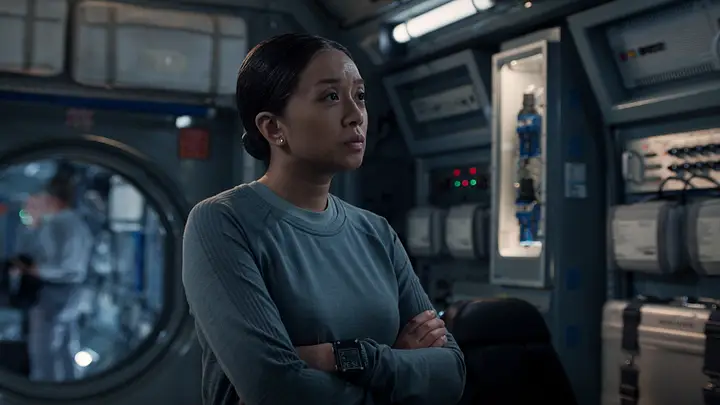
TL;DR: For All Mankind Season 5 Episode 9 masterfully intertwines family legacies with high-stakes Martian drama, setting up a gripping finale full of personal and political tension. A must-watch for sci-fi fans craving smart, character-driven storytelling that feels both epic and intimately human.
For All Mankind Season 5
As someone who has followed the sprawling alternate history of For All Mankind since its very first rocket launch, I found myself completely floored by how Season 5 continues to weave personal stakes into the grand tapestry of space exploration. This latest chapter doesn’t just advance the plot toward its looming finale; it forces us to confront the messy inheritance of ambition, regret, and fractured legacies that define the Baldwin and Stevens families across decades. Watching characters navigate dimly lit corridors under the crushing pressure of a station-wide crisis feels like peering into the soul of what makes this series so addictive for geeks like us who crave stories that blend hard sci-fi with deeply human drama. The tension crackles not from explosions or zero-gravity shootouts alone, but from the quiet, devastating realizations that echo through generations of pioneers who reached for the stars only to discover how fragile their earthly connections remain.
In this pivotal episode, the show masterfully positions two young torchbearers from rival bloodlines in a confrontation that feels both inevitable and heartbreakingly fresh. Alex Baldwin embodies the golden promise of Mars settlement, carrying the weight of his family’s storied achievements with a sense of duty that sometimes blinds him to the chaos unfolding around him. His counterpart brings a raw, unpredictable energy that challenges everything the established order represents, highlighting how the next generation refuses to simply repeat old patterns of loyalty and betrayal. What strikes me most is how the series uses this encounter to flip expectations, showing vulnerability in the most composed figures and surprising clarity in those we might have dismissed as loose cannons. It reminds me of classic Star Trek moments where ideological clashes in confined spaces reveal more about humanity than any grand speech ever could. The dark, winding hallways of Helios become a perfect metaphor for the tangled paths these families have walked since the optimistic days of the 1960s space race, now transformed into something far more complicated in 2012’s Martian reality.
The beauty of For All Mankind lies in its refusal to paint conflicts in simple black and white, especially when exploring how old wounds from Earth continue to bleed into the Red Planet’s colonies. Dev Ayesa’s shadowy influence adds another layer of intrigue, positioning him as a complicated mentor figure whose own ambitions could tip the scales in ways that ripple far beyond one season. As the story builds toward its conclusion, with a confirmed final season on the horizon and the tantalizing Star City spin-off waiting in the wings, viewers are left pondering bigger questions about legacy, forgiveness, and what it truly means to colonize not just new worlds but new chapters in human relationships. This isn’t just another sci-fi procedural; it’s a thoughtful meditation on how progress demands we confront our past, even when it arrives armed and searching through storm-ravaged outposts. The emotional payoff from these family dynamics hits harder than any technical marvel the show has delivered so far, proving once again why Apple TV+ has crafted one of the most consistently rewarding prestige dramas of the streaming era.
Diving deeper into the generational storytelling that has always set For All Mankind apart, this season brilliantly contrasts the enduring explorer spirit of one family against the rebellious undercurrents of another. What began as camaraderie between pioneering astronauts has evolved into a complex web of grief, accusations, and quiet acts of defiance that span multiple timelines. Alex’s journey reflects the Baldwin clan’s unyielding drive to push boundaries, yet his choices in high-stakes moments reveal the human cost of that relentless pursuit. Meanwhile, the Stevens lineage carries scars from past tragedies that fuel a different kind of determination, one rooted in survival and reinvention rather than polished heroism. Their long-awaited intersection doesn’t feel forced but earned through careful character work that rewards longtime fans while remaining accessible for newcomers catching up on this alternate space race saga.
The show’s ability to balance intimate character beats with broader geopolitical tensions on Mars makes every episode feel like a meticulously crafted novel brought to life. Viewers experience the thrill of discovery alongside the characters, from medical supply runs under duress to desperate searches amid environmental chaos, all while underlying personal histories threaten to derail everything. This approach keeps the sci-fi elements grounded in emotional authenticity, avoiding the trap of becoming overly technical or detached. Instead, it invites us to invest fully in these flawed visionaries who mirror our own struggles with progress, family expectations, and moral gray areas. As we gear up for the finale, the anticipation builds around how these young representatives will either bridge divides or deepen them, potentially reshaping the future of Martian society in profound ways that extend into Season 6.
What elevates this particular sequence beyond standard television drama is its cinematic staging and profound thematic resonance within the larger For All Mankind universe. The environment itself becomes a character, with its oppressive atmosphere amplifying every hesitation, every split-second decision that carries lifelong consequences. It captures that rare television magic where personal history collides with present crisis, forcing characters to improvise not just tactics but their entire sense of identity. For fans who have witnessed the full arc from Apollo-era optimism through devastating losses and hard-won settlements, this episode serves as both culmination and launching pad, teasing how individual actions in the here and now will echo into the show’s final season. The writing respects the audience’s intelligence by layering subtle callbacks without heavy-handed exposition, trusting us to connect the dots across decades of storytelling excellence.
There’s an undeniable thrill in seeing how the series continues evolving its ensemble, introducing fresh perspectives while honoring the foundational relationships that hooked us initially. The dynamic between these emerging leaders encapsulates the show’s core thesis: space exploration doesn’t erase human flaws but magnifies them under extraordinary conditions. Whether you’re drawn to the hard science details, the political maneuvering, or the raw interpersonal drama, Season 5 delivers on multiple levels, solidifying its place among the best science fiction television has offered in recent years. As we approach the endgame, the excitement lies in discovering whether reconciliation or further fracture awaits these intertwined families under the watchful Martian skies.
For All Mankind Season 5 continues its stellar run by delivering emotionally charged confrontations that honor the show’s rich history while pushing toward an explosive conclusion. The generational storytelling shines brightest here, blending tense action with profound character insights that resonate long after the credits roll. This episode stands as a testament to masterful long-form television that rewards patience and deep investment.