
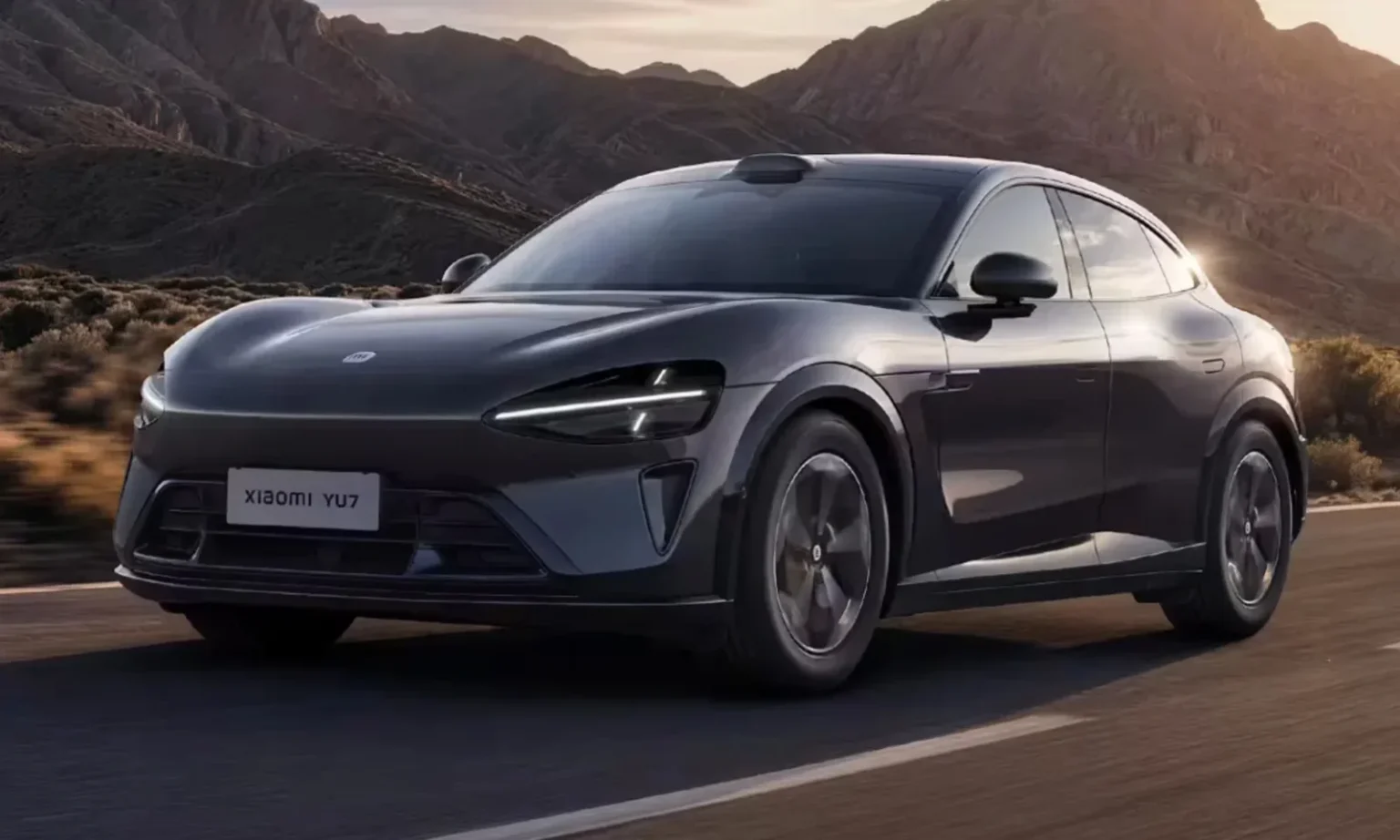
Xiaomi has introduced a more affordable version of its YU7 electric SUV in China, positioning it as a direct competitor to the Tesla Model Y with greater range at a lower price point. The new True Standard Edition arrives at a time when the company is seeking to revive sales momentum in one of the world’s most intense electric vehicle markets.
Priced at approximately $34,300, the updated model undercuts the rear-wheel-drive Tesla Model Y by around $4,350. It delivers an estimated range of 399 miles on a single charge, surpassing the comparable Model Y’s 368 miles. This combination of extended range and reduced cost reflects the aggressive pricing strategies common among Chinese automakers as they battle for market share.
The YU7 Standard Edition uses a rear-wheel-drive single-motor configuration producing 235 kW, paired with a lithium iron phosphate battery from CATL. At just over five meters long, it maintains the mid-to-large SUV dimensions of the original YU7 but sheds about 253 pounds, bringing its curb weight to 4,850 pounds. These adjustments aim to improve efficiency without major redesigns to the vehicle’s structure.
Xiaomi’s entry into the automotive sector has been rapid. The initial YU7 launched in June 2025 below $48,500 and generated strong initial demand, with over 200,000 orders placed quickly. That early enthusiasm created long waitlists, yet momentum has since faded. Monthly sales dropped below 10,000 units recently, prompting this new variant. Xiaomi CEO Lei Jun highlighted the model’s sales record against the Model Y, describing a mixed performance that still represents progress for a newcomer.
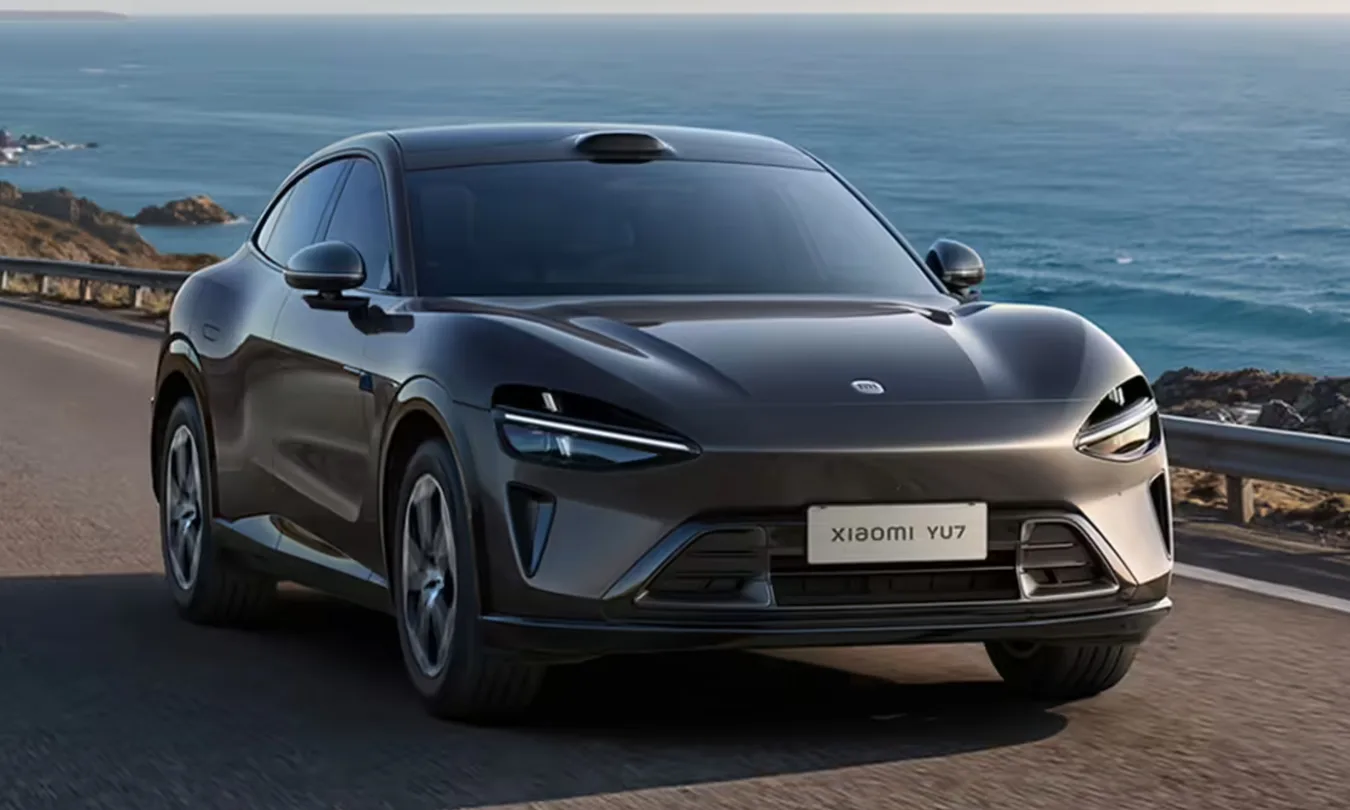
China’s electric vehicle market remains fiercely competitive, with established players like Tesla facing pressure from domestic brands offering compelling specifications at aggressive prices. While the YU7 demonstrates meaningful improvements in range and cost, questions linger about long-term reliability, build quality, and how these vehicles perform outside controlled testing conditions—issues that have occasionally surfaced with fast-rising Chinese EV makers.
The move also underscores broader industry trends. As global automakers navigate tariffs, supply chain complexities, and shifting consumer expectations around range and affordability, Chinese companies continue to prioritize rapid iteration. The YU7’s updates may help Xiaomi stabilize its position, but sustaining sales in a saturated market will require more than incremental specification tweaks.
For buyers, the comparison comes down to practical trade-offs. The Xiaomi offers measurable advantages in range and price, yet Tesla’s established charging network, software ecosystem, and brand perception still carry weight for many consumers. In China’s domestic market, where price sensitivity runs high, such value-focused adjustments could prove effective in regaining ground.
Overall, the YU7 Standard Edition illustrates the ongoing evolution of the electric SUV segment, where range improvements and cost reductions drive intense rivalry rather than revolutionary leaps.