
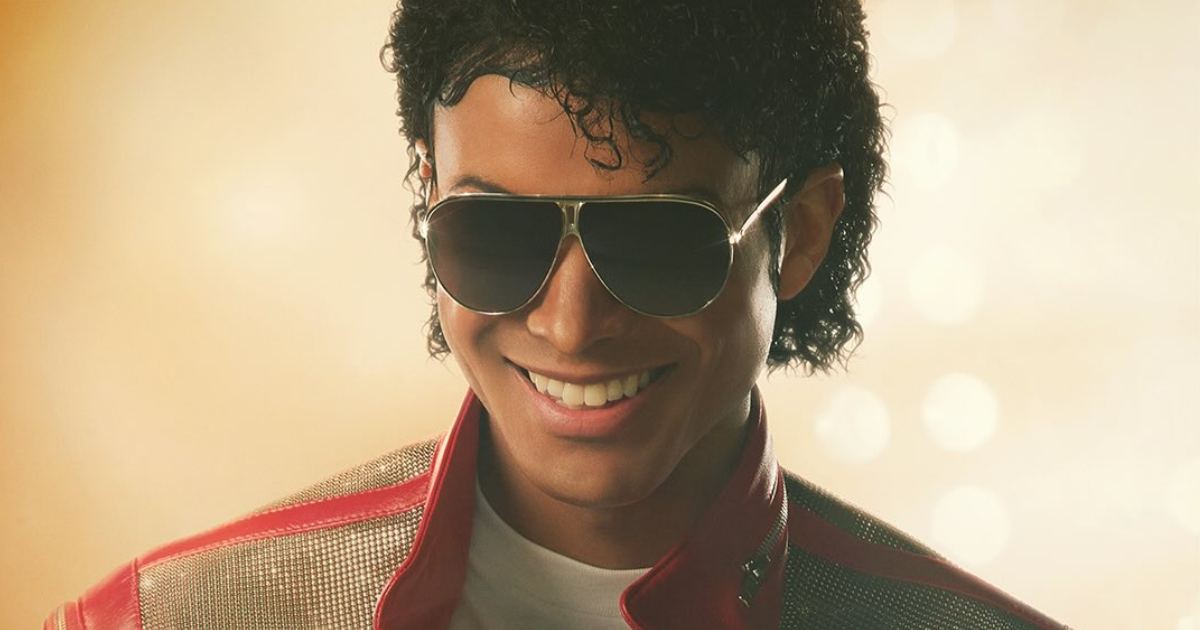
The Michael Jackson biopic Michael opened in theaters on April 24, 2026, and delivered a strong commercial debut, taking in $97 million domestically and $217 million worldwide during its first weekend. That figure sets a new record for a music biopic, though the film’s narrow focus on Jackson’s early rise, combined with an end-credits line hinting that “his story will continue,” quickly fueled talk of potential follow-ups.
Michael
On Matthew Belloni’s podcast The Town, Lionsgate film chair Adam Fogelson confirmed that internal discussions about a sequel have already begun. No formal announcement or green light has come yet, and practical hurdles remain, notably the packed schedules of director Antoine Fuqua and producer Graham King. Still, the speed with which Lionsgate is exploring extensions speaks to the studio’s desire to sustain momentum from an opening that exceeded expectations in a challenging market for mid-budget dramas.
Prior to release, both Jaafar Jackson, who portrays his uncle, and King had signaled openness to continuing. Jackson expressed clear interest in reprising the role, while King mentioned having early ideas. A sequel would presumably keep Jackson at the center, extending the narrative beyond the first film’s coming-of-age scope.
Audience reception has been enthusiastic, with a 97 percent “Verified Hot” Popcornmeter score on Rotten Tomatoes—the highest ever recorded for the music biopic genre. Critical consensus is far cooler, however, sitting at just 37 percent on the Tomatometer. Many reviewers noted the film’s polished production values and performances but questioned its reluctance to grapple with the more troubling aspects of Jackson’s life.
That reluctance is not accidental. The movie deliberately sidesteps allegations of sexual abuse, including the high-profile 1993 case involving 13-year-old Jordan Chandler. Legal constraints stemming from the civil settlement in that matter prohibited any depiction or direct reference, forcing the removal of related scenes from earlier cuts. The same restrictions would apply to any sequel. Yet covering later chapters of Jackson’s career—his peak fame, legal battles, and declining public image—without addressing those controversies could prove even more difficult and divisive. A follow-up that continues to omit them risks amplifying the very criticisms the first film received.
This situation places Lionsgate in a familiar bind for biographical projects involving complicated public figures. The financial upside of capitalizing on Jackson’s enduring global fanbase is obvious, especially after such a robust debut. But the creative and ethical tightrope remains narrow. Whether a sequel can satisfy both commercial ambitions and a more honest reckoning with Jackson’s legacy will depend on how, or if, the studio chooses to navigate those legal and narrative constraints.
For now, the conversation around Michael 2 remains speculative. Lionsgate has a clear incentive to move quickly while interest is high, but the path forward is anything but straightforward.