
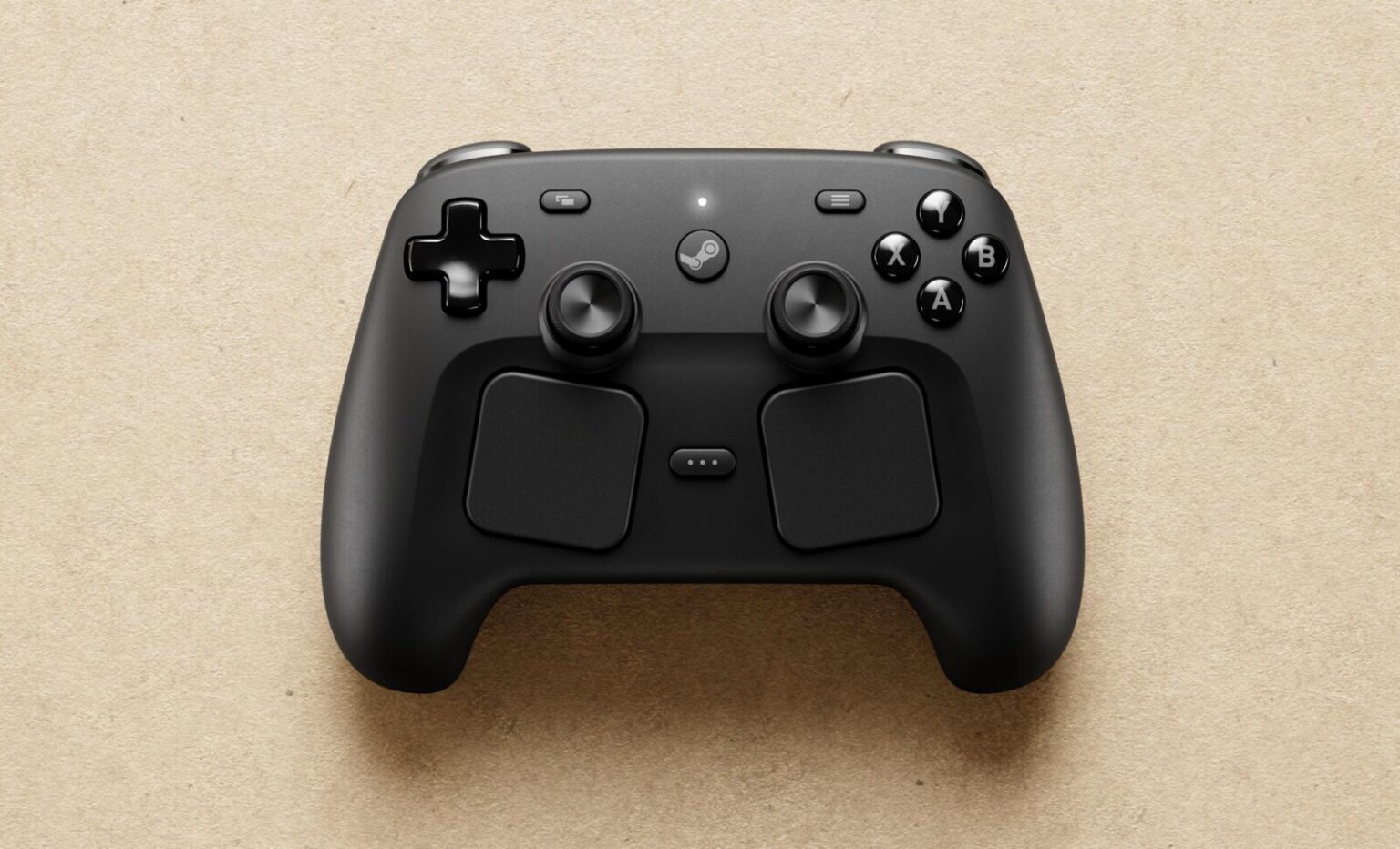
Valve has set a May 4, 2026 release date for its new Steam Controller, priced at $99 in the US. The device functions as a dedicated gamepad for the Steam ecosystem, working with PCs, Macs, mobile devices, and the Steam Deck. Support for the forthcoming Steam Machine console and Steam Frame VR headset is planned, though neither has a confirmed launch timeline—Valve has only expressed hope for shipments sometime in 2026 after quietly dropping earlier “early year” targets.
The controller draws clear visual and functional inspiration from the Steam Deck, featuring dual trackpads, TMR thumbsticks, a standard face button layout, and an ergonomic shape suited for longer sessions. It includes a compact charging and connection puck that attaches to the base, adding a degree of convenience for docking and pairing. Early impressions describe it as responsive and well-built for the price, positioning it as a capable option within Valve’s own platform.
Yet the Steam Controller comes with a notable restriction: it is designed exclusively for Steam. Games from other launchers—Overwatch, Valorant, Fortnite, or Minecraft, for example—must first be added to a user’s Steam library before they can be played with the controller. This reinforces Valve’s long-standing push toward a closed ecosystem, a strategy that benefits the company’s storefront but can feel inconvenient for players with fragmented libraries across multiple services.
The launch revives memories of Valve’s earlier hardware experiments. The original Steam Machines, introduced nearly a decade ago, failed to gain meaningful traction against established consoles and PCs. This new controller arrives alongside renewed talk of a Steam Machine console and VR headset, but the staggered and uncertain timelines raise familiar questions about Valve’s commitment to sustained hardware support. The company has always excelled at software and platform services; its forays into physical products have been more uneven.
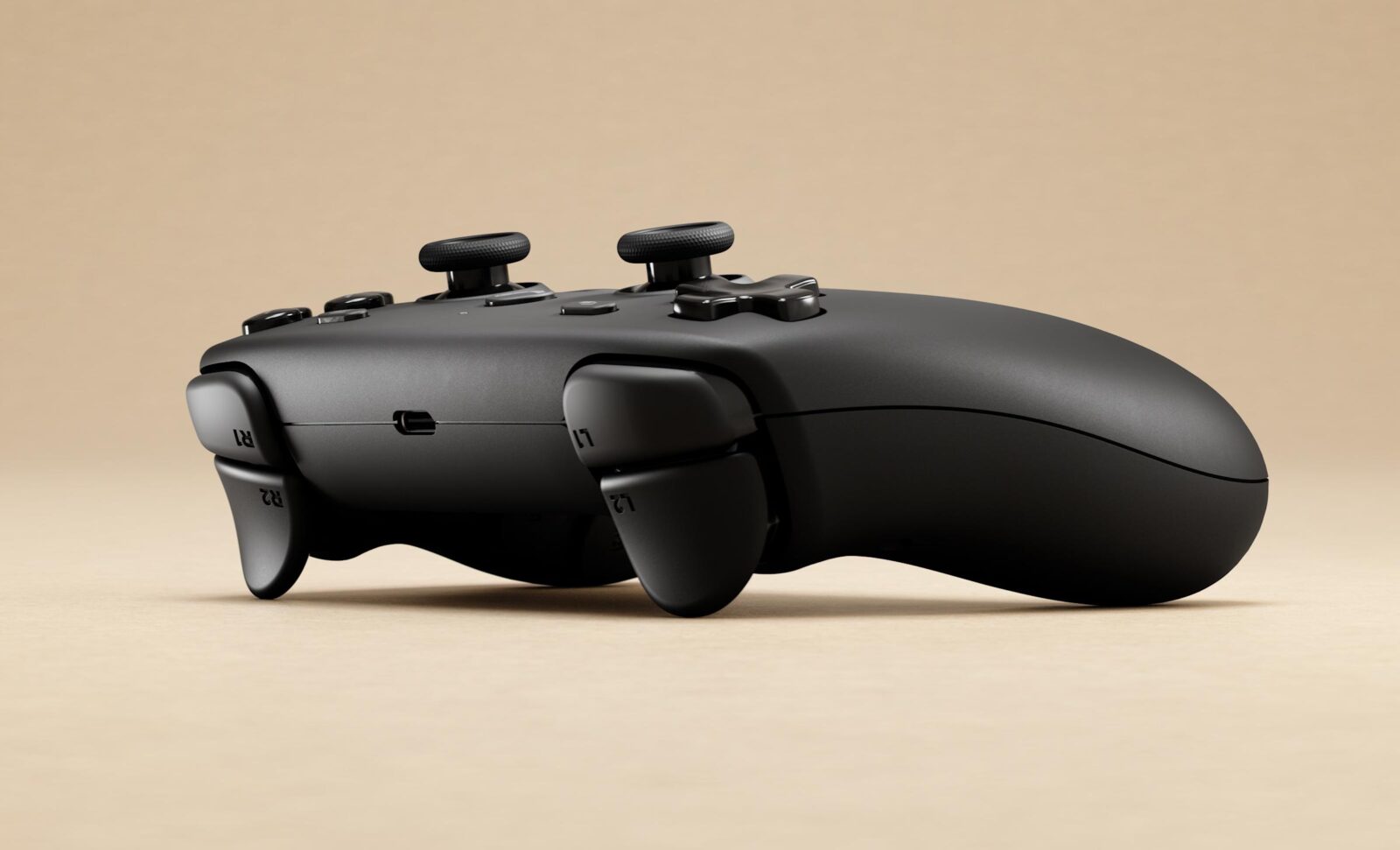
At $99, the Steam Controller undercuts many first-party console pads while offering trackpad-based precision that some players prefer for strategy, simulation, or PC-style games. Whether it can carve out lasting appeal will depend on how quickly—or whether—Valve delivers the promised broader ecosystem pieces.
For now, the device represents another incremental step in Valve’s hardware ambitions rather than a revolutionary shift. It provides a competent Steam-native controller at a reasonable price, but its usefulness remains tightly bound to one platform. Gamers deeply invested in Steam may welcome the option, while those with more varied libraries could view the ecosystem lock-in as a practical limitation worth weighing against the controller’s build quality and features.