
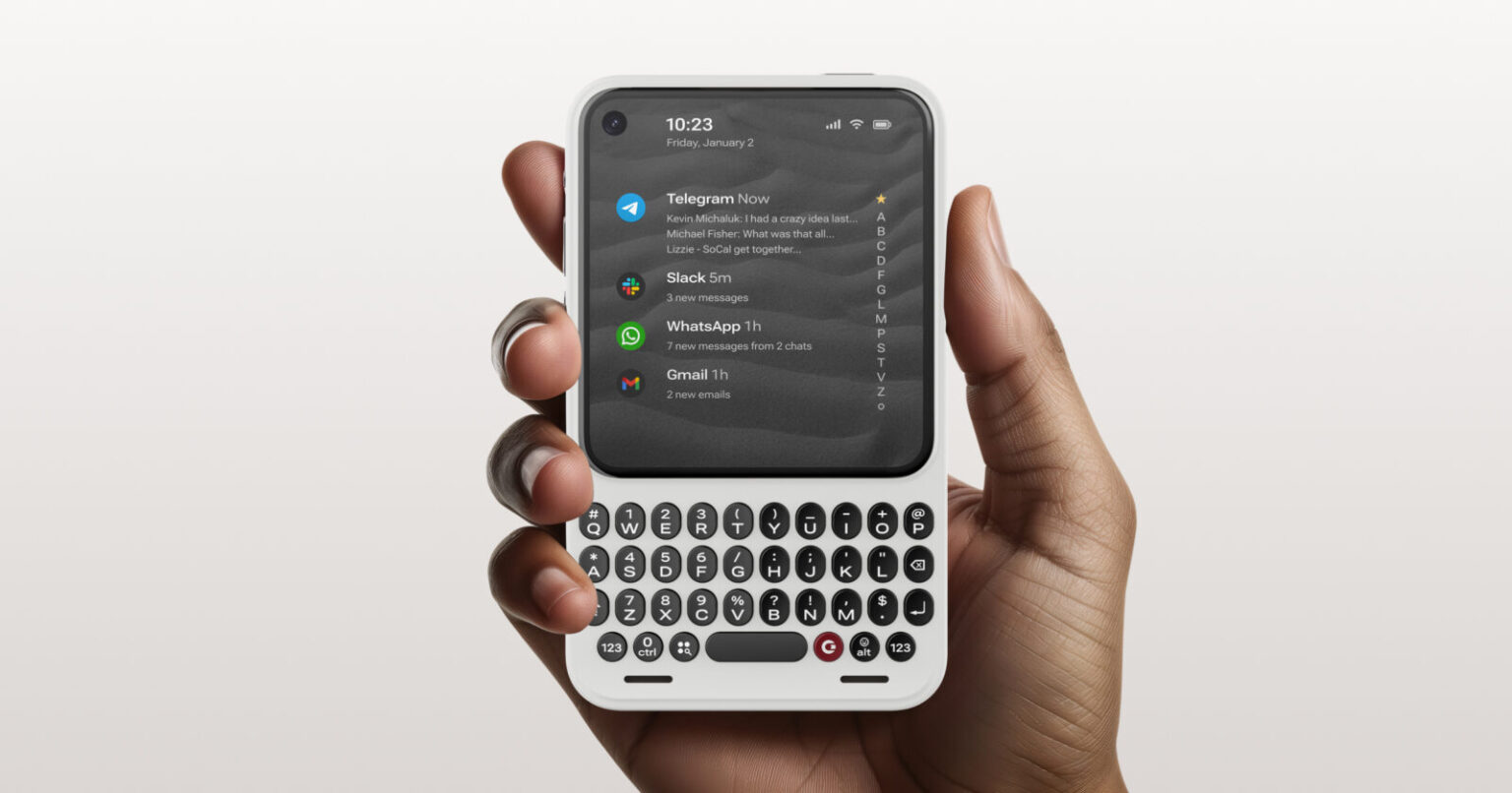
Clicks has shared a development roadmap for its Communicator, the physical-keyboard Android phone that drew significant attention at CES 2026 for its Blackberry-inspired design. The update, sent via email to interested parties, provides a clearer timeline for a device that positions itself as a communication-first alternative to conventional slab smartphones.
According to the schedule, May will bring initial details on the software experience, interface decisions, and what the company believes makes the Communicator distinct. In June, working prototypes are expected to appear, fulfilling an earlier Q2 commitment. Pre-orders and customization—covering color choices, keyboard layout, and optional limited-edition accessory covers—should open in Q3 alongside certification and testing. Actual production and shipments to reservation holders are targeted for Q4 of 2026.
The Communicator aims to fill a niche that has largely disappeared from the mainstream market: a phone built around productive typing and efficient messaging rather than media consumption or app ecosystems. Whether the final product can deliver on that promise remains to be seen. Physical keyboards on smartphones have repeatedly struggled to find broad appeal in an era dominated by large touchscreens, gesture navigation, and voice input. Past attempts, including various BlackBerry revivals and niche Android experiments, have often delivered strong typing experiences at the cost of bulk, battery life, or software polish.
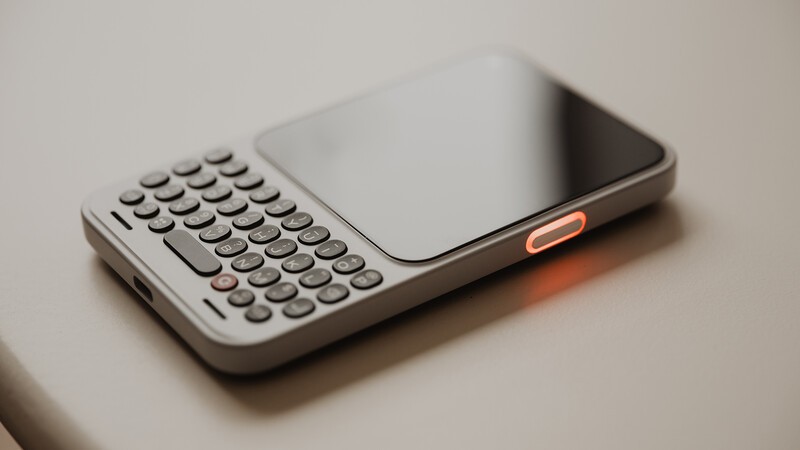
Clicks faces immediate competition. Unihertz has already launched a Kickstarter for its Titan 2 Elite, another rugged keyboard phone targeting similar users. This overlap suggests a small but dedicated audience still values hardware keyboards, yet it also raises questions about market size. Sustaining a specialized device in a category long abandoned by major manufacturers will require more than nostalgia. Execution on software integration, battery endurance, and everyday usability will matter far more than the initial concept.
The roadmap itself is cautious and incremental, which is understandable for a smaller player navigating certification, supply chains, and final hardware tweaks. Still, the gap between prototype demonstrations and actual customer shipments has sunk many ambitious phone projects. By Q4, real-world performance, thermal management, and Android update commitments will determine whether the Communicator becomes a viable daily driver or remains a curiosity for enthusiasts.
For now, the update gives prospective buyers something concrete to watch over the coming months. Those who have already reserved units will likely appreciate the visibility, while others can observe how the software and hardware come together before committing. In a smartphone market increasingly defined by incremental camera and AI improvements, a device that doubles down on typing feels like a deliberate counterpoint—whether it proves practical or merely novel is the test ahead.