
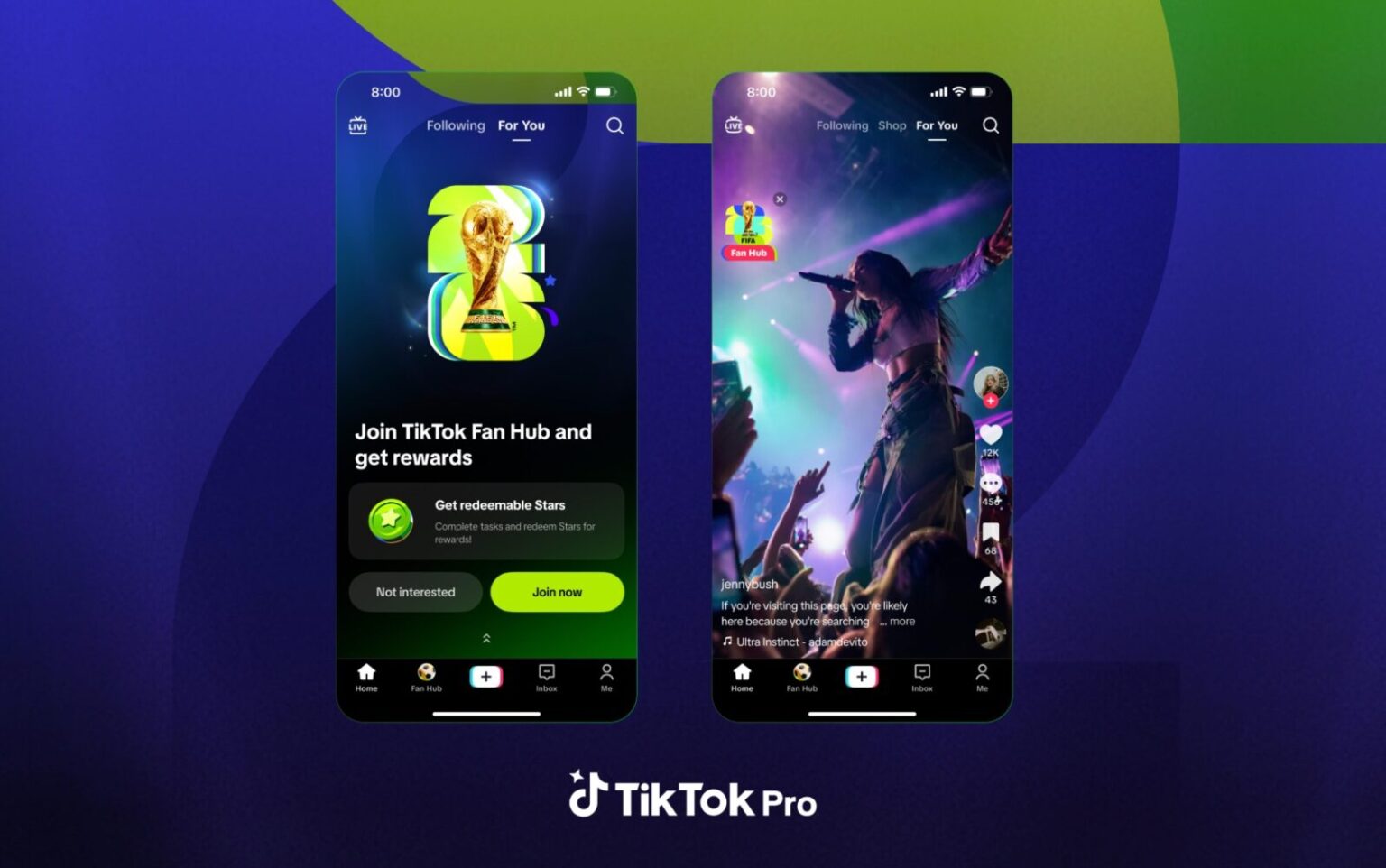
TikTok has introduced a standalone mobile application in the United States called TikTok Pro Events, aimed at capitalizing on major cultural and sporting occasions such as the upcoming FIFA World Cup. The app, available now for users 18 and older through the Apple App Store and Google Play Store, seeks to create a more focused environment for fan engagement beyond the main TikTok platform.
Users can interact with fellow enthusiasts, browse trending clips, and follow selected creator content tied to specific events. A central feature involves earning virtual “Stars” through simple activities like searching hashtags or visiting event hubs, which can then be exchanged for merchandise, shopping coupons, or the chance to allocate charitable contributions in partnership with organizations like Feeding America. While these mechanics encourage participation, they also reflect a broader strategy to blend entertainment with commerce and data collection.
This move comes as TikTok continues evolving from its origins as a short-form video destination into a more multifaceted platform. The company has maintained separate hubs within its primary app for events like the FIFA World Cup 2026, supported by tools designed to boost visibility for teams, leagues, and media partners. Yet by spinning off a dedicated experience, TikTok is testing whether users will download yet another app in an already crowded field of social and event-focused services.
The timing aligns with intensifying competition for attention around live events. Platforms have long recognized that major tournaments generate massive engagement spikes, but sustaining that interest requires more than passive scrolling. TikTok Pro Events attempts to address this by offering direct rewards and shopping integration. At the same time, it opens additional revenue channels through sponsorships, targeted advertising, and creator partnerships—valuable for the platform’s owners amid ongoing regulatory scrutiny and market pressures in the United States.
Recent expansions illustrate a clear pattern. The earlier launch of TikTok GO, which lets users book travel experiences directly after encountering recommendations in videos, shows the company’s determination to transform discovery into transactions. This shift reduces reliance on external sites and keeps users inside the ecosystem longer, a logical but hardly revolutionary step in an industry where every major player from Instagram to Snapchat has pursued similar commerce integrations. Critics might note that while these features enhance retention, they also raise familiar questions about how much user data is being captured across multiple apps and how effectively privacy safeguards are implemented.
TikTok’s approach mirrors the maturation of social media more generally. What began as pure entertainment has steadily incorporated e-commerce, booking tools, and now event-specific communities. For creators and advertisers, a narrower focus could mean better targeting, but for ordinary users, it risks fragmenting an already complex digital experience. Whether TikTok Pro Events gains meaningful traction remains to be seen, particularly as audiences grow wary of downloading separate applications for experiences they previously handled in one place.
The development underscores TikTok’s adaptability in a competitive landscape, even as it navigates geopolitical challenges and shifting user habits. By leaning into cultural moments, the company is betting that dedicated spaces can deepen loyalty where broad feeds sometimes fall short.