
The Browser Company is shifting its focus to a new chapter in web browsing with the release of Dia, its AI-integrated browser that’s now rolling out to private beta testers. Designed as a personalized, conversational interface for the web, Dia is being positioned as a more intelligent and adaptable evolution of the browser experience. Arc users—the community around the company’s original browser—can download Dia today and begin inviting others to join.
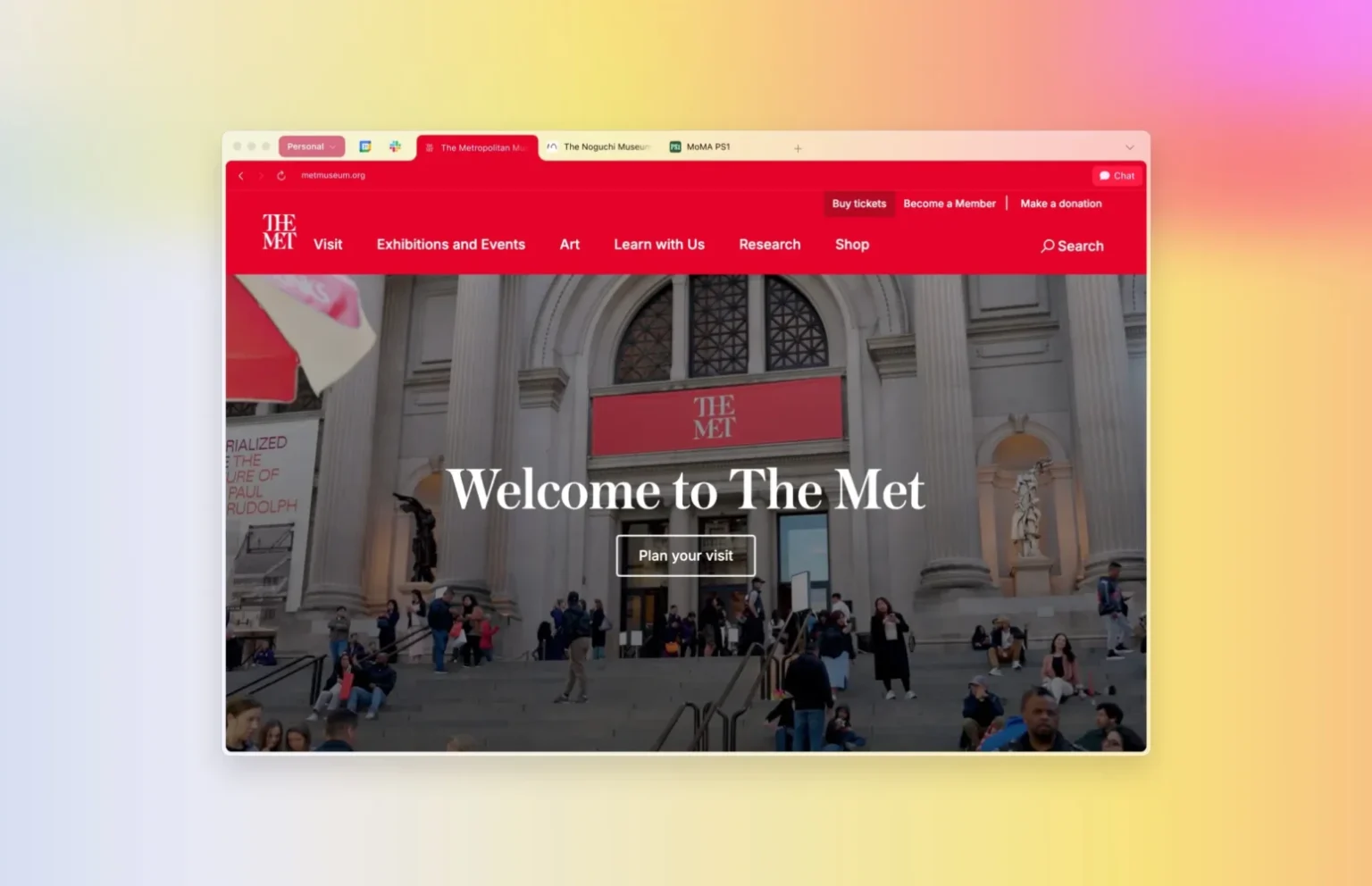
First teased in late 2024, Dia centers on the idea of transforming how users interact with the internet. Instead of switching between tabs or third-party tools like ChatGPT, Dia offers a built-in AI assistant that lives directly within the browser’s URL bar. This assistant can perform a wide range of functions: compare websites, summarize or explain the contents of a page, answer user questions, and even draft new content in the tone or style of the webpage you’re viewing.
The tool adapts based on your preferences over time. Users can set how the AI communicates, choose a writing style for responses, and even dictate preferred programming languages for coding support. Whether you’re trying to draft an email, write a blog post in a site’s voice, or troubleshoot a line of JavaScript—all of it can happen inside the tab you’re already on.
Dia’s promise is to reduce context-switching and reframe the browser as a personal assistant that learns and evolves with each interaction. The company claims it’s “the most personal AI on the market,” a bold statement as competition in the space continues to intensify. Google’s Gemini AI will soon arrive in Chrome with similar inline assistance capabilities, and Opera’s upcoming Neon browser also leans heavily on integrated AI, promising a fully agentic experience.
In May, The Browser Company announced it had halted active development on Arc to focus fully on Dia. The move signals a major strategic shift as the company bets on AI-driven browsing to define its next phase. Arc users automatically receive access to Dia and can invite others once signed up, while new users can request early access by joining the waitlist.
As browsers evolve beyond static tabs and bookmarks, tools like Dia suggest that the future of web navigation could look less like a search engine—and more like a dialogue.